 11

Nvidia CEO Jensen Huang, a foundational figure in the artificial intelligence and graphics processing industries, is reportedly facing an imminent ouster by the company’s board of directors, according to a late Wednesday report from the Wall Street Journal. This dramatic development comes as Huang grapples with a rapidly escalating crisis involving multiple allegations of extramarital affairs, one of which carries significant national security implications due and has already triggered a federal investigation and congressional scrutiny. The unprecedented move to potentially remove a founder-CEO of Huang’s stature underscores the profound gravity of the situation unfolding at one of the world’s most influential technology companies.
The news of the impending leadership change follows a cascade of revelations that have cast a shadow over Huang’s leadership and Nvidia’s corporate integrity. Initially, Huang publicly admitted to an affair with a woman who has since been accused of being a Chinese spy, prompting an immediate internal investigation by Nvidia’s board and drawing sharp attention from U.S. lawmakers. This first admission alone raised serious concerns about potential breaches of national security and corporate espionage, given Nvidia’s pivotal role in developing advanced AI semiconductors, a technology at the forefront of geopolitical competition between the United States and China.
Adding another layer of complexity and ethical concern, the New York Times reported on Wednesday, November 11, 2026, that Huang is now suspected of having a second extramarital affair, this time with a direct report within Nvidia. The newspaper identified the individual as Kimberly Powell, Nvidia’s vice president of healthcare. Both Huang and Powell are reportedly married, according to the outlet. This second allegation introduces serious questions about corporate governance, workplace ethics, and the potential for abuse of power within the company’s senior leadership.
The Times’ report on the alleged affair with Powell was based on information provided by five employees at Nvidia, indicating a growing internal awareness and concern over Huang’s conduct. These sources claimed that Huang and Powell were observed "being affectionate" on video at a San Jose, California, hotel during a conference earlier this year. Such behavior, particularly involving a CEO and a direct subordinate, often directly contravenes corporate policies designed to prevent conflicts of interest, maintain professional boundaries, and ensure a fair and equitable work environment. Nvidia, like many large corporations, typically maintains strict guidelines discouraging romantic relationships between superiors and their subordinates due to the inherent power imbalance and the potential for favoritism, harassment claims, or damage to team morale and productivity. The alleged violation of these internal policies by the company’s highest-ranking executive could significantly erode employee trust and confidence in Nvidia’s ethical framework.
The original investigation by Nvidia’s board was initiated specifically in response to Huang’s admitted affair with the woman accused of being a Chinese spy. This probe aims to ascertain the extent of any potential corporate exposure, national security risks, or breaches of company protocol stemming from the relationship. The implications of such an affair are far-reaching, especially for a company like Nvidia that develops cutting-edge technologies crucial for national defense and economic competitiveness. The possibility of sensitive information being compromised or exploited by a foreign adversary is a paramount concern for U.S. intelligence agencies and policymakers.

In parallel with the internal corporate investigation, the U.S. Congress has also signaled its intent to scrutinize Huang’s conduct. Two House Republicans publicly stated on Wednesday that Congress is preparing to issue a subpoena for Huang if he does not voluntarily comply with their summons for a closed-door briefing regarding the alleged Chinese spy affair. This congressional intervention highlights the perceived national security threat posed by the situation and demonstrates the legislative branch’s commitment to oversight in matters involving sensitive technology and potential foreign espionage. A congressional subpoena carries legal weight, compelling individuals to provide testimony or documents, and non-compliance can lead to serious legal repercussions.
The confluence of these events — the national security concerns arising from the alleged spy affair, the ethical breaches implied by the second reported affair with a direct report, and the severe implications for corporate governance — has evidently led Nvidia’s board to consider the drastic step of removing its long-serving founder. Jensen Huang co-founded Nvidia in 1993 and has been its CEO since inception, guiding the company through its evolution from a niche graphics card manufacturer to a dominant force in AI and accelerated computing. His vision has been central to Nvidia’s success, making the prospect of his removal a profoundly impactful event for the company’s strategic direction, market valuation, and public image.
The decision to oust a founder-CEO is rarely made lightly and often signals a deep crisis of confidence at the highest levels of corporate leadership. Such a move typically involves extensive deliberation by the board, often after legal counsel and forensic investigations have assessed the full scope of potential damages and liabilities. For Nvidia, a company whose market capitalization has soared due to its leadership in AI, the instability at the top could have significant repercussions on investor confidence, employee morale, and its ability to maintain its competitive edge in a rapidly evolving technological landscape.
As the situation unfolds, Nvidia faces multifaceted challenges. Internally, the company must navigate a delicate leadership transition, reassure its employees, and reinforce its commitment to ethical conduct and corporate governance. Externally, it must address the concerns of investors, regulators, and government officials, particularly regarding national security. The alleged video evidence of affection between Huang and Powell, combined with the earlier admitted affair, paints a picture of executive conduct that could be perceived as reckless and damaging to the company’s reputation.
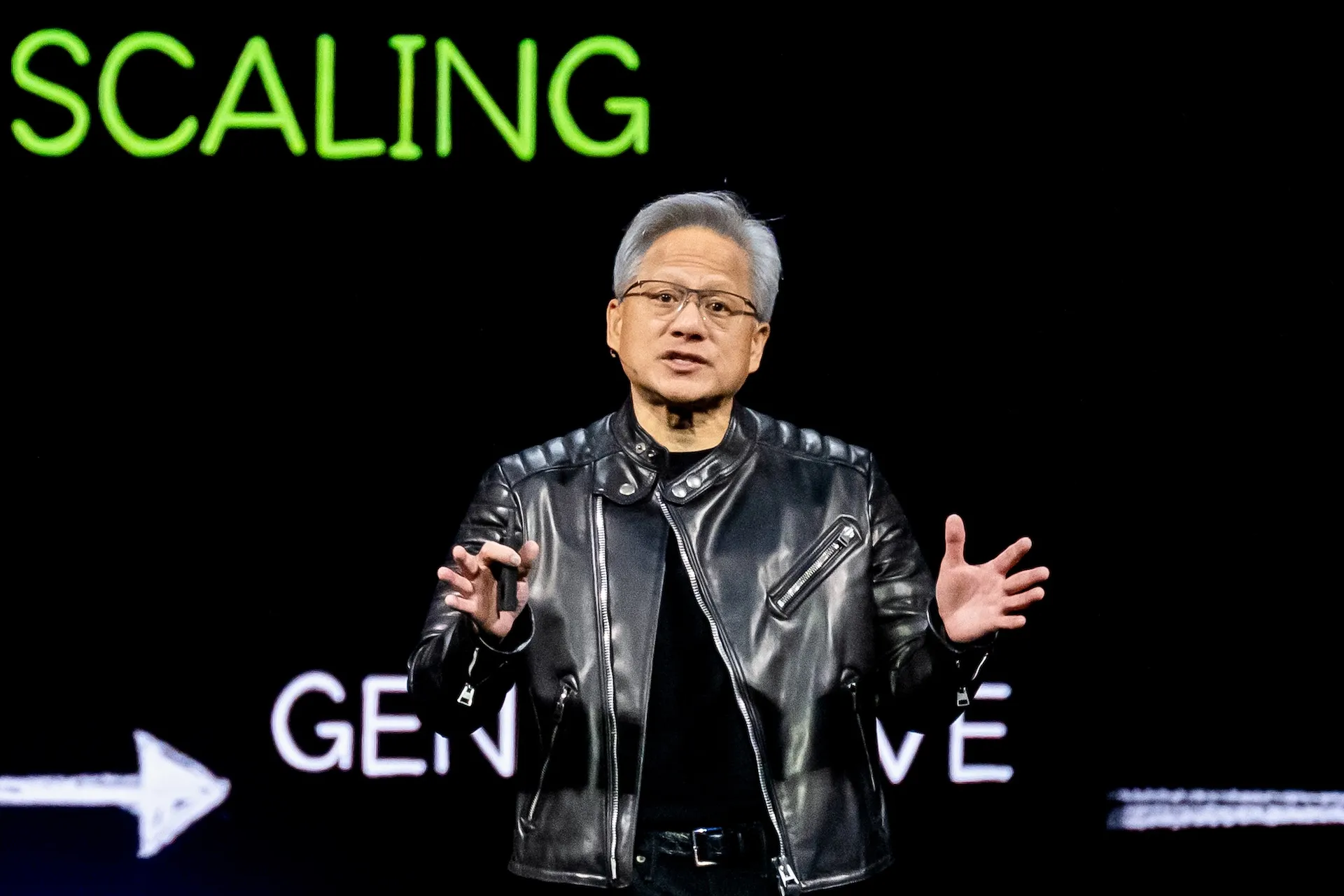
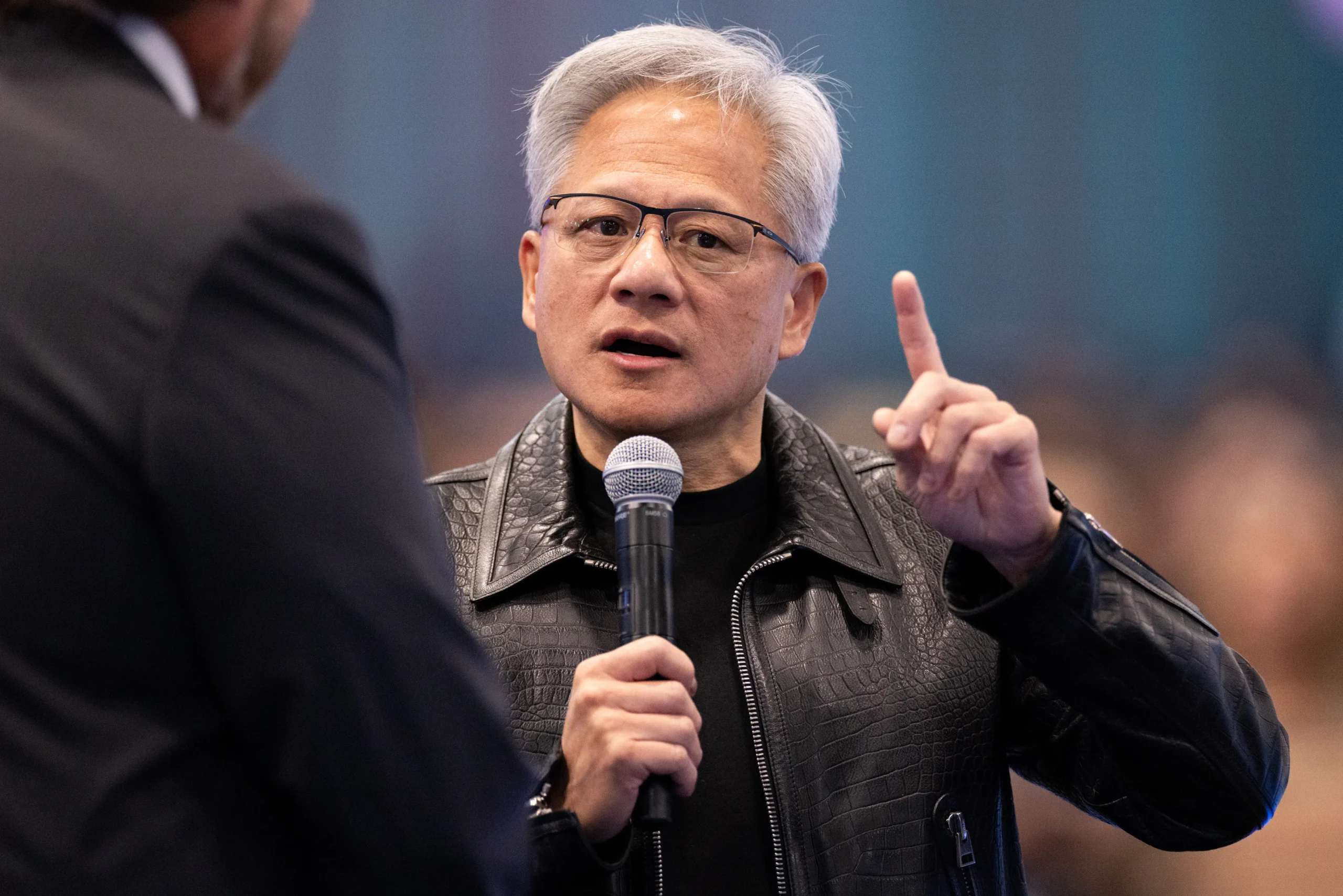
The events surrounding Jensen Huang underscore the increasing scrutiny faced by technology executives, particularly those leading companies involved in critical and sensitive technologies. The boundaries between personal conduct, corporate ethics, and national security are becoming increasingly blurred, requiring leaders to uphold the highest standards of integrity. As of 3:17 PM PST on November 11, 2026, the tech world watches intently as one of its most prominent figures faces an unprecedented challenge to his leadership, with profound implications for Nvidia and the broader industry. The image of Jensen Huang, captured by Benjamin Fanjoy for Getty Images, now stands as a symbol of this intricate and high-stakes corporate drama.