 11

The rapid expansion of data centers, fueled by the insatiable demands of artificial intelligence (AI) and cloud computing, is encountering significant headwinds that threaten to slow its momentum and redefine its trajectory. What was once seen as an unstoppable surge in digital infrastructure development is now grappling with a complex array of real-world challenges, ranging from grassroots community resistance and protracted regulatory hurdles to an unprecedented strain on national power grids. Before these formidable obstacles even fully materialize, a more fundamental issue casts a shadow over the industry: a substantial portion of announced data center projects may never actually see the light of day. With billions of dollars in AI infrastructure investment hanging in the balance, the ability to discern truly viable projects from purely speculative ventures has become an increasingly critical imperative for investors, developers, and policymakers alike.
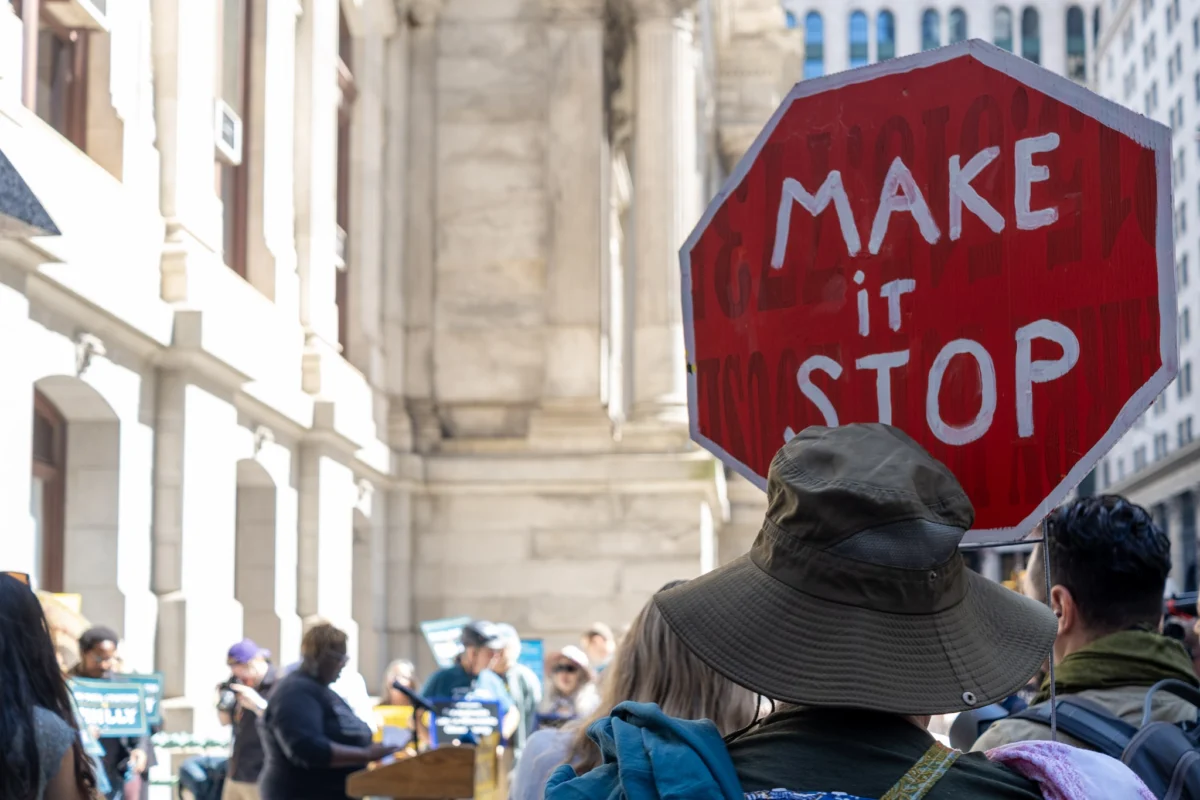
One of the most immediate and impactful challenges confronting the data center industry is widespread local opposition. Communities across the United States and globally are increasingly vocal about the perceived negative impacts of these massive facilities. Concerns frequently cited by residents include excessive noise pollution from cooling systems, the visual blight of large industrial buildings in rural or suburban landscapes, significant water consumption for cooling, increased traffic congestion, and the strain on existing local infrastructure such as roads and utilities. This community resistance often manifests as "Not In My Backyard" (NIMBY) sentiment, leading to organized protests, petitions, and direct engagement with local governing bodies. Such opposition can significantly prolong or even halt the permitting process, which itself represents another formidable barrier.
Permitting delays are becoming the norm rather than the exception. Data center projects require a complex web of approvals at municipal, county, state, and sometimes even federal levels. These include zoning changes, construction permits, environmental impact assessments, water usage permits, and critical utility interconnection agreements. Each stage of this process can be fraught with bureaucratic slowdowns, public hearings, and potential legal challenges from community groups. For instance, in August 2026, Texas reportedly halted new data centers, with the governor calling for audits. While the specific reasons for the Texas decision were not fully detailed in the original report, such actions typically stem from a combination of the aforementioned local opposition alongside concerns about the availability of crucial resources like water and the capacity of the state’s power grid. These delays translate directly into increased development costs, extended timelines, and, in many cases, project abandonment as developers face unsustainable financial burdens and waning investor confidence.
Compounding these issues is an intense scramble for electricity, an essential lifeblood for any data center. The computational intensity of AI models, particularly during training and inference phases, demands enormous amounts of power. Graphics Processing Units (GPUs), which are central to AI workloads, consume significantly more electricity than traditional CPUs, and data centers house thousands of these power-hungry components. This immense demand is placing an unprecedented strain on existing power grids, many of which are already aging and struggling to meet current consumption levels. In May 2026, reports indicated that the biggest U.S. power grid was under strain from AI, a situation that leaves no one satisfied. This strain can lead to increased energy costs, grid instability, and even the risk of localized blackouts, threatening the very uptime data centers promise. Securing sufficient, reliable, and affordable power has become the single most critical factor for data center development, often surpassing land acquisition or construction costs in importance. The recognition of this challenge has led to a growing consensus that the best AI investment might, in fact, be in energy technology itself. This perspective underscores the need for innovations in renewable energy generation, advanced battery storage solutions, smart grid modernization, and ultra-efficient cooling technologies to sustain the future growth of AI infrastructure.
Beyond the external pressures, a more insidious problem lies within the industry’s own ecosystem: the proliferation of speculative projects. With the allure of massive returns from AI infrastructure investment, many projects are announced with considerable fanfare but lack the fundamental prerequisites for successful development. These may include insufficient secured land, an unverified power supply, unobtained permits, or even a clear understanding of market demand. The rush to capitalize on the AI boom has led to a disconnect between ambitious announcements and the tangible groundwork required to bring these facilities online. This creates a challenging environment for investors who need to separate genuinely realistic projects from those that are essentially "vaporware" – projects that exist only on paper. The inability to make this distinction carries substantial financial risks, potentially leading to stranded assets, wasted capital, and a general erosion of trust in the market.
Addressing these complex and intertwined issues requires deep expertise and nuanced analysis. Recognizing this critical need, TechCrunch’s Equity podcast recently convened a discussion to dissect the data center dilemma. On this episode, hosts Rebecca Bellan and Tim De Chant were joined by Brent Nelson, the senior managing director of markets and strategy at Ascend Analytics, an organization known for its expertise in energy markets and data analysis. The primary objective of their conversation was to provide clarity in a clouded landscape: to separate the data center projects that possess the necessary foundations and realistic pathways to get built from the myriad others that may never get off the ground.
The hosts bring distinct and highly relevant perspectives to this crucial discussion. Rebecca Bellan, a senior reporter at TechCrunch, specializes in covering the business, policy, and emerging trends shaping artificial intelligence. Her extensive work, which has also appeared in prominent publications such as Forbes, Bloomberg, The Atlantic, and The Daily Beast, positions her perfectly to understand the drivers of AI demand and the economic implications of data center development. She grasps the intricate interplay between technological advancement and market realities.
Tim De Chant, TechCrunch’s senior climate reporter, offers an invaluable lens through which to view the energy and environmental challenges. His impressive journalistic background includes writing for Wired magazine, the Chicago Tribune, Ars Technica, The Wire China, and serving as founding editor of NOVA Next. De Chant’s academic credentials are equally robust, holding a PhD in environmental science, policy, and management from the University of California, Berkeley, and a BA in environmental studies, English, and biology from St. Olaf College. Furthermore, his experience as a lecturer in MIT’s Graduate Program in Science Writing and his Knight Science Journalism Fellowship at MIT in 2018, where he focused on climate technologies and new business models for journalism, make him uniquely qualified to explore the sustainability and energy infrastructure aspects of the data center boom.
The guest, Brent Nelson, from Ascend Analytics, provides the strategic and analytical horsepower needed to dissect project viability. As Senior Managing Director of Markets and Strategy, Nelson’s role likely involves deep analysis of energy markets, infrastructure development, and strategic planning. Ascend Analytics’ focus on leadership in analytics for energy and infrastructure suggests that Nelson possesses a keen understanding of the financial models, resource constraints, and regulatory landscapes that dictate whether a data center project can succeed. His insights would likely revolve around critical assessment criteria such as secured power purchase agreements, grid interconnection feasibility, long-term resource availability (like water), robust financial backing, and a clear path through the permitting maze.
The discussion on Equity likely delved into the practical factors that differentiate a credible data center project. This would include, but not be limited to, an assessment of the developer’s track record, the existence of secured land and clear title, documented agreements for power supply and water resources, progress in environmental impact assessments, and a transparent engagement strategy with local communities. Furthermore, the ability to demonstrate a solid financial model, including committed funding from reputable investors, would be paramount. The podcast aimed to equip listeners with a framework to evaluate these complex projects, moving beyond mere announcements to the underlying fundamentals.
The broader implications of this data center bottleneck are significant for the future of AI development and the digital economy. A slowdown in infrastructure build-out could hinder the pace of AI innovation, increase the cost of cloud services, and create geographic disparities in access to advanced computing resources. Economically, it poses risks to job creation and local tax revenues that data centers often promise, while environmentally, it underscores the urgent need for sustainable practices in technology development, emphasizing energy efficiency, renewable energy integration, and responsible water management.
For those keen to understand the intricacies of this evolving landscape and gain expert insights, TechCrunch’s Equity podcast serves as an essential resource. Listeners can subscribe to Equity on YouTube, Apple Podcasts, Overcast, Spotify, and all other major podcast platforms. Additionally, updates and discussions can be followed on social media via X (formerly Twitter) and Threads, at @EquityPod. The insights provided by hosts Rebecca Bellan and Tim De Chant, along with guests like Brent Nelson, are crucial for navigating the opportunities and challenges presented by the current data center boom and its profound impact on the future of technology and infrastructure. The audio production quality of the podcast, overseen by Theresa Loconsolo, an experienced audio producer at TechCrunch who previously honed her skills in writing, recording, voicing, and editing content for a four-station conglomerate, ensures a polished and informative listening experience. Loconsolo, based in New Jersey with a Communication degree from Monmouth University, plays a vital role in bringing these important discussions to the audience.