 11


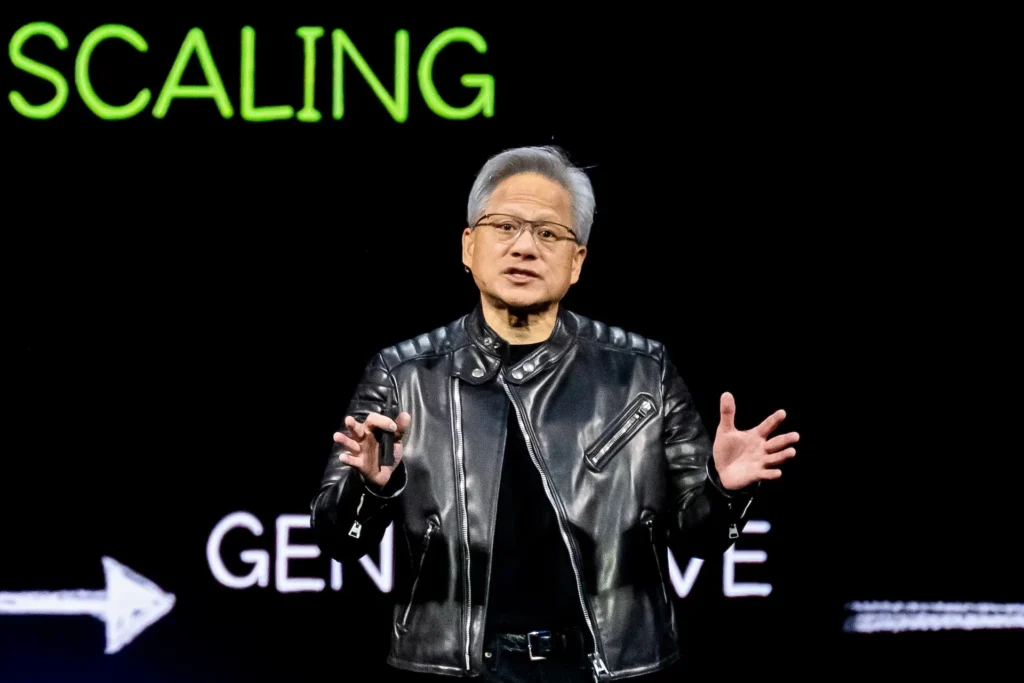
Nvidia’s board of directors is reportedly preparing to remove founder and CEO Jensen Huang from his position, a move potentially triggered by revelations of two extramarital affairs, one of which involved an individual believed by U.S. intelligence officials to be a spy for Beijing. The Wall Street Journal, citing sources familiar with the matter, reported that board members could convene as early as Wednesday to deliberate on Huang’s future. This potential leadership upheaval would represent a significant transition for the chip manufacturing giant, a company that has ascended to a pivotal role in the burgeoning artificial intelligence sector under Huang’s stewardship. Cointelegraph has reached out to Nvidia for comment but has not yet received a response.
One of the alleged affairs was with Alice Huang, an executive at Megaspeed, a Singapore-based data company that is a substantial client of Nvidia. U.S. intelligence agencies have reportedly identified Alice Huang as a potential spy operating on behalf of the Chinese government. The New York Times, in a separate report on Wednesday, also detailed an extramarital affair between Jensen Huang and Kimberly Powell, Nvidia’s vice president of health care. This information was reportedly conveyed by five individuals who have worked within the company.
In a communication to employees on Sunday, Jensen Huang acknowledged his infidelity to his wife, issuing an apology for betraying her trust and that of their children. "I was unfaithful to my wife. My actions hurt her and our children. There is no excuse for what I did," Huang stated in the letter. He also confirmed that the Nvidia board had initiated an independent investigation into national security implications that have arisen from recent news reports. Huang pledged his full cooperation with this inquiry and reiterated his commitment to the company.
The news of these allegations and the potential leadership change had a discernible impact on Nvidia’s stock performance. Following the reports, Nvidia shares experienced an 8% decline in after-hours trading, falling to $159.76. This downturn effectively erased a 2.9% gain that the stock had registered during the regular trading session, according to data from Google Finance.
The fallout from these revelations highlights the precarious position in which Huang now finds himself, despite his integral role in shaping Nvidia into a dominant force in the technology industry. The company’s market capitalization has soared in recent years, largely driven by its critical role in providing the high-performance GPUs essential for training and deploying advanced artificial intelligence models. Huang, as the visionary leader and public face of Nvidia, has been instrumental in this growth narrative.
The reported affairs and the associated national security concerns introduce a complex web of personal and professional challenges for Huang and for Nvidia. The involvement of a suspected foreign agent in an affair with a key technology executive raises serious questions about potential vulnerabilities and the integrity of sensitive information. U.S. intelligence agencies have long expressed concerns about Chinese efforts to acquire advanced technologies and intellectual property, and the allegations surrounding Alice Huang would, if substantiated, present a significant case in point.
The independent investigation launched by Nvidia’s board is likely to be thorough, examining the extent of any potential compromises and the implications for national security. The company’s cooperation with this investigation, as pledged by Huang, will be crucial in mitigating any damage to its reputation and its standing with government entities. Nvidia’s position as a critical supplier to the U.S. defense industry and its deep integration into various government projects underscore the gravity of these national security concerns.
The timing of these reports is particularly sensitive, given Nvidia’s current market dominance and its indispensable role in the AI revolution. The company’s technology is at the forefront of advancements in fields ranging from autonomous vehicles and medical research to climate modeling and national defense. Any disruption to its leadership or operations could have far-reaching consequences for the broader technology landscape and for global innovation.
The market’s immediate reaction, evidenced by the stock price drop, reflects investor anxiety surrounding the uncertainty of leadership and the potential impact on Nvidia’s future strategic direction. While Jensen Huang has been the driving force behind the company’s innovation and success, the board’s decision will ultimately hinge on its assessment of the risks associated with his continued leadership and the need to address the serious allegations that have surfaced.
The situation also brings to the fore the ethical considerations that surround corporate leadership. The personal conduct of high-profile executives can have significant repercussions, not only on their personal lives and families but also on the organizations they lead and the stakeholders they represent. Huang’s public acknowledgment of his infidelity, while a personal matter, has now become inextricably linked with his professional responsibilities and the scrutiny he faces from his board and the public.
As the board deliberates, the focus will undoubtedly be on protecting Nvidia’s interests, ensuring the security of its intellectual property, and maintaining its leadership position in the global technology market. The outcome of these deliberations will be closely watched, not only by those within the tech industry but also by government officials and international observers concerned with the intersection of technology, national security, and corporate governance. The future of Nvidia, a company that has become synonymous with the AI boom, hangs in the balance as its board grapples with these unprecedented challenges.