 11

The transition from on-premises infrastructure to cloud-based environments has long been viewed by enterprise IT administrators as a trade-off between operational convenience and granular visibility. As organizations scale their Atlassian Cloud footprints to support tens of thousands of users or migrate complex workloads from legacy Data Center environments, the demand for robust monitoring and diagnostic capabilities has intensified. To address these concerns, Atlassian has introduced a suite of "System Health" tools designed to dispel the notion that cloud adoption necessitates a loss of control. These tools aim to provide administrators with direct visibility into environment health, performance drivers, and self-service remediation capabilities, effectively shifting the cloud management paradigm from reactive troubleshooting to proactive optimization.
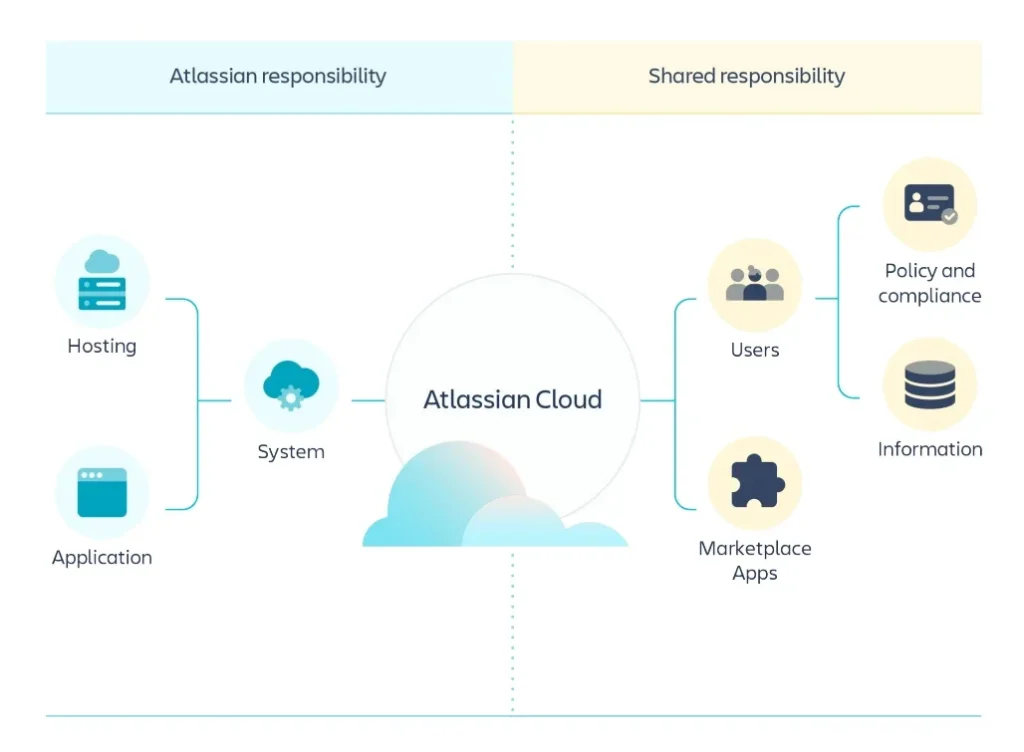
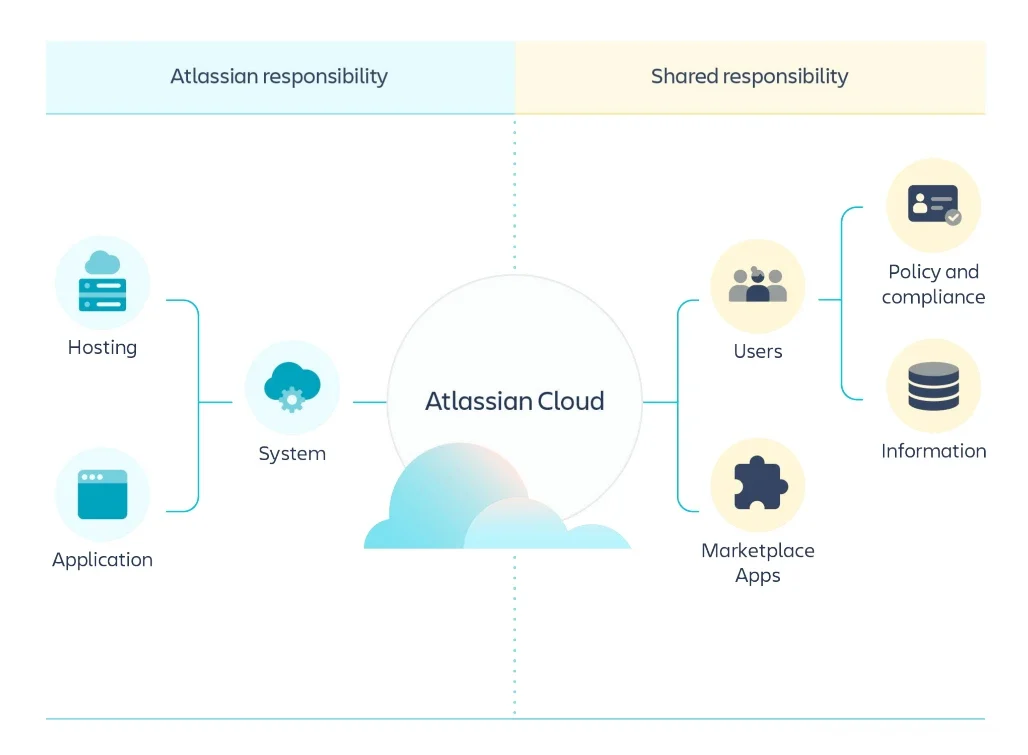
At the core of this strategy is the Atlassian Shared Responsibility Model, a framework that delineates the specific duties of the service provider and the customer in maintaining a fast, reliable, and secure environment. Under this model, Atlassian assumes responsibility for the underlying infrastructure foundation. This includes the management of optimized compute resources, automated scaling, high availability protocols, and platform-level performance tuning. By handling the foundational complexities of the cloud architecture, Atlassian allows internal IT teams to redirect their focus toward business-specific outcomes. However, the model also emphasizes that the customer retains ownership over the configuration and usage of the software. Because Atlassian Cloud is highly customizable, the health of a specific instance is heavily influenced by day-to-day administrative choices, such as the complexity of workflows, the volume of custom fields, the efficiency of automation scripts, and the structure of user permissions.
The introduction of the System Health dashboard is intended to bridge the gap between infrastructure performance and user-defined configurations. Atlassian argues that while they can optimize the "engine" of the platform, only the customer possesses the business context necessary to prune irrelevant data or streamline internal processes. To facilitate this, the company has rolled out two primary features within the System Health ecosystem: Incident Insights and Performance Insights. These tools are designed to transform raw telemetry data into actionable intelligence, allowing administrators to resolve issues independently rather than relying solely on external support tickets.
Incident Insights was the first major component released under this initiative. It provides a unified, site-specific view of both potential and active incidents across an organization’s entire Atlassian Cloud footprint. This coverage extends to core applications, including Jira, Confluence, Jira Service Management, Bitbucket, and the recently introduced AI-powered agent, Rovo. Prior to the implementation of Incident Insights, administrators were often forced to manually monitor the general Atlassian Statuspage or wait for end-users to report service disruptions. By leveraging underlying telemetry to deliver real-time, instance-specific alerts, the tool enables admins to become the first to know when a disruption occurs. This proactive stance allows for more effective internal communication with stakeholders and reduces the "discovery gap" that often plagues large-scale enterprise operations.
Building upon the foundation of incident monitoring, Atlassian has launched Performance Insights into open beta for Cloud Enterprise customers. This tool represents a significant shift in how troubleshooting is handled in a Software-as-a-Service (SaaS) environment. Performance Insights allows administrators to monitor end-user load times across key experiences and provides a breakdown of the factors contributing to latency. By analyzing data volume, configuration complexity, and client-side setups, the tool can pinpoint whether a slowdown is caused by a platform-wide issue or a specific internal configuration choice, such as an over-engineered Jira project or an excessively large Confluence page.

One of the most critical aspects of Performance Insights is its integration with self-service data management tools and cleanup recommendations. Rather than simply identifying a problem, the dashboard directs administrators toward specific actions that can improve performance. For instance, if the system identifies that a high number of custom fields is slowing down issue transitions in Jira, it can suggest cleanup strategies. Furthermore, the tool incorporates Rovo-powered diagnostics to automate the monitoring process and highlight the highest-impact optimizations. This integration of artificial intelligence is designed to help administrators manage the sheer scale of enterprise data, turning what was once a 24-hour diagnostic process into a task that can be completed in an hour.
The value of these tools is particularly evident for organizations undergoing migrations from Atlassian Data Center to the Cloud. For these teams, Performance Insights serves as a vital benchmarking tool. By establishing a performance baseline from the first day of migration, administrators can validate that the cloud environment meets the expected performance standards and quickly identify any configuration adjustments required post-migration. This "day-one" visibility helps build confidence among leadership and end-users who may be skeptical of the cloud’s ability to match the speed of on-premises hardware.
To ensure that the Shared Responsibility Model functions effectively, Atlassian has also emphasized the importance of defining "healthy" performance through transparent benchmarks. The company has moved toward publishing open limits, bands, and service level objectives (SLOs) directly within the administrative dashboards. These benchmarks provide a standardized language for both Atlassian and its customers to evaluate site health. By surfacing these metrics alongside the tools to act on them, the company aims to provide a "full picture" of environment status, moving away from selective transparency toward a more collaborative operational model.
The strategic importance of System Health extends beyond mere performance monitoring; it is a component of a broader investment in "Enterprise Cloud Trust." This initiative includes ongoing developments in data residency, compliance controls, and platform security. Alok Jain, Atlassian’s Head of Product for the Atlassian Platform, noted that the current iteration of System Health is only the beginning. The roadmap for the platform includes expanding the coverage of these insights to more applications and deepening the automated remediation capabilities through the Rovo AI engine. The goal is to create a self-healing environment where the system can not only identify a performance bottleneck but also suggest or automatically implement the necessary configuration changes to resolve it.
For the broader Atlassian customer base, Incident Insights is currently available within the Atlassian Administration console, providing health data for all sites running core applications. For those on the Cloud Enterprise tier, the Performance Insights beta offers a more granular look at the drivers behind load times. Atlassian encourages administrators to engage with these tools frequently, as the underlying machine learning models and diagnostic engines become more accurate with increased usage data.
In summary, the rollout of System Health and Performance Insights reflects a maturing cloud market where enterprise customers demand the same level of visibility they once had in their own data centers. By formalizing the Shared Responsibility Model and providing the technical tools to support it, Atlassian is attempting to prove that the cloud can be more than just a convenient hosting solution—it can be a highly optimized, transparent, and manageable environment for the world’s largest organizations. As these tools continue to evolve, the role of the Atlassian administrator is expected to shift from a focus on infrastructure maintenance to a focus on data hygiene, configuration strategy, and the optimization of the digital employee experience. This shift represents a fundamental change in the troubleshooting dynamic, empowering IT teams to take ownership of their cloud performance and deliver more reliable services to their global workforces.