 11

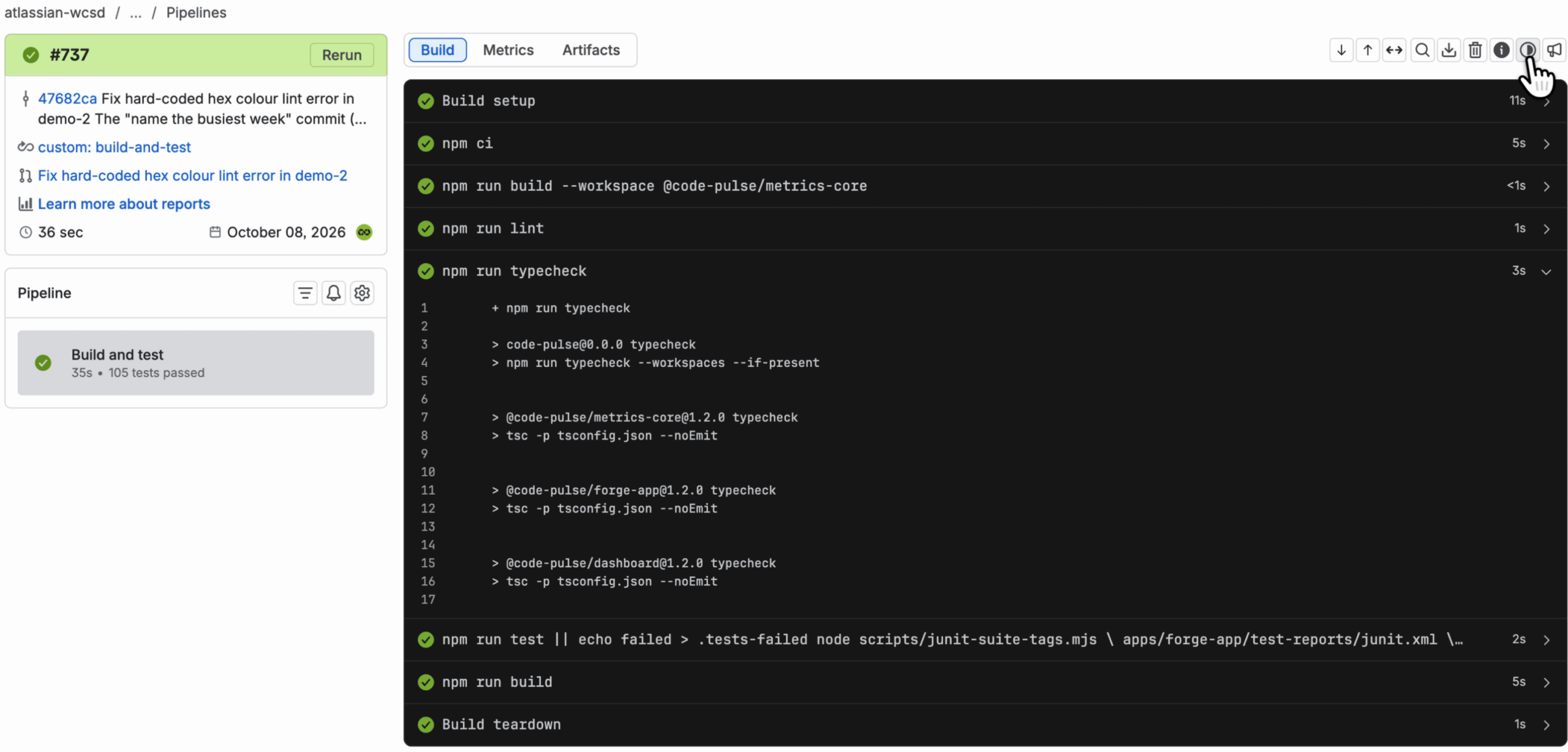
Atlassian has officially announced a comprehensive visual refresh of the Bitbucket Pipelines experience, aimed at streamlining the way developers interact with their continuous integration and continuous delivery (CI/CD) workflows. This update specifically targets the Pipelines list and Pipeline result pages, two of the most critical interfaces for developers monitoring the status of their builds and deployments. The primary objective of this overhaul is to improve the readability of logs, facilitate the rapid identification of specific build steps, and simplify the overall navigation of individual pipeline runs. By focusing on the user interface (UI) and user experience (UX), the update seeks to reduce the cognitive load on developers during the troubleshooting process, allowing for more efficient resolution of build failures and a smoother transition between different stages of the development lifecycle.
It is important to note that this update is strictly a visual refresh. Atlassian has confirmed that the underlying architecture of Bitbucket Pipelines remains unchanged. This means that existing pipeline configurations, build processes, stored data, self-hosted or cloud runners, environment variables, deployment settings, and third-party integrations will continue to function exactly as they did prior to the refresh. The modifications are confined to the presentation layer, providing what the company describes as a cleaner and more focused view of the same robust Bitbucket Pipelines engine. This ensures that teams can benefit from the improved interface without needing to modify their existing CI/CD scripts or infrastructure, maintaining stability while enhancing the daily developer experience.
The core motivation behind this redesign stems from the critical role that pipeline logs play in the software development process. For many developers, the logs are the primary environment where they investigate the details of a run, diagnose errors, and determine the necessary steps to rectify issues. The refresh has been engineered to help users read these outputs more comfortably. By reorganizing the layout, Atlassian has ensured that navigational controls and UI elements do not obscure the log content, allowing the code and output to remain the central focus. This design philosophy emphasizes a distraction-free environment where developers can move through large volumes of text without losing context or being hindered by overlapping interface components.
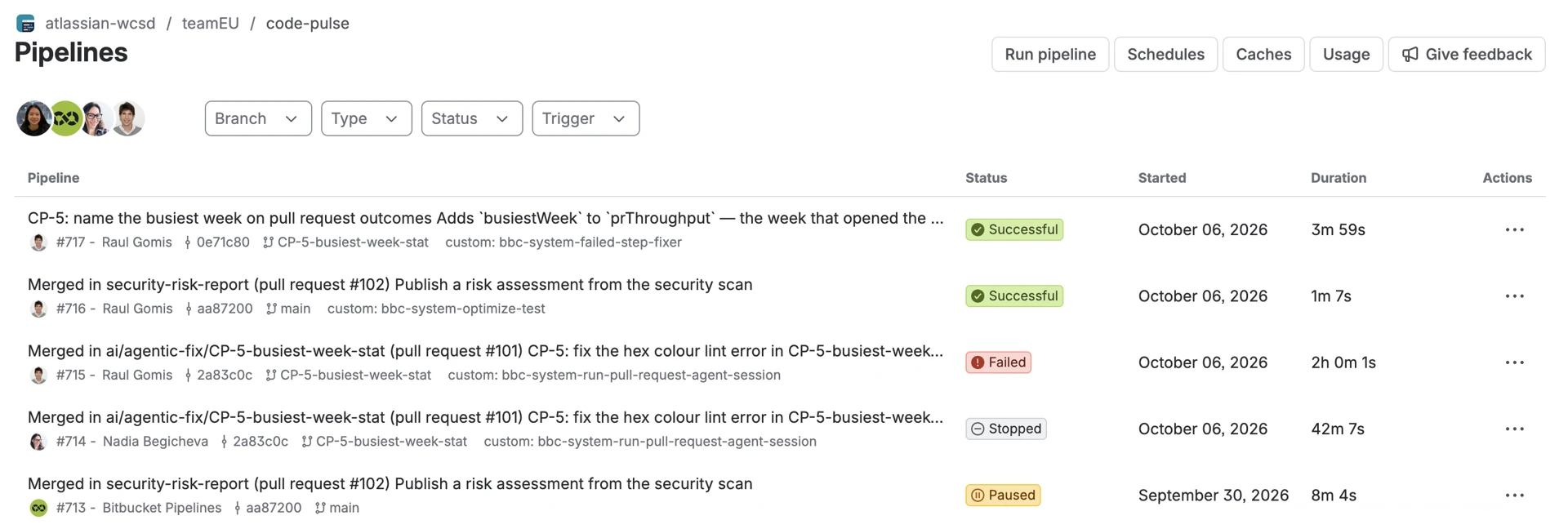
A significant portion of the update is dedicated to ensuring that logs are optimized for both dark and light themes. In the modern development environment, the ability to switch between themes is more than a matter of aesthetic preference; it is a functional requirement for accessibility and reduced eye strain during long working hours. The new log viewer has been calibrated to feel "at home" regardless of the user’s chosen theme. The contrast ratios, syntax highlighting, and background colors have been refined to ensure that text remains crisp and legible in high-light environments or low-light "dark mode" settings. This level of visual consistency across themes ensures that the transition between the Bitbucket code repository and the Pipelines interface is seamless, providing a unified look and feel across the Atlassian ecosystem.
The Pipelines list page has also seen substantial improvements. As the high-level dashboard where teams monitor the health of multiple branches and pull requests, the Pipelines list is essential for maintaining situational awareness of a project’s build status. The new design offers a clearer, more organized view of these runs. By refining the typography, spacing, and iconography, the interface allows users to scan through dozens of recent builds at a glance. This clarity helps in identifying patterns, such as recurring failures in a specific branch or identifying which deployments are currently in progress, without the clutter that can often plague dense data tables. The goal is to provide the most relevant information—such as build status, duration, and the initiating commit—in a way that is immediately accessible.
In addition to the list view, the Pipeline result page has been transformed into a more focused workspace. When a developer clicks into a specific run, they are now presented with a layout that prioritizes the most important data. This page is where the granular details of every step, from initial setup to final deployment, are recorded. The refresh ensures that the hierarchy of information is intuitive, with clear demarcations between different steps and stages. This focus is particularly beneficial for complex pipelines that involve numerous parallel steps or multi-stage deployments. By surfacing the most critical information and providing a more logical flow to the navigation, the update helps developers find the specific "needle in the haystack" when a build fails deep within a complex sequence.
The redesign also addresses the ergonomics of navigation within a pipeline run. In previous iterations, navigating between different steps or accessing specific metadata could sometimes feel disjointed. The new interface introduces a more cohesive movement through the pipeline’s history. Whether a user needs to jump to a specific failed step, download artifacts, or review the environment variables used during a specific run, the controls are now positioned to be more accessible without being intrusive. This balance between functionality and visibility is a hallmark of the new design, reflecting Atlassian’s commitment to a developer-first approach in its product evolution.
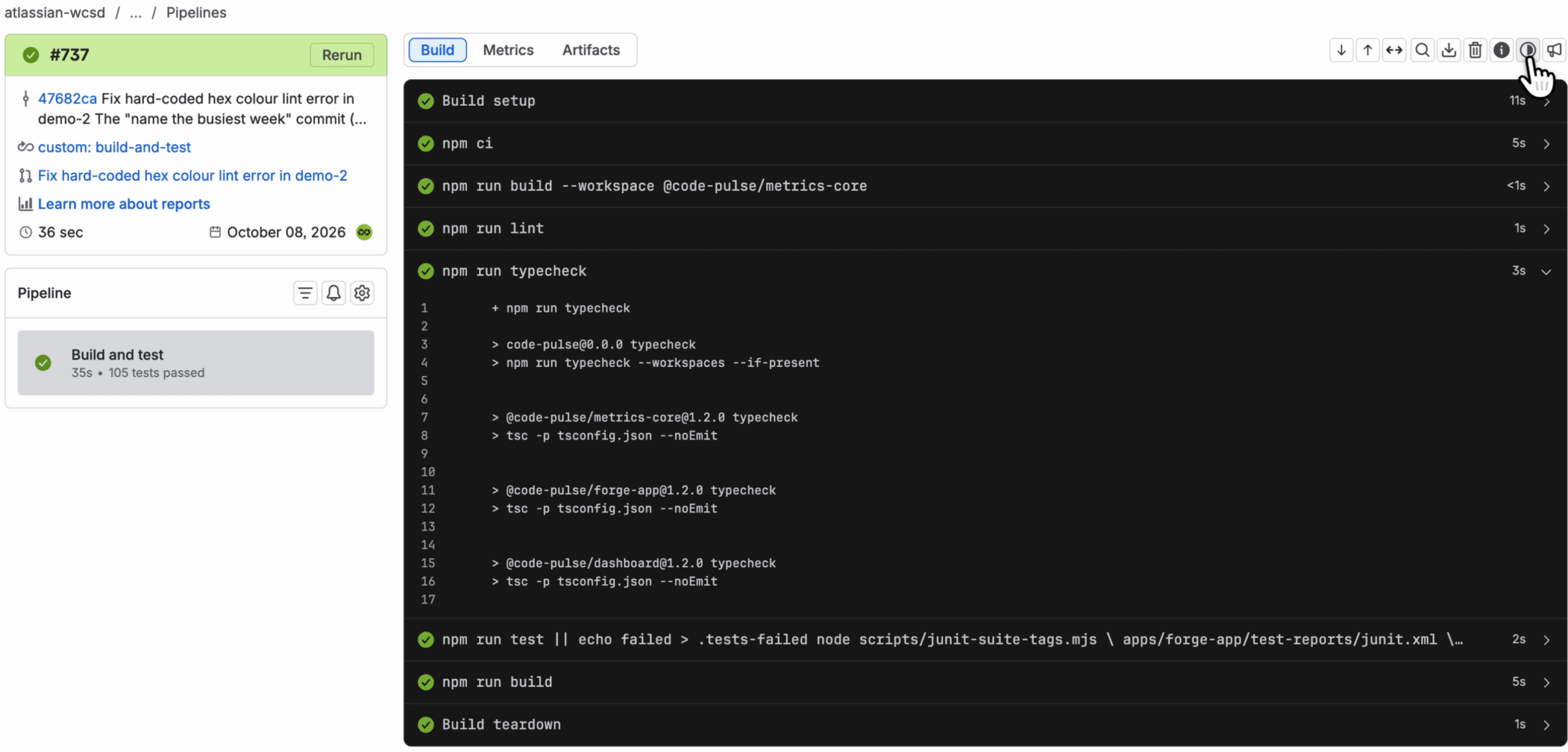
To facilitate a smooth transition and ensure the new interface meets the diverse needs of its global user base, Atlassian has integrated a prominent feedback mechanism directly into the updated pages. A "Give feedback" button is now available on each of the refreshed pages, encouraging users to share their impressions, report any visual inconsistencies, or suggest improvements for future iterations. This open line of communication indicates that the current refresh is part of a continuous effort to evolve the platform based on real-world usage patterns. Atlassian has expressed a keen interest in hearing from developers who "give it a spin," emphasizing that user insights are vital for identifying "something off" or generating ideas for the next stage of the product’s development.
The broader context of this update reflects a trend in the DevOps industry toward improving "Developer Velocity" through better tooling. As software systems become more complex, the tools used to build and deploy them must become simpler and more intuitive to prevent bottlenecks. By making logs easier to read and pipelines easier to navigate, Bitbucket is directly addressing the "MTTR" (Mean Time To Repair) for build failures. When a developer can see exactly where a process broke down without fighting the interface, they can push fixes faster, leading to more frequent and reliable releases.
In summary, the visual refresh of Bitbucket Pipelines is a strategic update designed to enhance the daily workflow of developers. While the technical core of the service remains identical, the improvements to the Pipelines list and Pipeline result pages represent a significant leap forward in usability. With a focus on log readability, theme-consistent design, and streamlined navigation, the update provides a cleaner, more efficient environment for managing CI/CD processes. Users are encouraged to explore the new interface and utilize the built-in feedback tools to help shape the future of the Bitbucket Pipelines experience. This change marks another step in Atlassian’s ongoing mission to provide a highly integrated and user-friendly platform for professional software teams worldwide.