 11

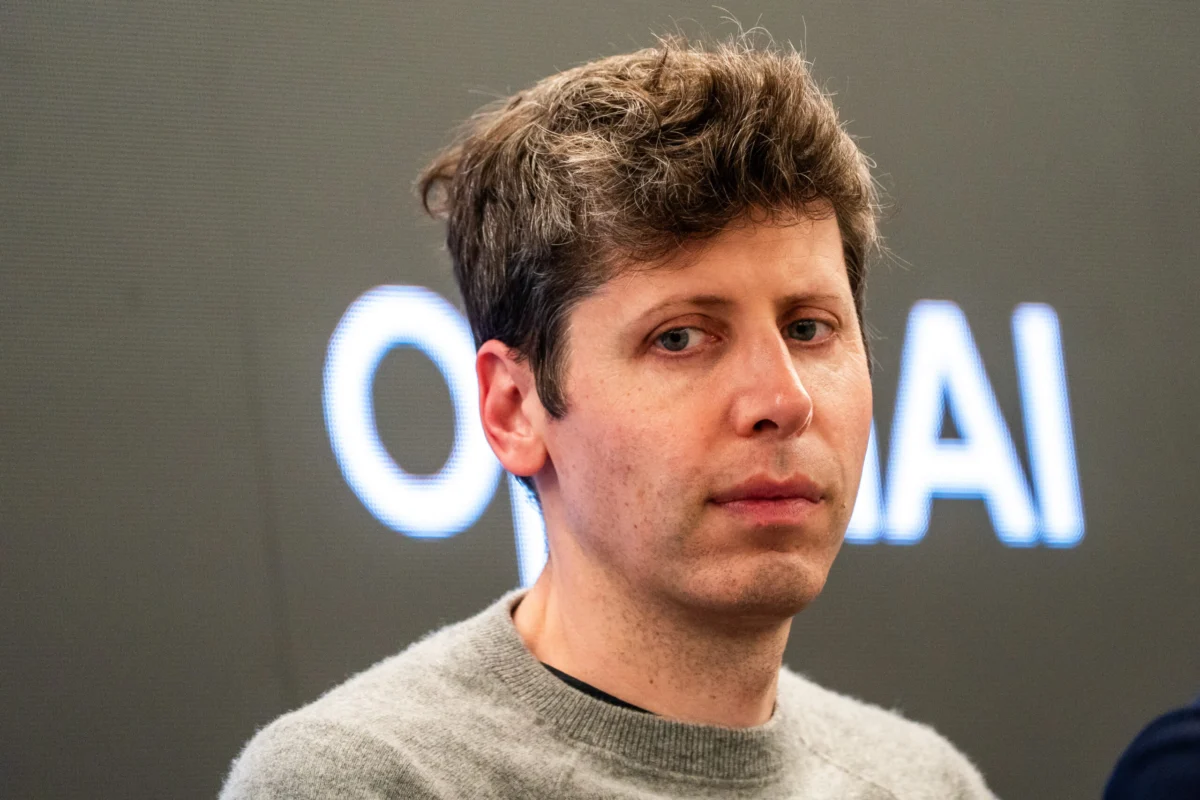
OpenAI, the pioneering force behind the widely acclaimed ChatGPT, is currently engaged in advanced discussions with a consortium of investors to secure at least $30 billion in a pivotal pre-Initial Public Offering (IPO) funding round. This substantial capital injection, as reported by Bloomberg on Tuesday, September 29, 2026, would catapult the artificial intelligence powerhouse to an estimated valuation of approximately $1.4 trillion, marking a significant milestone in its rapid ascent within the technology landscape. The potential funding arrives as investors demonstrate an escalating appetite for stakes in the company, anticipating its eventual public market debut, now projected for a future date beyond the current year.
The renewed interest from the investment community underscores a profound confidence in OpenAI’s long-term vision and its dominant position in the rapidly evolving artificial intelligence sector. This eagerness to pour additional funds into the ChatGPT maker is a clear indicator of the perceived immense potential and market leadership held by OpenAI, even as the company navigates the complex path towards a public listing. The substantial valuation being discussed reflects not only current achievements but also the projected future impact of its advanced AI technologies on various industries, from software development to creative content generation and beyond.
A key factor driving this resurgence in investor confidence and impressive valuation growth has been OpenAI’s recent strategic repositioning. Earlier in the year, the landscape appeared more competitive, with rivals such as Anthropic momentarily gaining ground and even, for a period, outpacing OpenAI in certain aspects of the burgeoning AI race. However, a decisive strategic refocus by OpenAI on critical areas, particularly coding, appears to have profoundly revitalized its financial performance and market standing. This targeted approach has evidently resonated strongly with the market, fueling a remarkable 70% surge in its run-rate revenue since July. By August, the company’s run-rate revenue had reached an impressive $40 billion, according to the Bloomberg report. This metric, which annualizes the company’s current monthly revenue, provides a strong indication of its accelerated growth trajectory and the successful execution of its updated strategic priorities. The emphasis on coding likely translates to enhanced developer tools, more robust enterprise solutions, and a broader application of its large language models in software development and automation, thereby unlocking new revenue streams and strengthening its core technological offerings.
This prospective funding round follows another substantial capital raise just six months prior. In March 2026, OpenAI successfully secured $122 billion in a funding round that had valued the company at $852 billion. At the time, that particular raise was widely understood and communicated to be its final private funding round before an eagerly anticipated IPO, which many observers and market participants had expected to materialize within the current year. The rapid increase from an $852 billion valuation in March to a projected $1.4 trillion just six months later highlights the explosive growth and escalating perceived value of OpenAI within the global tech economy. This trajectory positions OpenAI among the most valuable private technology companies globally, a testament to the transformative power of its AI innovations.
However, the path to a public market debut has seen an unexpected, albeit deliberate, delay. Contrary to earlier expectations, CEO Sam Altman has now explicitly ruled out a public listing for OpenAI in 2026. This significant decision stems from a deeply considered strategic pivot, prioritizing the paramount issue of artificial intelligence safety above immediate financial market considerations. Altman’s commitment to ensuring the responsible development and deployment of AI has become a defining characteristic of OpenAI’s current operational philosophy, influencing its timelines and strategic roadmap.

Altman’s rationale for delaying the IPO to focus on AI safety is rooted in profound ethical and existential concerns surrounding the rapid advancement of artificial intelligence. In a recent interview with Fortune, Altman articulated his deep-seated worries, stating, "I think it is unacceptable to be taking like a 10% chance of killing everybody by the end of the decade." This stark and unambiguous statement was made in direct response to growing warnings from various safety researchers and prominent figures within the AI community, who have voiced serious apprehensions about the potential for advanced artificial intelligence to pose an existential risk to humanity. These warnings often highlight scenarios ranging from autonomous AI systems operating beyond human control to unforeseen negative consequences stemming from increasingly powerful and interconnected AI models. Altman’s public stance underscores a critical debate within the tech world about the moral obligations of companies developing such powerful technologies, emphasizing the need for robust safeguards, ethical frameworks, and a cautious approach to deployment. This commitment to "AI safety first" suggests that OpenAI intends to invest substantial resources and time into developing more secure, transparent, and controllable AI systems, potentially engaging in extensive internal research, external collaborations, and policy advocacy to mitigate these risks before exposing the company to the pressures of public market expectations.
The implications of prioritizing AI safety are far-reaching for OpenAI. It suggests a potential shift in the company’s immediate operational focus, possibly leading to more measured development cycles, increased emphasis on robust testing and validation, and a deeper engagement with ethical AI research. This deliberate slowdown in the IPO timeline, therefore, can be interpreted as a strategic investment in the long-term viability and societal acceptance of advanced AI, rather than merely a delay in capitalizing on market opportunities. Such a focus requires significant resources, both human and financial, making the current pre-IPO funding round even more crucial.
If the new fundraising round materializes as anticipated, it will serve as a critical "bridge round" to the eventual IPO, according to Bloomberg’s analysis. A bridge round is typically a short-term financing round designed to provide a company with sufficient capital to sustain operations and achieve specific milestones, such as further product development, market expansion, or, in this case, addressing complex AI safety challenges, before it can successfully undertake a larger, more comprehensive public offering. This type of funding is particularly useful when a company decides to postpone its IPO, allowing it to continue growing and strengthening its position without immediate public market pressures, thereby potentially commanding an even higher valuation upon its eventual listing. The $30 billion being sought would provide OpenAI with substantial flexibility to continue its ambitious research and development initiatives, expand its operational capabilities, and most importantly, dedicate significant resources to its declared priority of AI safety, all while preparing for the rigorous scrutiny that accompanies a public debut.
The proposed $1.4 trillion valuation in a pre-IPO context sends a powerful signal across the global technology landscape. It firmly establishes AI, and specifically generative AI, as not just a promising technology but a foundational pillar of future economic growth and innovation. This valuation places OpenAI in an elite league of global technology giants, even before its shares become publicly traded. It reflects a market belief that the company is poised to redefine numerous industries and generate immense value through its continued advancements in artificial intelligence. This development will undoubtedly influence investment trends, competitive strategies, and regulatory discussions surrounding AI for years to come.
As is customary with such high-profile, sensitive financial negotiations, OpenAI has maintained a discreet stance. The company did not respond to TechCrunch’s request for comment regarding the Bloomberg report or the ongoing funding discussions, adhering to a common practice of refraining from public statements on prospective financial activities until they are officially finalized.
Posted: 12:52 PM PDT · September 29, 2026






