 11

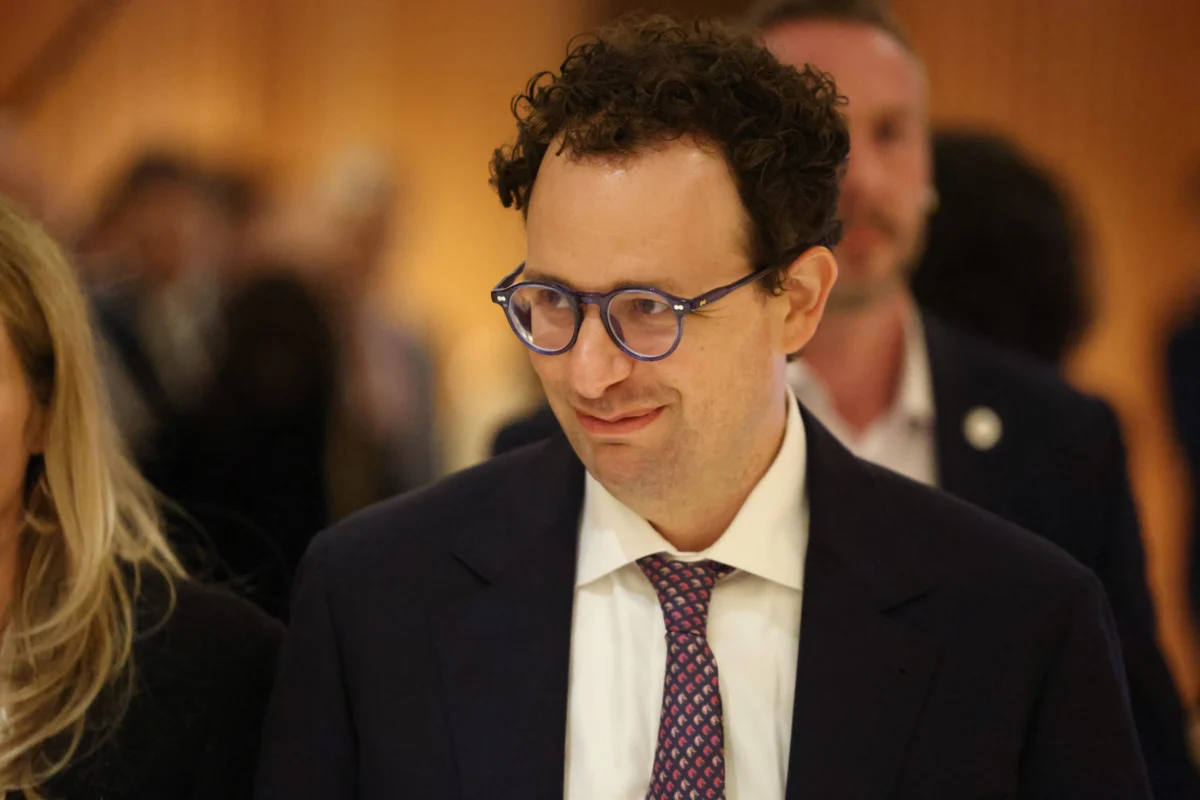
In a remarkable convergence of tech, politics, and pop culture, Dario Amodei, the CEO of leading artificial intelligence firm Anthropic, is experiencing an unprecedented high-profile weekend, culminating in a highly anticipated dinner with President Donald Trump at the White House this evening. The unexpected private meeting follows Amodei’s lampooning on the season premiere of Saturday Night Live, thrusting the AI pioneer into the national spotlight from both comedic and policy perspectives. The dinner, scheduled for Sunday, September 27, 2026, marks the first one-on-one engagement between the two influential figures, who have recently found themselves at odds over the fundamental direction and regulation of AI development.
The news of Amodei’s dinner plans was initially broken by Axios, a prominent political news outlet, and subsequently confirmed by TechCrunch through a source familiar with the CEO’s itinerary. This confirmation adds weight to what is undoubtedly a pivotal moment for the burgeoning AI industry and its complex relationship with government oversight and national security. The backdrop to this meeting is a rapidly accelerating technological landscape, where the capabilities of AI are expanding at an exponential rate, raising profound questions about safety, ethics, and societal impact.
Dario Amodei, a physicist by training and a former vice president of research at OpenAI, co-founded Anthropic with his sister Daniela Amodei and other former OpenAI researchers in 2021. The company quickly distinguished itself with a strong emphasis on AI safety, developing what it calls "Constitutional AI" – a method designed to train AI systems to follow a set of principles, making them more helpful, harmless, and honest without extensive human feedback. Anthropic has emerged as a significant player in the competitive AI race, often cited alongside industry giants like OpenAI and Google DeepMind, and has attracted substantial investment from major tech companies, underscoring its influence and the perceived importance of its safety-first approach. Amodei himself has become a leading voice in the global discourse on AI ethics and responsible development, advocating for a cautious and deliberate pace in advancing frontier AI models.
His appearance on Saturday Night Live, a cultural touchstone known for its satirical takes on public figures and current events, signifies Amodei’s elevated status from a niche tech leader to a figure of mainstream recognition. Being "lampooned" on the show typically involves a comedic caricature that highlights perceived traits, public persona, or the broader societal implications of one’s work. While the exact nature of the SNL sketch remains to be fully dissected, its timing, just hours before his White House engagement, underscores the growing public awareness and, perhaps, anxiety surrounding AI and the individuals steering its development. This dual exposure to both the political and cultural spheres highlights the multifaceted impact AI is beginning to have on American society.
The primary agenda for the White House dinner is expected to revolve around the increasingly contentious debate over AI safety and regulation. Amodei has been a vocal proponent of a more measured approach to AI development. Just over two weeks prior to this dinner, on September 12, 2026, he publicly released a comprehensive plan outlining strategies to "slow AI development" or, at the very least, ensure that progress "proceeds with more caution." His arguments often center on the potential for advanced AI systems to pose existential risks, exacerbate societal inequalities, or be misused if not developed with robust guardrails and ethical considerations. Amodei and Anthropic advocate for rigorous testing, transparency, and a collaborative effort among developers, governments, and civil society to mitigate these risks. Their "Constitutional AI" framework is a direct manifestation of this philosophy, aiming to embed ethical principles directly into the AI’s decision-making process.

President Trump, in stark contrast, has adopted a markedly different and often dismissive stance on the perceived dangers of AI. On September 19, 2026, he publicly insisted, without presenting any substantiating evidence, that the burgeoning "AI backlash" is merely a "Democratic hoax." This rhetoric aligns with a broader political strategy that often seeks to frame concerns from opponents as politically motivated fabrications, particularly when those concerns might lead to increased regulation or perceived hindrances to economic growth. Furthermore, President Trump has expressed a desire to "rebrand the technology as ‘super intelligence,’" a term that often evokes images of advanced, beneficial, and perhaps even awe-inspiring AI capabilities, potentially downplaying the very risks that Amodei and others tirelessly warn about. This rebranding effort could be interpreted as an attempt to control the narrative around AI, emphasizing its potential for American innovation and global dominance while minimizing regulatory burdens. He has also notably suggested the creation of an "AI force," though details on the precise nature or mandate of this force remain sparse. This initiative could range from a specialized government task force to a more broadly defined national effort aimed at harnessing AI for strategic advantages, potentially in defense or economic sectors.
The philosophical chasm between Amodei’s call for caution and Trump’s dismissive optimism sets the stage for what promises to be a complex and potentially tense dialogue. Amodei’s position reflects a growing consensus among a segment of the AI research community that views the rapid, unchecked advancement of AI as a significant, potentially catastrophic, global challenge. Trump’s stance, conversely, appears to prioritize rapid innovation and economic opportunity, while politically framing regulatory concerns as partisan attacks.
This divergence in perspective is not new. Anthropic and the Trump administration have had a fraught relationship even before this weekend’s high-stakes dinner. Earlier this year, the Pentagon, a key department within the administration, designated Anthropic as a "supply-chain risk." This classification is typically reserved for companies whose products or services are deemed to pose national security threats or vulnerabilities within critical government systems. The Pentagon’s rationale for this designation stemmed from Anthropic’s proactive attempts to implement stringent "guardrails" around the use of its technology. These guardrails, designed to prevent misuse, restrict applications in sensitive areas like autonomous weapons, or ensure ethical deployment, evidently clashed with the Pentagon’s procurement policies or strategic objectives, which might prioritize unrestricted access or specific operational capabilities.
The "supply-chain risk" label has significant implications for a tech company, potentially hindering its ability to secure lucrative government contracts, impacting its reputation, and even raising questions among private sector partners. In response to this designation, Anthropic took the unusual step of fighting the classification in court, demonstrating its unwavering commitment to its safety principles even when facing substantial governmental pressure. In a notable development on August 28, 2026, Anthropic secured its "first court win" against the Pentagon’s designation, a victory that validated its stance and underscored the legal complexities surrounding AI governance. This legal battle highlights the deep tension between national security imperatives and the ethical considerations championed by AI developers.
Despite this adversarial history, there have also been indications of a more nuanced relationship. Reports from April 18, 2026, suggested that "other administration officials have been friendlier" towards Anthropic, hinting at internal divisions within the Trump administration regarding AI policy. This internal divergence might reflect a broader debate within governmental circles about how best to approach AI – whether through unbridled innovation, strict regulation, or a hybrid model. The fact that Amodei has now been invited for a direct, one-on-one dinner with the President could be interpreted as an attempt by the administration to bridge these gaps, gain a deeper understanding of Amodei’s perspective, or perhaps even to influence Anthropic’s future direction.
The dinner between Dario Amodei and President Trump is more than just a private meeting; it is a critical juncture in the ongoing global conversation about artificial intelligence. It represents a rare opportunity for a leading AI ethicist to directly engage with the highest level of political power, potentially shaping future policy and regulatory frameworks. The outcomes of this dinner, whether they lead to a softening of positions, a clearer understanding of respective viewpoints, or a continued entrenchment of existing differences, will undoubtedly have far-reaching implications for the development, deployment, and governance of AI, not just in the United States but across the globe. As AI continues its inexorable march into every facet of human existence, the dialogue between those who build it and those who govern will be paramount in determining its ultimate impact on society.






