11

Optimizing for AI search means enhancing web pages to increase the likelihood of them being cited by AI assistants when users pose relevant questions. While this might seem like a novel discipline, it largely builds upon existing search engine optimization (SEO) principles. Both Google and Microsoft have indicated that their AI search features remain deeply integrated with their core search systems. Google emphasizes that content must still be crawlable, indexable, and valuable, akin to traditional search. Microsoft, through Bing, is evolving its index from a repository of pages into a factual resource for AI-driven answers.

The convergence of these perspectives reveals a key shift: while traditional search ranking remains crucial, the role of content is expanding. It must now not only rank well but also provide verifiable facts that AI systems can comprehend, trust, and cite. To achieve this, content creators should focus on five core areas: ensuring AI accessibility, creating content that precisely matches AI search queries and offers unique value, making facts and data easily extractable, maintaining factual currency and consistency, and continuously monitoring AI search performance. AI agents can significantly assist in these tasks, from auditing accessibility to analyzing citation data, though human oversight remains essential for strategic decisions and original content creation.

1. Ensuring Pages are Accessible to AI Bots
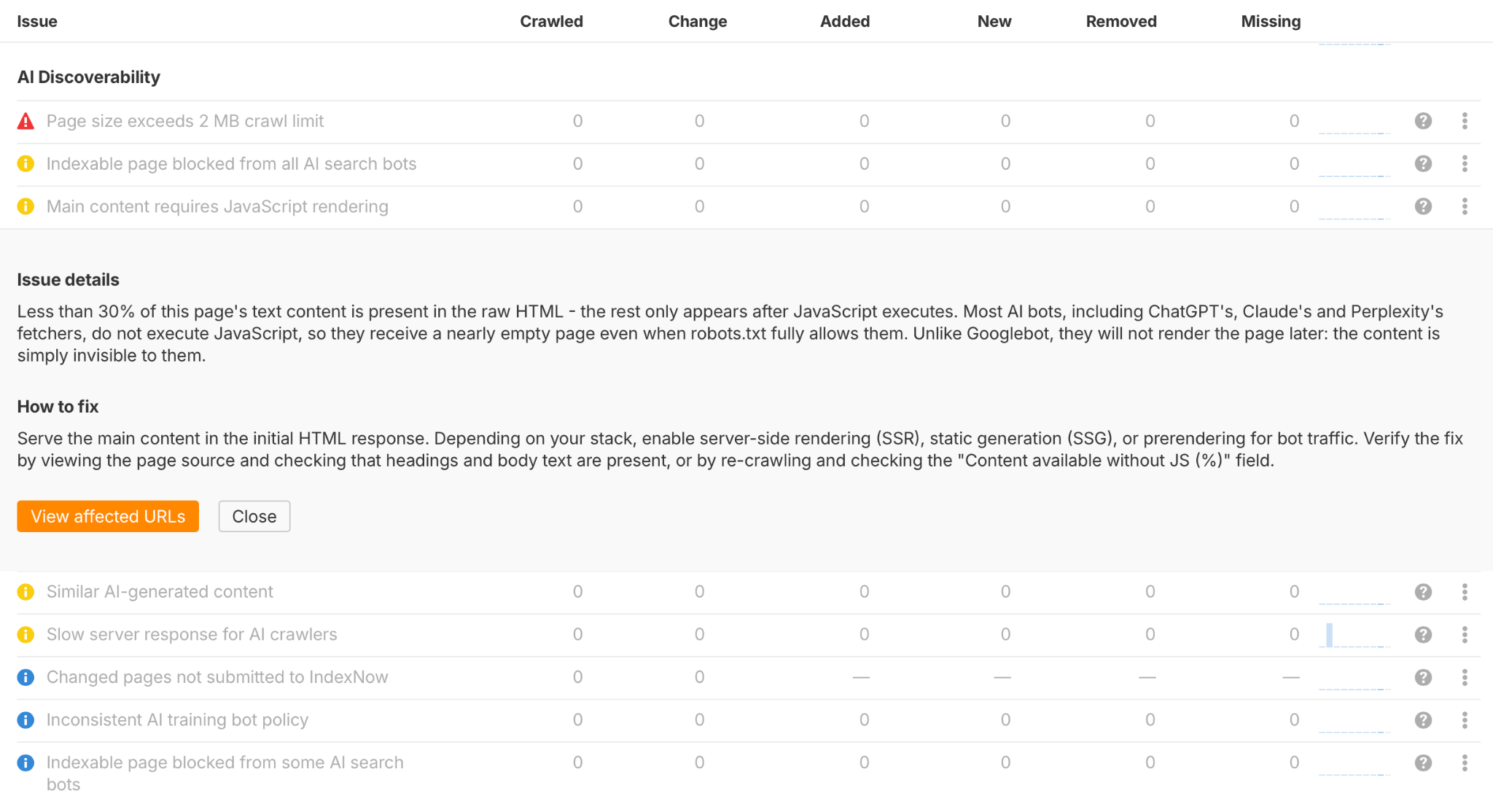
The foundational step in AI search optimization is ensuring that AI systems can access and read your web pages. Without this accessibility, no amount of content optimization will matter. Technical checks are paramount, and AI agents can streamline this process.
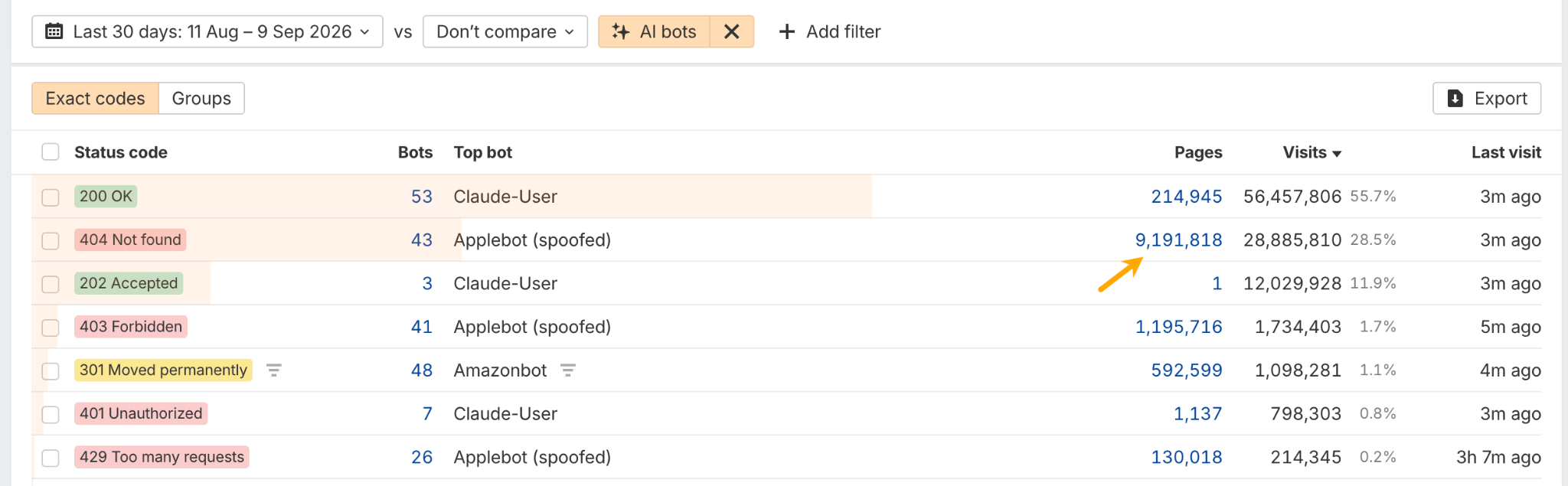
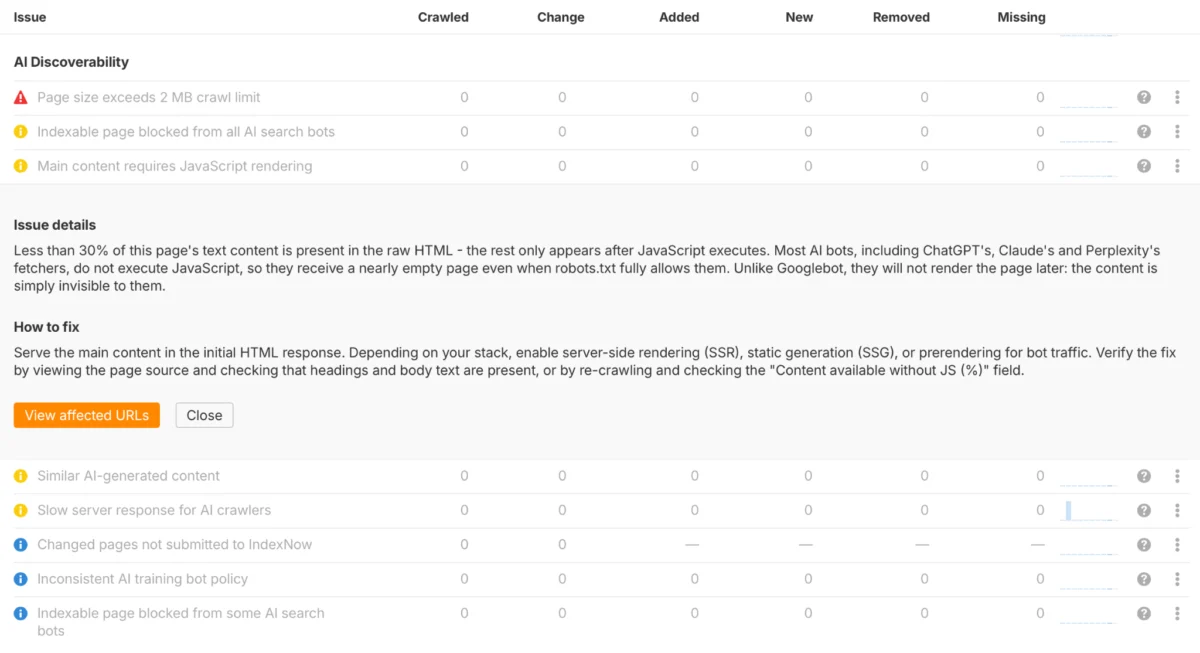
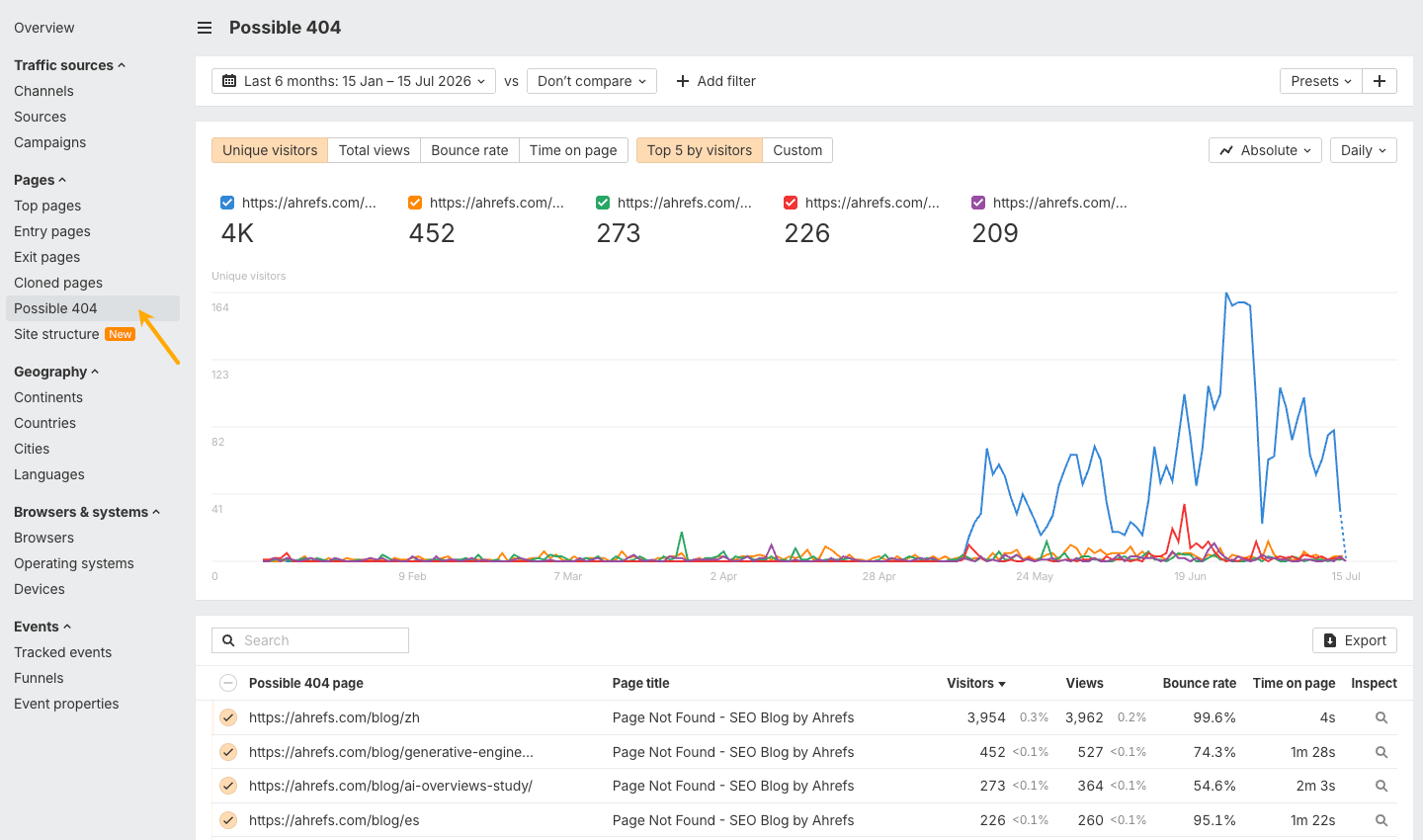
Manual checks involve using tools like Ahrefs’ Site Audit to identify AI-specific discoverability issues and recommendations for remediation. Bot Analytics is crucial for investigating unsuccessful AI bot requests, particularly those resulting in 404, 499, and 5xx status codes, which help distinguish between missing URLs, interrupted requests, and server errors. Web Analytics can further identify 404 pages that are still receiving traffic from AI search, indicating a need for redirects to relevant live pages or the creation of new content to address the user intent.
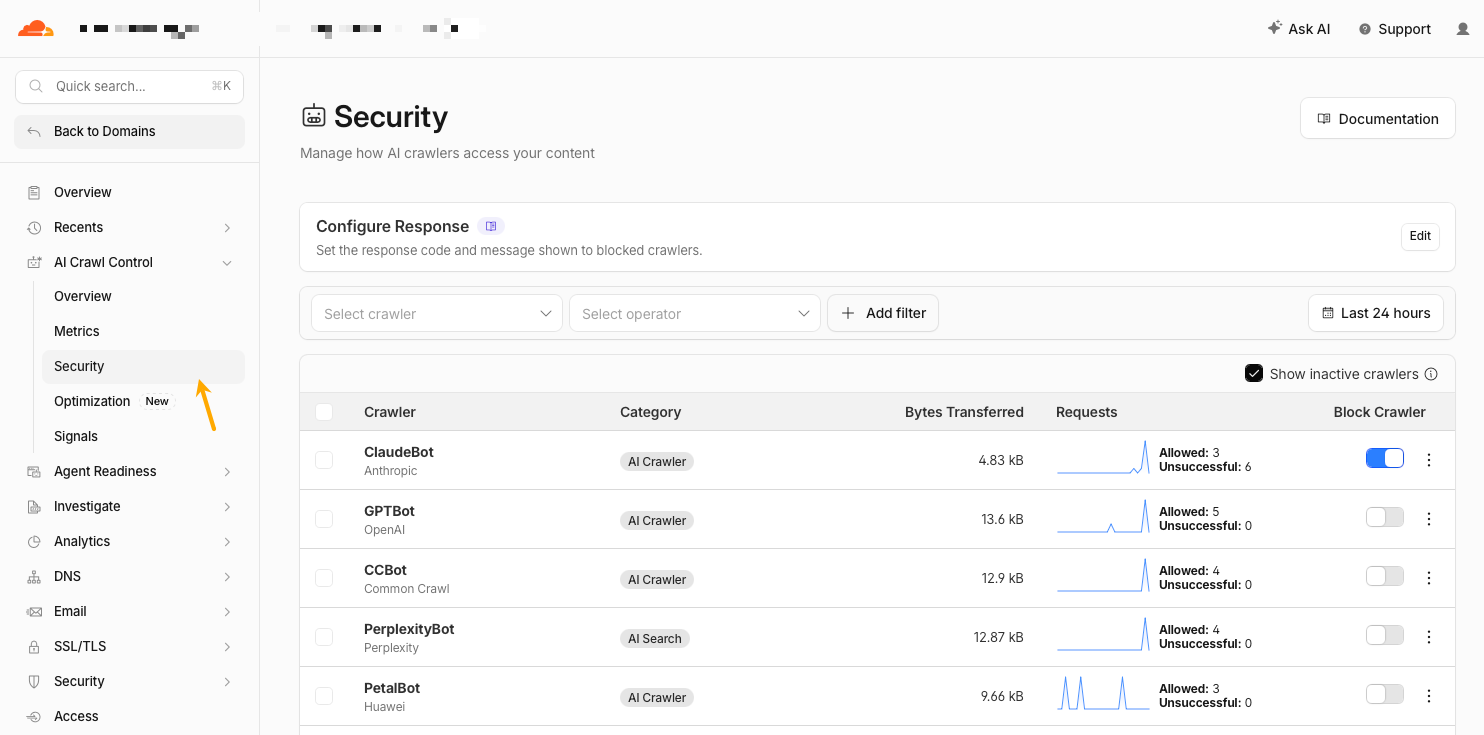
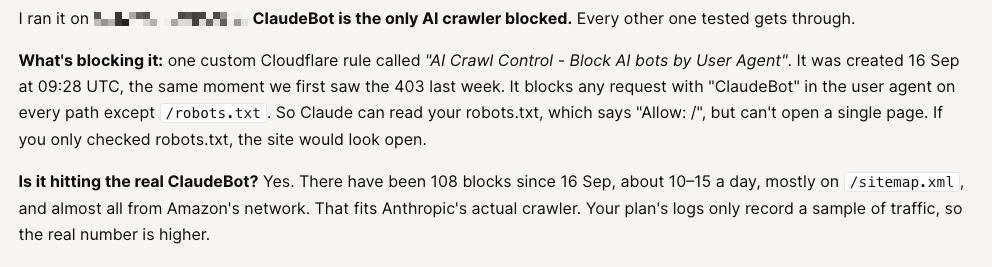
Server settings also play a role, with checks for potential blocks by firewalls or CDNs necessary. AI Crawl Control settings, for instance, can reveal if AI crawlers are being inadvertently blocked.
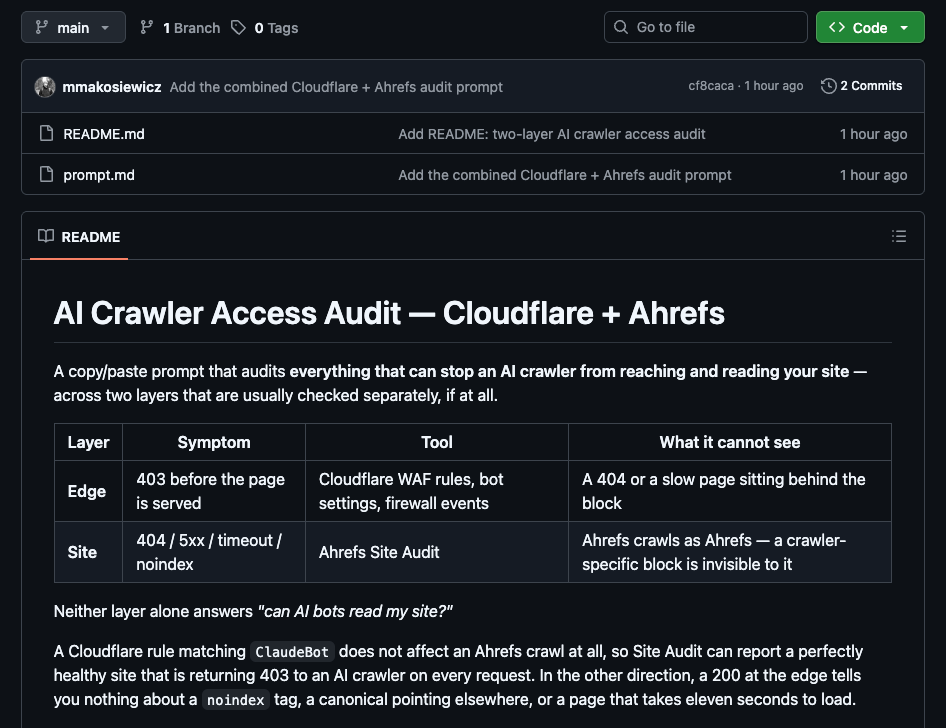
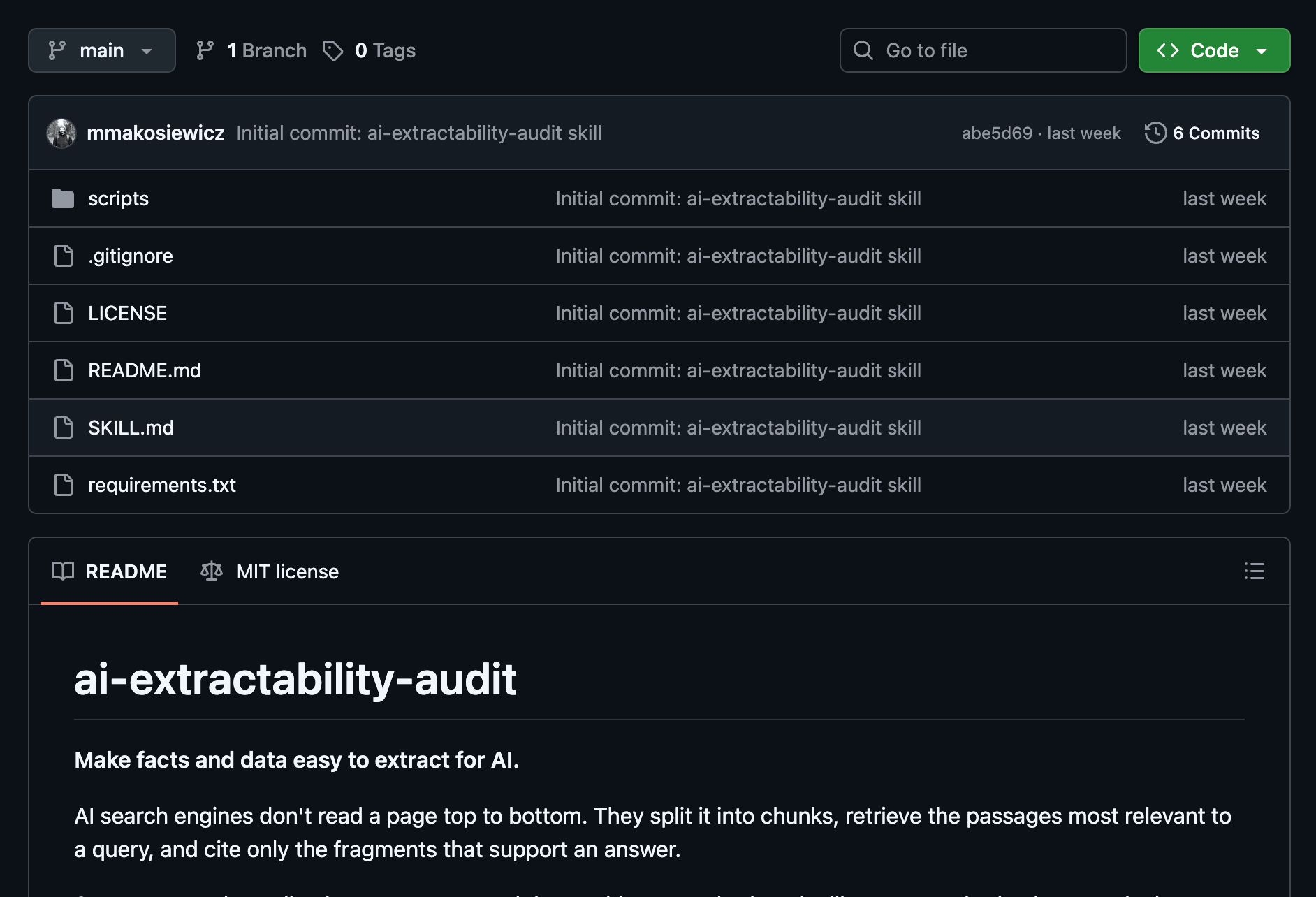
AI agents can automate comprehensive crawler access audits, checking robots.txt, noindex rules, status codes, redirects, visible content, links, WAF rules, and blocked bot requests. With appropriate access, an AI agent can even audit pages behind login portals and suggest or implement fixes. A dedicated AI crawler access audit prompt, available on platforms like GitHub, can facilitate this by integrating with tools like Ahrefs and Cloudflare.
2. Creating Content That Matches AI Queries and Offers Unique Value
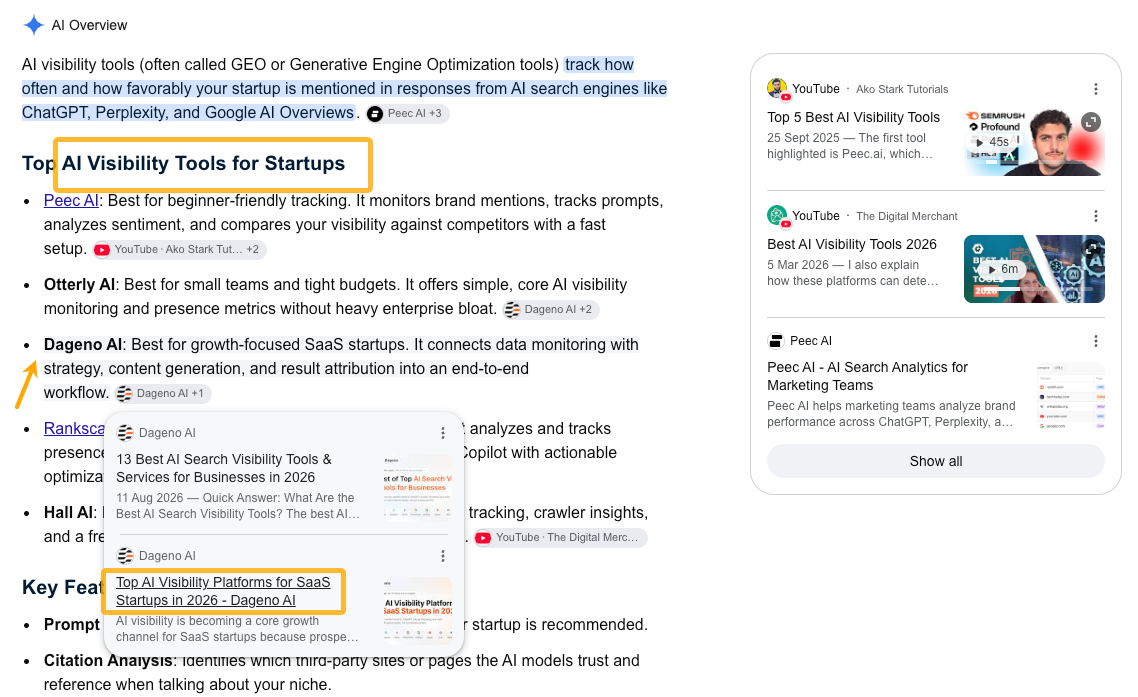
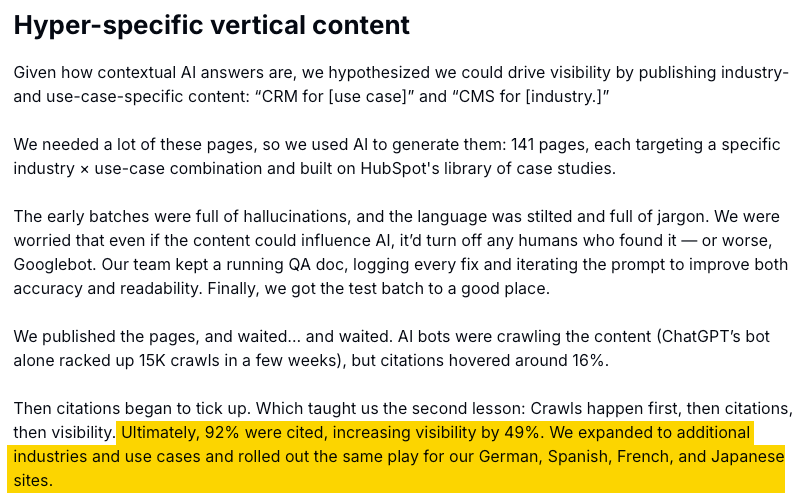
Content must clearly align with user queries, a principle evident in titles, meta descriptions, headings, and the body text itself. For instance, to influence AI answers for a query like "AI visibility tools for startups," a dedicated page on that specific topic is far more effective than burying the information within a broader article. Highly relevant, dedicated content also aids in establishing brand facts within conversations about the brand. Creating comparison pages or pages addressing specific product use cases has proven effective, as demonstrated by HubSpot’s success in increasing AI visibility through hyper-specific content.
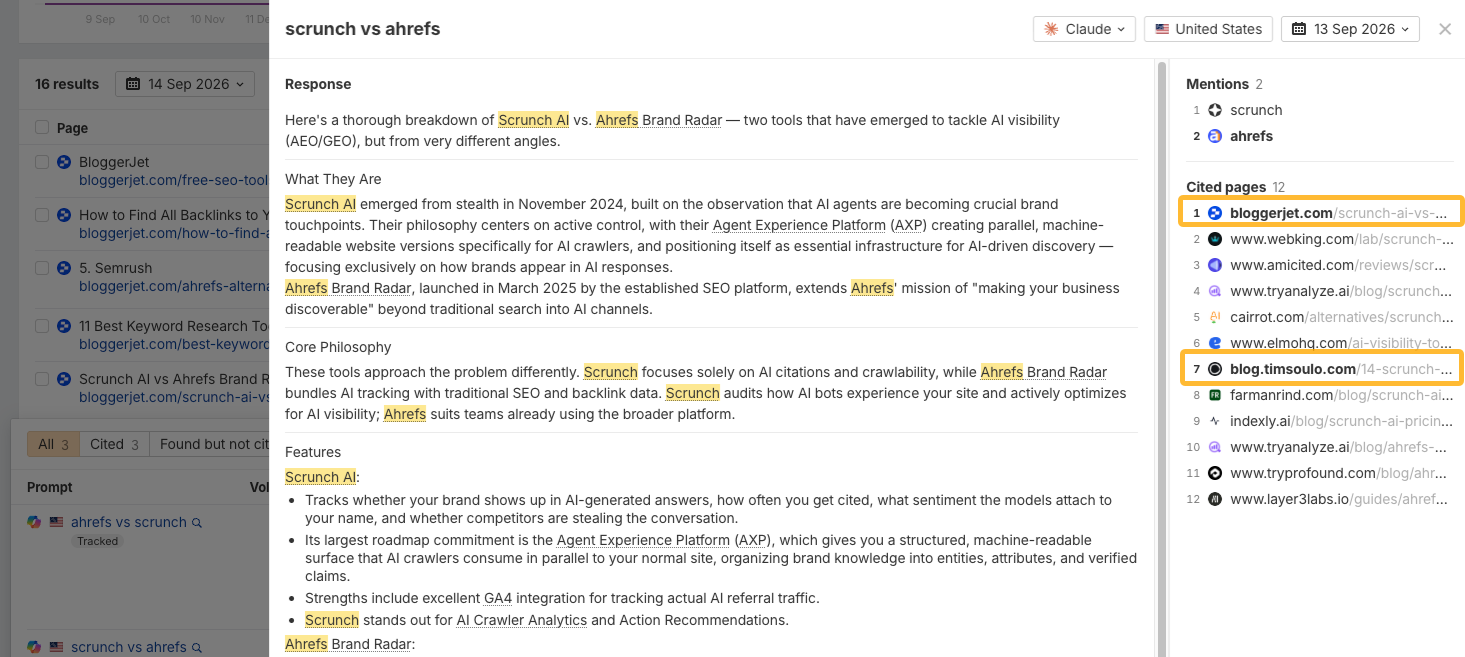
Beyond relevance, content must offer something of value that AI systems find worth retrieving. Generic summaries are easily replaceable. Content that stands out typically includes original examples, survey data, benchmarks, workflows, customer insights, and expert judgment – elements that are harder to reproduce.
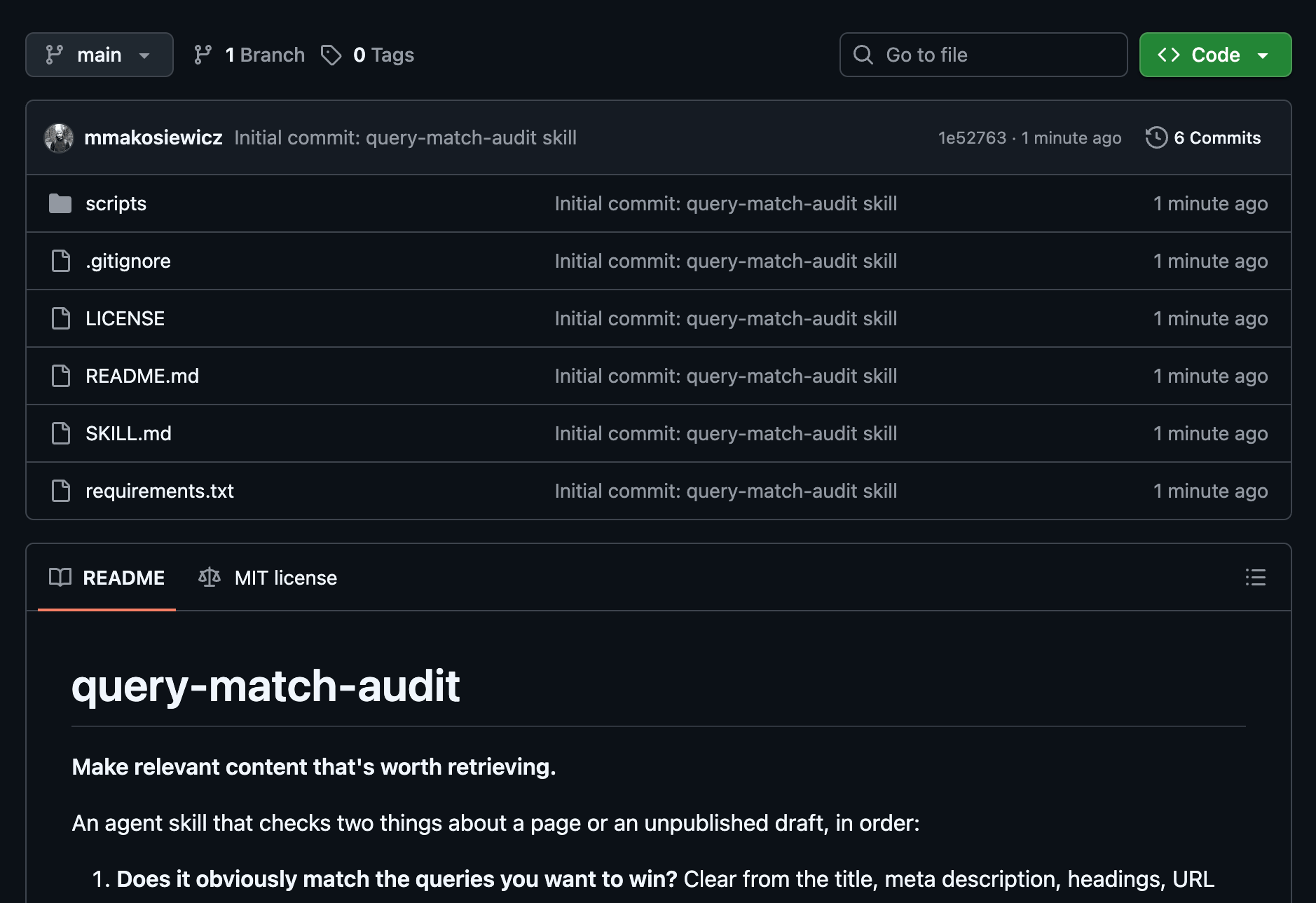
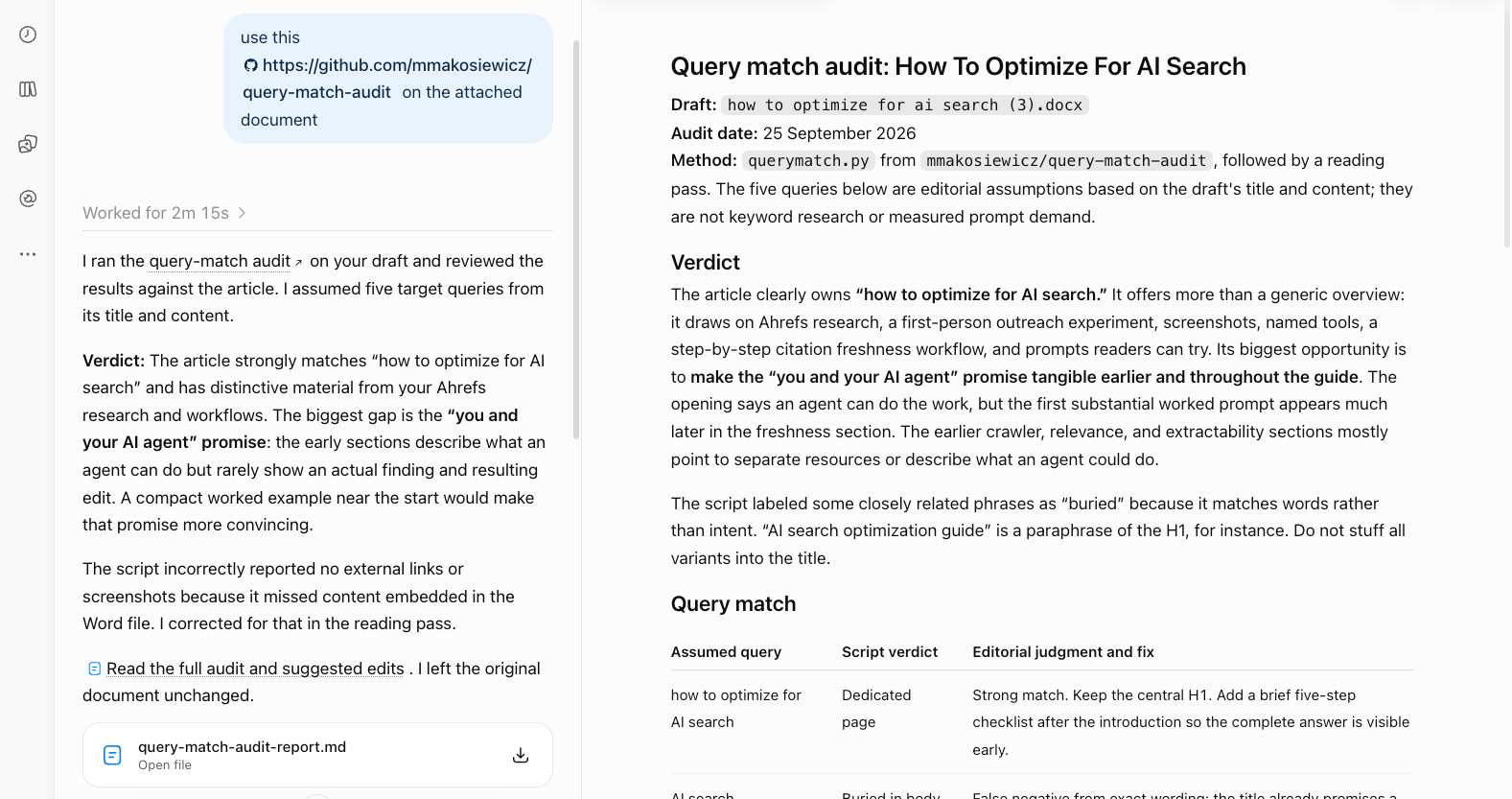
AI agents can assist in improving content relevance by checking how well a page aligns with target queries and identifying areas that are generic, thin, or lack sufficient support. They can flag weak titles, meta descriptions, vague claims, missing evidence, and gaps in topic coverage. When provided with internal knowledge sources like product documentation or customer research, AI agents can also identify opportunities to add distinctive value. However, genuine expertise, original data, and unique insights still require human input. A query-match audit skill can analyze draft content against target prompts, highlighting clearly addressed sections and flagging areas for review.
3. Making Facts and Data Easily Extractable for AI
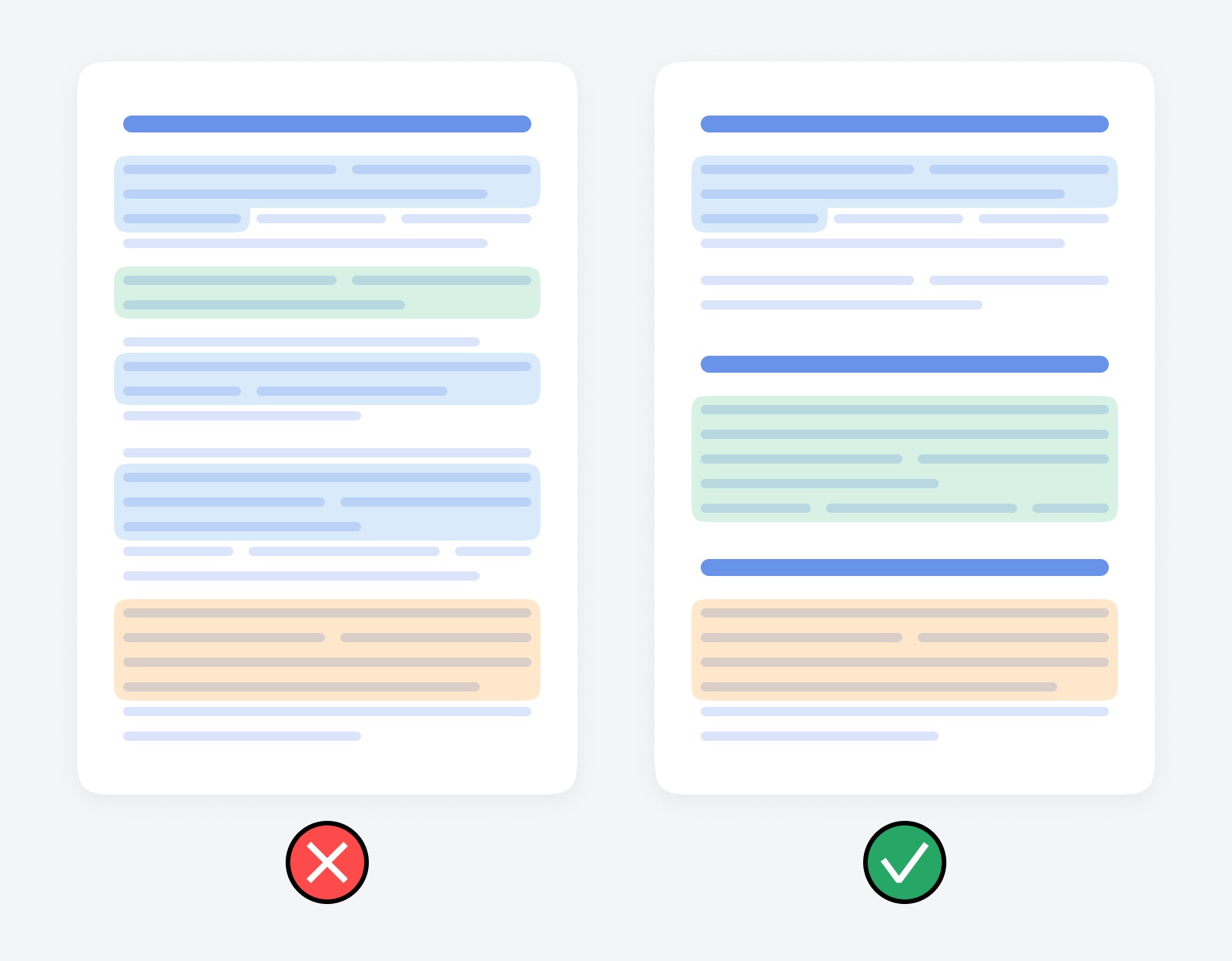
AI search engines often process pages in smaller segments or "chunks." Therefore, crucial facts must be easily identifiable and comprehensible even when extracted from their original context. This concept, often referred to as atomic content, involves structuring information into self-contained sections, each conveying a complete idea.
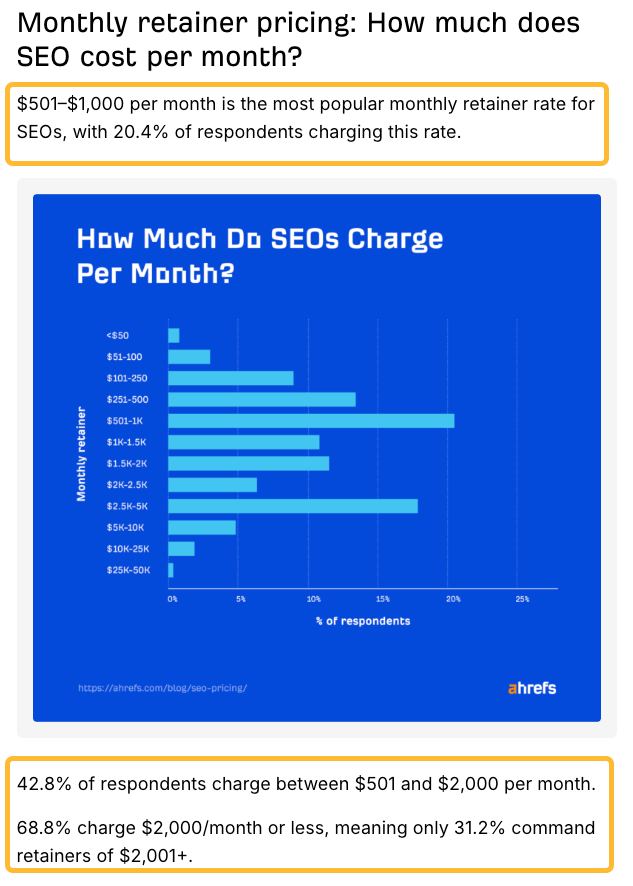
The "Bottom Line Up Front" (BLUF) principle is key: stating the main answer, conclusion, or key finding in the initial sentences of a section, followed by supporting details. Clear headings and the conversion of buried information into direct, standalone statements are also vital. Research suggests that placement matters, with citations often originating from the initial portions of a page. Specificity is also paramount, incorporating names, dates, numbers, products, and sources rather than relying on vague descriptions. Studies indicate that cited passages tend to contain more named entities and use definitive language.
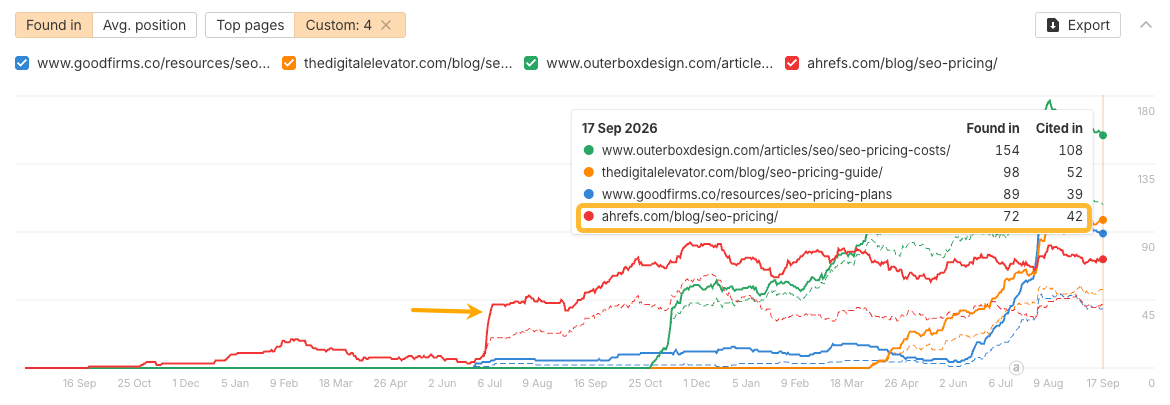
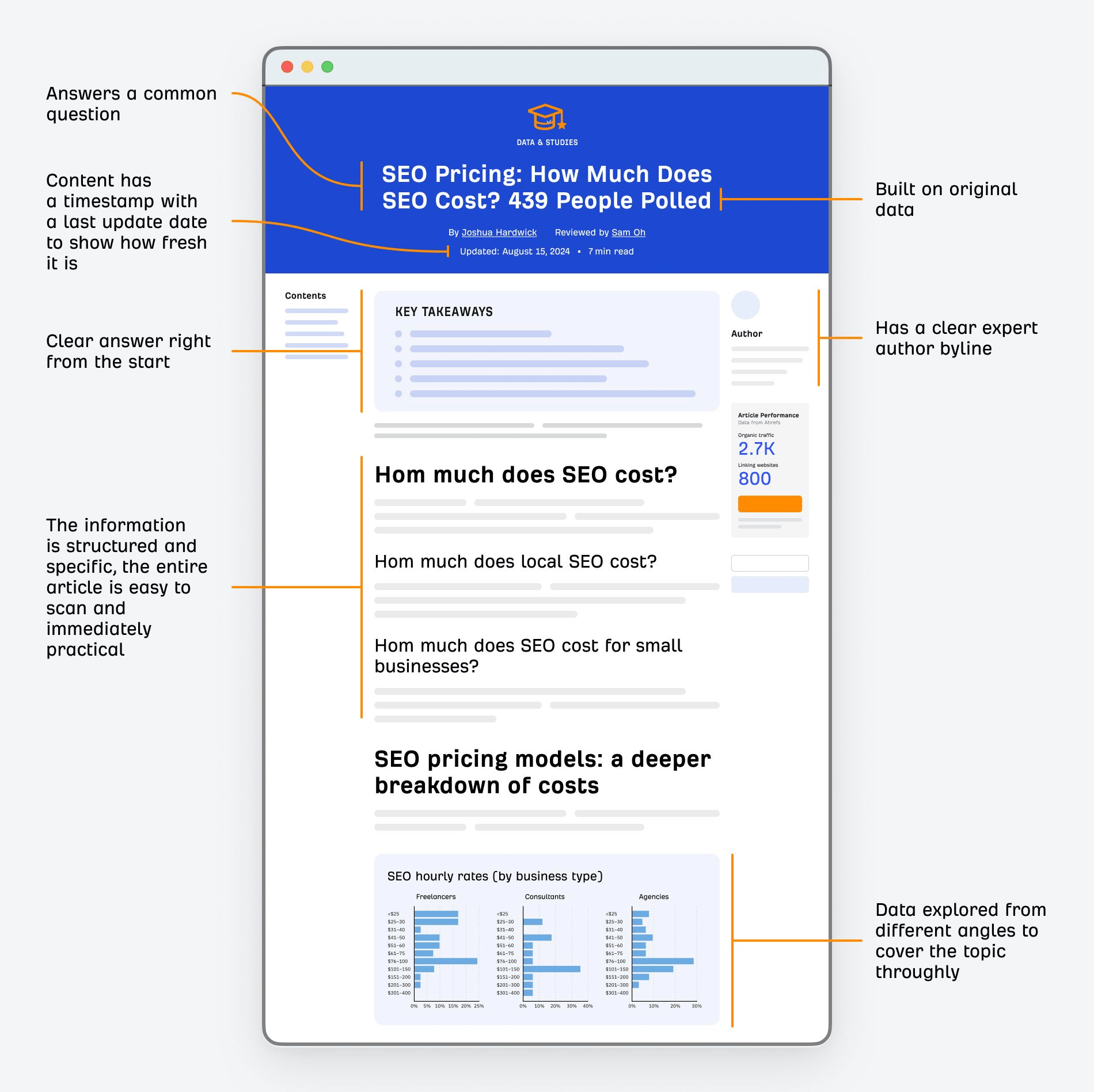
Structuring content with tables, definitions, examples, summaries, and FAQs can enhance clarity and provide AI systems with more self-contained passages. For example, Ahrefs’ research on SEO pricing demonstrates how clear answers, self-contained sections, and multi-angled explanations contribute to high citation rates.
Furthermore, AI systems primarily rely on visible HTML for information extraction, often ignoring structured data like JSON-LD or hidden Microdata. Therefore, important information, such as pricing or product features, should always be present as visible text on the page, even if also included in structured data or images.
AI agents can help make facts more extractable by identifying passages that lack context and suggesting self-contained replacements. They can also flag buried answers, vague claims, and weak headings. By combining content relevance audits with extractability checks, AI agents can even suggest and apply edits directly to documents.
4. Keeping Facts Fresh and Consistent
Outdated or contradictory information can lead to inaccurate AI answers, particularly for dynamic data like pricing, product features, and setup instructions. Microsoft highlights the importance of freshness, provenance, factual fidelity, and contradiction handling for AI-supported answers. Discrepancies within a publisher’s own content can lead AI systems to distrust information or rely on external sources.
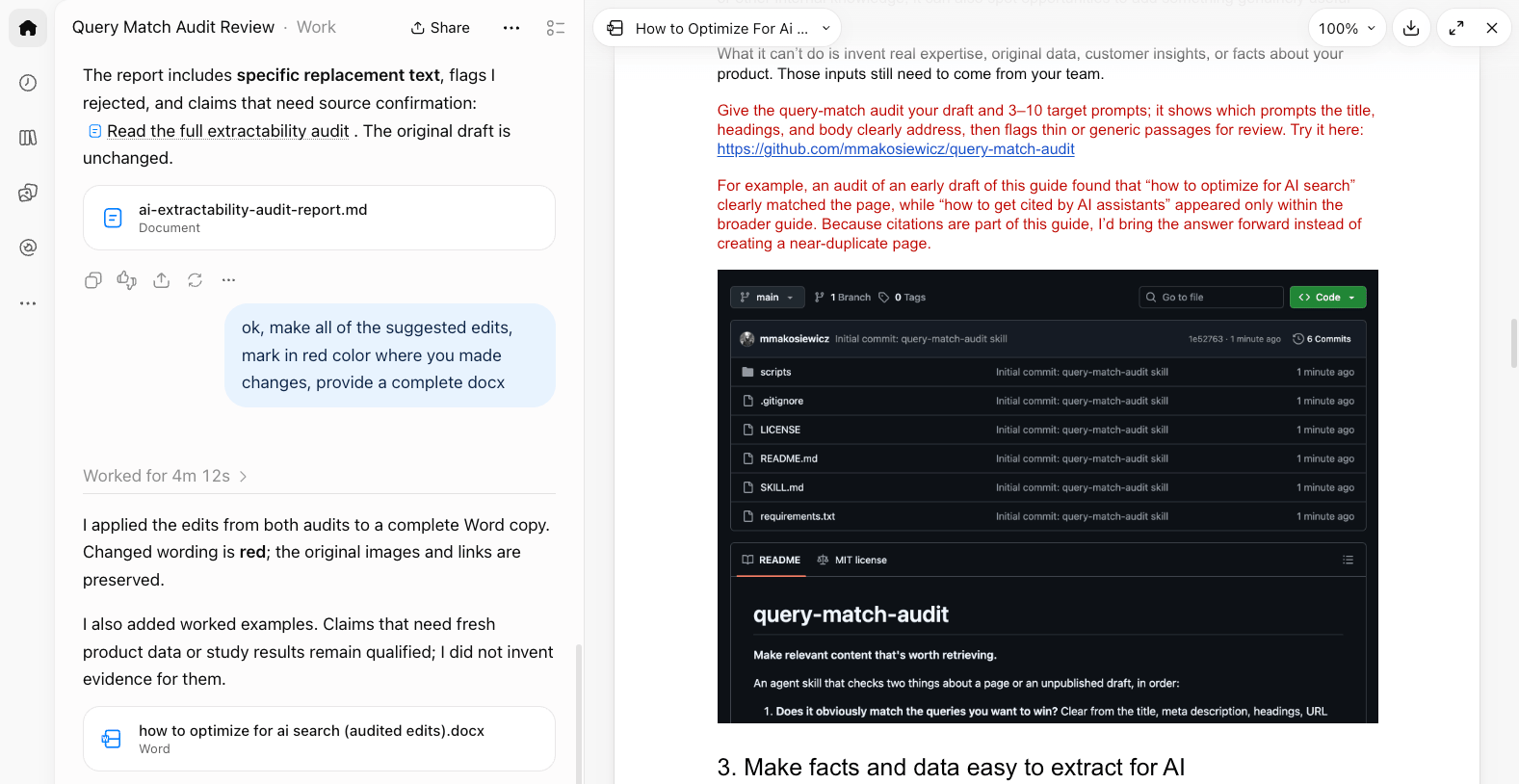
Research indicates that AI assistants frequently cite fresh or recently updated content. Studies on "best X" lists show a high percentage of cited articles updated within the same year, and AI assistants tend to cite content that is significantly fresher than that found in traditional organic search results.

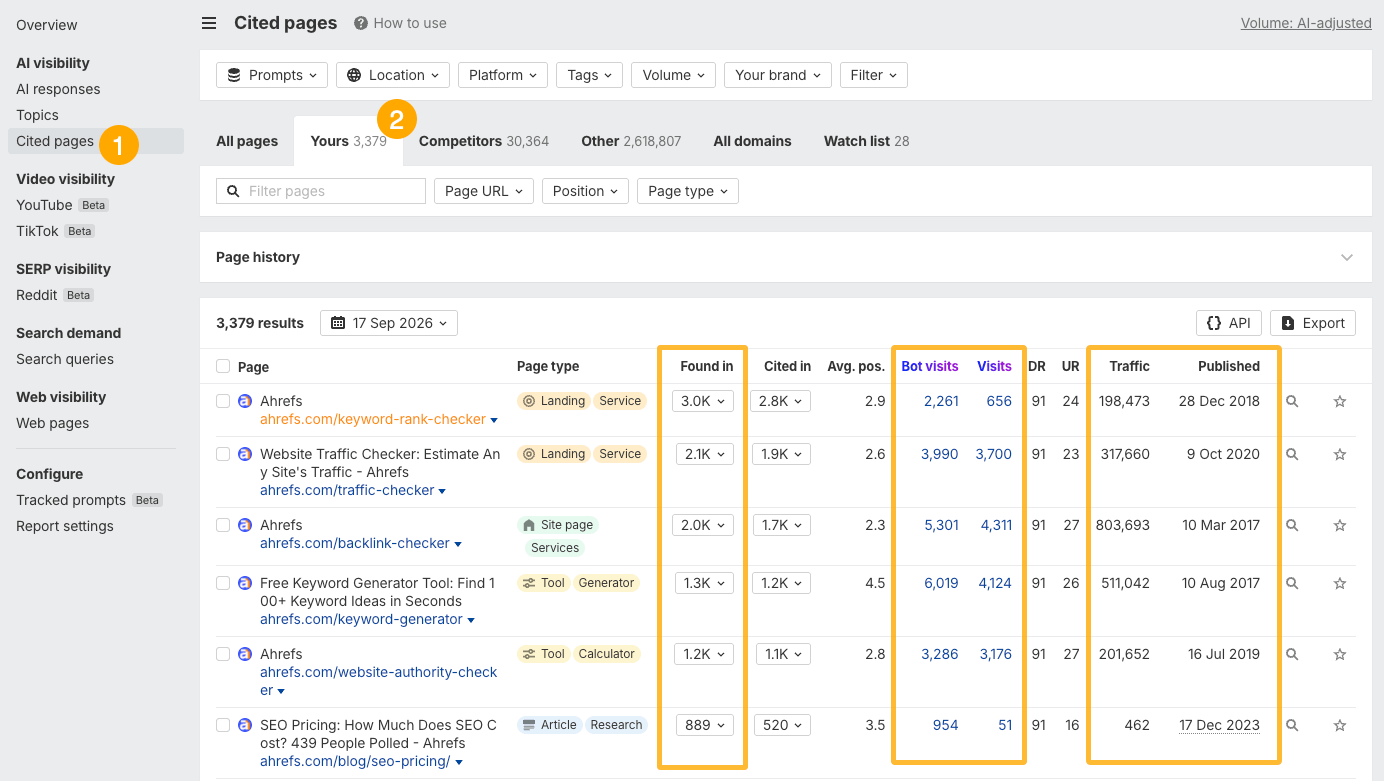
Tools like Ahrefs’ Brand Radar can identify cited pages with outdated information, allowing for prioritization of updates based on citation volume, traffic, and bot requests. AI agents can assist in this by checking facts and brand consistency before publication and monitoring citation freshness and accuracy over time. For citation freshness, AI agents can analyze exported reports or use API data to identify pages that haven’t been updated recently and are still receiving citations. They can also be tasked with identifying the canonical update date from page markup.
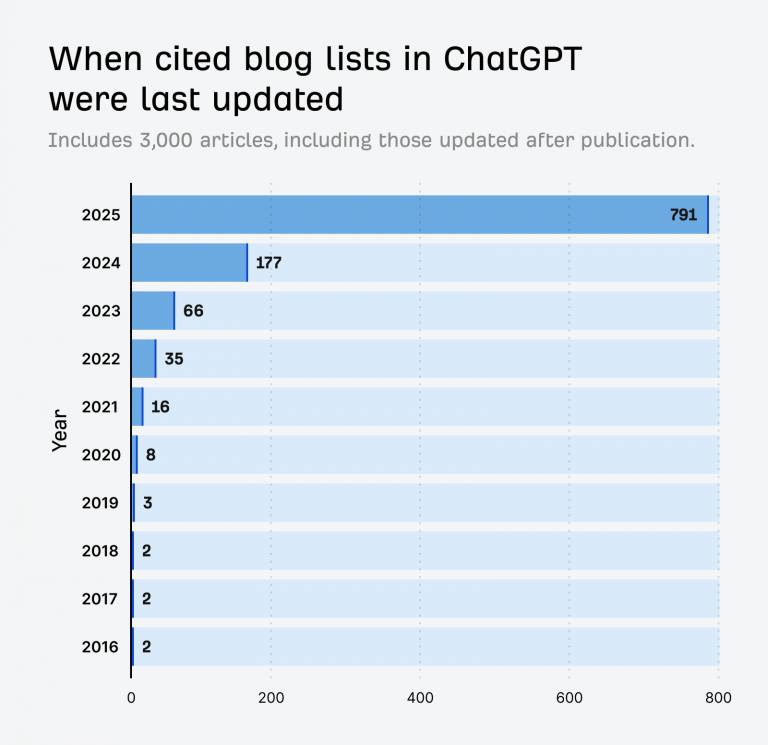
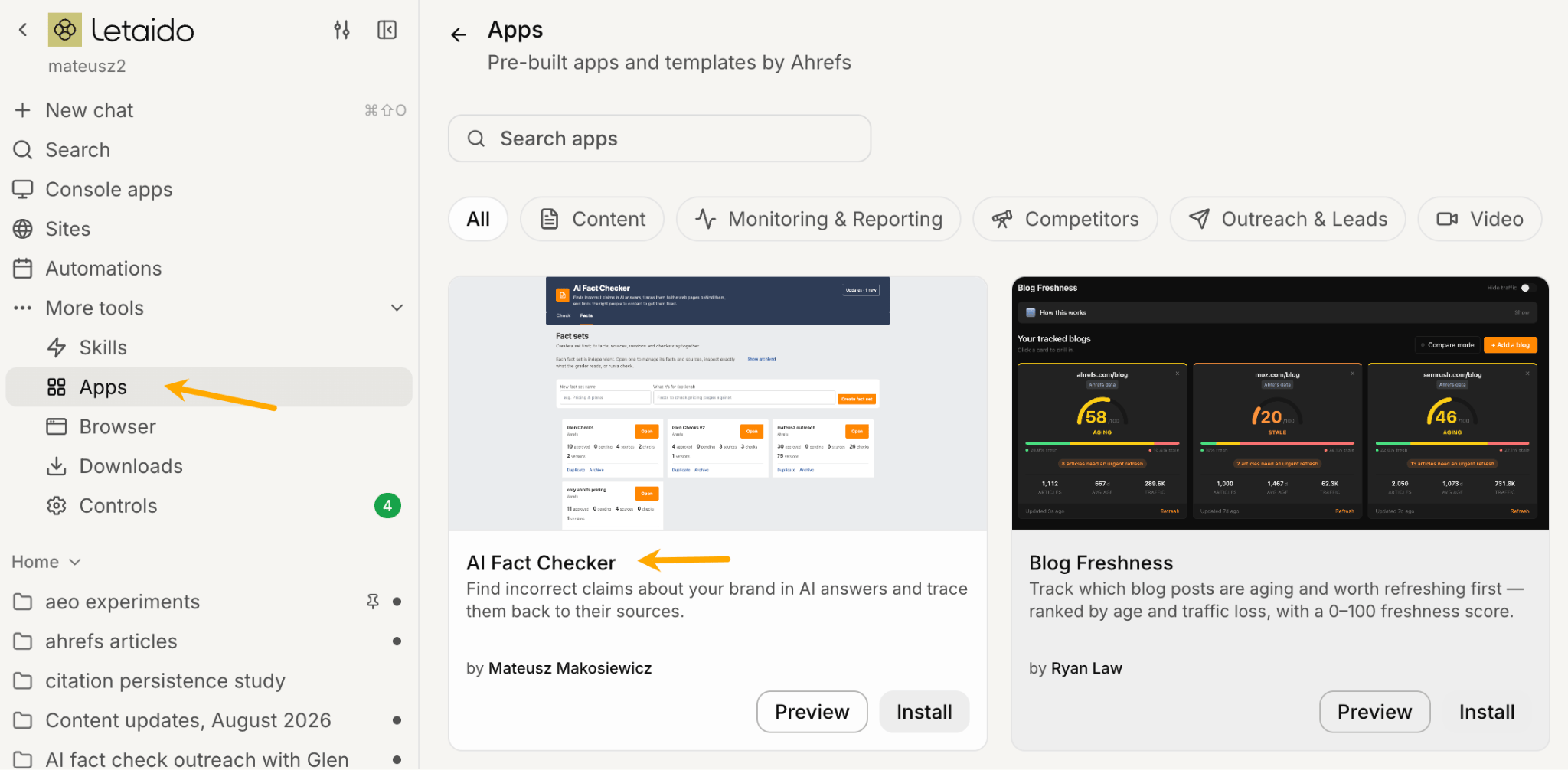
For factual fidelity, creating a "source of truth" file is essential. This file should contain key facts about products or services in plain, specific language. AI agents can then be used to fact-check drafts against this sheet or to audit already published pages cited in AI answers, providing corrections and annotating their performance metrics.
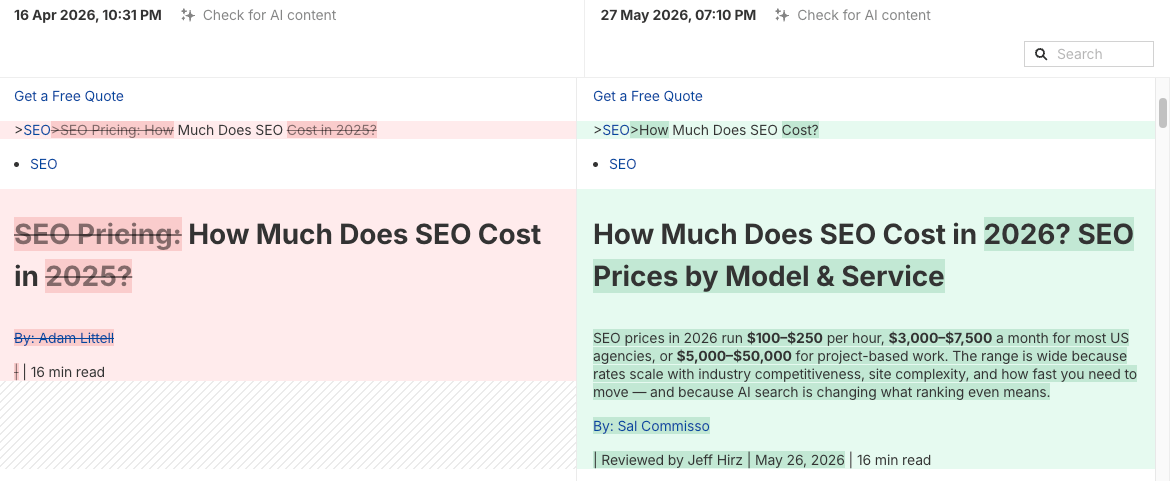
5. Monitoring AI Search Performance
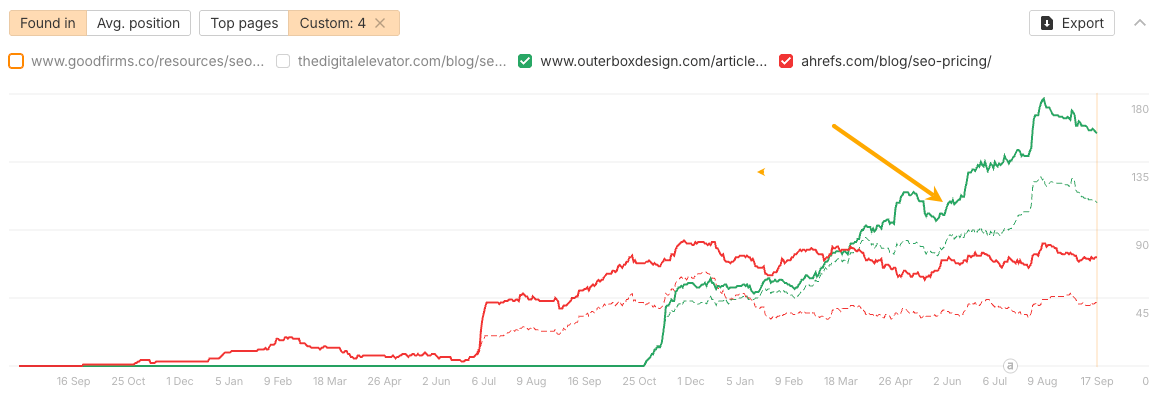
Monitoring AI citations is becoming increasingly straightforward, with most AI visibility tools offering relevant features. Tools like Brand Radar provide reports on cited pages, including metrics, historical graphs, and filtering options. This allows for tracking the number of citations, AI platforms citing the content, and the recency of those citations. The AI responses report can also highlight instances where competitors are cited but the brand is not, identifying content gaps.
AI agents can significantly enhance citation performance analysis by summarizing key patterns, insights, and changes over time. They can generate regular digests of performance data, delivered via email or messaging apps. For instance, an AI agent can analyze citation performance over specific periods, highlighting gains, losses, and unusual trends. Agents can also calculate and visualize data not explicitly provided by tools, such as citation stability tracking for key pages, which helps identify if crucial pages are disappearing as sources in AI responses. For monitoring third-party citations, tools like Firehose can provide near real-time updates, enabling content creators to adapt quickly.
In conclusion, optimizing for AI search largely involves refining existing SEO best practices. The core principles of creating accessible, valuable, factually sound, and up-to-date content remain paramount. The advent of AI agents offers a powerful means to scale these efforts, automating tasks such as audits, analysis, and data processing, thereby freeing up human creators to focus on originality, expertise, and strategic content development. The focus remains on creating useful content for people, while leveraging AI to ensure its value is easily recognized by AI systems.