11

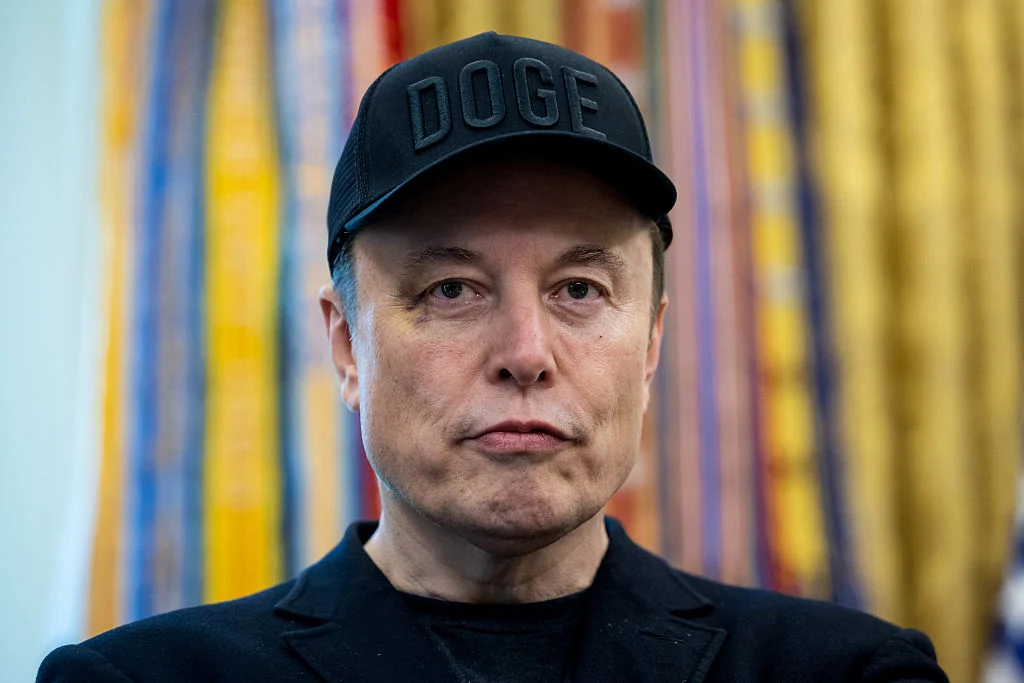
In a notable development regarding content distribution and advertising policies on major digital platforms, two prominent social media companies have confirmed they will now accept advertisements for director Alex Gibney’s highly anticipated documentary about Elon Musk. This decision follows earlier reports indicating that a number of leading social media platforms had initially rejected promotional ads for the film, sparking concerns about content moderation and censorship in the digital sphere.
The controversy first came to light on Friday when The Hollywood Reporter published an extensive story detailing how four significant platforms – TikTok, Meta (the parent company of Facebook and Instagram), YouTube, and X (formerly Twitter) – had all refused to run paid advertisements promoting the trailer for the documentary, simply titled “Musk.” This widespread rejection across diverse platforms raised questions about the criteria used for ad approval, particularly for a critically acclaimed documentary.
However, the situation began to shift over the weekend. When TechCrunch reached out to Meta for clarification on Saturday, a spokesperson for the social media giant issued a statement acknowledging an error in their initial assessment. "This was an error and the ads are being restored," the Meta spokesperson confirmed, indicating a reversal of their previous decision. TechCrunch has since sought more detailed information from Meta regarding the nature of this "error" and the process by which the ads are being reinstated, with updates to be provided as more details emerge.
Similarly, YouTube, Google’s ubiquitous video-sharing platform, also addressed the issue on Saturday. In an update posted via its official channels, YouTube clarified that the trailer for "Musk" had, in fact, "always been available on YouTube." This distinction is crucial, as the trailer’s presence on the platform as organic content was separate from its submission as a paid advertisement. The company further elaborated, stating, "When submitted as an ad, it was temporarily restricted by our system. Following review the ad has been cleared to run." This suggests that YouTube’s automated systems initially flagged the content, but a subsequent human review rectified the restriction, allowing the promotional material to proceed as an advertisement. The ability to embed the trailer, as seen at the conclusion of this article, underscores its continuous availability as regular content.
The rejection from X, the social media platform owned by Elon Musk himself, presented a unique and perhaps less surprising scenario. Given Musk’s direct ownership and his public pronouncements regarding the film and its director, X’s refusal to run ads promoting a documentary critical of its owner appeared to be a direct consequence of personal animosity. Musk recently took to his own platform to post a scathing critique of Gibney, asserting, "Dogshit is worth more respect than Gibney." This highly personal attack left little doubt about the underlying reasons for X’s stance, distinguishing its rejection from those attributed to automated systems or policy interpretations on other platforms.
For Meta, TikTok, and YouTube, the reported rationale behind the initial rejections was the classification of the documentary trailer as "political content." Social media platforms typically maintain various restrictions on political advertising, often citing concerns about misinformation, foreign interference, and maintaining a neutral environment during election cycles. For instance, Meta announced last year its intention to cease accepting political advertisements in the European Union from October, signaling a stricter approach to such content. TikTok, known for its global reach and younger demographic, maintains an even more stringent policy, stating unequivocally that "it doesn’t run them at all." The application of such policies to a documentary trailer, which aims to inform and critically examine a public figure rather than endorse a political candidate or party, raised significant questions. The film’s U.S. distributor, Bleecker Street, voiced its confusion over how a documentary trailer could be construed as campaign advertising and had confirmed to The Hollywood Reporter that it had formally appealed these rejections.
The documentary, "Musk," is the latest work from Alex Gibney, an Academy Award-winning director renowned for his incisive and often controversial examinations of powerful institutions and figures. Gibney’s distinguished filmography includes acclaimed documentaries such as "Going Clear: Scientology and the Prison of Belief," which offered a critical look at the Church of Scientology, and "The Inventor: Out for Blood in Silicon Valley," chronicling the rise and fall of Elizabeth Holmes and Theranos. He also directed a notable film about Apple co-founder Steve Jobs. His latest endeavor, "Musk," premiered earlier this month at the prestigious Venice International Film Festival, where it garnered almost universally positive reviews from critics. The film currently boasts a rare 100% "fresh" rating on Rotten Tomatoes, a testament to its critical reception, and is slated for theatrical release in the United States on October 9.
Bilge Ebiri, a film critic for Vulture, offered a detailed review of the nearly four-hour documentary, describing it as a profoundly "revealing" exploration of Elon Musk’s multifaceted career in technology, his often-discussed alliance with former President Donald Trump, and intimate aspects of his personal life. The film features interviews with key figures from Musk’s life, including his ex-wife Justine Musk and former right-wing influencer Ashley St. Clair, who recently had a child with Musk but has since publicly referred to him as "a nuke." Ebiri’s review highlighted the film’s depth and impact, writing that while it serves as a "fascinating" character study, it is also "revealing" as a tale of modern business practices and, more starkly, "terrifying" as a warning about the future trajectory of society influenced by such figures.
Beyond the domestic advertising hurdles, the documentary has also faced challenges on the international distribution front. Despite the initial wave of critical acclaim and positive reception, The Hollywood Reporter previously reported that Universal Pictures, a major international distributor, was reportedly wavering in its commitment to distribute the film internationally. The reported reason for this hesitation was the studio’s concern about potentially "angering the Trump administration," a significant political consideration that underscores the sensitive nature of the documentary’s subject matter. Universal Pictures has since issued a clarifying statement, indicating that it "will release the documentary in theaters" but is still in the process of "figuring out its release strategy" for international markets, suggesting that while the commitment to release exists, the path forward remains complex and under review.
TechCrunch has actively sought comments from TikTok, X, and Bleecker Street to gain further insights into their respective positions and actions regarding the advertising rejections and subsequent developments. This report has been updated to incorporate YouTube’s official statement confirming that the ad for "Musk" has been cleared to run on its platform.
When you purchase through links in our articles, we may earn a small commission. This doesn’t affect our editorial independence.
Anthony Ha is TechCrunch’s weekend editor. Previously, he worked as a tech reporter at Adweek, a senior editor at VentureBeat, a local government reporter at the Hollister Free Lance, and vice president of content at a VC firm. He lives in New York City.
You can contact or verify outreach from Anthony by emailing [email protected].