 11

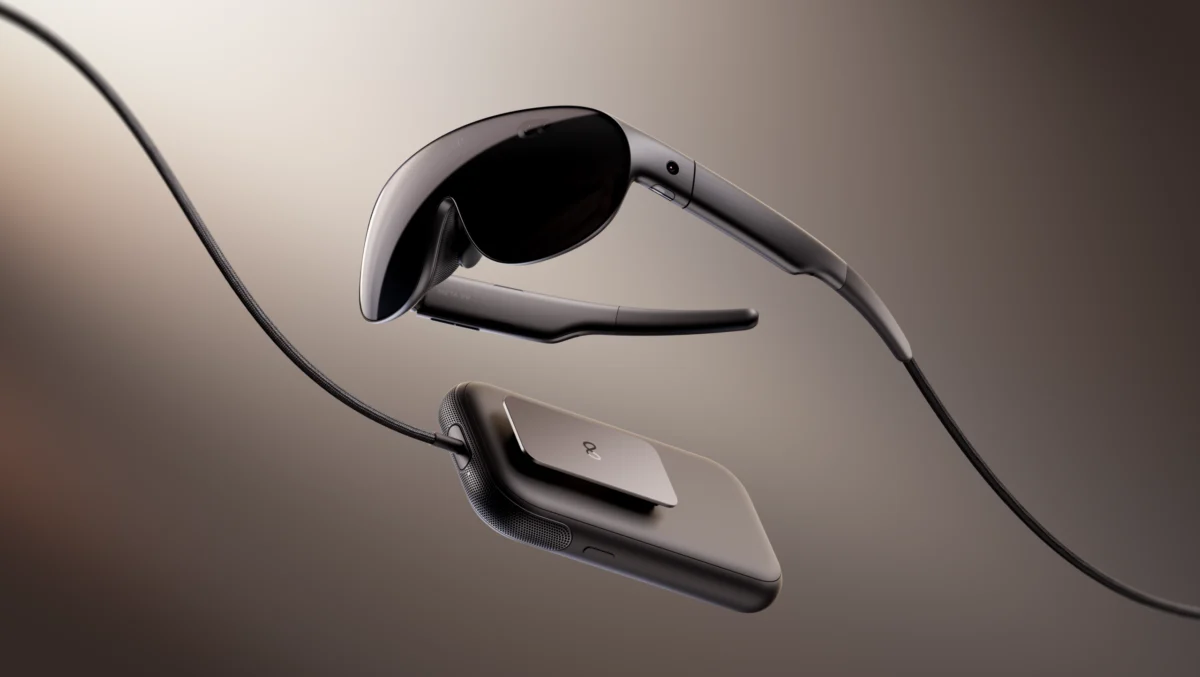
Meta Platforms, Inc. is vigorously re-energizing its commitment to the virtual reality (VR) landscape with the official announcement of its latest hardware innovation, the Meta VR Glasses. Unveiled during the company’s annual Connect conference, this new device represents a significant stride in Meta’s ambition to popularize virtual reality, distinguishing itself with a substantially lighter form factor, advanced entertainment integrations, and a groundbreaking partnership promising IMAX compatibility. The introduction of these glasses marks a pivotal moment, signaling Meta’s continued investment in making VR an accessible and compelling technology for a broader consumer base.
A cornerstone of the Meta VR Glasses’ appeal is their revolutionary design, which dramatically departs from the bulky headsets that have characterized previous generations of VR technology, including Meta’s own Quest line. The company touts that these new glasses are an astounding five times lighter than the Meta Quest 3, a feat of engineering that allows them to resemble conventional eyewear far more closely than their predecessors. This shift in form factor is not merely aesthetic; it addresses one of the primary barriers to VR adoption: comfort and social acceptance. Crafted from a lightweight yet durable magnesium alloy, the glasses are designed for extended wear without the discomfort associated with heavier head-mounted displays.
Powering this compact marvel is Qualcomm’s cutting-edge Snapdragon Reality Elite processor, a chip specifically engineered to deliver high-performance extended reality (XR) experiences with exceptional power efficiency. This specialized processor is crucial for rendering the high-fidelity visuals and complex interactive environments that Meta promises. To further optimize weight distribution and battery life, the Meta VR Glasses adopt an innovative design where the primary computing unit and battery are housed in a separate, external "computing puck." This puck, presumably small enough to slip into a user’s pocket, connects wirelessly or via a thin cable to the glasses, allowing for true portability and untethered use on the go. This separation of components ensures that the weight directly on the user’s head is minimized, enhancing comfort for prolonged entertainment or productivity sessions.
The Meta VR Glasses are primarily engineered with an entertainment-first approach, aiming to redefine how users consume digital content. Central to this experience are the integrated micro-OLED panels embedded within the lenses. These advanced displays deliver a stunning "5K Infinite Display," a designation that implies a vast, immersive visual field with incredibly sharp detail. With a pixel density of 37 pixels per degree, the glasses aim to significantly reduce the "screen door effect" often associated with VR, where the individual pixels become discernible. This high pixel density contributes to a more natural and visually continuous viewing experience, making virtual content appear more lifelike. Furthermore, the inclusion of Dolby Vision ensures vibrant colors, incredible contrast, and brighter highlights, bringing cinematic quality to personal viewing. Complementing the visual fidelity is support for Dolby Atmos audio, providing a rich, multi-dimensional soundscape that envelops the user, enhancing immersion whether watching movies, playing games, or engaging with other digital content. Users will have the capability to download and store movies directly on the device, facilitating offline viewing and convenience.
Perhaps one of the most distinctive and highly anticipated features of the Meta VR Glasses is their unique integration with IMAX. Meta is positioning these glasses as a superior platform for enjoying IMAX-captured films, making a bold claim as the "first IMAX Enhanced certified VR device ever." This certification is not merely a branding exercise; it signifies that the glasses are capable of delivering a viewing experience that adheres to IMAX’s stringent standards for picture and sound quality. Specifically, Meta highlights that its glasses will be one of the few ways users can experience the expanded aspect ratio that defines the distinct, high-resolution viewing experience of IMAX films. This means viewers will see more of the original film frame, rather than a cropped version, offering a more expansive and faithful rendition of the director’s vision. This partnership could fundamentally alter the perception of home cinematic experiences, bringing the grandeur of an IMAX theater into a personal, portable device.
Beyond traditional film viewing, the Meta VR Glasses are designed to support a wide array of immersive experiences, including 3D content. A significant collaboration has been announced with Disney, promising an exciting new dimension to content consumption. Starting in November, subscribers to Disney+ will gain the ability to stream specific movies in 3D, including select titles from the immensely popular Marvel Cinematic Universe. This partnership extends the immersive capabilities even further by allowing movies to integrate a user’s physical surroundings into their viewing experience. Meta describes this as an evolution where users can watch specific films and have their real-world environment "transformed with immersive environments, dynamic effects, stunning 3D visuals, and spatial audio." This concept effectively blurs the lines between passive movie-watching and interactive virtual reality, turning a film into a dynamic, VR gaming-type experience where the narrative unfolds within or around the user’s personal space. Imagine watching a superhero film as your living room subtly transforms into a bustling cityscape or an alien planet, complete with spatial audio cues that make the action feel incredibly present.
The Meta VR Glasses will also come equipped with Meta AI, the company’s automated virtual assistant, built directly into the device. This integration means users can interact with their glasses through natural language voice commands, enabling hands-free control over various functions. For instance, users will be able to initiate movie playback simply by asking their glasses to do so, eliminating the need for physical controllers or navigating menus. Beyond voice commands, the glasses will also support intuitive hand gestures for interaction, offering multiple modalities for controlling the device and its applications. This blend of voice and gesture control aims to create a seamless and highly intuitive user experience, further enhancing the feeling of technology disappearing into the background, leaving the user immersed in their content or tasks. The Meta AI promises to streamline daily interactions and provide quick access to information and entertainment, much like smart assistants in other devices, but tailored for a highly visual and immersive environment.
Regarding market availability and pricing, Meta has announced that the Meta VR Glasses are slated for release next spring. The starting price point for this advanced device will be $1299.99. This premium price positions the Meta VR Glasses in the higher end of the consumer VR market, signaling Meta’s strategy to target early adopters, technology enthusiasts, and users seeking a premium, uncompromised immersive entertainment experience. The spring launch aims to capitalize on consumer interest in new technology, setting the stage for Meta to compete in an evolving XR landscape. This pricing strategy reflects the advanced hardware, sophisticated display technology, and groundbreaking content integrations packed into the device, underscoring Meta’s commitment to delivering a truly next-generation VR experience.






