11

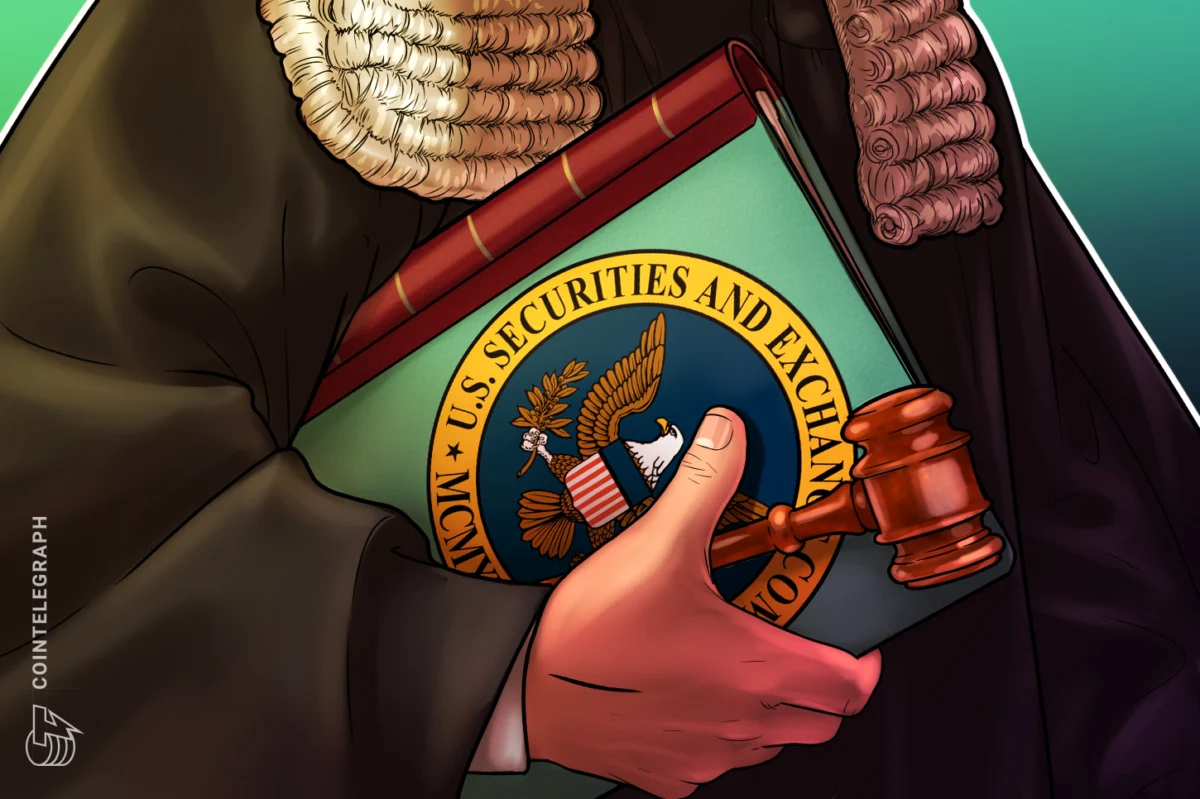
Mark Uyeda, who held the position of acting chair of the U.S. Securities and Exchange Commission (SEC) prior to the confirmation of Paul Atkins, has provided significant insight into the agency’s decision to drop several civil enforcement actions against cryptocurrency companies. Speaking at a panel during the Psaros Center for Financial Markets and Policy’s Financial Markets Quality Conference on Wednesday, Uyeda explained that these cases were dismissed because the SEC was preparing for a fundamental "180-degree change" in its rulemaking approach concerning digital assets.
Uyeda elaborated that the decision to drop these cases, which occurred in early 2025, was a strategic move to avoid undermining the agency’s credibility in potential future court battles. He argued that continuing to litigate under existing interpretations of securities law, while simultaneously preparing to implement new, potentially divergent policies, would create an untenable contradiction. "I’m not about to have our litigators, even though they’re having cases that were authorized under the prior administration, stand up in court and have a commission interpretation be issued that is a 180-degree change from what they’d been arguing for that court," Uyeda stated. He emphasized that such a scenario would significantly damage the SEC’s standing and trustworthiness as a regulatory body.
Furthermore, Uyeda highlighted that there were "significant concerns" regarding the legal justification for some of the cases that had been filed against crypto companies. This suggests that the prior administration’s enforcement actions may have faced internal scrutiny regarding their legal basis, adding another layer of rationale for their subsequent dismissal.
The cases dropped under Uyeda’s acting chairmanship in early 2025 involved prominent cryptocurrency firms such as Kraken, Ripple Labs, and Coinbase. The timing of these dismissals, coupled with the industry’s perceived support for Donald Trump’s 2024 presidential campaign, led many critics to characterize the actions as politically motivated. During his campaign, Trump had publicly vowed to remove then-SEC Chair Gary Gensler, who oversaw the initiation of many of these enforcement actions, on his first day in office. Gensler subsequently resigned on the day of Trump’s inauguration, a transition that coincided with the period when Uyeda was acting SEC chair.
Mark Uyeda has been a commissioner at the SEC since 2022 and currently plays a key role in the agency’s leadership alongside Commissioner Paul Atkins and Commissioner Hester Peirce. The composition of the SEC’s leadership panel is set to change with the expected departure of Commissioner Peirce in November. This will leave the agency with only two of its five commissioners on its leadership panel. As of the time of this report, President Trump has not yet announced any nominations for potential replacements for the vacant positions, raising questions about the future direction and stability of the SEC’s leadership.
The shift in strategy revealed by Commissioner Uyeda suggests a deliberate effort to recalibrate the SEC’s regulatory framework for the digital asset space. By pausing or discontinuing enforcement actions that were based on interpretations of law that the agency intended to revise, the SEC aimed to create a clearer and more consistent path forward for rulemaking. This approach prioritizes the agency’s ability to articulate and defend its policy positions in a coherent manner, both in judicial proceedings and in its interactions with the industry.
The SEC’s previous approach, characterized by aggressive enforcement actions under Gensler, had drawn criticism from various stakeholders, including some in Congress and the crypto industry itself. Critics argued that the SEC’s reliance on existing securities laws, which were not originally designed for digital assets, led to an uncertain and challenging regulatory environment. The dismissal of these cases and the stated intention to pursue a new rulemaking direction indicate a potential move towards greater clarity and a more tailored regulatory framework for cryptocurrencies.
The implications of this strategic shift are significant for the cryptocurrency industry. A clear and well-defined regulatory path can foster innovation and investment by reducing uncertainty and legal risks. Conversely, a continued reliance on an enforcement-first approach without clear rulemaking can stifle growth and drive businesses to more favorable jurisdictions. The SEC’s current leadership, with Uyeda playing a prominent role, appears to be signaling a preference for the former.
The timing of these developments also coincides with broader discussions about the future of financial regulation in the digital age. As tokenized assets and other blockchain-based financial instruments continue to evolve, regulators worldwide are grappling with how to adapt existing frameworks or create new ones. The SEC’s internal reevaluation, as described by Commissioner Uyeda, reflects this ongoing global dialogue.
It is important to note that the SEC’s role extends beyond enforcement; it is also responsible for proposing and implementing rules that govern the securities markets. The agency’s ability to effectively do so is crucial for investor protection, market integrity, and fostering capital formation. The decision to pause certain enforcement actions to facilitate a more cohesive rulemaking process underscores the interconnectedness of these functions.
The coming months will likely reveal more about the SEC’s specific plans for new rulemaking in the digital asset space. The agency’s ability to navigate the complexities of this rapidly evolving sector, while balancing innovation with investor protection, will be closely watched by industry participants, policymakers, and the public. Commissioner Uyeda’s statements provide a valuable window into the internal considerations that are shaping the SEC’s current and future strategy.
Cointelegraph remains committed to independent, transparent journalism. This news article has been produced in accordance with Cointelegraph’s Editorial Policy, aiming to provide accurate and timely information. Readers are encouraged to verify information independently.