 11

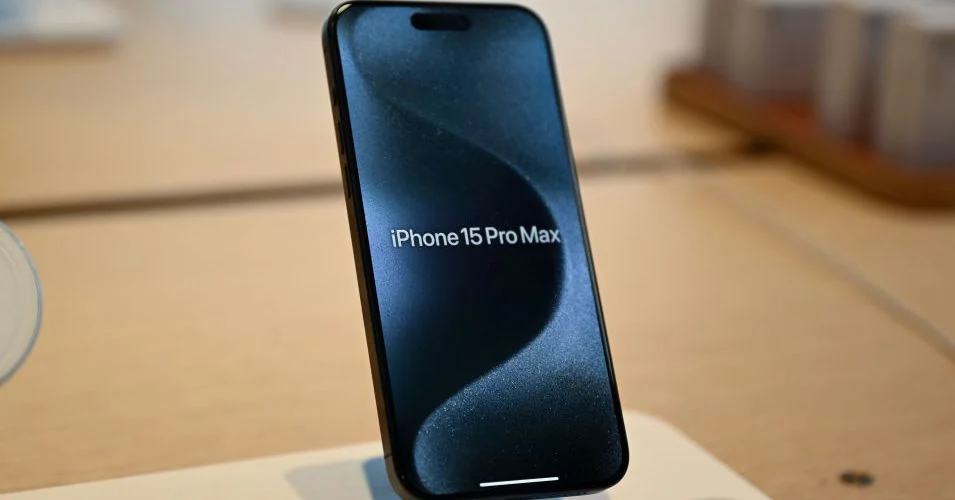
Apple has agreed to a significant payout of $250 million in May as part of a class action lawsuit, addressing claims that the technology giant overhyped its advanced artificial intelligence features, specifically the much-anticipated and long-delayed overhaul of its virtual assistant, Siri AI. This settlement provides an avenue for eligible customers to claim compensation, reflecting the gap between initial product promises and the delivered user experience regarding Apple Intelligence tools.
The core of the lawsuit revolved around allegations that Apple’s marketing and promotional efforts for its iPhones created an expectation among consumers for certain advanced Siri AI capabilities that were not immediately available or fully realized at the time of purchase. While the revamped Siri AI voice assistant has since become available to owners of newer iPhone models through the release of iOS 27, the settlement acknowledges that many customers made their purchases under different expectations. The availability of these features now does not negate the past discrepancy that led to the class action.
This quarter-billion-dollar agreement is set to benefit a specific group of US customers. Eligibility criteria stipulate that individuals must have made their iPhone purchases from Apple directly between June 10, 2024, and March 29, 2025. Furthermore, the claim is applicable to those who bought certain iPhone 15 or iPhone 16 models during this defined period. Qualifying customers could receive a payment of up to $95 for each eligible phone, underscoring the potential financial impact on a wide range of consumers. The specific models covered are crucial, as they represent the flagship devices during the timeframe when the alleged overhyping of AI capabilities was most pertinent to new purchases.
At the heart of the class action lawsuit and the subsequent settlement is Apple’s promotion of Siri features as a key selling point for its premium iPhones. The sentiment driving the claims is succinctly captured in a statement required for claimants: “I expected to receive a Siri Apple Intelligence feature and did not receive it.” This statement encapsulates the perceived failure of Apple to deliver on the promises or implied capabilities of its AI-powered features, particularly concerning the intelligence and responsiveness of Siri. Consumers who invested in these high-end devices, often swayed by the allure of cutting-edge AI, found themselves with a user experience that did not align with the advertised potential. The "long-delayed" aspect of the Siri AI overhaul further fueled these frustrations, as users anticipated a significant leap in functionality that was slow to materialize.
Despite agreeing to the substantial settlement, Apple maintains its stance of denying any wrongdoing. This is a common practice in class action settlements, where companies choose to resolve disputes to avoid the prolonged costs and uncertainties of litigation, without formally admitting fault. In a statement released in May regarding the settlement, Apple indicated its motivation: “We resolved this matter to stay focused on doing what we do best, delivering the most innovative products and services to our users.” This suggests a strategic decision to move past the legal entanglement and redirect resources and attention towards future product development and innovation, rather than engaging in a protracted legal battle over past marketing claims.
For eligible customers looking to claim their share of the settlement, the process has been streamlined through a dedicated online portal. The official website for filing claims is smartphoneaisettlement.com. Upon visiting the site, users should locate and click the prominently displayed blue button in the top-right corner of the page, clearly labeled "File A Claim."
The initial steps of the claim process will prompt users to inquire whether they possess a specific Claim ID and PIN. It is important for potential claimants to note that having this information on hand is not a mandatory prerequisite for filing. The system is designed to accommodate individuals who may not have received such identifiers directly. For those without a Claim ID and PIN, alternative verification methods are available. As users navigate through the online form, they will eventually reach the final page where crucial identifying information is required to successfully submit a claim. This includes either the iPhone’s unique serial number or the claimant’s Apple Account ID. This information is vital for the settlement administrator to verify the eligibility of the device and the associated purchase.
Locating your iPhone’s serial number is a straightforward process, accessible directly from the device’s settings. To find this essential piece of information, users should open the "Settings" app on their iPhone. From there, tap on "General," and then select "About." The serial number will be displayed as a distinct string of letters and numbers, typically located near the top of the screen within this section. This alphanumeric code serves as a unique identifier for each individual iPhone, allowing the settlement administrators to cross-reference purchase records and confirm eligibility accurately. Ensuring the correct serial number is entered is paramount for a successful claim.
The settlement offers flexibility in how claimants can receive their compensation. Individuals have the option to choose from several convenient payment methods, including direct transfers to a PayPal account, payments via Venmo, an electronic bank transfer directly to a designated bank account, or the traditional method of a paper check mailed to their address. This range of options aims to accommodate diverse preferences and ensure accessibility for all eligible claimants.
For iPhone owners who possess multiple eligible devices within the specified purchase window and model range, it is important to understand the protocol for claiming compensation for each. The process requires that a separate claim form be filled out for every eligible device. This means that if a customer purchased, for instance, two iPhone 15 models during the qualifying period, they would need to complete and submit two distinct claim forms, each linked to the serial number or Apple Account ID associated with that particular device. This ensures that each claim is properly processed and verified against the specific purchase and device information.
The window for submitting these claims is not indefinite. iPhone owners who believe they are eligible for compensation must act promptly, as the final deadline to make their claims is December 21. Missing this date will result in forfeiture of the right to receive any payment from the settlement fund. This firm deadline underscores the importance for all potential claimants to gather their necessary information, visit the dedicated website, and complete the filing process well in advance to avoid any last-minute issues. The settlement represents a significant moment for consumer rights in the technology sector, highlighting the responsibilities of companies to align marketing claims with actual product capabilities, particularly in the rapidly evolving landscape of artificial intelligence.






