 11

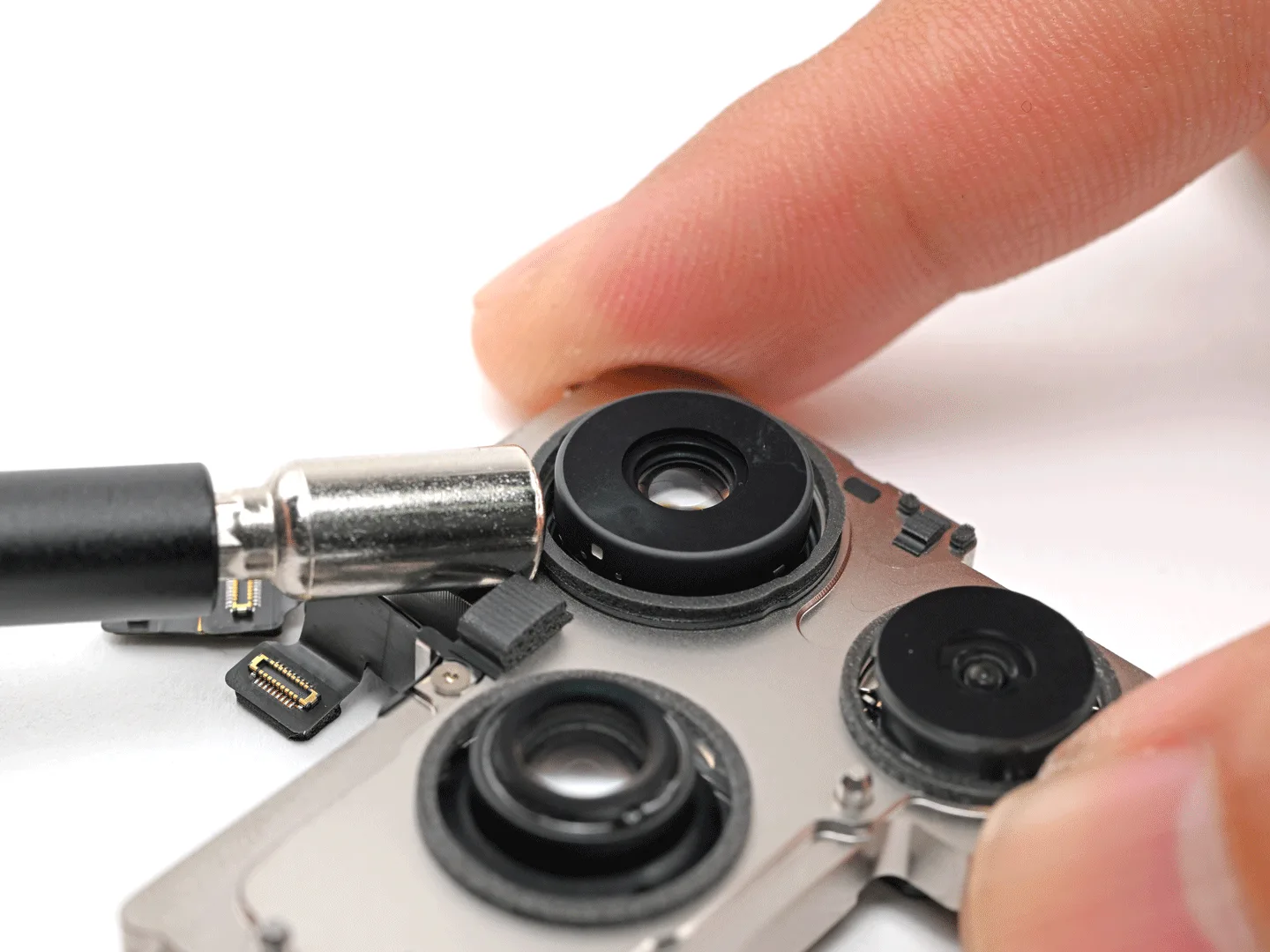
iFixit, the renowned organization known for its meticulous teardowns of virtually every new product and device, has fully disassembled a brand new iPhone 18 Pro. This customary procedure aims to provide an intricate understanding of how all the device’s components fit together and, crucially, to identify avenues for repair should anything break. The findings, detailed in an extensive online post and a dedicated teardown video, offer invaluable insights for both enthusiasts and professional repair technicians into the repairability of Apple’s latest flagship smartphone.
For years, iFixit has been a leading voice in the "Right to Repair" movement, advocating for consumers’ ability to fix their own devices and for manufacturers to provide essential tools, parts, and manuals. Their teardowns serve as a public service, demystifying complex gadgets, empowering users, and holding manufacturers accountable for design choices that impact product longevity and sustainability. By systematically disassembling devices, iFixit creates detailed guides and assigns a repairability score, offering a standardized metric for consumers to consider. This process involves skilled technicians carefully documenting each step, assessing the ease of accessing and replacing common failure points, and noting the types of fasteners and adhesives used. Their transparent approach aims to arm individuals with the knowledge to extend the lifespan of their electronics, reducing electronic waste and promoting a more sustainable tech ecosystem.
Following its thorough examination, iFixit assigned the iPhone 18 Pro a repairability score of 7 out of 10. This rating mirrors the score given to its predecessor, the iPhone 17 Pro, in 2025, positioning the device as moderately repairable. A score of 7 indicates that while certain repairs are relatively straightforward, others remain challenging, preventing it from achieving a higher rating reserved for devices with truly user-friendly repair processes. On the positive side, iFixit highlighted the "easy-to-remove camera and battery assemblies" as significant improvements. This suggests Apple has adopted design choices, such as using screws instead of excessive glue or employing more modular components, which simplify the replacement of these commonly failing parts. For instance, a battery secured by screws, rather than strong adhesive, dramatically reduces the risk of damage during replacement and shortens repair times. Similarly, a camera assembly that can be swapped out without extensive desoldering or intricate ribbon cable management is a boon for technicians. However, this commendable progress in certain areas does not, as iFixit cautions, imply that the overall iPhone repair process is simple or accessible to everyone without prior experience or specialized tools.
Despite these advancements in general modularity, the iPhone 18 Pro introduces a significant new feature that iFixit identifies as its potential "Achilles’ heel" for repairability: a variable aperture lens integrated into its main 48-megapixel camera. This marks a notable technological leap for iPhones, being the first time such a feature has been incorporated into Apple’s smartphone lineup, though similar technology has been seen in other smartphones, such as the Samsung Galaxy S9. The variable aperture system utilizes six incredibly delicate, rotating aperture blades, each reportedly the width of a human hair. These micro-precision blades allow the camera to dynamically adjust the amount of light entering the sensor, offering greater control over depth of field and exposure for both still photography and video recording. This innovation promises enhanced photographic versatility, enabling users to achieve more professional-looking images with adjustable bokeh and improved performance in varying lighting conditions.
However, this advanced optical engineering comes at a considerable cost to repairability. The very nature of moving parts, especially those crafted to such minute specifications, inherently increases the potential for mechanical failure. Dust ingress, minor impacts, or even manufacturing imperfections could compromise the delicate mechanism. iFixit explicitly stated that attempting to fix individual aperture blades would be an "almost-impossible task." The intricate design and microscopic scale mean that disassembling, diagnosing, and repairing the individual components of this variable aperture system would require specialized tools and expertise far beyond what most independent repair shops or even Apple’s own technicians typically possess for component-level camera repair. Consequently, if this sophisticated camera mechanism were to malfunction, the likely and more economical solution would be to replace the entire camera assembly. While the assembly itself proved easy enough to remove, this full-assembly replacement would undoubtedly be significantly pricier than if individual components were repairable, potentially leading to higher out-of-warranty repair costs for consumers.

Beyond the cutting-edge camera, other aspects of the iPhone 18 Pro’s design present a mixed bag for repair. Repairing the battery, a common requirement due to natural degradation over time, still initiates with a somewhat "stickier situation." Accessing the battery first necessitates carefully prying open the device’s glued-on screen. This initial step remains a critical hurdle, as the screen assembly is often fragile and can be easily damaged if not handled with precision and the correct tools to soften the adhesive without causing harm. Damage to the screen during this process can escalate the repair cost significantly. Once the screen is safely removed, however, the process improves considerably. iFixit noted that the battery itself is not glued down, but rather secured by screws. This design choice is a welcome departure from previous generations or other devices where batteries were heavily adhered, making removal risky and tedious. The use of screws simplifies the extraction process, reducing the likelihood of puncturing the battery or damaging surrounding components, and thereby contributing positively to the overall 7/10 repairability score. This balance of initial difficulty followed by relative ease highlights the ongoing design compromises Apple navigates between sleek aesthetics, water resistance, and repair access.
The iPhone 18 Pro’s repairability score and specific design choices must be understood within the broader context of Apple’s historically "long, contentious relationship" with repair advocates and the burgeoning Right to Repair movement. For many years, Apple was a primary target for critics due to its proprietary components, software locks that "paired" parts to specific devices, and a general reluctance to provide independent repair shops and consumers with official tools, parts, and manuals. This stance, often justified by Apple on grounds of maintaining product quality, security, and user safety, effectively created a closed repair ecosystem, funneling repairs through authorized service providers or leading to expensive replacements.
Growing legislative pressure, particularly from the European Union, has played a pivotal role in shifting Apple’s approach. European directives aimed at making products "easier to fix" have pushed manufacturers like Apple to reconsider their design philosophies. These regulations often mandate improved access to repair information, spare parts, and design for disassembly, with some even targeting specific components like batteries to be user-replaceable. Such legislative efforts, alongside pressure from US state lawmakers, have compelled Apple to introduce changes. In a notable shift, Apple launched its Self-Service Repair program in 2021. However, this program initially faced a "bumpy start," as iFixit and other reviewers pointed out. Early criticisms included the high cost of rental toolkits, the sheer weight and logistical complexity of the kits, and the continued implementation of "parts pairing" – where even genuine Apple parts would trigger warnings or lose functionality if not authenticated by Apple’s software, essentially requiring a final "calibration" step only Apple could authorize. This effectively undermined the spirit of self-repair.
Under sustained scrutiny and advocacy, Apple has incrementally made it "slightly easier to repair" its phones. This has included expanding the range of available parts, potentially streamlining the ordering process, and introducing a "repair assistant" to help guide users through complex repair procedures. This online tool provides step-by-step instructions, diagrams, and safety warnings, attempting to bridge the knowledge gap for DIY repairers. Yet, the journey toward truly repairable iPhones remains incomplete. Just this year, the ownership advocacy group PIRG notably gave the iPhone 17 a "D- rating" for its repairability. This starkly low grade, juxtaposed with iFixit’s more moderate 7/10 for the iPhone 18 Pro (which is equivalent to a C- or C), highlights the differing criteria and priorities of various advocacy groups. PIRG’s lower rating likely considers broader factors such as parts pairing, the overall cost and complexity of the self-repair program, and the continued reliance on specialized tools, which still pose significant barriers for the average consumer or independent repair shop.
The iPhone 18 Pro, with its 7/10 score, represents a continuation of Apple’s recent trend towards modest improvements in repairability. While certain components like the battery and camera assembly are now easier to access and replace once the device is open, the introduction of highly intricate, non-repairable components like the variable aperture lens demonstrates that the tension between technological innovation, sleek design, and repairability is an ongoing challenge. For consumers, the message remains clear: while Apple has made strides, repairing the latest iPhone is still not a straightforward task, and advanced features may come with hidden costs in terms of repair complexity and expense. The ongoing dialogue between manufacturers, repair advocates, and lawmakers will continue to shape the future of product design and consumer rights in the tech industry.






