11

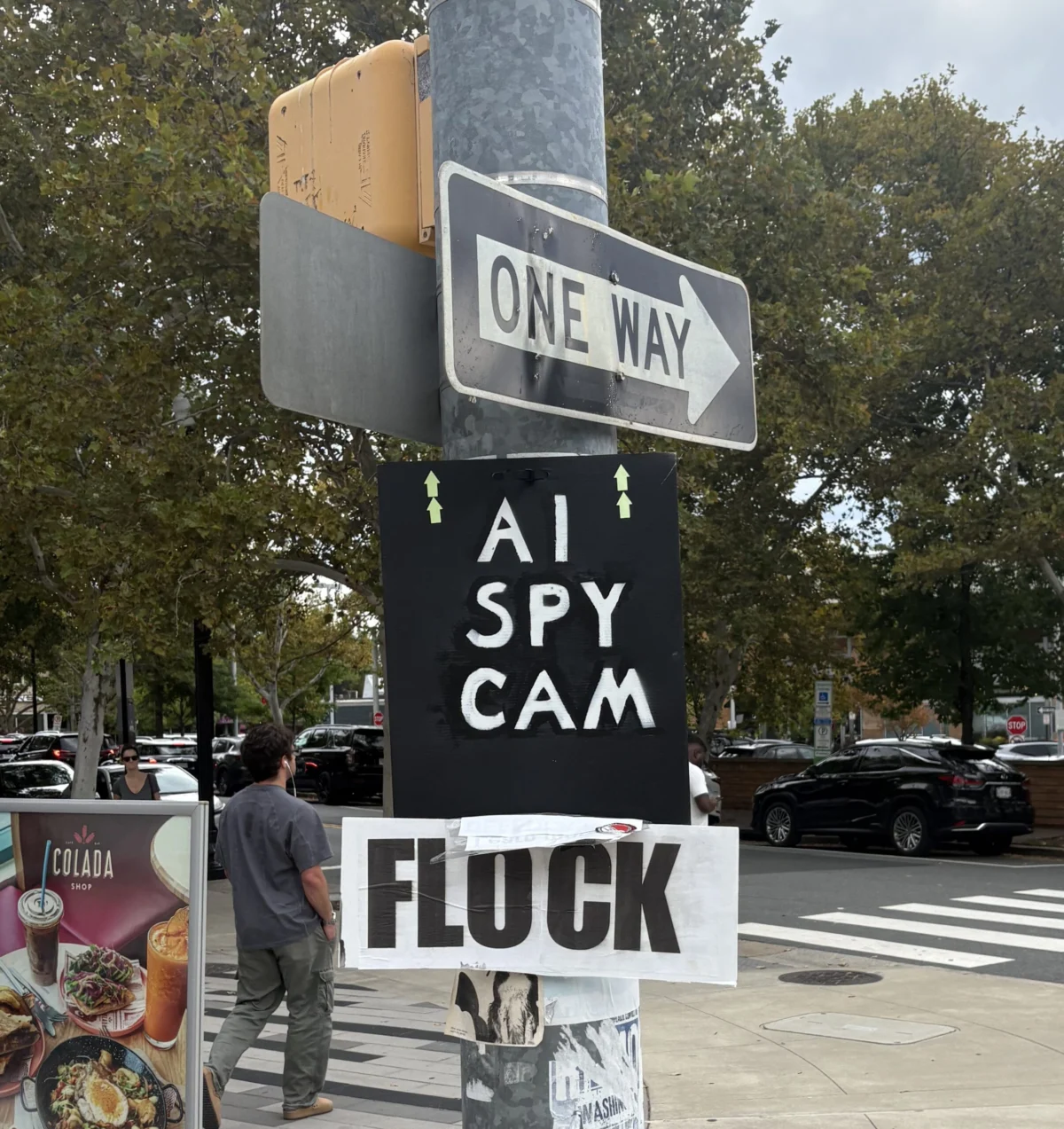
Flock Safety, a prominent but increasingly embattled surveillance technology firm, has introduced a "generous" voluntary severance package for its employees, a significant development reported by Wired on Friday, September 19, 2026. This strategic move comes as the company navigates a period of intense public and governmental scrutiny stemming from widespread allegations of misuse of its pervasive license plate recognition (LPR) technology, a controversy that has demonstrably impacted internal morale and led to a wave of contract cancellations across the United States.
The internal announcement within Flock Safety described these voluntary departure packages as the "most generous" the company has ever extended, signaling a substantial financial commitment. While the precise terms of the packages were not publicly disclosed, such offerings typically include provisions like several months’ salary, extended health benefits, and potentially outplacement services designed to support employees transitioning to new opportunities. Flock Safety, which currently maintains a workforce of approximately 1,500 individuals, reportedly anticipates a significant portion of its staff will express interest in these buyouts. The company has indicated its intention to grant these packages to a majority of the interested employees, suggesting a deliberate effort to downsize its workforce through attrition rather than forced reductions. This approach allows Flock Safety to facilitate the departure of team members who may be demoralized by the ongoing controversies, while simultaneously serving as a proactive measure to avert involuntary layoffs, which Wired suggested would be "almost certain" without such a voluntary program.
Flock Safety specializes in automated license plate recognition (ALPR) systems, deploying a vast network of high-definition cameras primarily in residential neighborhoods, commercial districts, and public thoroughfares across the United States. These advanced cameras are engineered to continuously capture and analyze vehicle data, including license plate numbers, vehicle make, model, color, and precise timestamps of their location. This collected data is then aggregated into extensive databases and frequently shared with various law enforcement agencies. The company’s stated mission for this technology is to enhance public safety by providing a digital investigative trail that can significantly aid in solving crimes such as stolen vehicle recoveries, Amber Alerts for missing persons, and investigations into violent offenses, aiming to reduce response times and increase solve rates for a wide range of criminal activities.
The current wave of public and governmental criticism intensified dramatically following a comprehensive investigative report published by The Washington Post in August 2026. This damning exposé brought to light a deeply troubling pattern, identifying at least 46 documented cases where police officers were accused of egregious misuse of Flock Safety’s surveillance technology. The allegations included disturbing instances where officers purportedly exploited the extensive camera network not for official duties, but to stalk estranged wives, girlfriends, or ex-partners, effectively weaponizing a powerful law enforcement tool for personal vendettas. These revelations sparked widespread outrage among privacy advocates, civil liberties organizations, and the general public, underscoring profound concerns about oversight, accountability, and the inherent potential for abuse when such pervasive surveillance tools are deployed without robust safeguards and strict ethical guidelines. The report highlighted the critical necessity for stringent policies and independent audits to prevent the erosion of public trust and the violation of individual privacy rights.

The fallout from these reports has been swift, severe, and geographically widespread, manifesting in a significant erosion of trust and a wave of contract terminations. Two major U.S. states, Florida and Texas, both announced their intentions to cease using Flock Safety’s technology. These decisions from populous and influential states represent a substantial blow to the company’s operational footprint, revenue streams, and overall market credibility, and could serve as a precedent for other jurisdictions. Beyond these significant state-level actions, an unnamed anti-surveillance advocacy group documented a dramatic increase in local government pushback against Flock Safety’s systems. Their analysis revealed that an unprecedented 90 cities terminated their contracts with the company in August alone – a staggering fourfold increase compared to the previous month. This rapid acceleration of contract cancellations across various municipalities vividly underscores the widespread nature of the privacy concerns and the growing reluctance of local authorities to continue partnerships with a company now at the epicenter of a national debate on surveillance ethics.
The controversy surrounding Flock Safety’s technology is not entirely new, but the recent allegations and subsequent contract losses have propelled it to a critical juncture. For years, civil liberties organizations and privacy advocates have consistently raised alarms about the proliferation of ALPR systems. Their concerns primarily center on the creation of vast, interconnected databases of movement data, which, even when ostensibly anonymized, possess the capacity to reveal intimate details about individuals’ lives, associations, and daily routines. Critics argue that such pervasive, always-on surveillance can exert a chilling effect on fundamental civil liberties, fostering a climate of constant monitoring and potentially stifling freedom of assembly, expression, and association. The alleged misuse by law enforcement officers, as exposed by The Washington Post, further amplified these fears, demonstrating a tangible and immediate risk that extends beyond theoretical privacy infringements, directly impacting individuals’ safety, autonomy, and trust in public institutions. The unfolding situation at Flock Safety has become a potent microcosm of the larger national conversation about striking a delicate balance between legitimate security needs and fundamental privacy rights in an increasingly technologically advanced and surveilled society.
The internal toll on Flock Safety employees has been considerable, reflecting the immense pressure and ethical dilemmas faced by those working for a company at the center of such intense public debate. CEO Garrett Langley recently acknowledged the profound impact of the public backlash during an appearance on the "All-In podcast." Langley candidly stated that the "biggest damage" caused by the ongoing controversies has been to "internal morale." This admission highlights the significant psychological and professional burden placed on employees, where the company’s stated mission of enhancing public safety is overshadowed by pervasive accusations of privacy violations and systemic misuse of its technology. For employees across various departments, from engineering and product development to sales and customer support, the constant barrage of negative publicity, the moral implications of their work, and the uncertainty surrounding the company’s future can lead to burnout, disillusionment, and a strong desire to seek employment elsewhere. The voluntary severance program, therefore, serves not only as a pragmatic financial and workforce adjustment measure but also as a mechanism to allow disaffected employees to depart gracefully, potentially preserving some semblance of a positive and committed corporate culture for those who choose to remain.
Opting for voluntary buyouts instead of immediate, forced layoffs offers several key strategic advantages for Flock Safety during this turbulent period. Firstly, it can significantly mitigate negative publicity. Mass, involuntary layoffs invariably generate adverse headlines, often portraying a company in deep crisis, which can further damage investor confidence, public perception, and recruitment efforts. Voluntary departures, while still indicative of challenges, can be framed more positively as an effort to strategically realign the workforce or provide opportunities for employees to pursue new career paths, thereby softening the blow to the company’s image. Secondly, this approach allows the company to retain critical talent who remain committed to its core mission and vision, even amidst adversity. Employees who voluntarily choose to stay are likely more resilient, dedicated, and aligned with the company’s long-term objectives, fostering a more dedicated and stable remaining workforce. Thirdly, from a legal and human resources perspective, voluntary programs are often less complex and potentially less costly than involuntary layoffs, which typically involve stringent legal requirements, severance negotiations, potential litigation risks, and heightened scrutiny from regulatory bodies. This method allows Flock Safety to manage its workforce reduction in a more controlled, less contentious, and ultimately more dignified manner, aiming to stabilize its operations and rebuild its foundation during an exceptionally challenging phase.
The unfolding situation at Flock Safety is indicative of broader challenges confronting the entire surveillance technology industry. Companies operating in this rapidly evolving sector frequently navigate a complex landscape where technological innovation intersects with deeply held societal values concerning privacy, civil liberties, and governmental oversight. As public awareness grows, and as advocacy groups become increasingly vocal and organized, the pressure on companies like Flock Safety to demonstrate ethical deployment, robust data security, transparent accountability mechanisms, and clear limits on data usage will only intensify. The company’s future hinges not only on its ability to weather the current storm of contract losses and severe reputational damage but also, crucially, on its capacity to rebuild trust with both the public and its governmental clients. This arduous task may necessitate significant policy overhauls, the implementation of enhanced transparency initiatives, and potentially a fundamental re-evaluation of its business model to proactively address the profound ethical and privacy concerns that have fueled the current widespread backlash. The coming months will be critically important in determining whether Flock Safety can successfully navigate these turbulent waters and redefine its role within the future landscape of public safety technology.