 11

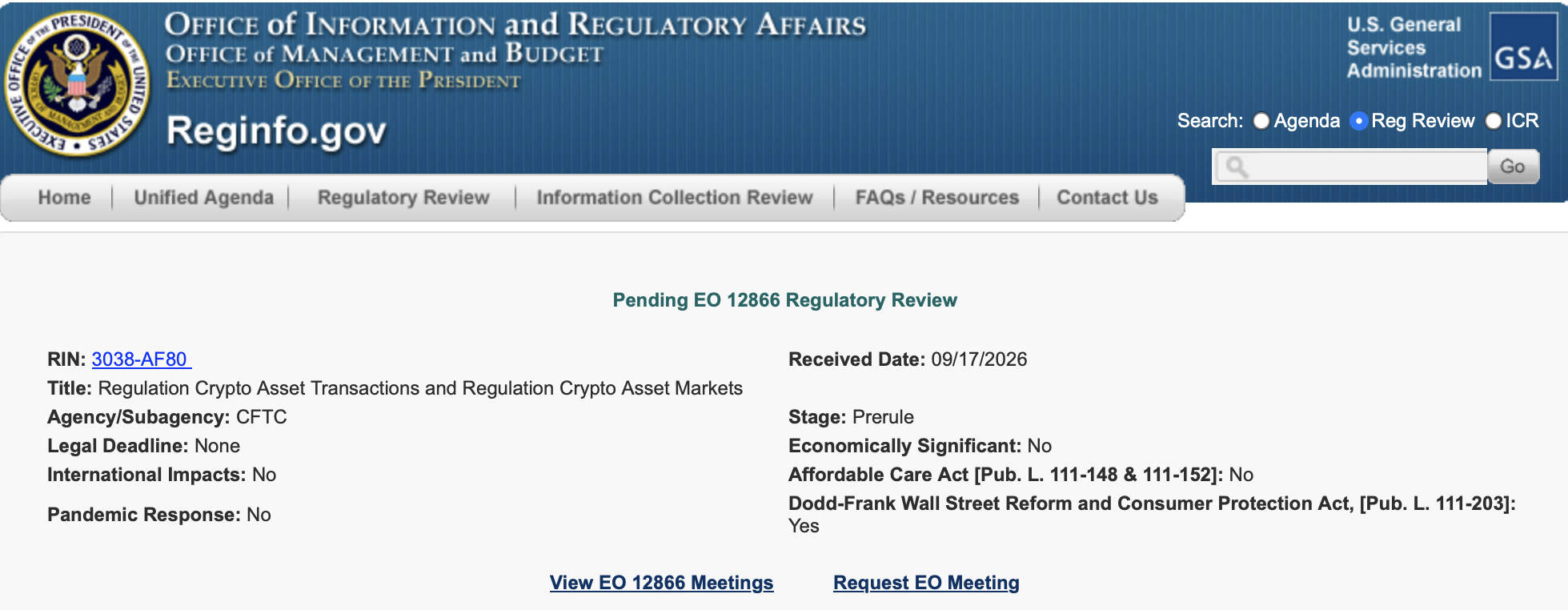
The U.S. Commodity Futures Trading Commission (CFTC) has taken a significant step towards solidifying its regulatory framework for digital asset transactions and markets, submitting a new regulatory action for review by the White House. This move underscores the agency’s determination to actively oversee the burgeoning crypto sector, even as legislative efforts to establish a comprehensive federal framework face hurdles. The action, officially titled "Regulation Crypto Asset Transactions and Regulation Crypto Asset Markets," was lodged with the Office of Information and Regulatory Affairs (OIRA) on September 17th and is currently categorized as being at the "prerule" stage. This designation indicates that the proposal is in its nascent phase of the rulemaking process, preceding any formal public proposal.
While the specific details of the planned regulation remain undisclosed, this development arrives on the heels of the U.S. Senate’s failure to advance the CLARITY Act, a bipartisan piece of legislation designed to delineate a federal regulatory structure for cryptocurrency markets. The Senate’s inaction has seemingly galvanized regulatory bodies to explore and utilize their existing statutory authorities to address the complexities of the digital asset landscape.
This proactive stance was foreshadowed by pronouncements from key regulatory figures. Following the Senate’s vote on September 15th, CFTC Chair Michael Selig took to X (formerly Twitter) to state that the commission was "locked in and ready to ship" rules for crypto markets, leveraging its current legal powers. Similarly, SEC Chair Paul Atkins conveyed a parallel sentiment, indicating that the Securities and Exchange Commission (SEC) would proceed with its regulatory initiatives "with or without legislation."
The day after these statements, both agencies demonstrated their commitment to action. The CFTC issued a no-action position for providers of passive trading software, a move aimed at offering some regulatory clarity for a specific segment of the crypto ecosystem. Concurrently, the SEC announced temporary exemptions for certain platforms involved in facilitating the onchain trading of tokenized securities, addressing another facet of the evolving digital asset space.
The CFTC’s decision to pursue regulatory action without waiting for new legislation was a strategy it had been exploring prior to the Senate’s vote. In remarks delivered at the CFTC’s Innovation Advisory Committee conference on August 20th, Chair Selig had explicitly stated the agency’s readiness to deploy its existing authority to establish a crypto asset market regime should the CLARITY Act falter. He further elaborated that he had instructed CFTC staff to investigate rules that could enable existing registrants and currently unregistered crypto exchanges to qualify as a "crypto asset market." This designation, envisioned as a type of designated contract market, would allow for leveraged or margined crypto trading to be conducted under the watchful eye of the CFTC.
The sentiment that regulatory clarity was imminent, regardless of legislative progress, was echoed by prominent industry leaders. Coinbase CEO Brian Armstrong, in a September 15th post on X, expressed his expectation that both the SEC and CFTC possessed the necessary tools within their existing mandates to formulate clear rules. He anticipated that they would commence working on these issues "in earnest," concluding that "clarity is coming to crypto regardless."
The submission of the CFTC’s new regulatory action to OIRA signifies a concrete step in this direction. The "prerule" status means that the proposal will now undergo internal review and potentially further development within the executive branch before it is made available for public comment. This process can be extensive, involving interagency consultations and assessments of the potential economic and practical impacts of the proposed rules.
The CFTC’s jurisdiction primarily covers futures, swaps, and other derivatives markets. Its approach to crypto assets has historically focused on treating certain digital assets as commodities. The proposed regulations titled "Regulation Crypto Asset Transactions and Regulation Crypto Asset Markets" suggest a comprehensive effort to define and govern how these assets are traded and how markets for them are operated. This could encompass aspects such as registration requirements for exchanges, rules around trading practices, and measures to ensure market integrity and investor protection.
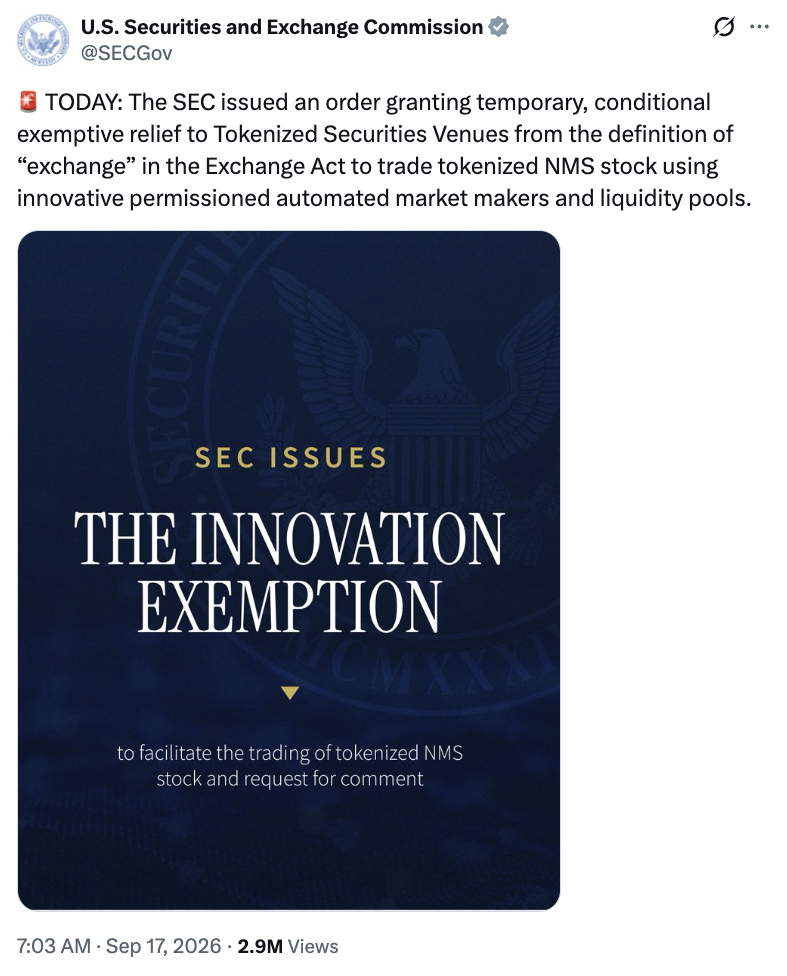
The SEC, on the other hand, has largely viewed many crypto assets, particularly those issued through initial coin offerings (ICOs) or that function as investment contracts, as securities. This differing interpretation has led to ongoing jurisdictional debates and has contributed to the call for legislative clarity. However, the SEC’s recent temporary exemptions for tokenized securities trading platforms indicate a willingness to adapt and provide some operational pathways within its existing framework.
The parallel actions by the CFTC and SEC, even in the absence of a unified legislative mandate, highlight a growing consensus among U.S. regulators that the digital asset space requires a defined regulatory environment. The CFTC’s move to submit a new action for White House review suggests a deliberate strategy to shape this environment through administrative rulemaking. This approach allows regulators to be more agile in responding to market developments, though it can also lead to a more piecemeal regulatory landscape compared to comprehensive legislation.
The ultimate scope and impact of the CFTC’s proposed regulations will become clearer as the rulemaking process unfolds. However, the submission to OIRA signals a clear intent by the agency to assert its authority and provide greater regulatory certainty for participants in the crypto asset markets. This development is a significant indicator of the direction regulatory oversight of digital assets is taking in the United States, driven by the need to balance innovation with investor protection and financial stability. The industry will be closely watching the subsequent stages of this regulatory review, as it could pave the way for new operational standards and compliance obligations for crypto asset market participants.






