 11

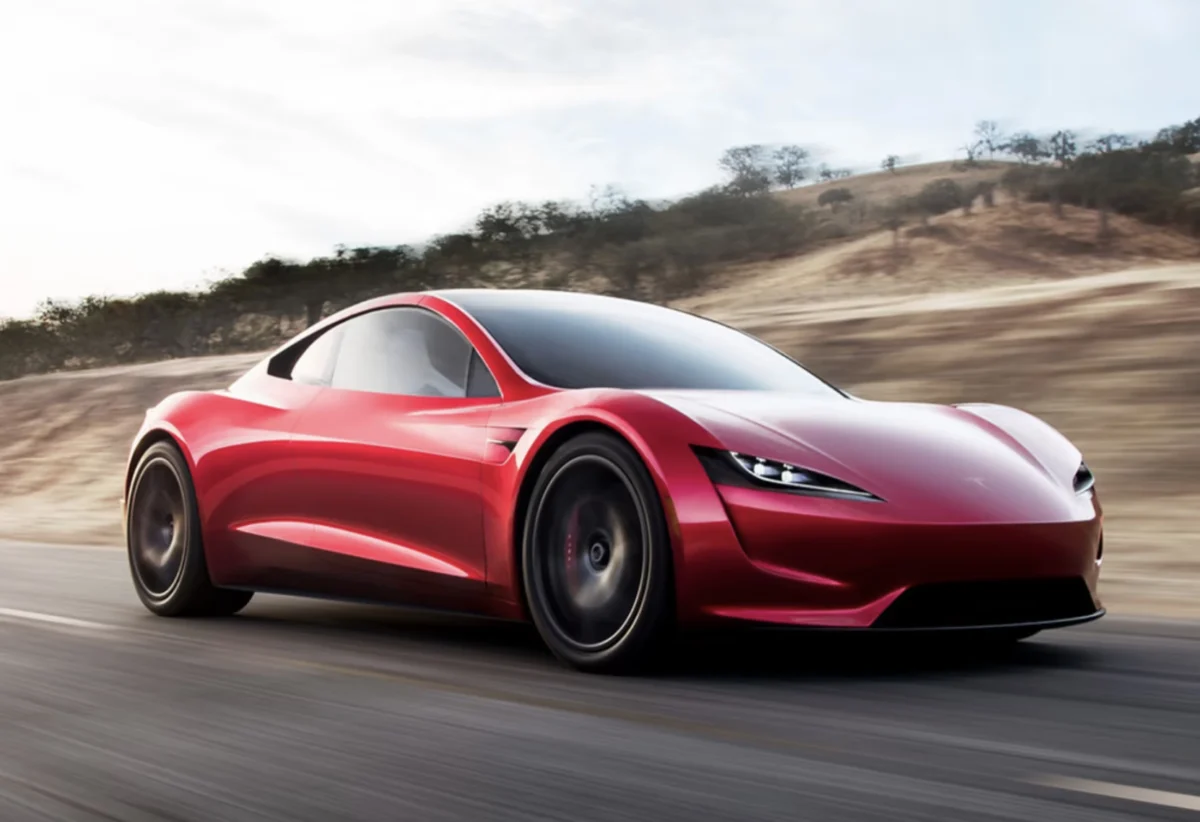
The long-awaited second generation of the Tesla Roadster might finally be ready for the public, with the electric vehicle pioneer hinting at an imminent unveiling for its high-performance sports car. After years of anticipation, design revisions, and production delays, Tesla has signaled that the reveal of the next-generation Roadster is set for October 1, 2026. This significant announcement was made on Saturday, September 12, 2026, at 12:21 PM PDT, via a cryptic post on X (formerly Twitter), igniting excitement among automotive enthusiasts and long-suffering reservation holders.
The post, simply stating, "Go for launch," was accompanied by a graphic prominently displaying the date "10.01." This succinct message strongly suggests that the wraps will finally come off the new Roadster on the first day of October. Adding another layer of intrigue, the graphic also appeared to hint at one of the most audacious features promised for the vehicle: the integration of "cold gas thrusters." These optional thrusters, reportedly developed in collaboration with Tesla CEO Elon Musk’s other prominent venture, SpaceX, are intended to grant the Roadster unprecedented capabilities, including the ability to "fly" in some manner.
The journey of the second-generation Tesla Roadster has been protracted and marked by significant shifts. It was initially unveiled to great fanfare in November 2017 during a surprise reveal event for the Tesla Semi. At the time, Musk presented a sleek, high-performance prototype, promising groundbreaking specifications that included a 0-60 mph acceleration time of 1.9 seconds, a top speed exceeding 250 mph, and an impressive 620 miles of range on a single charge. These figures positioned the Roadster as not just an electric car, but a paradigm shift in automotive performance, designed to shatter existing records for production vehicles. The initial reveal also set a high bar for innovation, with a starting price of $200,000 for the base model and a Founders Series priced at $250,000, both requiring substantial reservation fees.
However, the path from concept to production has been fraught with challenges and multiple postponements. Tesla’s primary focus in the years following the 2017 announcement shifted to ramping up production of its more mass-market vehicles, such as the Model 3 and Model Y, and later, the complex development and launch of the Cybertruck. Supply chain disruptions, particularly during the global pandemic, and the inherent difficulties of developing cutting-edge automotive technology also contributed to the repeated delays. Each missed target date fueled growing impatience among the thousands of customers who had placed deposits, some as high as $50,000, to secure their place in line for the revolutionary vehicle.

The extended wait even became the subject of a public social media exchange last year, highlighting the frustration experienced by some early adopters. OpenAI CEO Sam Altman, a prominent figure in the tech world, publicly expressed his dissatisfaction, noting that "7.5 years has felt like a long time to wait" after having paid his $50,000 reservation fee. In response, Elon Musk countered Altman’s claim, insisting that the OpenAI CEO had, in fact, received a refund for his deposit. This public spat underscored the tension surrounding the Roadster’s protracted development cycle and the challenges Tesla faced in managing customer expectations for a product that consistently failed to materialize on its promised timeline.
Further complicating the narrative, a recent report from The Information suggested that the version of the car initially unveiled in 2017 had been entirely scrapped. According to the report, Tesla had opted to abandon the original design in favor of a completely new, yet-to-be-revealed iteration. This decision, if accurate, would explain some of the extensive delays and indicates a significant internal pivot in the project’s direction. Such a radical redesign could be driven by a desire to integrate newer technologies, optimize for production efficiency, or perhaps to fully accommodate the ambitious "SpaceX Package" features, including the aforementioned thrusters, which may not have been fully envisioned or feasible within the original design parameters. A complete overhaul would mean that the vehicle to be unveiled on October 1st is not merely an updated version of the 2017 prototype, but an entirely fresh interpretation of the ultimate electric sports car.
The most intriguing and potentially game-changing feature teased by Tesla is the integration of "cold gas thrusters." These thrusters are expected to be part of an optional "SpaceX Package" and have been a subject of intense speculation since Musk first hinted at them. While the concept of a "flying car" typically evokes images of sustained aerial locomotion, the practical application for the Roadster is more likely to involve short bursts of propulsion. This could manifest as enhanced acceleration, improved cornering capabilities through vectoring thrust, or even brief periods of hovering, allowing the vehicle to perform maneuvers currently unimaginable for a road-legal car. The engineering challenge of integrating such a system, ensuring its safety, and obtaining regulatory approval is immense. It also highlights the unique synergy between Tesla and SpaceX, leveraging aerospace technology for automotive applications, pushing the boundaries of what is considered possible in vehicle design and performance.
Despite the impending reveal, prospective owners should temper their expectations regarding immediate availability. Elon Musk himself has previously acknowledged that even after the grand unveiling, the Roadster will not immediately enter production. He has indicated that an additional 12 to 18 months would be required for the vehicle to transition from its reveal stage to actual manufacturing. This means that even with an October 1st reveal, the earliest customers could realistically expect to take delivery of the new Roadster would be in late 2027 or even 2028. This extended timeline presents further challenges, as the high-performance electric vehicle market continues to evolve rapidly, with new competitors constantly emerging.
The significance of the second-generation Roadster extends beyond its performance metrics. It serves as a halo car for Tesla, a statement piece that showcases the company’s engineering prowess and audacious vision. The original Tesla Roadster, launched in 2008, was the company’s first production vehicle and played a crucial role in establishing Tesla’s credibility and demonstrating the viability of high-performance electric vehicles. The new Roadster aims to recapture that pioneering spirit, pushing the boundaries of what an electric car can be. Its success, or lack thereof, in meeting its ambitious promises and finally entering production, will undoubtedly have a lasting impact on Tesla’s reputation for innovation and execution. The automotive world will be watching closely on October 1st to see if Tesla can finally deliver on its long-held promise of a truly revolutionary electric sports car.






