11

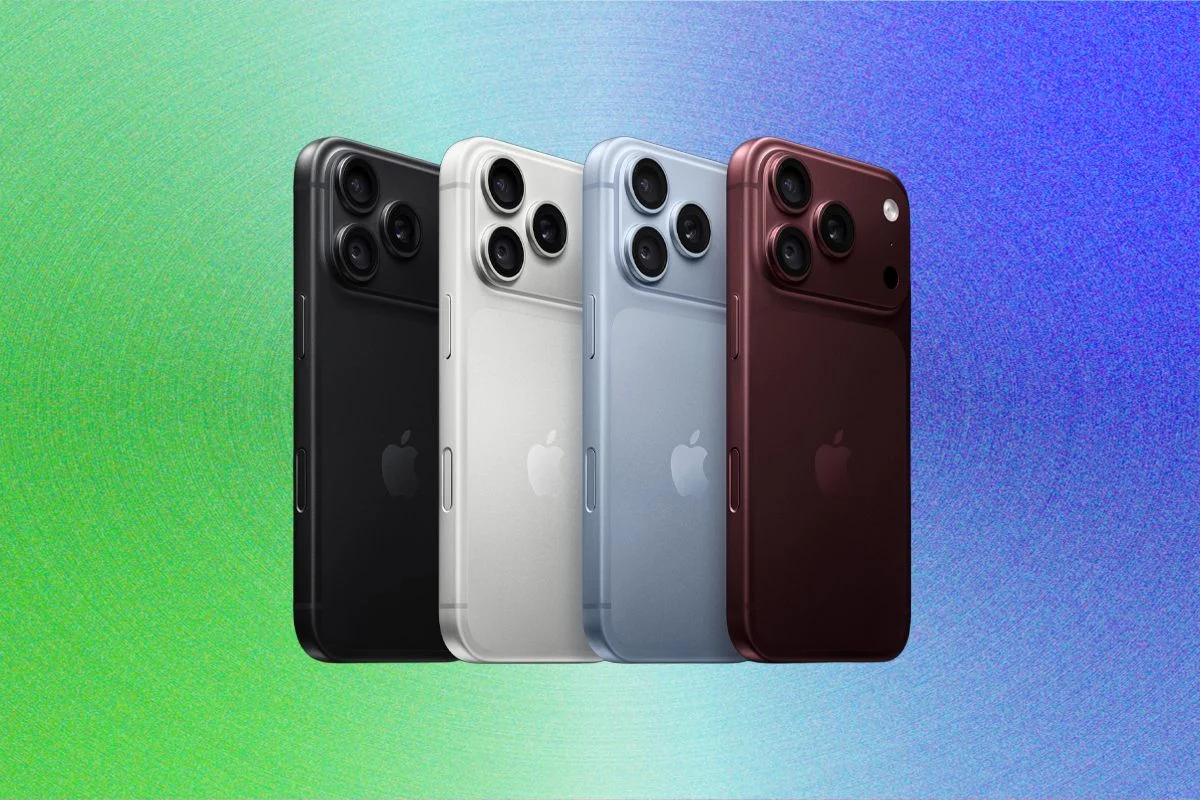
Apple has once again pushed the boundaries of smartphone design with the introduction of its groundbreaking iPhone Duo, featuring a fresh folding form factor that marks the company’s most radical redesign in years. This innovative device arrives concurrently with the more conventionally styled iPhone 18 Pro and iPhone 18 Pro Max, catering to a diverse range of user preferences. Notably, the standard iPhone 18 model is absent from this initial launch, with industry rumors suggesting a more affordable base model, potentially accompanied by an iPhone 18e and a second-generation iPhone Air, might debut in spring 2027.
Consumers eager to acquire the latest Apple technology can mark their calendars for the preorder and release dates. The iPhone 18 Pro and iPhone 18 Pro Max are available for preorder starting September 12, with shipments commencing on September 18. The revolutionary iPhone Duo will follow, with preorders opening on October 16, ahead of its full market release on October 23. Navigating these new options can be challenging, so a detailed breakdown of their differences and shared attributes is essential for making an informed purchasing decision. For those considering alternatives beyond the current iPhone 18 lineup, Apple’s comprehensive "Best iPhones guide" remains a valuable resource.
Considering Your Upgrade: Is It Truly Necessary?
Before committing to a significant financial outlay, it’s prudent to assess whether an upgrade is genuinely needed. For many users, particularly those with older iPhone models, the latest iteration may not be a necessity. Apple maintains an commendable track record of extended software support, ensuring even devices like the iPhone 11 Pro continue to receive critical updates, enhancing functionality and security. Furthermore, hardware issues often don’t necessitate a complete device replacement; many iPhones are designed with a degree of repairability in mind. Simple solutions, such as a battery replacement, can significantly extend a device’s lifespan and improve performance, or basic troubleshooting tips can resolve common glitches. Users should feel no compulsion to upgrade purely for the sake of owning Apple’s newest offering if their current device still meets their needs.
However, for those determined to upgrade, it’s important to acknowledge the recent price adjustments. Apple has increased the prices of its iPhone Pro models this year, making both the iPhone 18 Pro and iPhone 18 Pro Max $100 more expensive than their iPhone 17 Pro series predecessors. This increment reflects ongoing inflationary pressures and potentially the cost of integrating new technologies and features.
To mitigate the cost of a new device, prospective buyers might consider selling their old iPhone. This can be a practical way to raise funds. Crucially, before selling or giving away any old device, users must meticulously back up their iPhone data to iCloud or a computer to prevent data loss. Following this, a factory reset is imperative to erase all personal information and settings, safeguarding privacy. Once the new iPhone arrives, Apple provides intuitive setup guides to help users seamlessly transfer data and customize their new device, including recommendations for key settings to optimize the user experience.

Shared Innovations Across the iPhone 18 Lineup
Despite their distinct form factors and sizes, all three new iPhone 18 models share a foundation of advanced technology and features, embodying Apple’s commitment to performance, display quality, and connectivity.
At the heart of each device lies Apple’s formidable A20 Pro chip, heralded as the company’s most powerful mobile processor to date. This chip promises a substantial leap in performance, delivering approximately 20 percent faster processing speeds and a remarkable 30 percent improvement in energy efficiency compared to the previous generation. This enhanced capability is crucial for demanding applications, advanced gaming, and seamless multitasking. The A20 Pro also integrates a sophisticated new neural engine, specifically designed to power on-device artificial intelligence tasks, enabling more intelligent and responsive features without relying heavily on cloud processing. To maintain optimal performance even under heavy loads, a redesigned thermal system featuring a larger vapor chamber has been incorporated, ensuring efficient heat dissipation. For the unique requirements of the iPhone Duo, the A20 Pro includes a specialized display engine, meticulously engineered to guarantee exceptionally smooth and fluid transitions between its two distinct screens. While Apple does not officially disclose RAM specifications, industry rumors widely suggest that every model in the iPhone 18 lineup comes equipped with a robust 12 GB of RAM.
All three new iPhones boast Apple’s renowned Super Retina XDR OLED displays, celebrated for their exceptional color accuracy, deep blacks, and stunning contrast. Complementing this is ProMotion technology, which provides an adaptive 120-Hz refresh rate. This intelligent system dynamically adjusts the display’s refresh rate, dropping as low as 1 Hz when static content is shown, significantly conserving battery life while enabling features like the always-on display. The screens are further protected by Ceramic Shield 2, an advanced glass-ceramic composite offering superior scratch resistance and antireflective properties, identical to the protection found on the iPhone 17 range. These displays also offer an impressive brightness range, from a subtle 1 nit for comfortable viewing in dark environments up to an astonishing 3,000 nits, ensuring excellent visibility even under direct sunlight and vibrant HDR content playback. The iPhone Duo distinguishes itself with a custom nano-texture finish on its interior screen, providing a matte appearance specifically designed to reduce glare and minimize the visibility of the display crease.
Durability is a common thread, with all models receiving an IP68 rating for water and dust resistance, signifying their ability to withstand immersion in fresh water for a limited duration. Storage options are generous across the board, available in 256 GB, 512 GB, 1 TB, or 2 TB configurations, catering to users with varying storage needs. Connectivity features are state-of-the-art, including support for Qi2 magnetic wireless charging (MagSafe), USB-C 3.2 for high-speed data transfer and charging, Dual SIM capabilities for managing two numbers, and the latest wireless standards such as Wi-Fi 7 and Bluetooth 6. Furthermore, they integrate Thread technology, enhancing smart home connectivity, and Ultra-Wideband (UWB) for precise spatial awareness and device finding. Software enhancements include advanced Siri AI and the overarching Apple Intelligence framework, alongside critical safety features like Emergency SOS via Satellite for communication in remote areas and Crash Detection for immediate assistance in accidents.
Which iPhone 18 Model is Right for You?
While sharing a core of advanced features, each iPhone 18 model is tailored to a specific user profile, diverging in design, unique functionalities, and overall experience.

iPhone Duo: The Folding Frontier
Apple’s entry into the foldable phone market with the iPhone Duo is a testament to careful consideration and learning from existing market offerings. Eschewing the more common book- or flip-style foldables, Apple has opted for a passport-sized form factor, reminiscent of Samsung’s Galaxy Z Fold8. This design offers a compact 5.4-inch external screen, which unfolds to reveal a spacious 7.6-inch internal display, providing a tablet-like experience akin to an iPad Mini.
The iPhone Duo is built with a tough titanium frame and features a precision-engineered hinge with magnets, delivering a satisfying snap-shut mechanism. It also boasts an IP68 rating for robust dust and water resistance. However, embracing the folding design comes with certain trade-offs. At 254 grams and 11.3 mm thick when folded (5.2 mm unfolded), the Duo is not the slimmest or lightest foldable available, with competitors like the Galaxy Z Fold8 weighing 201 grams and measuring 9.7 mm folded and 4.5 mm unfolded. The space constraints inherent in foldables also lead to some camera compromises; the Duo foregoes Face ID in favor of Touch ID integrated into the side power button and omits a telephoto lens. Instead, it features a versatile dual-camera system comprising a 48-megapixel primary camera and a 48-megapixel ultrawide lens. Despite these, the Duo houses the largest-ever iPhone battery, promising an impressive 24 hours of mixed use.
Where the iPhone Duo truly aims to redefine the foldable category is through its software design. Apple has meticulously optimized the user interface, pushing controls to the sides and stacking them vertically to maximize screen real estate. Apps offer extensive split-screen support, enabling powerful multitasking, and transitions between the external and internal displays are exceptionally slick. The Duo also introduces innovative features that leverage its unique form factor, such as the ability to prop the device open on a table or nightstand. This enables StandBy support, transforming the outer screen into an alarm clock, while the inside display can gently pulse with light for a more serene wake-up experience.
Who it’s for: The iPhone Duo is ideal for users seeking a fundamentally different smartphone experience. It caters to those curious about folding phones, or already convinced of their utility, and eager to experience Apple’s refined and software-optimized approach to the category.
iPhone 18 Pro: The Compact Powerhouse
The iPhone 18 Pro maintains a familiar yet refined aesthetic, evolving from its predecessor, the iPhone 17 Pro. It features a comfortable 6.3-inch display, with a subtly slimmed Dynamic Island that can now intelligently display up to three Live Activities notifications simultaneously, enhancing contextual information at a glance. The device retains the robust aluminum unibody construction, with Ceramic Shield 2 protecting both the front display and the back glass, ensuring resilience against daily wear and tear. An IP68 rating further confirms its durability against water and dust. The color palette sees a refresh, with the return of a classic Black, complemented by a new Burgundy option, alongside Glacier and Silver. These new finishes present a more uniform appearance compared to the two-tone design of the iPhone 17 Pro.

Two significant upgrades define the iPhone 18 Pro: the advanced A20 Pro chipset and a groundbreaking variable aperture main camera. The A20 Pro not only delivers superior speed and power efficiency but also enhances on-device AI capabilities, all kept cool by the redesigned vapor chamber. This optimized hardware contributes to an impressive battery life, with Apple estimating up to 34 hours of video playback – a notable three-hour increase over the iPhone 17 Pro.
The camera system introduces a physical variable lens aperture, a feature typically found in professional cameras. Much like the pupil of the human eye, this aperture can physically adjust its opening to control the amount of light entering the lens. A larger aperture allows more light, which is beneficial for capturing brighter, clearer photos in low-light conditions and for achieving a shallow depth of field, resulting in the aesthetically pleasing bokeh (blurred background) effect for portrait photography. Conversely, a smaller aperture restricts light, helping to prevent overexposure in bright conditions and ensuring sharp detail across a wider landscape shot. The camera app has been updated with new features and controls to empower users to fully leverage this advanced capability, offering unprecedented creative control.
Who it’s for: The iPhone 18 Pro is tailored for users who prefer a more compact smartphone without compromising on performance, camera capabilities, or the latest features. It offers full-strength Apple silicon, a top-tier camera system, and all the cutting-edge innovations in a manageable form factor.
iPhone 18 Pro Max: The Ultimate Experience
For users who demand the absolute best in screen size and battery endurance within a familiar form factor, the iPhone 18 Pro Max stands as Apple’s flagship offering. Boasting the largest screen in the lineup at 6.9 inches, it provides an expansive canvas for media consumption, gaming, and productivity. This model is also a true battery-life beast, with Apple claiming an astounding 43 hours of video playback on a single charge – a six-hour improvement over the already impressive iPhone 17 Pro Max. The design and color options mirror those of the regular iPhone 18 Pro, simply scaled up to accommodate its larger display and battery.
Under the hood, the iPhone 18 Pro Max features the same cutting-edge A20 Pro chip and the innovative variable aperture main camera as its smaller Pro sibling. Both Pro models share a versatile triple 48-megapixel camera system, offering unparalleled photographic flexibility. These cameras come with comprehensive professional controls for adjusting lens aperture, shutter speed, and white balance, allowing enthusiasts and professionals alike to fine-tune their shots. The class-leading video capture capabilities extend to stunning 4K resolution at 120 frames per second, ensuring cinematic quality for all video content.
Who it’s for: The iPhone 18 Pro Max is the definitive choice for users who desire the pinnacle of Apple’s smartphone technology. It’s designed for those who prioritize a large display, exceptional battery life, and a professional-grade camera system, all within the trusted and familiar iPhone design language.

How to Purchase the iPhone 18 Unlocked
Purchasing an iPhone unlocked offers significant advantages, providing the freedom to switch carriers at will and to utilize international eSIMs for cost-effective connectivity while traveling. Apple’s official storefront, Apple.com, is consistently the best source for purchasing unlocked iPhones, especially during initial preorder periods when newly announced models are often exclusively available directly from Apple.
New iPhone buyers can also take advantage of Apple’s promotional offers. Typically, new iPhone purchases include three free months of Apple One, a bundled subscription service that encompasses Apple Music, Apple TV+, Apple Arcade, Apple News+, Apple Fitness+, and additional iCloud storage. However, users should exercise caution, as these trials typically auto-bill once the promotional period concludes. It is highly advisable to set a reminder to cancel these subscriptions if continued enrollment is not desired.
Apple also provides various financing options to make the new iPhones more accessible. Apple Card holders can finance their iPhone over 24 months with 0-percent APR, and most mobile carriers offer their own competitive financing deals. An alternative is the Apple Upgrade program, which allows users to lease a new iPhone. For example, the entry-model iPhone 18 Pro can be leased from $35 a month over 24 months, or from $50 a month for a 12-month term. However, this program may not be the most economical choice in the long run, as it requires the device to be returned in good condition at the end of the lease period. AppleCare+ with Theft and Loss, which costs an additional $15 per month, is strongly recommended to cover potential damages or loss, adding to the overall cost of the lease.