11

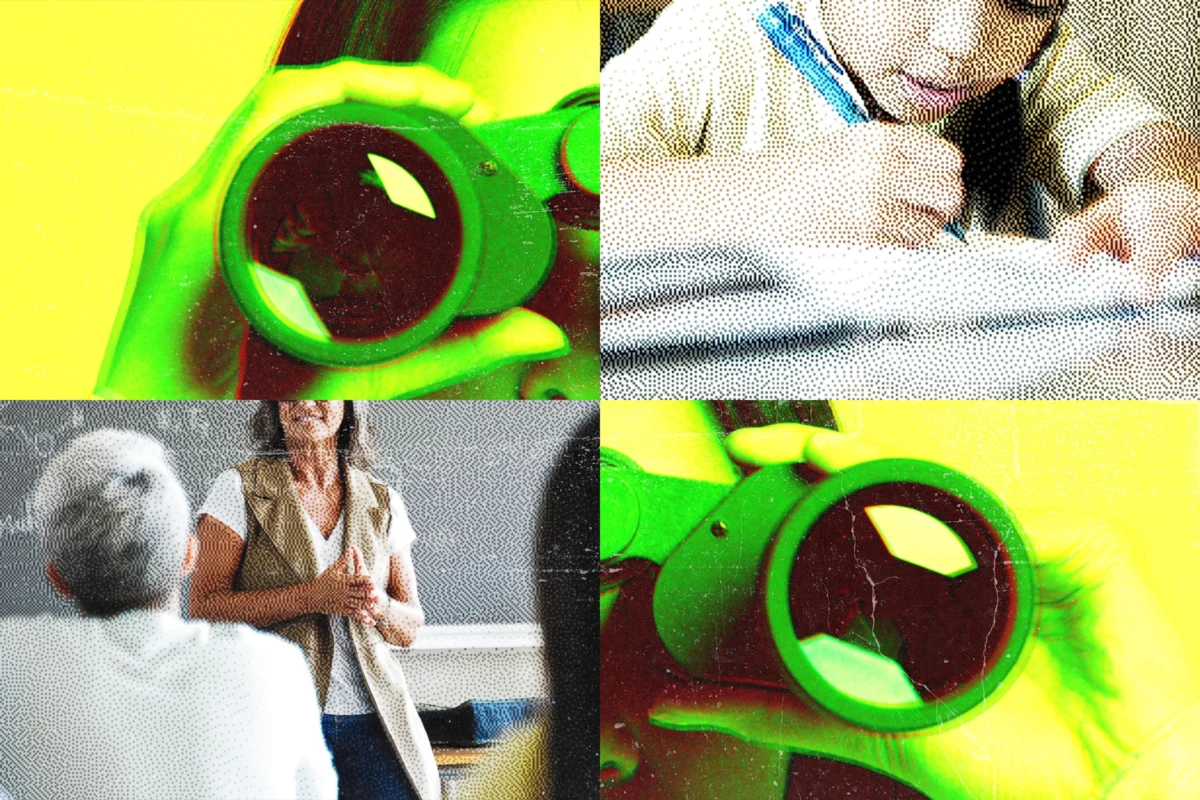
The life of Ibari, a seasoned operative within an unnamed Internal Intelligence Service, offers a compelling illustration of navigating a pervasive surveillance state, a journey marked by a profound duality and an eventual reckoning with personal and systemic truths. From a young age, Ibari was drawn to the clandestine world, a fascination ignited by a childhood phrase and the omnipresent, yet elusive, "Service" that both terrified and captivated her generation.
The Service, characterized by its dark vehicles, discreet operatives, and the unsettling reality of individuals disappearing, cast a long shadow over society. Ibari, recalling the abrupt disappearance of a childhood friend, grew up with a palpable awareness of its power. Yet, this fear was intertwined with a dark glamour, an aura of authority that beckoned her. Her youthful games of "Ghosts and Agents" evolved into a concrete ambition: to become a spy. After high school, she successfully applied to the Service Academy in Los Angeles, where she excelled, swiftly mastering espionage, investigation, relevant law, lead generation, interrogation techniques, and informant management. Upon graduation, she was posted to Fillmore, a picturesque town approximately 80 kilometers north of Los Angeles.
Ibari’s operational life in Fillmore was meticulously constructed around a sophisticated cover. While her true vocation lay with the Service, publicly, she was known as an urban planning professor at a local college, a position for which she had genuinely earned a master’s degree. This created a bifurcated reality, where both her clandestine and public identities held a measure of truth. She approached her academic role with seriousness, viewing it not merely as a facade but as a genuine, albeit secondary, life. This duality offered a peculiar sense of expansiveness, allowing her to inhabit two distinct existences simultaneously, a common, yet complex, requirement for agents in a surveillance society.
Fillmore, unlike larger metropolitan centers, operated under a "lighter touch" of state control. While identity cards, neighborhood permits, and ubiquitous facial recognition technology were standard, the town largely eschewed the random interrogations and pervasive drone surveillance common elsewhere. This relative calm, however, masked the underlying vigilance of the Service.
During her parents’ first visit from Ohio, a moment intended for familial connection unexpectedly revealed the stark reality of Ibari’s world. As they walked through Fillmore’s charming downtown, characterized by palm trees and century-old architecture, an incident unfolded that underscored the State’s swift and unforgiving enforcement. A black van arrived at a local florist’s shop, which Ibari had been surveilling. The owners, an elderly couple, were summarily apprehended and taken away, their business erased within moments. Their transgression: critical comments about the State on social media. Ibari, who had reported on them, knew their likely fate involved a work camp, a decade of arduous agricultural labor, from which few ever returned to their former lives. The casual brutality of the event, witnessed silently by Ibari alongside her unaware mother, highlighted the cost of dissent and her own role within the system.
The visit also brought a poignant reminder of Ibari’s early inclinations. Her mother presented her with a battered childhood notebook, its cover adorned with the phrase "TRUE DILIGENCE" in stylized script. Inside, Ibari rediscovered meticulous surveillance notes on a childhood neighbor, dating back to age seven. Her mother, observing the detailed entries, remarked, "You should’ve been a detective." The comment, meant innocently, resonated with unsettling irony, prompting Ibari to deflect with a casual lie about the phrase’s origin—a reflex honed by her profession. The encounter also sparked a moment of pervasive paranoia, a characteristic feature of the surveillance state, where even close family members could be suspected of being informants for the Service.
Despite her professional success in both her covert and overt roles—maintaining a clean record, excelling in her Service duties of observing former pro-democracy agitators, and thriving in her academic and social life—Ibari found herself increasingly troubled. Her mother’s well-intentioned observation of her having "a quiet life in a beautiful place" lingered like a "splinter," an uneasy sense of living the wrong life, of being in stasis. This internal dissonance suggested a growing dissatisfaction with the carefully constructed existence she had built.
The catalyst for a deeper shift occurred around her 40th birthday. While picking oranges in her backyard, Ibari accidentally broke her glasses. She repaired them using reflective silver tape left by a visiting cousin, an impromptu fix that gave them an "insane" appearance. This seemingly minor event led to a significant discovery. When a UPS driver attempted to verify her identity via facial recognition, the device repeatedly failed to recognize her with the taped glasses on, only succeeding once she removed them. This unexpected glitch, occurring in a society where facial recognition was as routine as breathing, felt like "a curtain had been pulled aside," revealing a potential vulnerability in the ubiquitous surveillance infrastructure.
Determined to test her accidental discovery, Ibari went for a walk downtown with her friend Nico. In a tea shop, the facial recognition scanner again failed to identify her with the glasses, requiring a fingerprint verification instead. Her casual remark to Nico about the glasses "throwing off the scanners" was met with a barely perceptible stillness and a change of subject from her friend. In that moment, Ibari understood: Nico, too, was Service. This realization, though rationally unsurprising given the pervasiveness of the Service, was profoundly disorienting, casting a shadow of suspicion over their friendship.
Later, away from public cameras, Nico quietly confessed that she had never reported on Ibari, a revelation Ibari instinctively believed. Ibari reciprocated, admitting she had never reported on Nico. This shared secret, whispered in the shadows, cemented a bond of mutual trust and vulnerability. Nico then issued a chilling warning: "I think it doesn’t take that much to become a ghost." In the lexicon of the Service, a "ghost" is an individual who has run afoul of the State, stripped of identity, rights, and societal existence, forced to live in the shadows, devoid of legal protection, social security, or access to essential services.
Nico’s warning, combined with Ibari’s discovery about the glasses, marked a critical turning point. It highlighted not only the constant threat of erasure but also presented an "improbable path" for navigating the surveillance state—a path that resonated with the phrase that had shaped her life since childhood. Ibari’s dual life, once a source of expansiveness, now seemed to converge on a singular, urgent question: what constitutes true diligence when the very system you serve is the one that defines existence itself? The implications of her discovery and Nico’s warning set the stage for a profound reevaluation of her role, her loyalties, and the true nature of freedom within her tightly controlled world.