 11

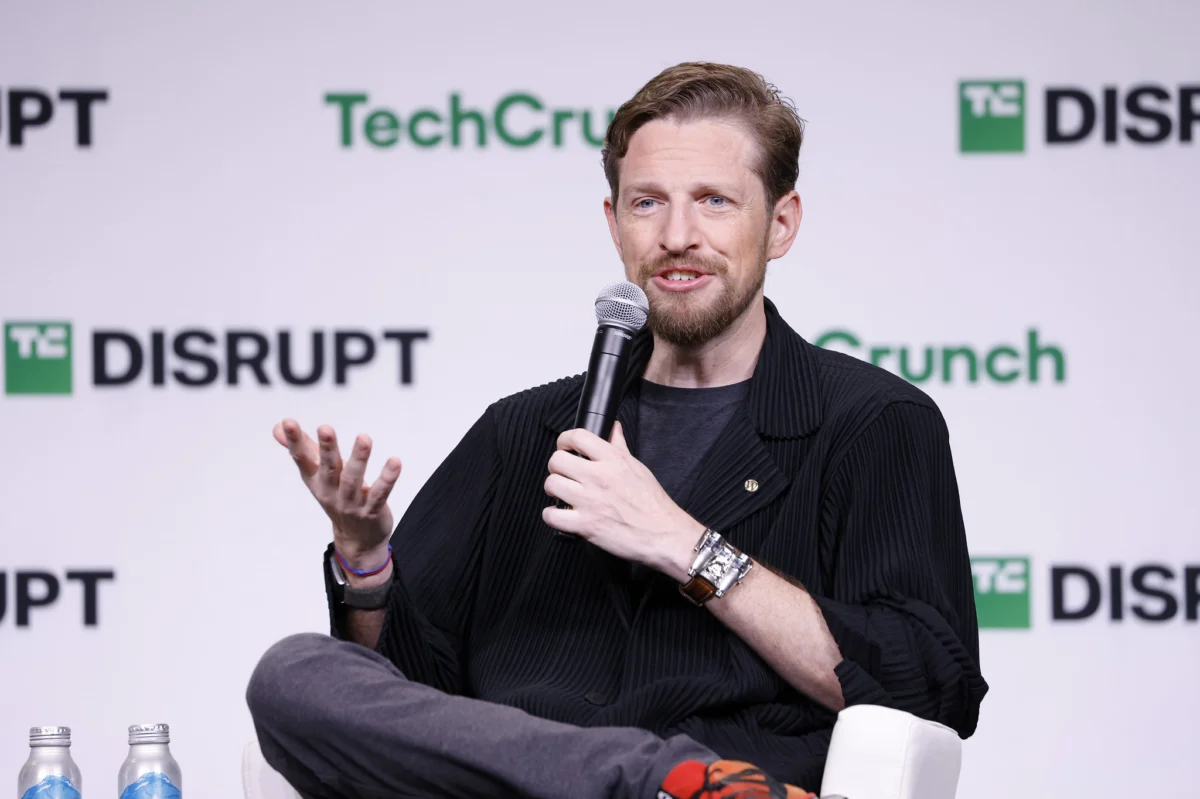
Matt Mullenweg, the influential founder and Chief Executive Officer of Automattic, the parent company renowned for its oversight of WordPress.com, Tumblr, and WooCommerce, has been placed on an involuntary leave of absence by the company’s board of directors. This significant leadership change, reportedly enacted against Mullenweg’s express will, was initially disclosed through an internal Slack message circulated to all employees, a copy of which was subsequently obtained by TechCrunch, signaling a pivotal moment for one of the internet’s foundational technology companies.
The dramatic development unfolded earlier on a Wednesday when Mullenweg himself posted in a company-wide Slack channel, revealing the board’s contentious resolution. In his message, Mullenweg explicitly stated that Mark Davies, Automattic’s Chief Financial Officer, had "conspired" with fellow board members Ann Dunwoody, Toni Schneider, and Sue Decker. This alleged concerted effort culminated in a vote to institute a paid leave of absence for Mullenweg, a decision he vociferously opposed and voted against. The message further indicated that Davies was immediately voted in as interim CEO, a critical detail underscoring the swift transition of executive power. Mullenweg also highlighted what he perceived as an unfair process, noting he received the resolution merely 50 minutes before the scheduled meeting. He recounted repeatedly requesting time, even a few hours, to have the resolution reviewed by independent legal counsel, a request that was ultimately denied by the board. His concluding words in the message, "Wishing Mark and all of you the very best," conveyed a sense of resignation despite his opposition to the board’s action. Toni Schneider, mentioned by Mullenweg, has a notable history with Automattic, having served as its CEO from 2006 to 2014.
While the leadership change at Automattic, the commercial entity, sent ripples through the tech industry, the distinction between it and the open-source WordPress.org project was quickly clarified. Mary Hubbard, the executive director of the WordPress.org project, addressed the community via a Slack message, confirming Mullenweg’s altered status at Automattic. Crucially, Hubbard emphasized that the foundational open-source project, which Mullenweg co-created, remained unaffected by these corporate shifts. She affirmed, "Matt remains the leader of the WordPress project and I remain Executive Director of WordPress. Our teams, priorities, and work continue as planned," providing reassurance to the vast global community of developers, users, and contributors that the collaborative open-source work would proceed without disruption.
Mullenweg’s internal Slack message, while detailing the mechanics of his involuntary leave, notably refrained from elucidating the specific reasons behind the board’s drastic action. The absence of an explanation left employees and industry observers speculating. However, independent reporting from 404 Media, which first broke the news, provided some clarification, indicating that Toni Schneider, the former CEO and current board member, confirmed the action was initiated by the board. Furthermore, Mark Davies, the newly appointed interim CEO, also communicated to employees in the Slack channel that Mullenweg, despite being on leave from his executive duties, would retain his position on Automattic’s board of directors. In an emailed statement to TechCrunch, Automattic formally confirmed the leadership transition, stating, "Matt Mullenweg is currently on leave from Automattic. Mark Davies, Automattic’s CFO, will lead the company as interim CEO. The Board has full confidence in Mark’s leadership and in the team’s ability to execute against the company’s priorities."
Automattic, a significant player in the digital landscape, was founded by Matt Mullenweg in 2003, following his pivotal role as the co-creator of the immensely popular open-source content management system, WordPress. Over the years, Automattic has grown into a diversified technology conglomerate. Its extensive portfolio now includes WordPress.com (its commercial hosting service), Tumblr (a microblogging platform), WooCommerce (a leading e-commerce plugin for WordPress), and Pocket Casts (a popular podcasting application). This broad array of services underscores Automattic’s reach and its foundational connection to the broader internet infrastructure.
The board’s decision to place Mullenweg on leave comes amidst a period marked by escalating tensions, high-profile legal battles, significant employee turnover, and internal strife under his recent leadership. Over the past few years, Automattic and Mullenweg personally have been embroiled in several controversies that have drawn scrutiny from both the industry and the company’s own workforce.
One of the most protracted and contentious issues has been a legal dispute with WP Engine, a prominent web hosting competitor specializing in WordPress solutions. The genesis of this lawsuit lies in allegations made by Mullenweg, who contended that WP Engine was unfairly profiting from the open-source WordPress project without adequately contributing back to its community. He escalated this stance by demanding that WP Engine pay a royalty fee equivalent to 8% of its monthly gross revenue for its utilization of the WordPress brand and ecosystem. This demand was met with strong resistance, culminating in WP Engine filing a lawsuit against Automattic and Mullenweg in October 2024. In their legal action, WP Engine accused Mullenweg and Automattic of defamation and abuse of power, arguing that Mullenweg’s demands were an attempt to unfairly leverage his influence over the open-source project for commercial gain. Automattic subsequently filed counterclaims in October 2025, further entrenching both parties in a complex legal battle. The dispute intensified in February 2026, when WP Engine claimed in a new filing that Automattic had broader intentions, planning to target at least ten more competitors with similar royalty claims, indicating a potential industry-wide shift in how open-source contributions and brand usage might be monetized or regulated.
Beyond legal skirmishes, Mullenweg’s leadership style had also reportedly strained internal relations within Automattic. In 2024, amid rising tensions related to his ongoing fight with WP Engine and other company directions, Mullenweg took the extraordinary step of directly addressing employees. He issued an ultimatum, offering severance packages to any employee who disagreed with his strategic vision and felt compelled to leave the company. This challenging directive led to a significant exodus, with 159 employees opting to take the severance offer and depart Automattic, underscoring deep-seated disagreements and a divisive environment within the company.
Mullenweg’s assertive approach extended even to the open-source WordPress.org community, where his actions generated considerable friction. Last year, he reportedly threatened to deactivate the accounts of several members of the community. This threat emerged after two individuals publicly announced their intentions to spearhead the creation of a new, "forked" version of the open-source WordPress project. A "fork" in open-source development signifies a split in the project’s codebase, often driven by fundamental disagreements over direction, governance, or philosophy.
Adding to the turbulent period, Automattic implemented significant staff reductions in April 2025, laying off 16% of its workforce. These cuts were particularly impactful as they affected not only newer hires but also, according to sources who spoke with TechCrunch, some longtime employees who had dedicated more than a decade to the company, signaling potential financial pressures or strategic realignments.
The news of Mullenweg’s involuntary leave elicited a range of strong reactions from current and former Automattic employees. A source indicated that alumni had been actively reaching out to current staff to gauge their sentiments on the sudden change. Among the responses, some employees expressed feelings of being "ecstatic" or "relieved," suggesting that Mullenweg’s leadership style and the preceding controversies had created a challenging work environment for a segment of the workforce. However, the sentiment was not universal. Other employees reportedly harbored mixed emotions, recognizing that while a change in leadership might address certain issues, the abrupt and involuntary nature of the departure could also introduce a new layer of instability and uncertainty into the company’s future operations and culture.
While the official reasons for the board’s decision remain undisclosed, speculation has emerged regarding the timing of this significant leadership change. One individual familiar with the company’s dynamics suggested that the timing might be inadvertently linked to Mullenweg’s annual attendance at the Burning Man festival. This source speculated that Mullenweg tends to return from the counter-culture event "with ideas," implying that his post-festival initiatives might sometimes be disruptive or require significant organizational shifts. This year’s festival concluded on September 7, making the timing of the board’s action appear coincidentally close to his return. However, this remains unconfirmed speculation from a single source.
Mullenweg did not immediately respond to requests for comment regarding the board’s decision or the circumstances surrounding his leave of absence, leaving many questions unanswered as Automattic navigates this new chapter under interim leadership.






