11

Atlassian, a global leader in team collaboration and productivity software, has announced a significant evolution of its pricing strategy, moving toward a usage-based model for its artificial intelligence and automation capabilities. This shift, scheduled to take full effect on December 3, 2026, marks a departure from traditional seat-based licensing for specific high-value features. The company’s decision reflects a broader industry trend where the value of software is increasingly measured by the complexity of the workflows it orchestrates and the tangible outcomes it produces, rather than the simple count of individual users with access to the platform.
As artificial intelligence moves beyond the realm of individual productivity tools—such as drafting emails or summarizing notes—and into the role of an autonomous orchestrator of entire business processes, the economic frameworks supporting these tools are being redesigned. Atlassian asserts that the value provided by AI agents and automated systems often outgrows what a traditional per-seat subscription can accurately capture. By introducing usage-based meters, the company aims to align its revenue model with the actual consumption and benefit derived by its customers, providing a scalable path for organizations to integrate agentic AI into their daily operations.
The transition is supported by compelling data from Atlassian’s current customer base, which has already begun to realize substantial business value from early AI and automation implementations. According to internal reporting and customer feedback, some organizations have seen reporting processes run up to 40 times faster when utilizing AI agents to aggregate and analyze data. Furthermore, the deployment of automation rules across the Atlassian suite has resulted in some enterprises saving upwards of 400 hours per month in manual labor. These efficiencies suggest that AI is no longer just a feature but a fundamental shift in how work is executed within the Atlassian ecosystem.
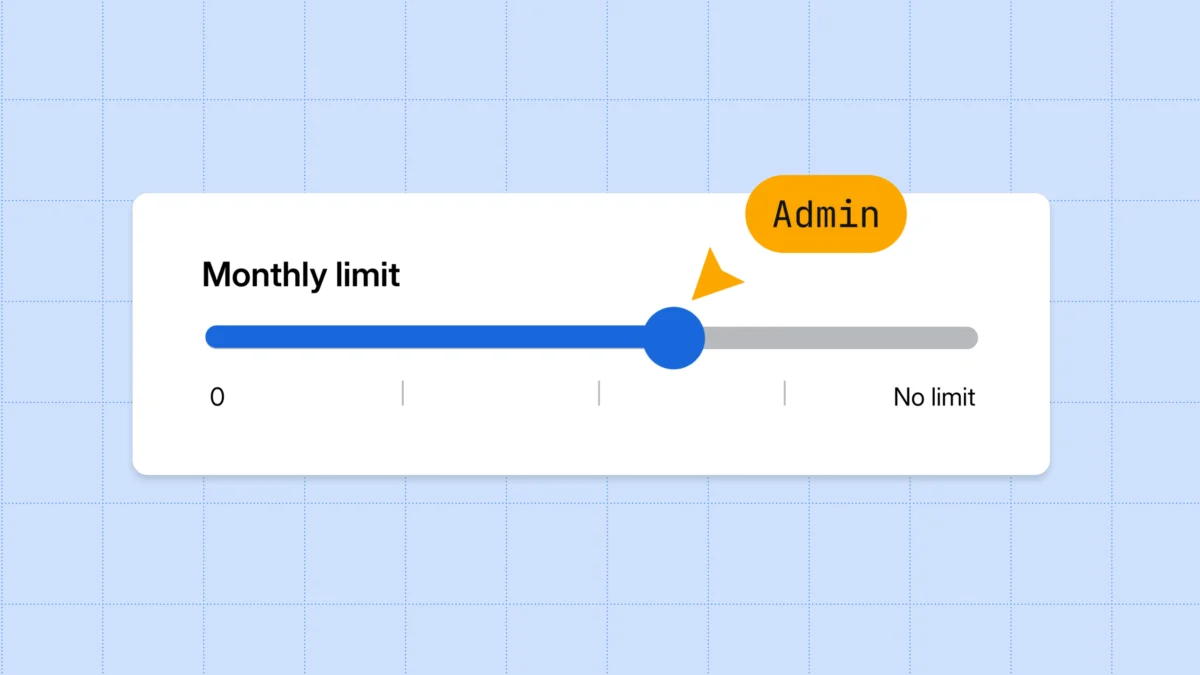
To facilitate this transition, Atlassian is prioritizing transparency and administrative control. The company recognizes that moving to a consumption-based model can introduce concerns regarding budget predictability and "bill shock." In response, the new model is designed to provide organization and billing administrators with full visibility into how their teams are interacting with AI capabilities. Most customers currently on paid cloud plans will find that they already have built-in allowances for these services. For organizations that require higher volumes of AI interactions or automation executions, administrators will have the autonomy to adjust limits at any time, ensuring that scaling is a deliberate and controlled process.
The expanded usage-based pricing model will specifically target several "meters" or categories of usage. While the core seat-based pricing for products like Jira and Confluence remains a primary component of the subscription, the specific AI-driven features and high-intensity automation tools will be subject to the new metered approach starting in late 2026. This timeline provides customers with a two-year window to monitor their current usage patterns, understand the value being generated, and budget accordingly before the new billing structures are enforced.
In addition to the AI-specific changes, Atlassian is expanding the availability of "Assets"—a flexible CMDB (Configuration Management Database) and object schema tool within Jira Service Management—to a wider range of customers. Simultaneously, Bitbucket allowances are transitioning to organization-level pooling. This pooling strategy allows for more efficient resource allocation, as unused capacity from one team can be utilized by another within the same organization, maximizing the value of the overall subscription.
Atlassian’s leadership emphasizes that this shift is rooted in the belief that AI and automation deliver deep, measurable value. To maximize this value, the company continues to invest heavily in its "Teamwork Graph" and "agentic" capabilities. The Teamwork Graph serves as a sophisticated context layer, built upon twenty years of data regarding how teams collaborate, the relationships between different tasks, and the historical context of project progression. This graph is the foundational intelligence that powers Atlassian’s AI, known as Rovo, and its various specialized agents.
The technical efficacy of this context-rich approach is backed by internal benchmarking. Atlassian reports that AI agents equipped with Teamwork Graph context deliver a 44% improvement in answer quality compared to those operating without it. Perhaps more importantly for the new usage-based model, these agents achieve higher quality results while using 48% fewer tokens. In the world of generative AI, tokens represent the basic units of text processed by a large language model. By reducing token consumption while increasing quality, Atlassian is effectively lowering the cost per interaction, a saving that becomes critical under a usage-based pricing structure.
The company is also ensuring that this intelligence is not siloed within its own proprietary stack. Through the Teamwork Graph CLI (Command Line Interface) and the inclusion of Teamwork Graph tools in the Rovo MCP (Model Context Protocol) Server, Atlassian is creating an open ecosystem. This allows any third-party AI tool or custom-built agent an organization chooses to use to tap into the rich organizational context already established within the Atlassian platform. This interoperability ensures that the investment a company makes in organizing its data within Jira, Confluence, or Bitbucket pays dividends across its entire AI strategy, regardless of which specific AI models or platforms they deploy.
The introduction of Rovo, Atlassian’s AI-powered search and assistance tool, represents a significant step in this journey. Rovo is designed to help users find information across a multitude of SaaS applications, learn new concepts through organizational data, and take action via specialized agents. The integration of the Model Context Protocol (MCP) further strengthens this by allowing Rovo to connect seamlessly with other developer tools and data sources, reinforcing Atlassian’s position as a central hub for enterprise work.
As the December 3, 2026, effective date approaches, Atlassian is encouraging its customers to take proactive steps to understand their current consumption. The Atlassian Administration portal now provides a centralized view of usage across all meters, allowing admins to track how their teams are currently utilizing AI and automation features. This data is intended to help organizations estimate future costs and set appropriate guardrails.
The company has also released a comprehensive suite of resources, including a usage and pricing guide, FAQs, and cost estimation tools. These resources are designed to help IT leaders and procurement departments navigate the transition with confidence. The focus remains on providing a platform that scales with the needs of the enterprise, offering flexibility in how AI is adopted while maintaining the transparency required for corporate governance.
In summary, Atlassian’s move to usage-based pricing for AI and automation is a strategic response to the evolving nature of enterprise software. By moving away from a one-size-fits-all seat count and toward a model that rewards efficiency and outcomes, the company is positioning itself for a future where AI agents are as common as human collaborators. The integration of the Teamwork Graph ensures that these AI interactions are not only frequent but highly effective and cost-efficient. As organizations continue their digital transformation journeys, the ability to scale AI capabilities with clear visibility and control will be a critical factor in their success. Atlassian’s new model seeks to provide that balance, ensuring that as the "seat" becomes less relevant, the "service" and the "result" become the primary drivers of enterprise value.