 11

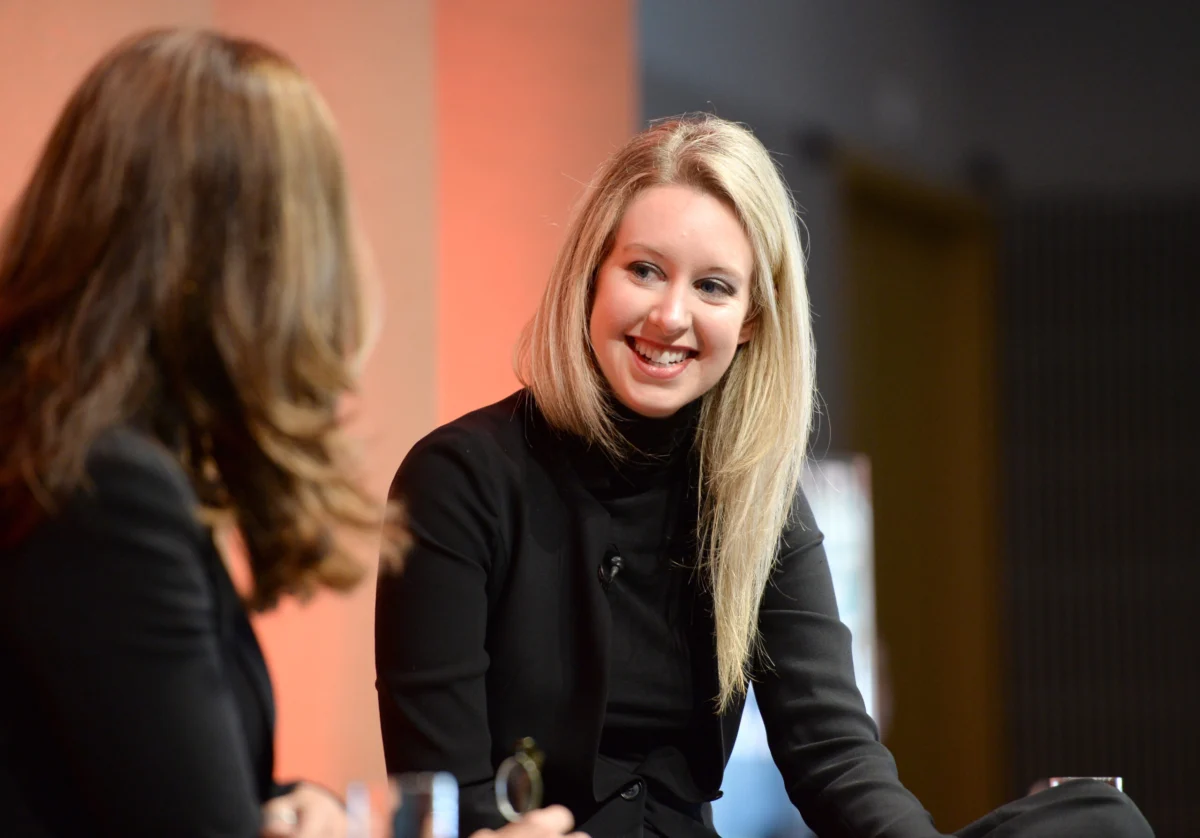
The Telluride Film Festival, renowned for its intimate atmosphere and meticulously curated programming, managed to pull off one of its most impressive and tightly guarded secrets in recent memory. On Sunday night, an unsuspecting crowd of festivalgoers gathered at a 650-seat theater, their mobile devices securely locked away, with no prior knowledge of the cinematic experience awaiting them. The only clues provided were that the film ran for nearly three hours, had never before been screened publicly, and its principal creators would be in attendance. The grand reveal was a new documentary, co-directed by the acclaimed Nathan Fielder and Lance Oppenheim, focusing on the infamous Theranos founder, Elizabeth Holmes.
This surprise premiere underscored Telluride’s unique position within the global film festival circuit, where secrecy often amplifies anticipation and allows films to debut purely on their artistic merit, unburdened by pre-release hype. The festival has a storied history of showcasing major films before their wider public unveiling, often becoming a crucial launchpad for Oscar contenders and critically acclaimed works. The logistical feat of keeping a nearly three-hour documentary about such a high-profile, controversial figure entirely under wraps until its debut speaks volumes about the festival’s commitment to preserving the magic of discovery for its audience. The palpable excitement in the theater, born from genuine surprise, undoubtedly set a unique tone for the film’s initial reception.
Titled "You Can See Everything," the documentary offers an unprecedented glimpse into the life of Elizabeth Holmes and her husband, Billy Evans, during a profoundly critical period. The film chronicles the 34 days leading up to May 2023, when Holmes reported to a federal prison in Bryan, Texas, to commence her 11-year sentence. Her incarceration followed her conviction for defrauding investors regarding the capabilities and efficacy of Theranos’s much-hyped, yet ultimately fraudulent, blood-testing technology. This specific timeframe captured by the filmmakers promises a raw and intimate portrait of a woman facing the imminent loss of her freedom and grappling with the consequences of one of Silicon Valley’s most spectacular downfalls.
The involvement of Nathan Fielder and Lance Oppenheim as co-directors immediately piqued significant interest among cinephiles and industry insiders. Nathan Fielder, known for his groundbreaking and often discomforting comedic series "Nathan for You" and the critically acclaimed "The Rehearsal," has carved out a unique niche exploring social dynamics, performance, and the blurred lines between reality and artifice. His distinctive approach often involves elaborate, meticulously planned scenarios that push the boundaries of documentary filmmaking and personal interaction. Lance Oppenheim, on the other hand, gained recognition for his poignant and visually striking documentary "Some Kind of Heaven," which explored the lives of elderly residents in a Florida retirement community. Oppenheim’s style often blends observational filmmaking with a heightened aesthetic, creating narratives that are both intimate and subtly surreal. The collaboration between these two distinct directorial voices suggests a documentary that will likely transcend conventional biographical storytelling, offering a nuanced and potentially unsettling exploration of Holmes’s final days of freedom.
The story of Elizabeth Holmes and Theranos remains one of the most compelling narratives of ambition, innovation, and deceit in modern corporate history. Holmes founded Theranos in 2003, promising to revolutionize healthcare with proprietary technology that could perform a wide range of blood tests using only a few drops of blood from a finger prick. The company attracted enormous investment, reaching a valuation of $9 billion, and Holmes herself became a Silicon Valley darling, lauded as a visionary entrepreneur. However, investigative journalism, most notably by John Carreyrou of The Wall Street Journal, began to expose the stark reality: Theranos’s technology was largely non-functional and highly inaccurate, and the company was systematically misleading investors and the public. Holmes was ultimately indicted on multiple counts of fraud and conspiracy, culminating in a high-profile trial that captured global attention and resulted in her conviction in January 2022. Her story has since been the subject of numerous books, podcasts, and dramatized series, solidifying her place as a cautionary tale in the annals of corporate malfeasance.
The documentary’s focus on the 34 days before Holmes’s prison reporting date offers a unique window into her mindset and domestic life during that period. This decision by Holmes and Evans to grant such extensive access, including Fielder reportedly living in their guest house during filming, struck many as profoundly "shocking." Individuals facing federal incarceration, particularly those with a history of media scrutiny and legal battles, typically retreat from public view, carefully guarding their privacy. The willingness of Holmes and Evans to open their lives to Fielder and Oppenheim, especially given Fielder’s reputation for unconventional and often intrusive methods, raises questions about their motivations. Was it an attempt to control her narrative in the face of overwhelming public condemnation? A bid for empathy? Or simply a desperate act to document a final chapter before an irrevocable change in circumstances? The depth of access provided suggests a level of trust or perhaps a calculated risk taken by Holmes, allowing the filmmakers to capture moments of vulnerability, reflection, or perhaps a continued performance, depending on the directorial lens.
Beyond the intimate portrayal of Holmes’s pre-incarceration life, the documentary also sheds light on her persistent, albeit largely unsuccessful, legal efforts to avoid or reduce her sentence. Following her conviction, Holmes’s legal team mounted several appeals to overturn the verdict and shorten her 11-year prison term. These appeals, which typically challenge procedural errors, evidentiary rulings, or constitutional violations during the trial, were ultimately rejected in February of last year. The denial of these appeals marked a significant blow to her hopes of avoiding prison or securing an early release. Subsequently, Holmes pursued a different avenue, submitting a clemency petition to then-President Donald Trump. A presidential clemency petition, which can take the form of a pardon (full forgiveness of a crime) or a commutation (reduction of a sentence), is a rare and often politically charged process. It bypasses the traditional judicial appeals system and rests solely on the discretion of the President. The fact that her clemency petition remains listed as "pending" on the Justice.gov website signifies that it has been officially opened and is still under review, keeping a slim possibility of a sentence reduction alive, however remote.
Adding another layer of intrigue to "You Can See Everything" is the mention of an "A-list actress who becomes part of the story itself." The source material deliberately refrains from naming the actress or specifying her role, fueling speculation about her involvement. This detail could suggest various possibilities: perhaps the actress is interviewed as someone who was impacted by Theranos, a public figure offering commentary, or even an individual who engaged with Holmes or her story in a unique capacity. Given Fielder’s penchant for meta-narratives and blurring the lines between reality and fiction, it is conceivable that the actress’s role could be unconventional, possibly playing a character who interacts with the real-life subjects, or even herself, reflecting on the Holmes saga. This element promises to add a fascinating, perhaps self-referential or performative, dimension to the documentary, distinguishing it from more straightforward journalistic accounts.
The film’s upcoming release in October by A24 further solidifies its anticipated impact and artistic credibility. A24 has established itself as a powerhouse independent film studio and distributor, renowned for its discerning taste in unique, critically acclaimed, and often boundary-pushing projects. Their slate includes a wide array of genre-defying films and documentaries that resonate with both critics and audiences, often garnering significant awards recognition. A24’s involvement signals that "You Can See Everything" is expected to be more than just a factual recounting of events; it suggests a work that is artistically ambitious, thoughtfully constructed, and likely to spark considerable conversation and debate. The combination of Nathan Fielder and Lance Oppenheim’s distinct directorial styles, the unprecedented access to Elizabeth Holmes during a pivotal moment, and A24’s distribution muscle positions this documentary as a must-see event, offering a fresh, complex, and potentially unsettling perspective on one of the most scrutinized figures of the 21st century. The trailer, available for public viewing, is expected to further build anticipation for this highly anticipated cinematic exploration.






