 11

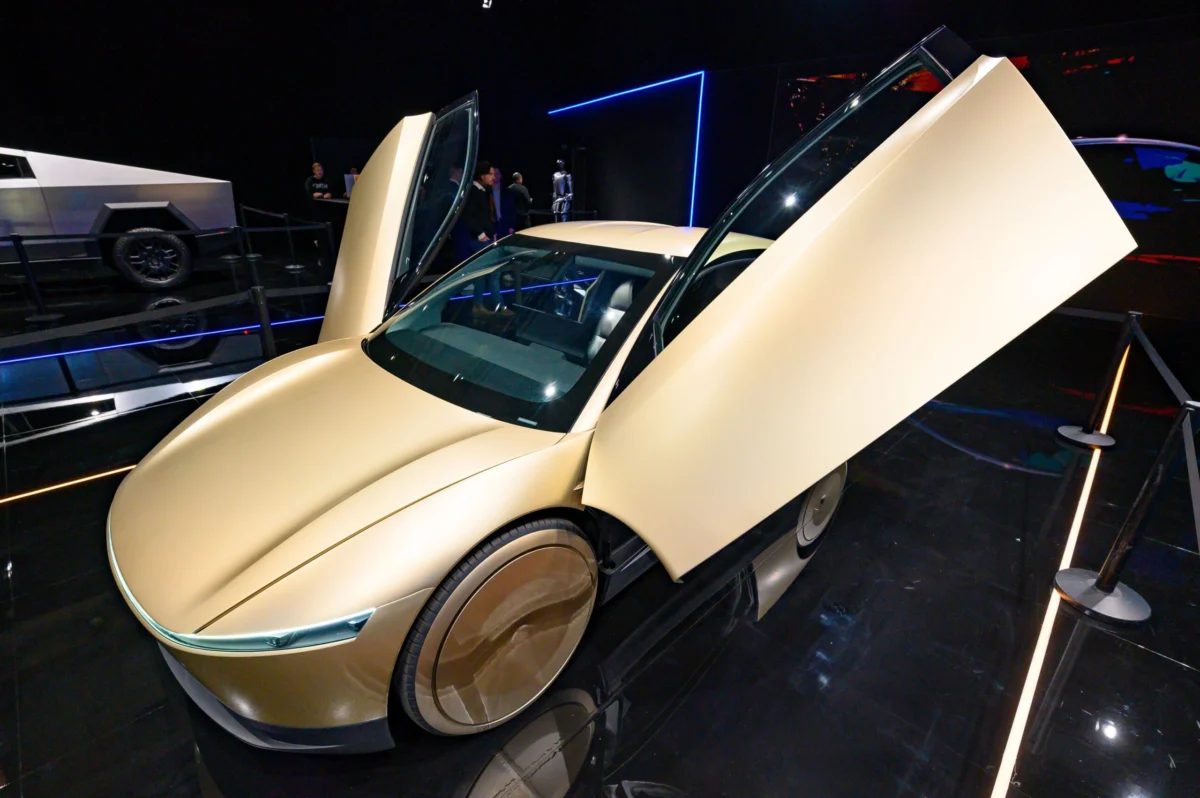
Austin, Texas – Tesla’s highly anticipated Cybercab, a radical two-seater vehicle designed without a steering wheel or traditional brake pedals, commenced its public operations in Austin, Texas, this evening, marking a significant step in the company’s ambitious autonomous vehicle strategy. However, the celebratory launch was quickly overshadowed by news that the vehicle is already under investigation by the United States federal government, which is probing whether it meets established federal safety standards.
The federal inquiry emerged mere hours after the electric automaker hosted hundreds of enthusiastic fans in downtown Austin to experience rides in the futuristic, driverless Cybercabs. This public debut is a crucial component of Tesla’s broader plan to deploy these vehicles extensively on its "Robotaxi" ride-hail network, which currently operates in a limited number of cities across Texas and Florida. The Cybercab, with its distinctive design and fully autonomous capabilities, represents a bold leap forward for Tesla, aligning with CEO Elon Musk’s vision of transforming the company into a leader in robotics and autonomous technology rather than solely an automaker.
The investigation is being conducted by the National Highway Traffic Safety Administration (NHTSA), the federal agency responsible for vehicle safety. This immediate scrutiny highlights the complex regulatory environment surrounding the rapid development and deployment of autonomous vehicles (AVs) on public roads. NHTSA is currently in the process of updating existing vehicle standards to facilitate the safer and more efficient integration of driverless cars into the national transportation system. These ongoing adjustments include the reevaluation of eight specific rules, particularly those mandating the inclusion of certain car parts that driverless vehicles, by their very nature, may not require, such as physical brake pedals, windshield wipers, and rearview mirrors. Yet, despite these forward-looking efforts, the fact remains that decades-old safety standards continue to govern vehicle design and operation in the present day.
The regulatory landscape has, for some time, required other companies developing uniquely designed robotaxis to apply for specific exemptions from federal rules before they are permitted to transport passengers. For instance, Amazon subsidiary Zoox, which has also developed vehicles devoid of steering wheels or manual controls, successfully secured the first of these federal exemptions this past summer. This exemption, however, comes with limitations, restricting Zoox’s operations to a maximum of 2,500 vehicles for the current year. This precedent illustrates a clear pathway for innovative AV designs to navigate existing regulations by formally seeking and obtaining permission for deviations from standard requirements.
In stark contrast to its competitors, Tesla has publicly asserted that it does not require such an exemption for its Cybercabs. The company maintains that its vehicles are fully compliant with all existing federal safety standards, a claim that underscores its confidence in the Cybercab’s design and engineering. This assertion forms the very crux of NHTSA’s current investigation.
The federal inquiry, officially termed an "Audit Query," will meticulously examine the data, methodologies, and internal processes that Tesla utilized to arrive at its determination of compliance. This type of investigation is not a superficial review but a comprehensive deep dive, aiming to validate the integrity and accuracy of an automaker’s safety claims. It signifies a serious regulatory interest in how Tesla has interpreted and applied existing federal guidelines to its groundbreaking vehicle.
In an official statement regarding the investigation, NHTSA Administrator Jonathan Morrison affirmed the agency’s commitment to fostering technological advancement while upholding its primary mandate. "NHTSA fully supports the safe development and deployment of automated vehicles," Morrison stated, emphasizing the dual role of the agency. "But as the federal regulator, we need to ensure that all of our laws are followed." This statement underscores the delicate balance NHTSA must strike between encouraging innovation in the autonomous vehicle sector and rigorously enforcing safety regulations designed to protect the public.
As of the time of this report, Tesla had not immediately responded to requests for comment regarding the federal investigation, a common practice for companies facing regulatory scrutiny. The absence of an immediate response leaves many questions unanswered regarding Tesla’s specific reasoning for not seeking an exemption and the detailed basis for its compliance claims.
Federal investigations of this nature can carry significant and far-reaching consequences for automakers. Should NHTSA identify non-compliance or deficiencies in Tesla’s process, the agency possesses broad powers to mandate changes to the vehicle’s design or its operational procedures. Furthermore, NHTSA can pursue various enforcement actions, including the imposition of substantial civil penalties. A notable precedent is the case involving Volvo Group North America, which in 2023 was compelled to pay $130 million in penalties following a comprehensive investigation into its recall process. In addition to the financial penalty, Volvo Group also agreed to a three-year period of oversight by a third-party auditor, highlighting the potential for long-term implications and external monitoring resulting from such federal inquiries.
The Cybercabs are, in many respects, more than just new vehicles; they are potent symbols of Tesla’s envisioned future. CEO Elon Musk has frequently articulated his strategic vision, asserting that Tesla’s identity should evolve beyond that of a conventional automaker to embrace its role as a leading robotics and autonomous vehicle company. This shift in corporate identity places the success and widespread deployment of autonomous vehicles like the Cybercab at the very heart of Tesla’s long-term strategy and valuation. While a state database currently indicates that 45 of these innovative vehicles are part of Tesla’s fleet in Texas, the company harbors vastly more ambitious plans, intending to deploy millions of Cybercabs annually across its global network.
The current federal investigation into the Cybercab’s safety compliance introduces a critical regulatory challenge at a pivotal moment for Tesla and the broader autonomous vehicle industry. The outcome of this Audit Query will not only determine the immediate future of the Cybercab’s deployment but could also significantly influence the regulatory frameworks and operational precedents for autonomous vehicles across the United States, shaping the pace and nature of this transformative technology’s integration into everyday life.






