 11

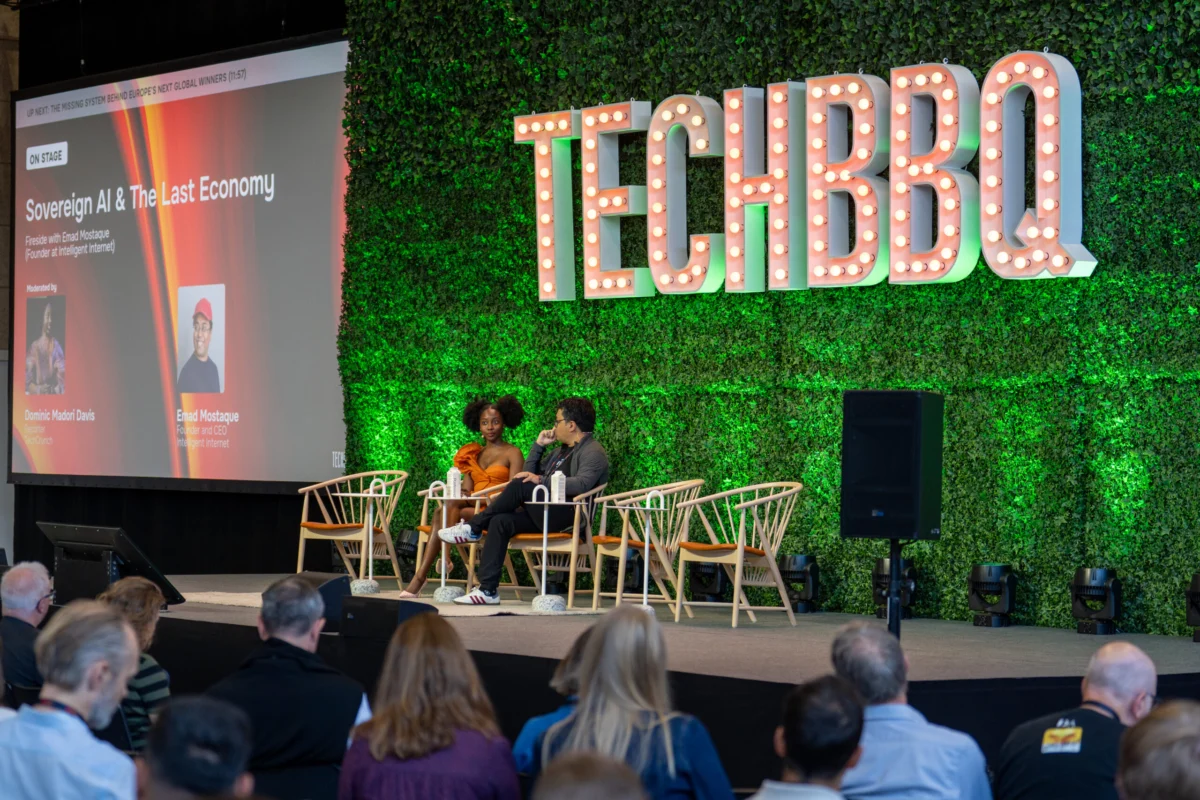
Copenhagen recently played host to TechBBQ, the annual Nordic conference that convened a diverse assembly of investors, founders, and operators from across Europe. While the discourse naturally gravitated towards the burgeoning potential of Artificial Intelligence, a more profound and pressing question dominated the agenda: not merely what to build with AI, but fundamentally, who should control it. From the main stages to the more intimate settings of cocktail hours and exclusive after-parties, the recurring theme was Europe’s imperative to secure greater autonomy over the foundational technology underpinning the global AI revolution.
This urgent quest for sovereignty resonated deeply with the conference’s overarching theme, "Emerging from Agency." The timing was particularly apt, following a significant incident earlier in the year when Anthropic’s AI models, Mythos and Fable, became unexpectedly unavailable to users outside Europe. This event served as a stark and immediate catalyst, compelling the European ecosystem to confront the critical implications of its reliance on external powers for essential AI infrastructure.
The incident ignited serious reflection within the European tech community about the strategic importance of owning the foundational models and the underlying infrastructure that powers the current AI wave, rather than perpetually renting this crucial capability from dominant players in the U.S. and China. The practical ramifications of this dependency were keenly felt by some; one startup executive recounted how the sudden unavailability of Mythos and Fable severely disrupted his software team’s operations. Conversely, others exhibited a more measured response, with another executive shrugging off the incident. While acknowledging the potential for "severe headaches" should Europe continue to rely on two other geopolitical powers for its AI backbone, he suggested that, for the immediate future, the situation remained "pretty much OK." This divergence in perception underscored the varying degrees of urgency felt across the continent regarding AI sovereignty.
Ellen de Brever, an angel investor and head of partnerships at the Novo Nordisk Foundation Cellerator, articulated the shift in focus observed at the conference, which concluded on August 27. "TechBBQ’s theme of agency felt particularly timely this year as the conversation shifted from what AI can do to what we’re actually willing to let it do," she noted. Her observation highlighted a pivot from purely technological capabilities to a more ethical and governance-centric discussion. She further elaborated that "the debates weren’t about smarter machines, but about human judgment and who gets to stay in the driver’s seat." This perspective framed the AI challenge not as an engineering problem, but as a societal one concerning control and responsibility. De Brever concluded with a powerful statement, emphasizing, "The age of AI agents isn’t really a story about machines gaining agency. It’s a story about humans deciding what to give up." This sentiment underscored the profound philosophical implications of increasingly autonomous AI systems and the choices humanity faces in ceding control.
Beyond the central AI debate, TechBBQ presented a rich and diverse agenda reflecting the broader concerns and aspirations of the European tech scene. Panels delved into the future of women’s health, exploring innovative solutions and investment opportunities in this critical area. A dedicated summit fostered collaboration between the Nordic and African ecosystems, focusing on joint initiatives for innovation and investment, recognizing the untapped potential of cross-continental partnerships. Discussions also addressed the vital need to inject more growth capital into Europe, a persistent challenge in scaling European startups to global prominence. While AI permeated many of these discussions as an underlying technological driver, de Brever’s point remained salient: the core focus was on human agency and the ethical boundaries of technological advancement, rather than merely celebrating computational prowess.
A particularly refreshing session, according to one attendee, was the panel featuring Signal President Meredith Whittaker, which was moderated by the author and centered on the crucial question of whether privacy and AI can genuinely coexist. Whittaker, known for her forthright views, did not equivocate. She voiced strong opposition to the pervasive integration of AI assistants and agents into operating systems, citing examples like ChatGPT’s integration with iMessage. Whittaker asserted that the current AI era is actively constructing a "data collection apparatus," arguing that AI laboratories employ sophisticated marketing strategies to divert public attention from "the collateral consequences" of amassing such vast quantities of personal data. She passionately argued for the enduring relevance of privacy, stating, "There is still a huge market need for privacy. And particularly with the sovereignty concerns, we will have customers here." Her remarks underscored Europe’s unique opportunity, given its stringent data protection regulations, to champion privacy-preserving AI solutions and cater to a growing global demand for secure digital interactions.
In another highly anticipated session, Emad Mostaque, co-founder of Stability AI and Intelligent Internet, participated in a panel, also moderated by the author, discussing the profound impact an agentic workforce will have on the global economy and, crucially, on personal sovereignty. Mostaque offered a concise yet potent definition: "Sovereignty is the ability to resist power being exerted over you." He articulated concerns regarding the increasing concentration of power within a select few AI laboratories, cautioning that "inevitably, every country will be run by AI" and that "the person that controls the AI controls the country." This stark warning highlighted the geopolitical ramifications of AI development and control, suggesting a future where national power might be inextricably linked to AI mastery.
Following this thought-provoking panel, Mia Negru, the advocacy and engagement director for the nonprofit Life With Artificials, shared her reflections. Her message captured the profound societal shifts implied by these technological advancements: "If intelligent agents perform cognitive work and robots increasingly perform physical work, we may be approaching something much bigger than another technological revolution." Negru’s insight suggested that the implications extend far beyond mere technological change, necessitating a fundamental re-evaluation of core societal constructs. She concluded, "We may have to rethink ownership, work, democracy, economic participation and eventually even who gets to participate in society." Her words served as a powerful call to consider the deep, structural changes that an AI-driven future might demand, challenging conventional understandings of human roles and rights.
Despite the gravity of these discussions, TechBBQ also fostered an environment of vibrant networking and camaraderie. When panels were not in session, attendees seized the opportunity to unwind and connect at numerous happy hours and rooftop soirées, where lighter conversations often took precedence. These social events provided a vital counterpoint to the intense intellectual debates, allowing participants to forge new relationships and deepen existing ones in a relaxed atmosphere.
A highlight was the rooftop barbecue co-hosted by Lovable, Nvidia, OpenAI, AWS Startups, and HSBC, where conversations flowed freely about Denmark’s burgeoning tech hubs and its increasing prominence in the European startup landscape. The event provided a platform for founders to discuss the unique advantages and challenges of building tech companies in the Nordic region. Separately, London’s Ada Ventures hosted a lively gathering at the cocktail bar Bird, where discussions included insights from a health tech founder about the exciting surge in innovation within the women’s brain health space, a field gaining significant traction and investment. The conference also treated speakers to a memorable dinner on a picturesque island in the heart of Copenhagen, where international press mingled and collectively enjoyed a captivating display of fire dancers. The evening’s festivities extended to an after-party upstairs, tempting many to linger for "just one more drink" until the bar tab finally closed, symbolizing the enduring spirit of connection and collaboration.
De Brever beautifully encapsulated the essence of these interactions, providing a poignant reflection on the human dimension of the event. "In a room full of conversations about machines, the most memorable moments still come from the simplest thing," she observed. "Human connection, face-to-face, building relationships, sharing ideas, and reminding each other of what technology can never quite replace." Her words served as a powerful reminder that amidst the rapid advancements of AI, the fundamental human need for connection, collaboration, and shared experience remains paramount, forming the true bedrock of innovation and progress. The discussions at TechBBQ underscored Europe’s determined pursuit of AI sovereignty, not just as a technological imperative, but as a critical safeguard for human values, privacy, and societal autonomy in an increasingly AI-driven world.






