 11

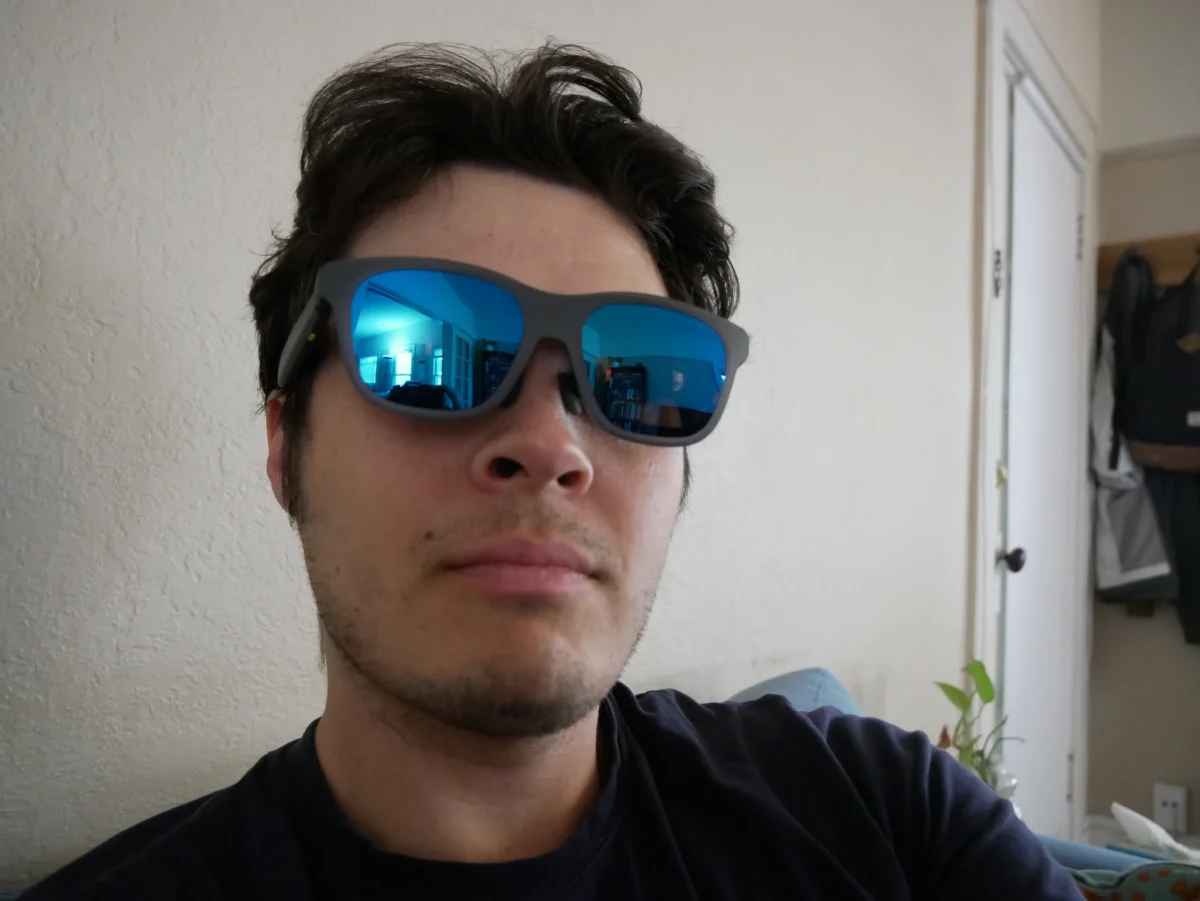
For avid movie enthusiasts constantly seeking novel ways to engage with cinematic content, the prospect of experiencing films through smart glasses presents an intriguing new frontier. XREAL, a prominent smart glasses manufacturer, recently introduced its a01 model, released in May of this year, positioning it as a potential new vector for media consumption. This review delves into the capabilities and limitations of the XREAL a01, particularly from a cinephile’s perspective, while also examining its broader utility and place within the competitive smart glasses market.
The XREAL a01 distinguishes itself by its relatively straightforward design and functionality. Unlike more complex augmented reality (AR) glasses, such as Meta’s Orion or Snap’s Specs, which integrate extensive software and advanced AR features, the a01 primarily functions as an external monitor. This design choice contributes to its accessibility and a more focused utility. Furthermore, the device operates without an internal battery or a dedicated power mechanism. Instead, it relies on a simple USB-C connection, drawing power directly from the chosen host device, be it a laptop, smartphone, or gaming console. This design philosophy also contributes to its approachable price point, retailing for approximately $300, making it a more affordable entry into the smart glasses ecosystem.
While the a01 is technically optimized for gaming, particularly when paired with handheld gaming devices like the Steam Deck, XREAL also markets it as a viable platform for watching movies and television shows. The reviewer, aligning with their personal interest in cinematic experiences, opted to test the glasses by connecting them to a personal laptop and streaming content from the Criterion Channel. An initial viewing session involved David Lynch’s film "Wild at Heart," highlighting a memorable sequence featuring Nicolas Cage in a snakeskin jacket, engaging in a bar fight, and performing an Elvis song. This practical test provided direct insight into the device’s performance in a real-world entertainment scenario.
From a visual standpoint, the a01 delivers a commendable performance. The glasses are equipped with dual mini OLED panels, which together provide a 1080p resolution. These panels boast a brightness level of up to 1,600 nits, contributing to exceptionally vibrant colors and a sharp image quality. When used in a setting where the projections are aimed at a wall, the experience can be likened to using a vivid home projector or even a drive-in movie screen. In a darkened room, the immersive quality intensifies, bringing the viewer closer to an authentic in-theater experience. The clarity and richness of the displayed images are undoubtedly one of the device’s strongest attributes.
However, the overall user experience raises several pertinent questions regarding the device’s practical purpose, particularly in certain use cases. A primary concern emerged when using the glasses tethered to a laptop: the redundancy of watching content on the glasses while the same video simultaneously plays on the laptop screen, often just 14 inches away. XREAL’s rationale for this setup emphasizes immersion, claiming the device’s projections simulate viewing content on a vast 147-inch screen. Yet, the simultaneous display on a proximate laptop screen somewhat diminishes the perceived value of this immersion, leading to questions about the actual necessity of the glasses in such a context.

XREAL has also suggested the a01 could function as a "second monitor," or more accurately, a "wearable display." However, the practicality of this application is similarly questionable. The design of the glasses makes it challenging to perceive anything beyond the projected content, rendering it difficult to simultaneously engage with tasks on a laptop screen while wearing the device. This limitation significantly hinders its potential as a productivity tool, confining its primary utility to singular content consumption.
The a01 also offers connectivity with smartphones, promising enhanced mobility. However, the reviewer encountered a compatibility issue with an older iPhone model, requiring an adapter to connect the USB-C cable to the phone’s port. Despite this personal hurdle, the envisioned user experience with a smartphone connection highlights a key advantage. By linking the glasses to a phone, users are no longer constrained to indoor environments or the heft of a laptop. This portability opens up possibilities for watching movies while traveling on planes or trains, or in other mobile settings. Caution is advised, however, against using the glasses while walking outdoors, as the immersive display could pose significant safety risks by obscuring real-world surroundings.
Despite the promise of mobile freedom, certain inconveniences persist. The glasses continue to function purely as a screen-mirroring device, necessitating that the phone’s screen remain active throughout the viewing experience. This perpetuates the redundancy issue, as the same video is displayed on both the glasses and the phone, often within close proximity. While placing the phone in a pocket might mitigate the visual distraction, there remains a high probability that jostling or movement could interrupt playback functionality.
To address some of these limitations and offer a more standalone experience, XREAL provides a separate accessory called the Beam Pro. This mini-tablet essentially acts as an isolated streaming hub, allowing users to download shows and movies directly onto the device, connect it to the glasses, and watch without relying on a separate phone or laptop for content or power. However, this enhanced functionality comes at an additional cost of approximately $200, increasing the overall investment.
Another notable aspect of the a01’s performance is the issue of heat generation. After a relatively short period of use, the device tends to warm up, creating an "odd tingling sensation" on the bridge of the nose and around the eyes. This phenomenon is not unique to XREAL’s products; it is a well-documented characteristic and a known defect in many extended reality (XR) glasses. The compact nature of these devices, combined with the electrical processing required for their operation, inevitably leads to heat buildup. While perhaps not a critical flaw, it is a minor discomfort that detracts from the overall user experience, particularly for an accessory worn directly on the face.
Despite the heating issue, the a01 is generally considered a lightweight and comfortable device. Its design avoids the excessive bulkiness often associated with other smart glasses. In comparison to models like Snap’s Specs, which the reviewer experienced at CES earlier this year and described as "significantly heavier" (though acknowledging they are a different class of device), the a01 offers a more manageable and less cumbersome fit for extended wear.

XREAL continues to innovate and refine its product line, with each new iteration showing improvements. Many of the existential dilemmas and practical limitations identified in the a01 and its predecessors appear to be addressed in the company’s forthcoming device, Project Aura, which was previewed at Google I/O earlier this year. The Aura promises a significantly more immersive and convenient user experience. Powered by Android XR, an extended reality operating system co-developed by Google and Samsung, Project Aura is slated to include native hand tracking—a feature absent in the a01—and access to the Google Play Store, thereby expanding its interactive capabilities and AR potential. Crucially, the Aura will feature a tethered puck that serves as both a charging source and a compute node. This design allows the puck to be easily carried in a pocket, granting users substantially more mobility than the a01, which requires continuous connection to a separate device.
Returning to the a01, from a dedicated cinephile’s viewpoint, watching movies on smart glasses is not yet an ideal solution. Movie enthusiasts generally prioritize large screens, often equating size with an optimal viewing experience. In an era dominated by a wide array of gargantuan 4K OLED televisions, consumers have numerous options for immersive home viewing. Even a moderately sized 55-inch TCL S-series television can provide a more comfortable and satisfying home-viewing experience than the a01. The in-theater experience remains the gold standard, followed closely by a large flat-screen TV at home. While watching a film on tiny screens positioned inches from the eyes offers a distinct sense of immersion, it falls short of being considered optimal for the general movie-watching public.
The XREAL a01 serves as an interesting indicator of the ongoing evolution within the hardware industry, particularly in the nascent smart glasses sector, which is still striving to establish a firm footing with mainstream consumers. The device offers a compelling visual experience but is hampered by issues of redundancy, limited productivity application, and thermal discomfort. The anticipation for XREAL’s upcoming Project Aura reflects a hopeful outlook for future iterations that aim to overcome these challenges and redefine the wearable display experience. The industry awaits to see how these advancements will shift user preferences and the role of smart glasses in daily media consumption.
When you purchase through links in our articles, we may earn a small commission. This doesn’t affect our editorial independence.






