 11

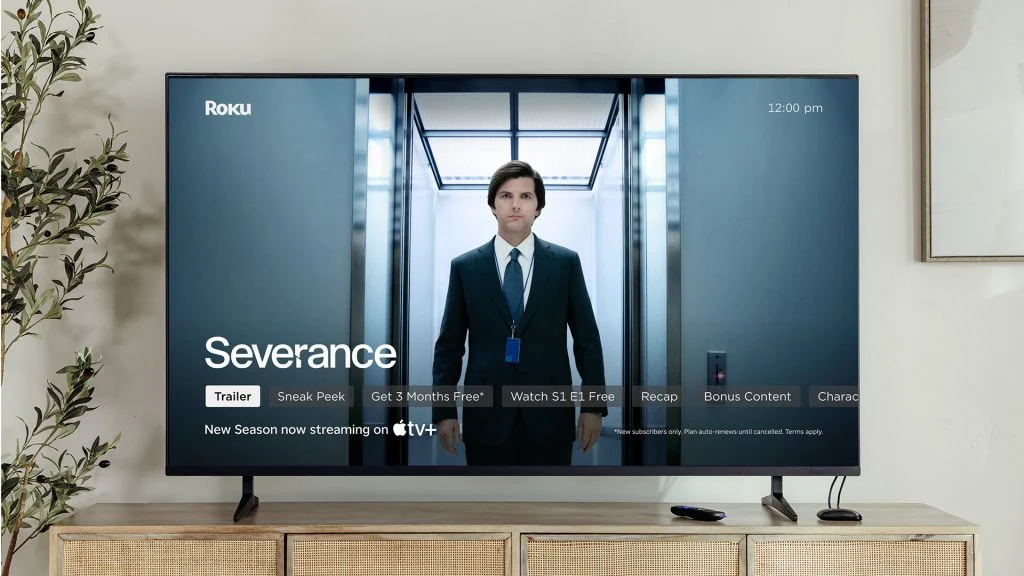
Cupertino, CA – For the fourth time in as many years, Apple TV+ is increasing its subscription prices, reflecting a growing trend across the streaming and technology sectors. The latest adjustment sees the monthly cost for Apple’s streaming service climb to $14.99, up from the previous $12.99. Similarly, the annual subscription fee will now be $119, a notable rise from the prior $99. This move positions Apple TV+ as one of the more premium offerings in an increasingly competitive and costly streaming landscape.
The consistent price escalations by Apple TV+ underscore a significant strategic shift within the streaming industry. What began as a fierce battle for subscriber acquisition, often fueled by aggressive pricing and promotional offers, has matured into a concerted effort by major players to achieve profitability. For Apple, a company renowned for its premium brand and ecosystem, these incremental price adjustments are likely part of a broader strategy to monetize its rapidly expanding services division, which has become a crucial growth engine alongside its traditional hardware sales.
The new pricing structure for Apple TV+ is not an isolated event but rather part of a comprehensive adjustment across Apple’s bundled services. The Apple One subscription, which offers a consolidated package including Apple TV+, iCloud+, Apple Music, Apple Arcade, and often other services like Apple Fitness+ and Apple News+, will also see its price rise. The base Apple One plan will now cost $21.95 per month, an increase from its previous $19.95. This integrated approach to pricing highlights Apple’s efforts to encourage users deeper into its ecosystem, where the perceived value of multiple services bundled together might soften the impact of individual price increases. The Apple One bundle has historically been a strong value proposition for users who engage with several of Apple’s digital offerings, and while its price has increased, it still aims to offer savings compared to subscribing to each service individually.
This pricing strategy from Apple mirrors a wider industry movement. Earlier this year, streaming giant Netflix confirmed its own price increases in March 2026, marking another adjustment in its long history of incremental hikes. These changes often affect various tiers, from basic to premium, and are typically justified by the ever-growing costs of producing high-quality original content, securing licensing deals, and investing in technological infrastructure. Similarly, NBCUniversal’s Peacock announced its own price increase earlier in August 2026, signaling that even newer entrants or services with hybrid ad-supported models are feeling the pressure to raise revenue. The cumulative effect of these widespread price increases across major streaming platforms is beginning to test consumer loyalty and spending limits, potentially leading to increased scrutiny from subscribers over the value they receive.

Beyond streaming services, the broader technology sector is also grappling with escalating costs, particularly in hardware. Recent reports indicate that tech companies, including Amazon, are raising hardware prices significantly, with some increases as high as 60 percent. The primary driver behind these hardware price hikes is attributed to ongoing shortages of critical components, particularly RAM (Random Access Memory), and other crucial chips. This scarcity is exacerbated by massive, unprecedented demand for hardware necessary to build and expand artificial intelligence (AI) data centers. The global race to develop and deploy advanced AI models has led to a surge in orders for high-performance computing components, creating supply chain bottlenecks and driving up costs for manufacturers across the board. These inflationary pressures on hardware can indirectly impact software and services, as the underlying infrastructure becomes more expensive to maintain and expand.
For Apple, a company deeply integrated into both hardware and services, these market dynamics present a complex challenge and opportunity. While the price hike for Apple TV+ may draw some immediate dismay from consumers, the company is strategically poised to offset potential negative sentiment with exciting new product announcements. Just days after the streaming price adjustment, Apple is scheduled to hold its highly anticipated annual iPhone launch event on September 9th, 2026. This event is a cornerstone of Apple’s calendar, where it traditionally unveils its newest generation of flagship smartphones and often other hardware innovations.
Speculation is particularly high that this year’s event could feature the debut of Apple’s first foldable iPhone model. The introduction of a foldable device would represent a significant leap in Apple’s smartphone design and engineering, potentially revitalizing a segment of the market that has seen innovation from competitors like Samsung and Huawei. A foldable iPhone would not only showcase Apple’s continued commitment to pioneering design and technology but could also create substantial buzz and consumer excitement, potentially overshadowing or mitigating any lingering discontent over the streaming price increases. The timing of such a major product launch shortly after a service price adjustment could be a deliberate strategy to leverage the positive attention generated by groundbreaking hardware.
In conclusion, Apple’s latest price increase for Apple TV+ and Apple One is a clear indicator of a maturing streaming market where profitability is taking precedence over pure subscriber growth. This trend is not unique to Apple, with major competitors like Netflix and Peacock also adjusting their pricing structures. Furthermore, the broader tech landscape is experiencing inflationary pressures driven by component shortages and the burgeoning demand for AI infrastructure, impacting hardware costs across the industry. Despite these rising costs for consumers, Apple is adeptly balancing its financial strategies with its innovation pipeline, aiming to maintain consumer enthusiasm with the impending launch of its newest iPhones, potentially including a highly anticipated foldable model. The coming months will reveal how consumers react to these combined economic shifts and technological advancements from one of the world’s most influential companies.






