 11

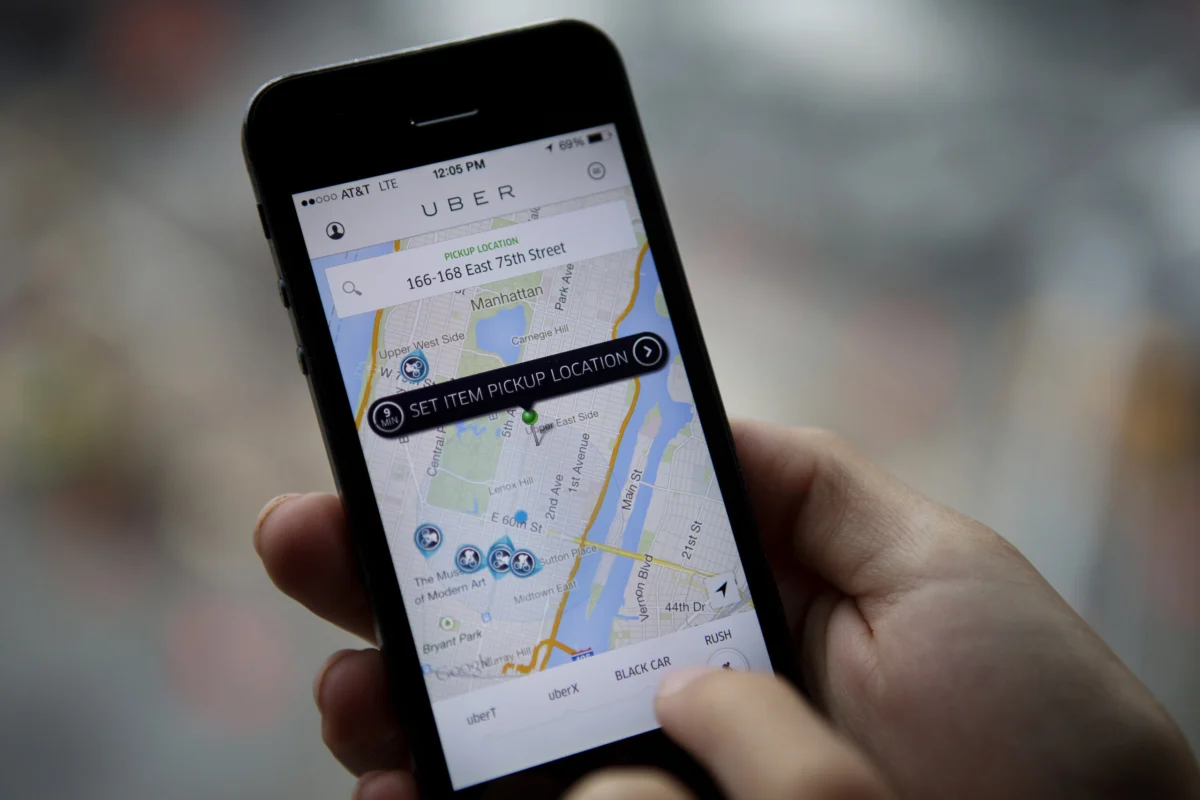
The Dutch Data Protection Authority (Autoriteit Persoonsgegevens – AP) has levied a substantial fine of €825 million (approximately $966 million) against ride-hailing giant Uber. This penalty marks the second-largest fine issued to date under Europe’s stringent General Data Protection Regulation (GDPR), underscoring the serious implications of automated decision-making on individuals’ livelihoods. The decision highlights the ongoing scrutiny of how technology companies manage user data and make critical operational decisions, particularly within the burgeoning gig economy.
The Dutch regulator initiated its investigation following numerous complaints from Uber drivers who reported having their accounts deactivated through an opaque automated process. The core of the issue, according to the AP, was a lack of sufficient warning or adequate human oversight in these deactivation decisions. Monique Verdier, the deputy chair of the Dutch Data Protection Authority, did not mince words in her statement, asserting that Uber had "committed serious infringements." She further emphasized the principle that "A computer should not make decisions on its own that have [such] major consequences," pointing to the significant impact these automated actions had on drivers’ ability to earn a living.
Uber, however, has strongly disputed the regulator’s findings and the magnitude of the fine, announcing its intention to appeal the decision. The company argued that the majority of driver suspensions are brief and temporary. Furthermore, Uber maintained that no permanent deactivations occur without a thorough human review, and that drivers are consistently provided with the ability to appeal any decision regarding their account status. This stance directly contradicts claims by Dutch regulators, who asserted that some drivers were indeed permanently deactivated without any human intervention. An Uber spokesperson articulated the company’s position, stating, "We strongly disagree with this decision and disproportionate fine."
The catalyst for this significant regulatory action traces back to the personal experience of Brahim Ben Ali, a former Uber driver in France. In 2019, Ben Ali found his account deactivated, a decision that abruptly cut off his income stream. Feeling unjustly treated, he embarked on a determined quest for answers and justice. His individual complaint quickly grew into a collective effort, as he gathered testimonies from approximately 170 other Uber drivers who had faced similar experiences of automated deactivation. Recognizing the need for a strategic approach, Ben Ali eventually brought his comprehensive complaint to the Netherlands, a crucial decision given that Uber’s European headquarters are situated there, placing the company directly under the jurisdiction of the Dutch Data Protection Authority for matters pertaining to its European operations.
In his pursuit, Ben Ali received crucial assistance from PersonalData.io, a Swiss nonprofit organization dedicated to championing digital rights. Paul-Olivier Dehaye, the founder of PersonalData.io, played a pivotal role in helping the affected drivers collect essential data and understand the mechanisms behind the deactivation decisions. Dehaye highlighted the often-unforgiving nature of the automated system, explaining that a driver "can complete a thousand journeys with satisfied passengers, but if just one person reports a very serious problem, the consequences can be enormous." This illustrates the precarious position of gig economy workers whose livelihoods can be instantly jeopardized by algorithmic decisions based on limited or potentially biased data.
This €825 million penalty is not an isolated incident for Uber in the Netherlands. According to Paul-Olivier Dehaye, this marks the third fine that the Dutch regulator has imposed on the company, all stemming from issues related to its handling of driver data and automated processes. Previously, Uber faced a €290 million fine for its management and transfer of drivers’ personal data, and a separate €10 million fine for related privacy infringements. Dehaye emphasized that all these fines originate from complaints lodged by the same persistent group of drivers, indicating a systemic pattern of data protection concerns that have consistently drawn the attention of the Dutch DPA. This series of penalties underscores a sustained regulatory effort to ensure Uber’s compliance with European data protection standards.
Looking ahead, Dehaye revealed plans to initiate a class action lawsuit, aiming to secure compensation for the drivers affected by Uber’s practices. To support this significant undertaking and other regulatory actions, he is launching a new company named StartClaims. Initially, StartClaims will focus its efforts on litigation against Uber, but its ambitions extend further. The company intends to eventually expand its scope to tackle similar issues within the broader gig economy, where automated decision-making and data handling practices frequently impact workers. Beyond the gig economy, StartClaims also plans to address related challenges in areas such as adtech, highlighting a commitment to advocating for digital rights across various technology sectors.
The Dutch regulator’s decision has also sparked a broader discussion among tech commentators and industry observers regarding the balance between platform oversight and individual rights. John Gruber, known for his blog Daring Fireball, voiced concerns that the fine might inadvertently make it "unlawful in the EU for Uber to monitor its drivers for pulling scams against customers, or just never picking riders up, leaving them stranded." Gruber also critiqued Monique Verdier’s statement, arguing that attributing decisions to "a computer" oversimplifies the process. He drew an analogy, suggesting that saying "the time clock" makes the decision when an employee is suspended for lateness is misleading, as managers set the policies and devices merely measure compliance. From Gruber’s perspective, the underlying policies, rather than the automation itself, are the true decision-makers.
However, Paul-Olivier Dehaye offered a direct counter to Gruber’s perspective, stating unequivocally that Gruber "misses the point." Dehaye clarified that the issue is not Uber’s right to monitor or take action against drivers engaging in misconduct. Instead, the crux of the matter lies in accountability and due process, particularly in the context of Uber’s self-proclaimed status as a "marketplace" rather than an "employer." Dehaye argued, "Uber is free to use humans to punish drivers who scam, but then [it] has to take responsibility for this decision making (like ‘being an employer’, not ‘being a marketplace’)." This statement encapsulates a fundamental debate within the gig economy: if companies leverage automated systems to make decisions that have profound employment-like consequences for individuals, they must also assume the responsibilities typically associated with employers, including providing fair process, human review, and clear avenues for appeal, rather than hiding behind an algorithmic veil. The Dutch DPA’s fine against Uber reinforces the European Union’s firm stance on data protection and human oversight, setting a significant precedent for how technology companies must operate when automated decisions impact individuals’ rights and livelihoods.






