 11

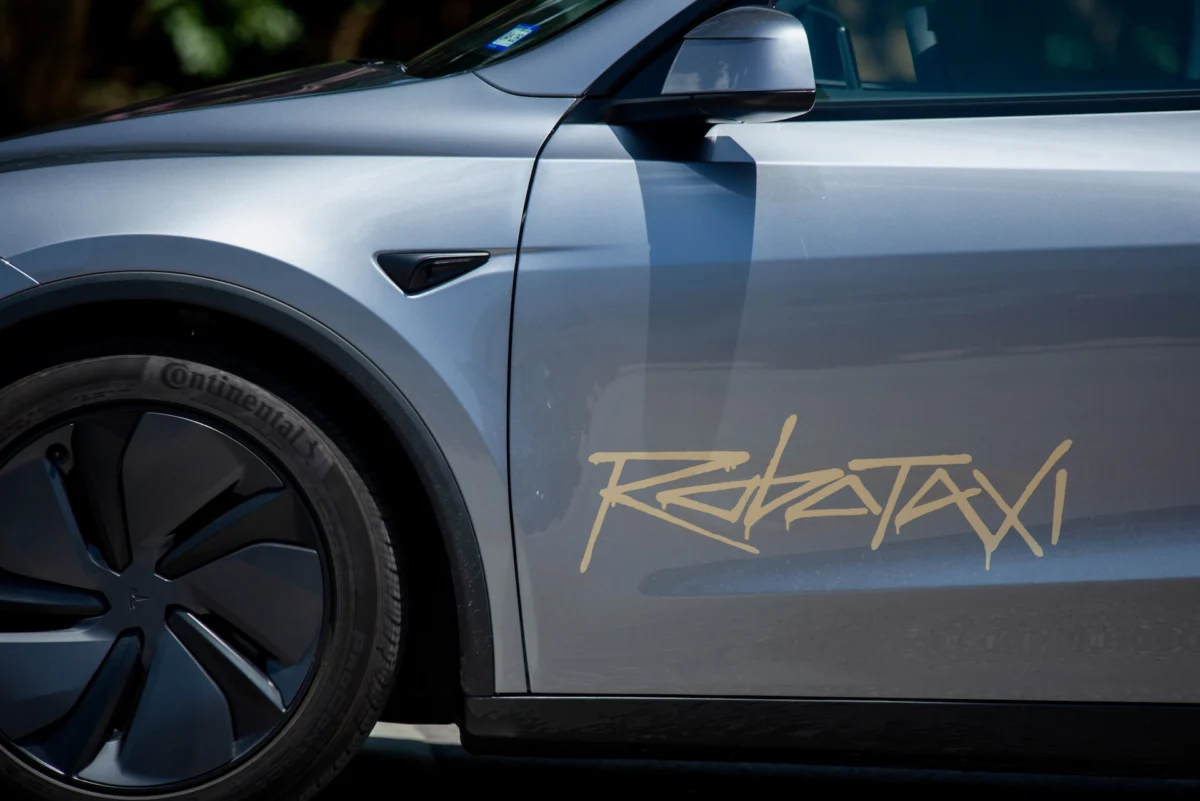
The Nevada Transportation Authority (NTA) has ushered in a new era of urban mobility for Clark County, the vibrant home of Las Vegas, by unanimously approving three pivotal permits. These approvals, granted on a recent Thursday, pave the way for major players in the autonomous vehicle sector – Tesla, Uber, and Waymo – to launch commercial robotaxi services within the county. This landmark decision sets the stage for a significant deployment, with the potential to introduce up to 8,000 robotaxis onto Clark County roads over the next 12 months, fundamentally transforming the local transportation landscape.
This expansive regulatory approval signifies a substantial leap forward for autonomous vehicle technology, moving it from experimental testing to widespread commercial operation in a bustling urban environment. The NTA’s decision underscores a clear commitment to fostering innovation and exploring the future of transportation, positioning Clark County, and particularly Las Vegas, as a prominent hub for advanced mobility solutions. The sheer scale of the potential deployment – thousands of self-driving vehicles – suggests a profound impact on everything from traffic patterns and public transit to employment and urban infrastructure.
Digging into the specifics of the permits, each company received authorization for a considerable fleet. Tesla secured a permit allowing it to deploy up to 5,000 robotaxis within the next year, marking an ambitious target for the electric vehicle giant’s autonomous aspirations. Waymo, a pioneer in self-driving technology, was approved to operate up to 1,000 autonomous vehicles over the same period. Uber, rather than operating its own proprietary autonomous fleet directly, received approval for 1,000 robotaxis that it plans to integrate through strategic partnerships with established autonomous vehicle developers, specifically Hyundai subsidiary Motional and Zoox. It is noteworthy that Zoox already possesses an autonomous vehicle network company permit, which currently allows it to operate a fleet of 100 robotaxis, suggesting an expansion of their existing footprint through the Uber collaboration.
Despite the impressive numbers outlined in the permits, the actual deployment figures over the coming year may be more conservative. Testimony presented during the NTA meeting from representatives of Tesla and the other approved companies indicated that the full permitted capacity might serve more as a long-term ceiling rather than an immediate operational target. Eric Early, Tesla’s Cybercab chief engineer, clarified this point during the proceedings, stating, "The 5,000 has always been a ceiling for us." He further elaborated on the company’s realistic expectations, acknowledging that logistical and operational challenges extend beyond mere technological readiness. "I don’t think we’ll be in a position by this time next year to deploy 5,000 vehicles, and it’s not [because of] the technology," Early explained. Instead, he offered a more attainable goal: "I think we would be extremely happy and satisfied if we could get ourselves up to 2,500, maybe a bit higher than that in the next year." This sentiment suggests that while the regulatory hurdles have been cleared, the practical complexities of scaling an autonomous fleet remain significant for all operators.
Even if these three companies collectively deploy only a fraction, perhaps half, of their approved totals, Clark County, and Las Vegas in particular, is poised to become a fierce battleground for robotaxi services. The entry of Tesla, Waymo, and Uber (through its partners Motional and Zoox) into this market signifies intense competition for riders in a city renowned for its high volume of visitors and constant demand for transportation. This concentrated deployment in a single metropolitan area will provide a unique real-world testbed for different autonomous driving technologies, operational strategies, and business models. The outcomes in Las Vegas could set precedents and offer critical insights for the broader rollout of robotaxi services in other major cities across the globe.
Such a rapid and large-scale introduction of robotaxis is expected to bring about profound changes to the city, most notably impacting its workforce. The advent of autonomous vehicles presents a dual narrative concerning employment. On one hand, proponents argue that these companies will generate an entirely new category of jobs. These roles would primarily focus on the essential tasks of maintaining, charging, and cleaning the sophisticated autonomous vehicles, creating a specialized technical and logistical support infrastructure. On the other hand, a significant concern, voiced by those representing existing transportation sectors, is the potential for the displacement of an entire category of workers: human taxi drivers and gig economy drivers who currently rely on ride-hailing platforms for their livelihoods. This potential workforce transformation is a critical socio-economic consideration that demands careful monitoring and proactive policy responses as the robotaxi fleets grow.
Predictably, the permits faced opposition from established transportation industry stakeholders. Representatives from the Livery Operators Association and local taxi companies vehemently argued against the approvals, contending that the NTA was moving "too far, too fast." Kimberly Maxson-Rushton, a lawyer representing the Livery Operators Association, articulated two primary concerns during the hearing. Her first concern centered on "the oversaturation of the commercial transportation industry as a whole in Nevada." This argument highlights fears that an influx of thousands of new commercial vehicles, albeit autonomous, could destabilize the existing market, potentially leading to reduced fares, fewer opportunities for human drivers, and financial strain on conventional taxi and livery businesses already operating within stringent regulatory frameworks.
Maxson-Rushton’s second grave concern addressed "the overcrowding of the roadways, and specifically the Golden Triangle." The Golden Triangle is a crucial and often congested area in Las Vegas, encompassing the airport, the iconic Las Vegas Boulevard (the Strip), and its immediate surroundings. It represents a vital artery for tourism and commerce, where traffic flow is already a significant challenge. The prospect of thousands of additional commercial vehicles, even if they operate efficiently, raises legitimate questions about potential exacerbation of traffic congestion, increased strain on road infrastructure, and impacts on the overall urban environment. This area is particularly relevant as it has been the primary zone for much of the autonomous vehicle testing conducted to date, with companies like Motional also extending their testing to the downtown area and the popular Town Square shopping district. The opposition’s arguments underscore a broader societal debate about integrating cutting-edge technology into existing urban ecosystems and managing the transition responsibly.
Amidst this evolving landscape, Uber has strategically positioned itself as advocating for a "Goldilocks option"—a balanced, hybrid approach to ride-hailing networks. This model envisions a future where both human drivers and robotaxis coexist and collaborate within the same ride-hailing ecosystem. Uber has actively lobbied for regulatory frameworks that would necessitate robotaxis to operate on such hybrid networks, a stance that inherently places it at odds with companies like Waymo, which typically favors fully autonomous, human-free operations. This strategy also serves as a shrewd hedge for Uber, mitigating risks should its own autonomous ambitions not fully match the pace or scale of competitors like Tesla or Waymo. By championing a hybrid system, Uber aims to ensure its continued relevance and operational flexibility regardless of the speed of autonomous vehicle development across the industry.
Uber reiterated this compelling pitch during the NTA meeting, emphasizing that a hybrid integration approach would offer cities a more controlled and adaptable method for gradually introducing autonomous vehicles. This gradual integration, as Uber argued, would allow for the seamless meeting of peak demand periods without the risk of "flooding the market all at once," thereby addressing concerns about oversaturation and traffic congestion raised by livery operators. This proposed model suggests a more measured transition, potentially easing the economic and social impacts on human drivers while still harnessing the benefits of autonomous technology. The debate over full autonomy versus a hybrid model highlights differing philosophies within the autonomous vehicle industry regarding deployment speed, market integration, and societal responsibility.
When you purchase through links in our articles, we may earn a small commission. This doesn’t affect our editorial independence.
Kirsten Korosec is a reporter and editor who has covered the future of transportation from EVs and autonomous vehicles to urban air mobility and in-car tech for more than a decade. She is currently the transportation editor at TechCrunch and co-host of TechCrunch’s Equity podcast. She is also co-founder and co-host of the podcast, “The Autonocast.” She previously wrote for Fortune, The Verge, Bloomberg, MIT Technology Review and CBS Interactive.
You can contact or verify outreach from Kirsten by emailing [email protected] or via encrypted message at kkorosec.07 on Signal.






