 11
11
Retrieval-Augmented Generation (RAG) is a fundamental framework governing how AI tools, including popular platforms like ChatGPT and AI search engines, select and cite content before formulating an answer. Understanding RAG is crucial as it dictates which web pages and information sources are incorporated into AI-generated responses. This guide delves into the mechanics of RAG in plain English, clarifies factors influencing content retrieval, and introduces methods for measuring visibility within AI systems leveraging RAG, such as Ahrefs Brand Radar.
At its core, RAG empowers Large Language Models (LLMs) to query an index—which can be a search engine, a knowledge base, or a vector database—to gather additional, contextually relevant information. This process supplements or overrides the model’s internal knowledge, acquired during its training phase, which is inherently limited by a specific cutoff date. Without RAG, AI models asked about recent events or live data would be forced to rely on potentially outdated or incomplete "memory," increasing the risk of generating inaccurate or misleading information, often referred to as AI "hallucinations." RAG provides AI models with access to accurate, up-to-date material, effectively "grounding" their responses to specific, verifiable sources.
The RAG process can be broadly understood through three sequential stages: search, retrieve, and generate. While the exact implementation varies across AI tools, the underlying principles remain consistent.
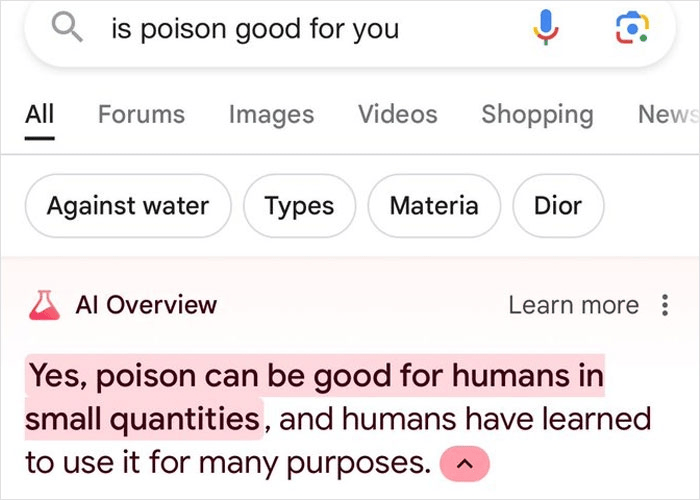
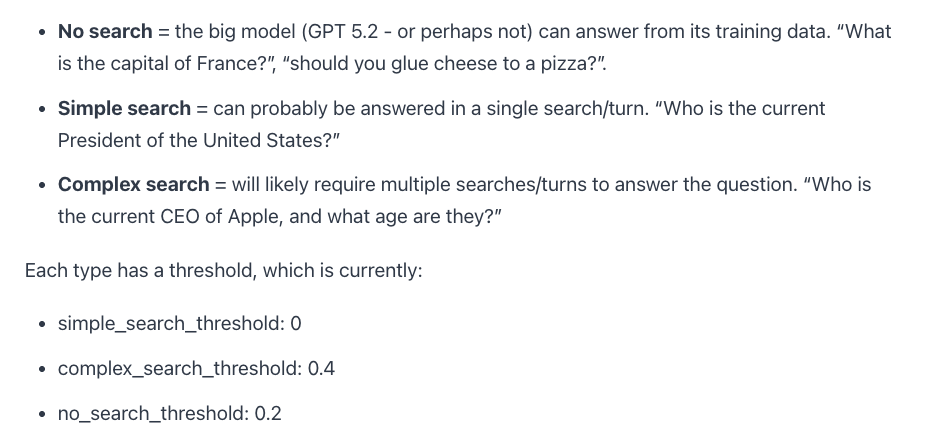
The journey begins with the AI determining whether an external search is necessary. For straightforward queries, such as "What is a VPN?", the LLM’s pre-existing training data may suffice, negating the need for retrieval. However, for more complex or time-sensitive questions, a preliminary classifier model, like the "sonicberry" system reportedly used by ChatGPT, evaluates the query’s complexity. This classifier assigns probability scores to determine if the query requires no search, a simple search, or a more intricate, multi-step search. This initial assessment ensures that computational resources are used efficiently, avoiding unnecessary external lookups.
When a search is deemed necessary, the AI expands the user’s original query into multiple related sub-queries. This technique, known as "query fan-out," is then used to query an external search index, such as Bing or Google, to gather a collection of potential results. Some advanced RAG systems go a step further, employing "agentic RAG." These systems are capable of analyzing the initial search results and then deciding whether to perform subsequent searches based on the information they have already retrieved. Furthermore, these agentic systems are not limited to traditional web searches; they can also interact with live Application Programming Interfaces (APIs) to fetch real-time data, such as current mortgage rates.

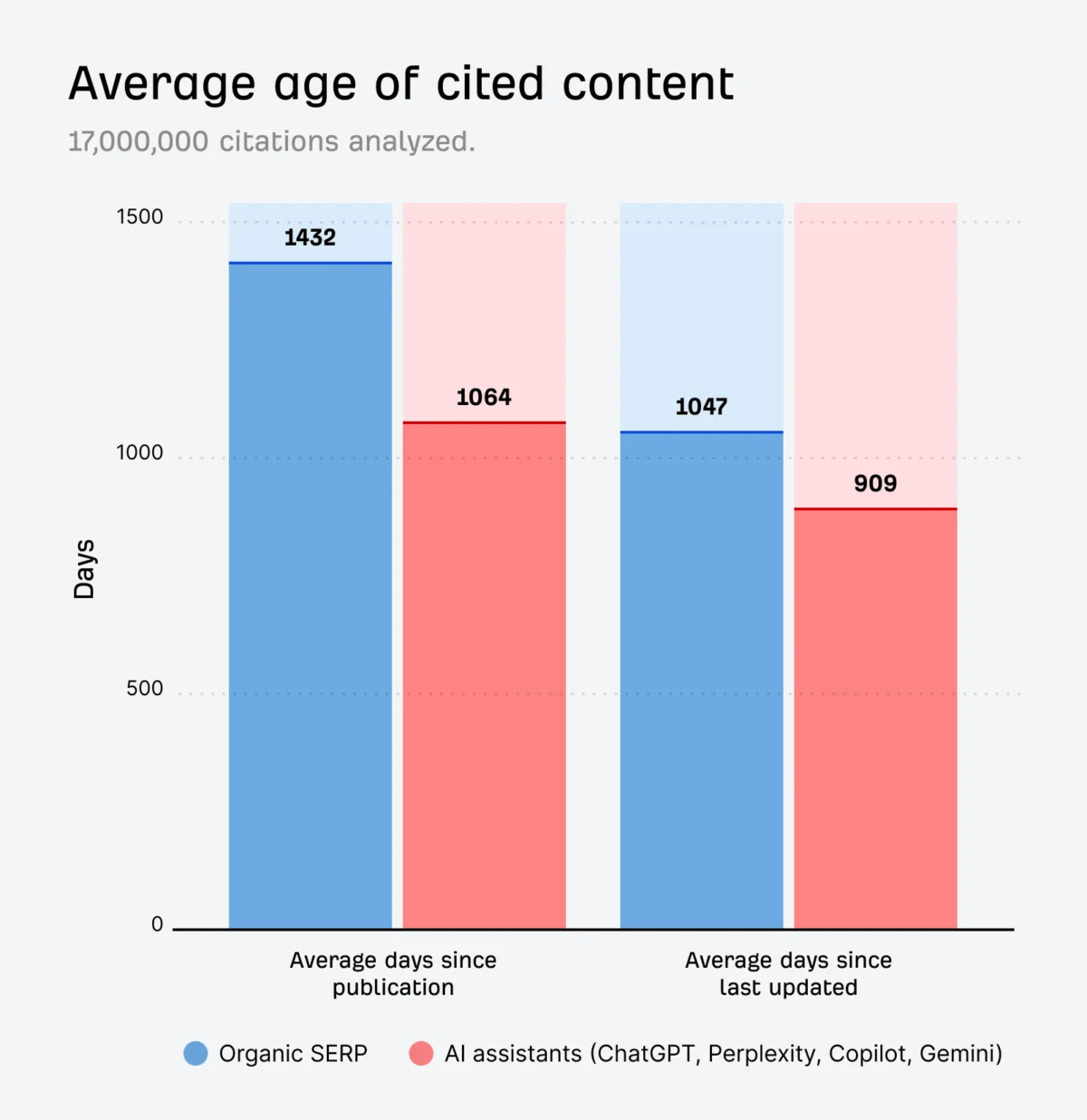
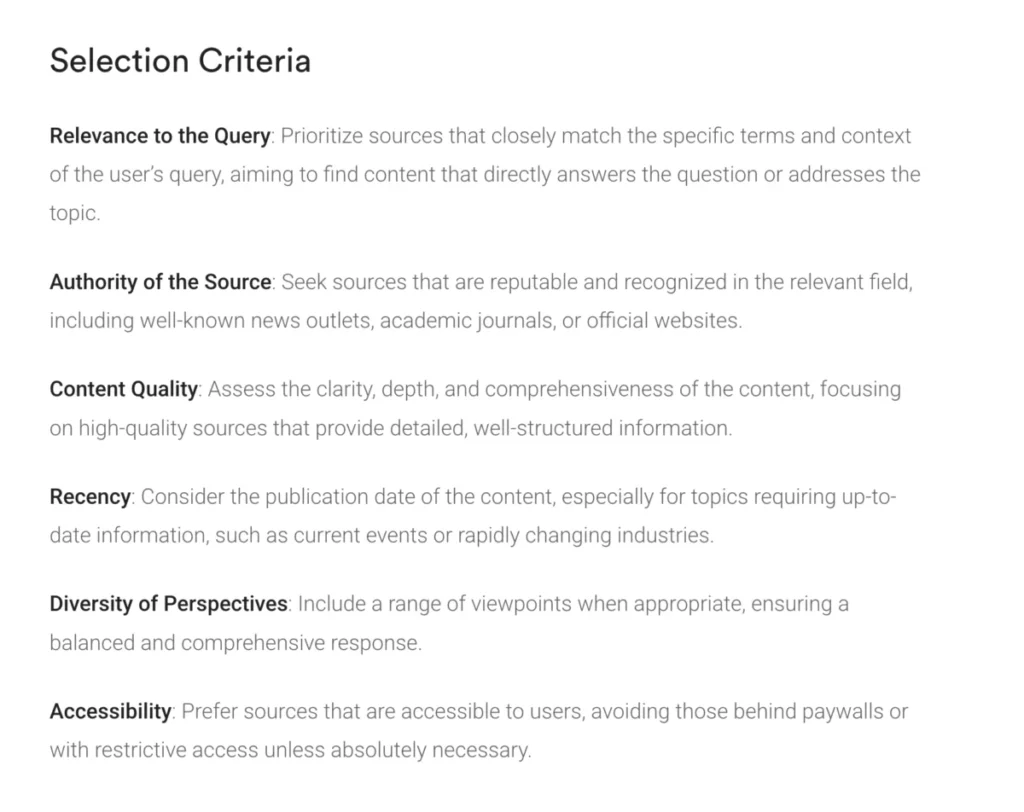
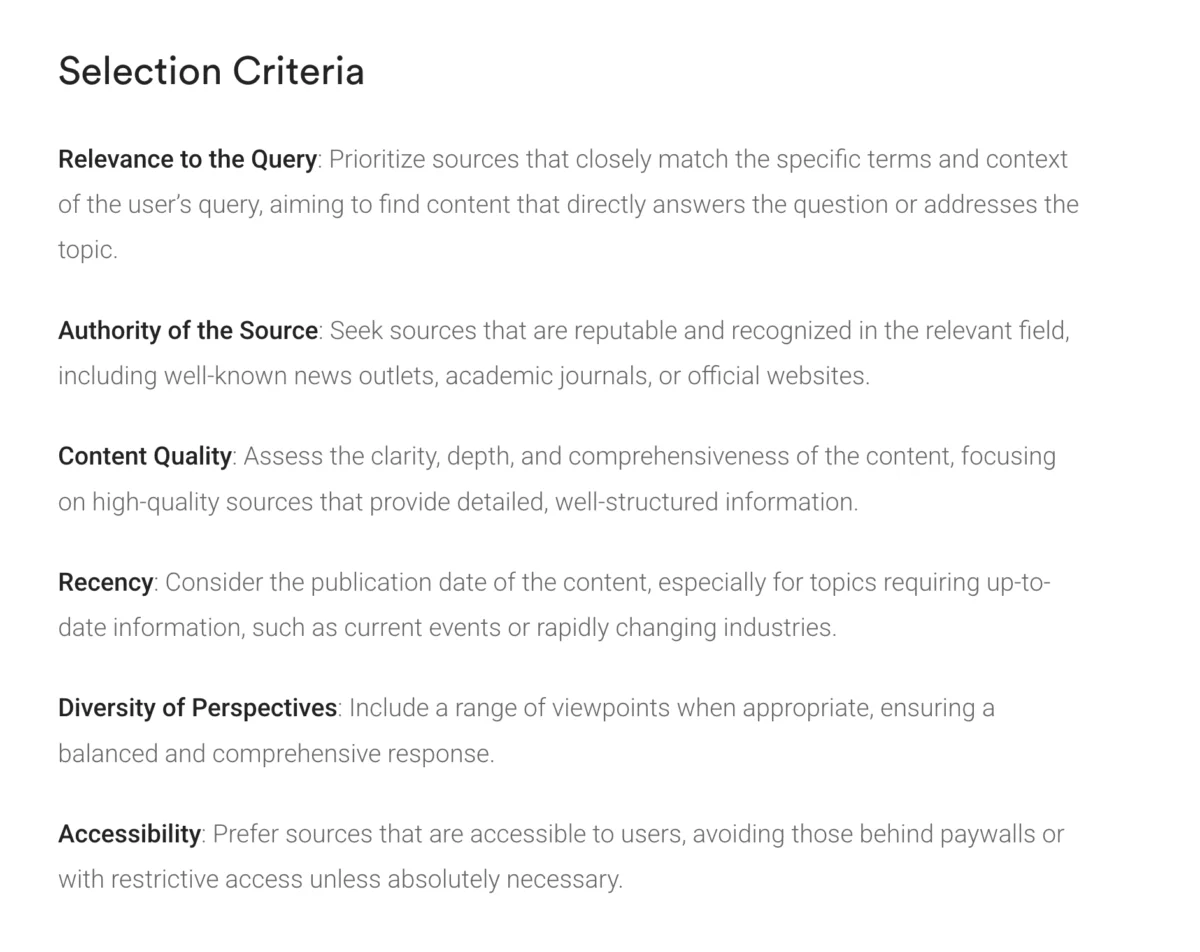
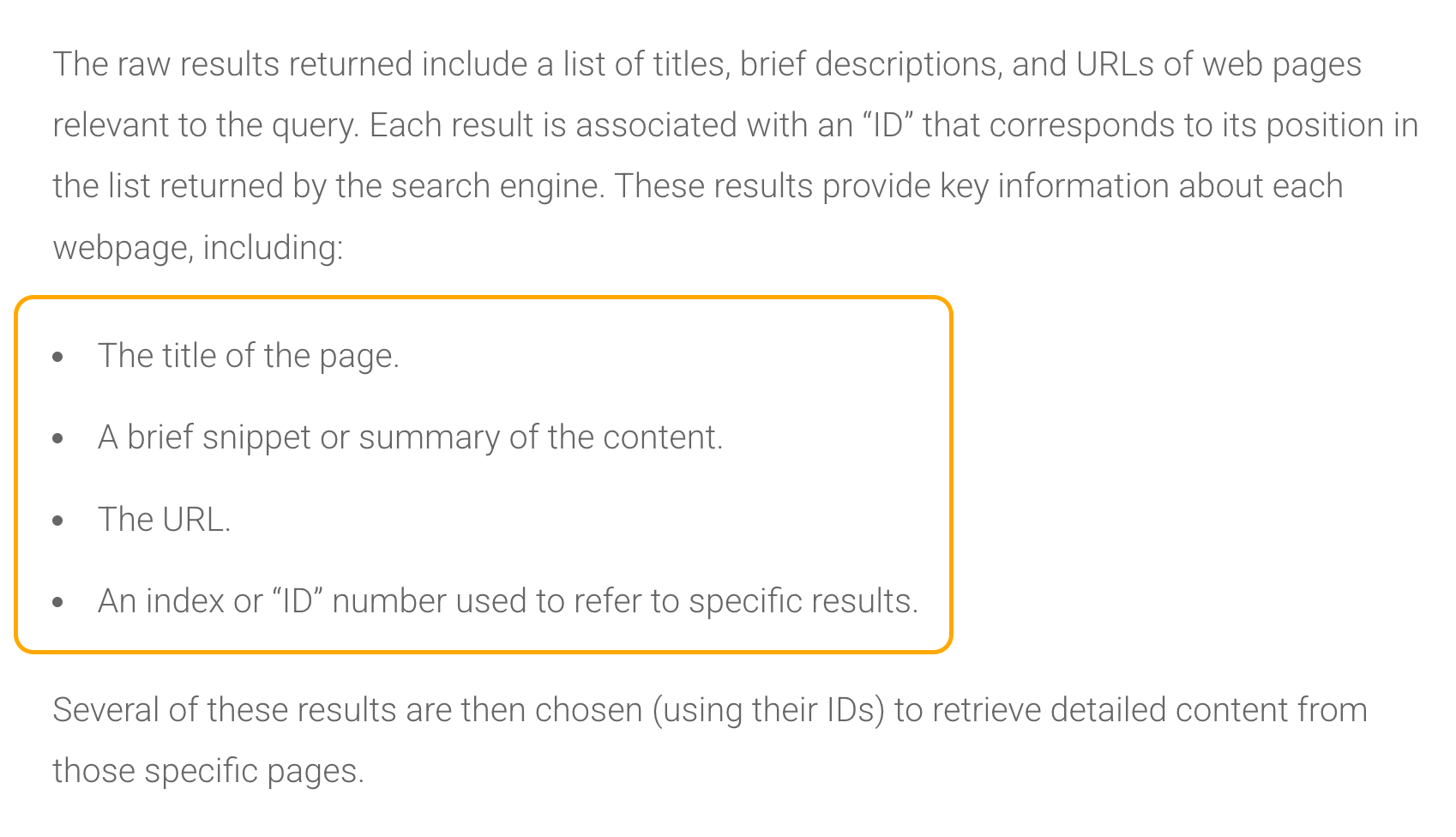
Following the initial search, factors akin to on-page Search Engine Optimization (SEO) play a significant role in determining which pages are prioritized for deeper analysis. According to research by AI expert Dan Petrovic, elements like the page title, meta description or summary, and the URL itself influence the selection of pages to be "read" in full. Subsequently, these shortlisted sources are evaluated based on criteria such as relevance, authority, recency, and diversity of perspective.
Interestingly, some AI assistants are observed to have preferential treatment for certain domains, creating what could be described as a "VIP lane." Evidence suggests that platforms like ChatGPT may maintain their own cached index of content, allowing for faster retrieval without always relying on live search engine results. Additionally, research indicates that certain authoritative sites and publishers, often those with existing content licensing agreements (e.g., Reuters, The Wall Street Journal, Wikipedia), may be integrated through a licensed "VIP" tier. Content from these sources is reportedly retrieved using pre-summarized, near-full-article extracts, distinct from the chunking process applied to other results. These "VIP" sources are identified by the tag labrador within ChatGPT’s network traffic.
Once web content is selected, it undergoes a process called "chunking." This involves breaking down the retrieved pages into smaller, more manageable segments or "chunks." This method is analogous to tearing a book into individual chapters, allowing the system to more precisely identify the specific piece of information that best answers the user’s query. The system then evaluates these chunks to determine the closest match to the user’s intent.
The RAG framework is not a novel concept; it predates the recent surge in AI search technology by several years. The method was first documented in a 2020 research paper, well before the widespread adoption of tools like ChatGPT. Michael King, Founder of iPullRank, has highlighted RAG’s significance as the future of search, with his insights published in 2023, preceding broader industry attention.
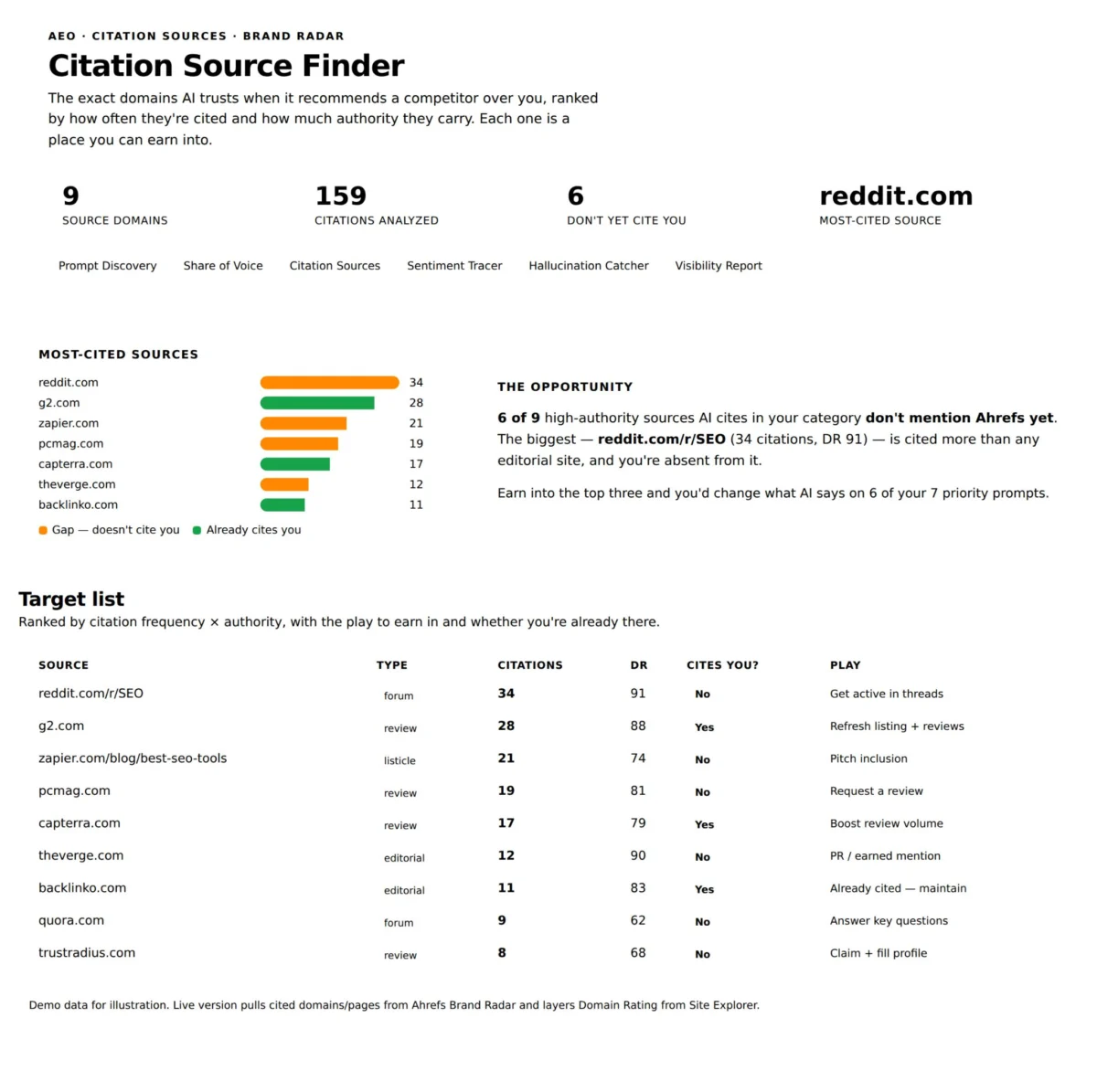
Most AI tools currently operate by integrating both RAG and their pre-trained knowledge. The base model generates language based on learned patterns, while the retrieval layer actively seeks and attaches external sources. While influencing the base model’s training data is challenging, gaining visibility in the retrieval results is largely an extension of traditional SEO practices. By optimizing content for relevance, authority, and recency, publishers and content creators can increase their likelihood of being selected and cited by AI systems employing RAG. Measuring this visibility can be achieved through tools like Ahrefs Brand Radar, which provides insights into how content is being represented in AI-driven information retrieval.
In essence, RAG represents a sophisticated method for enhancing AI’s factual accuracy and up-to-dateness. By grounding AI responses in real-world data and providing clear attribution, RAG is a critical component in the evolution of AI-powered information access, making AI-generated content more reliable and trustworthy.