 11
11
AI-driven search technologies are rapidly reshaping how users discover and interact with brands. While AI search may not entirely replace traditional organic traffic, its influence extends far beyond mere clicks. Before a user even lands on a website, an AI assistant can now provide comprehensive explanations of products, conduct competitor comparisons, and guide purchasing decisions. This shift necessitates a strategic focus on building brand recognition and trust within AI systems, moving beyond a singular focus on website traffic.
To thrive in this evolving landscape, brands must prioritize four key pillars: establishing AI as a reliable source of truth through owned channels, cultivating robust external validation for category inclusion and recommendations, creating content that withstands AI summarization, and consistently measuring average visibility across various AI platforms.
Pillar 1: Establishing AI as a Reliable Source of Truth Through Owned Channels
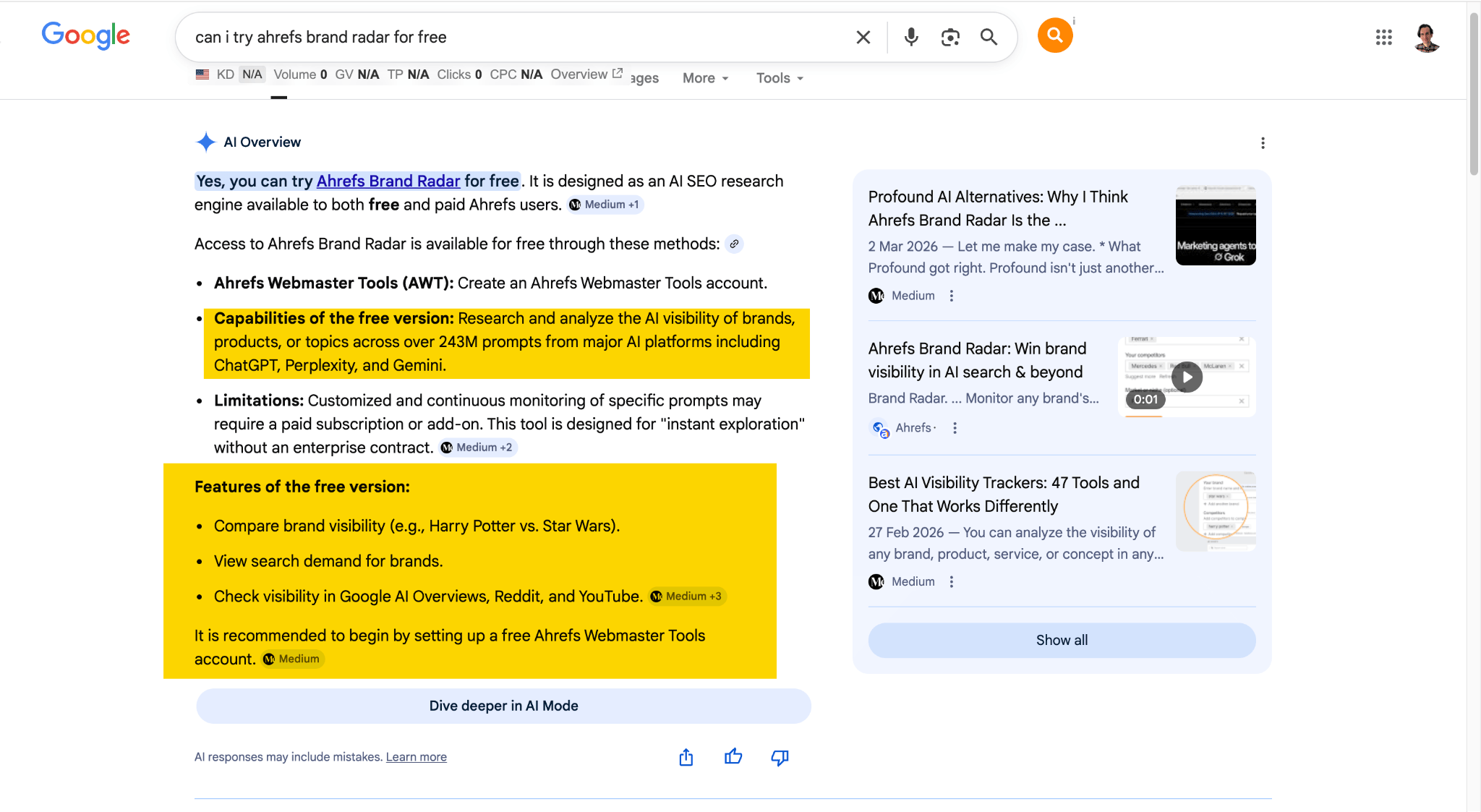
AI assistants function as nascent salespeople, learning about products from the vast expanse of the public web. To ensure accurate representation, AI requires clear, consistent answers to fundamental questions about a brand’s offerings. Scattered, incomplete, or outdated information across various platforms can lead AI to fill gaps with inaccuracies, resulting in misrepresentations of messaging, inappropriate audience targeting, or factual errors. A prime example of this is when AI conflates the functionality of free and paid product versions due to a lack of clear documentation, as observed with Ahrefs Brand Radar.
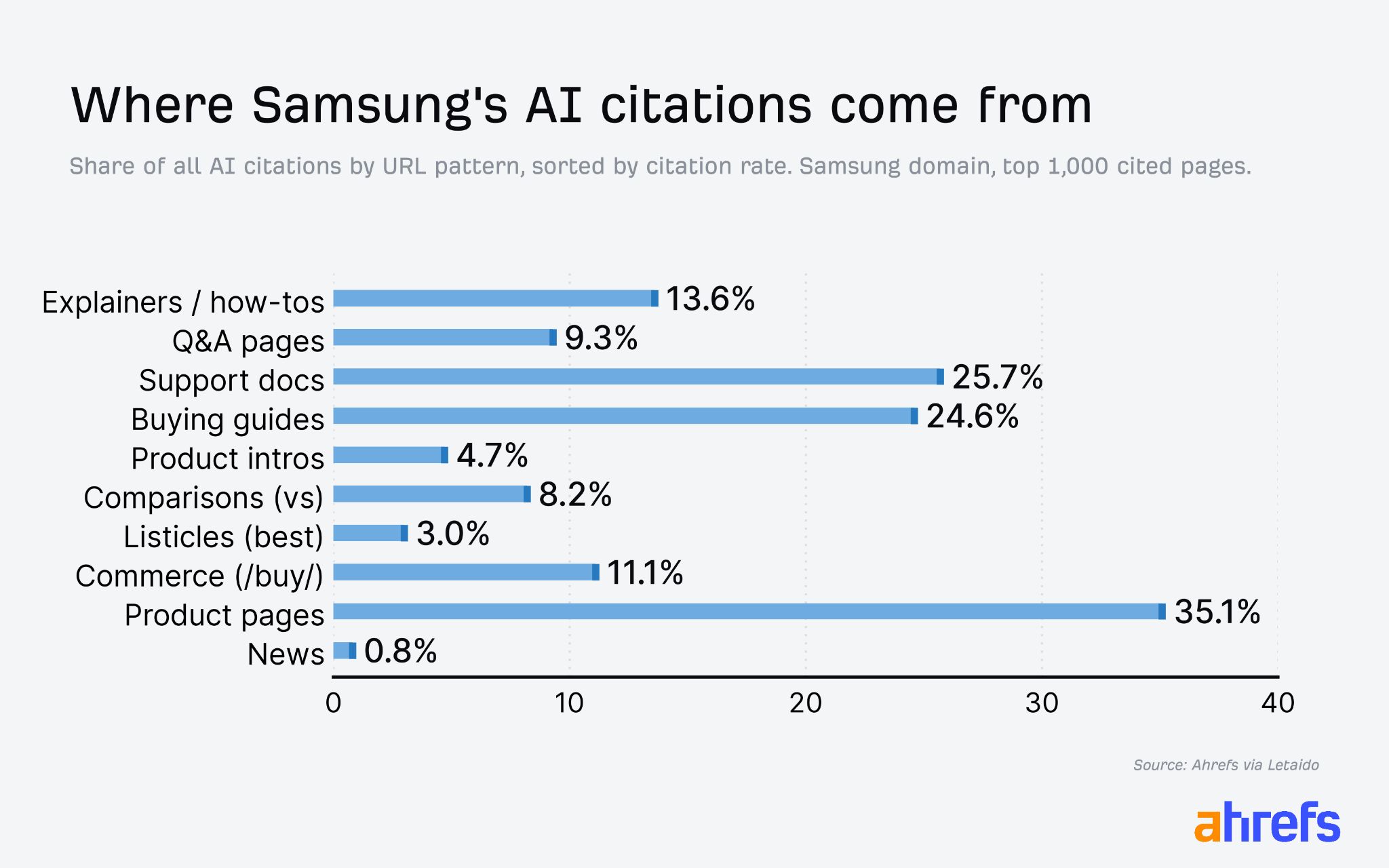
This distinction highlights the emergence of Generative Engine Optimization (GEO) alongside traditional Search Engine Optimization (SEO). While SEO focuses on ranking for specific queries, GEO emphasizes creating content that serves as a dependable source of truth for AI systems, even if it doesn’t directly rank. Leading tech companies like Samsung exemplify this by prioritizing content such as product guides, support documentation, and FAQs—materials that resemble those used by sales and support representatives. Comprehensive documentation covering features, integrations, pricing, use cases, and product terminology is crucial for AI to provide accurate answers.
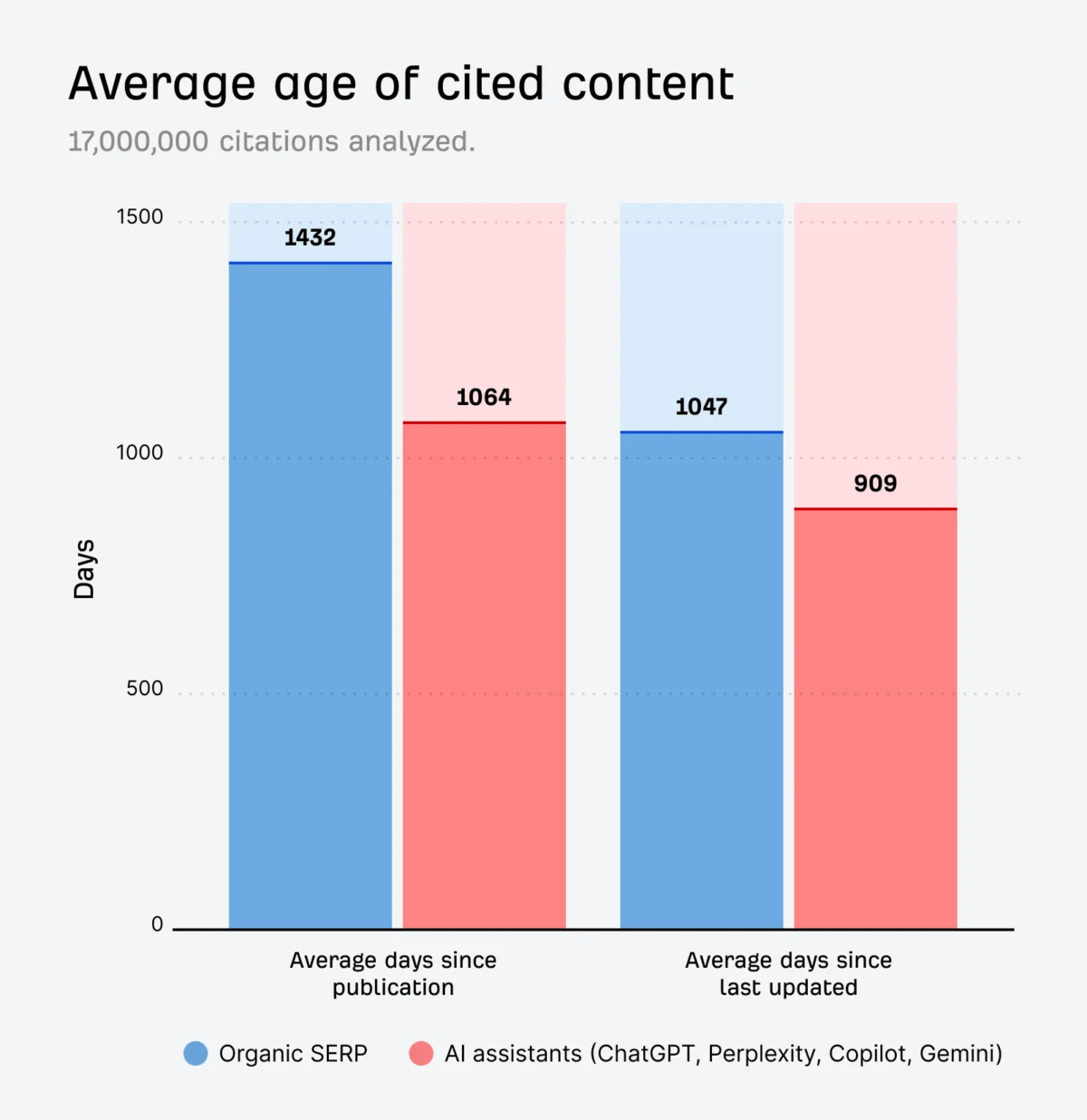
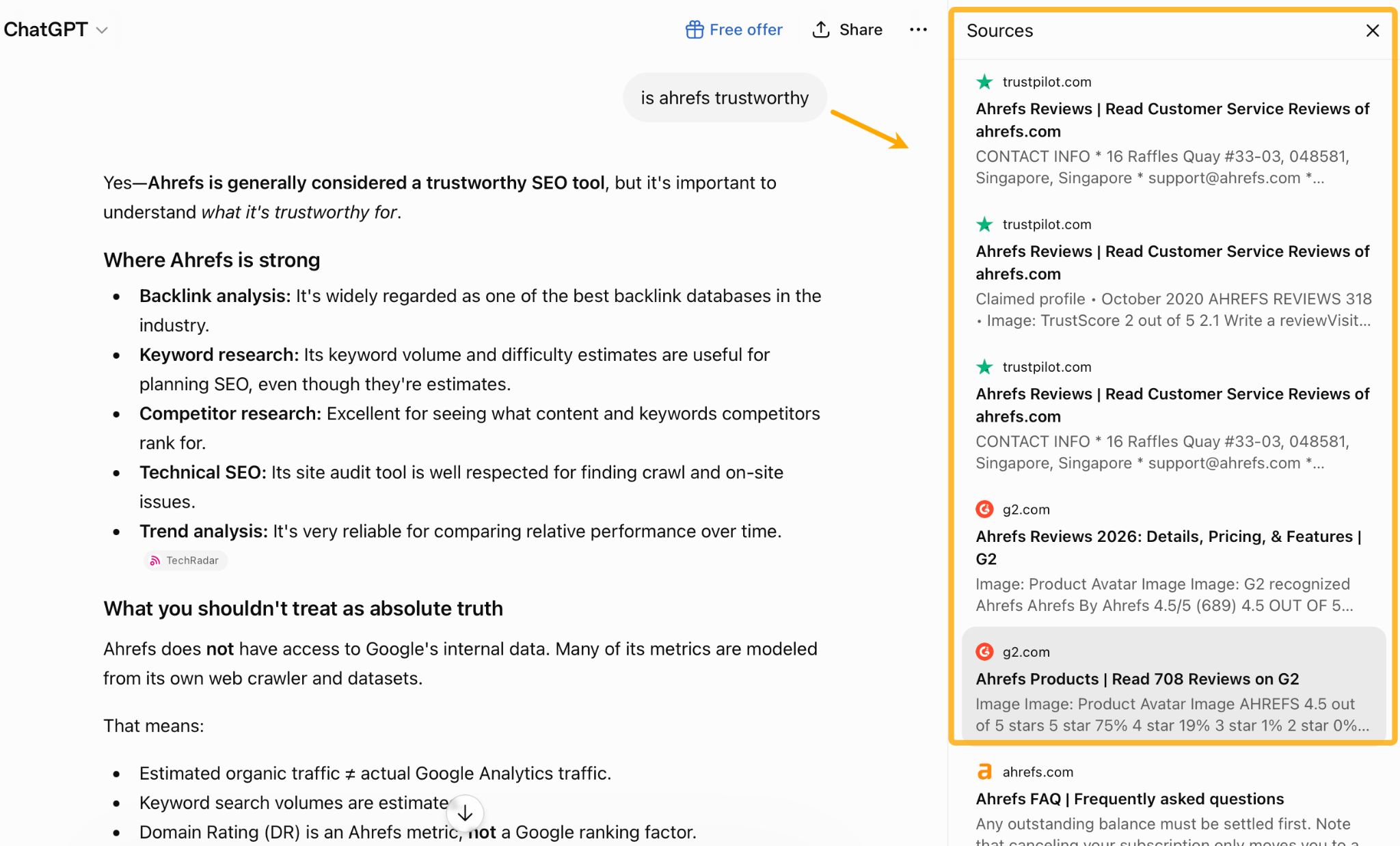
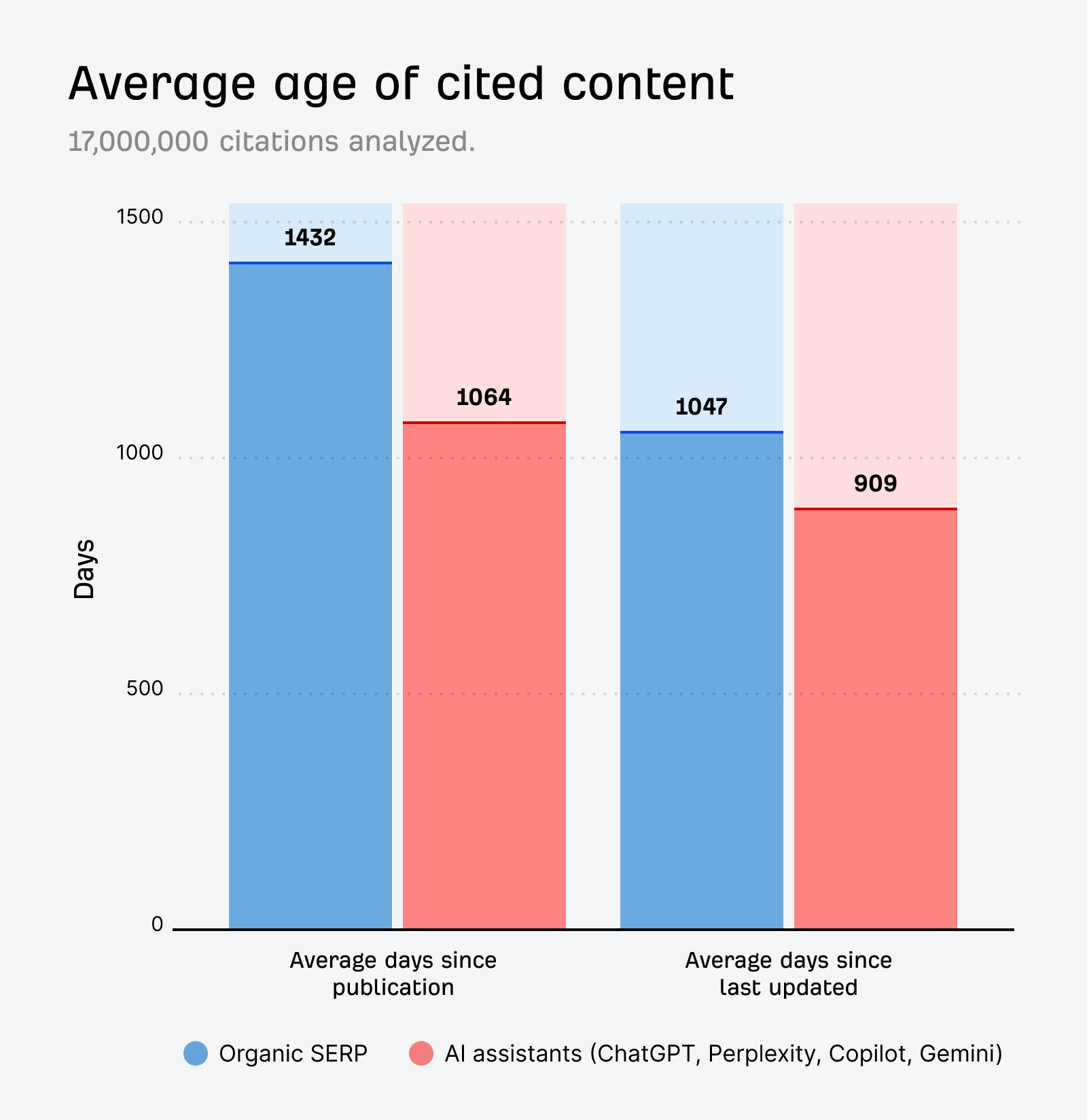
This "source of truth" extends beyond a brand’s own website to encompass all controlled profiles on platforms like G2, Capterra, LinkedIn, Crunchbase, and app marketplaces. AI assistants frequently consult these profiles, making consistent and up-to-date information across all of them paramount. A quick test by asking an AI about a brand’s trustworthiness will often reveal the influence of these third-party review sites. Optimizing for AI search requires treating every owned profile as an integral part of the source of truth, ensuring consistency in descriptions, positioning, pricing, and product details. Backing claims with evidence such as reviews, certifications, rankings, or awards further strengthens AI’s confidence in accurate brand representation. Given that AI-cited content tends to be fresher than organic Google results, maintaining up-to-date information is critical.
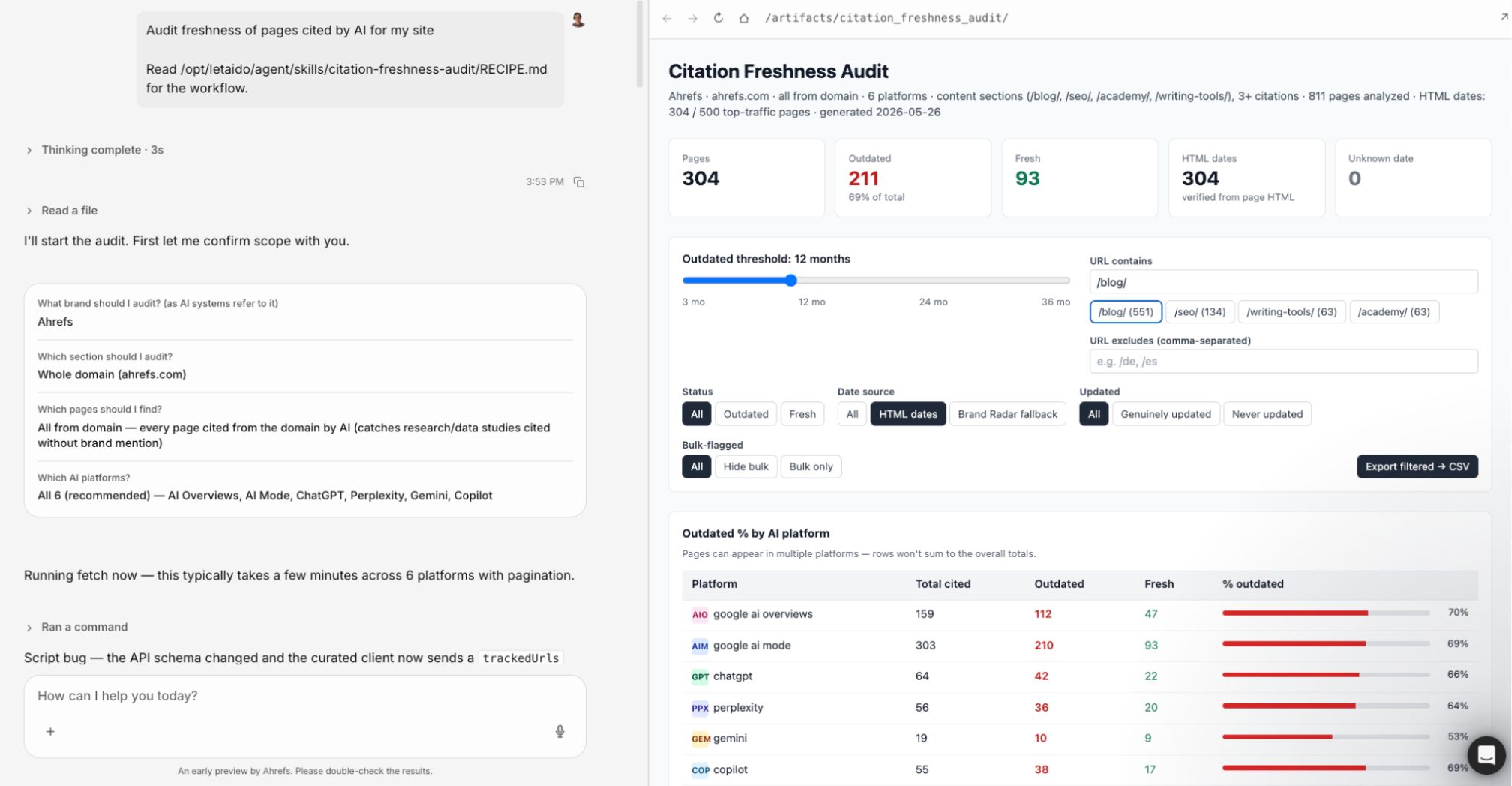
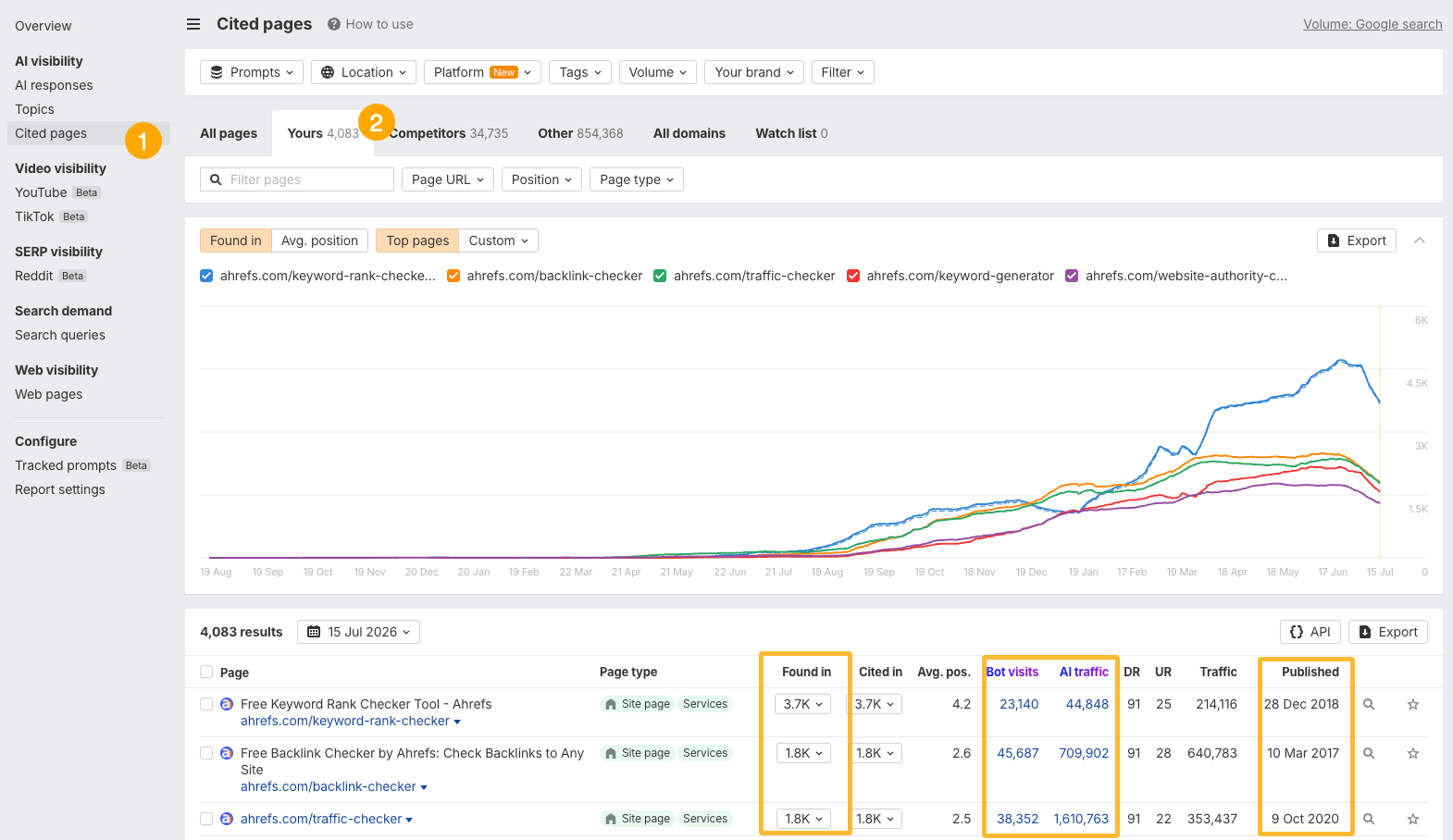
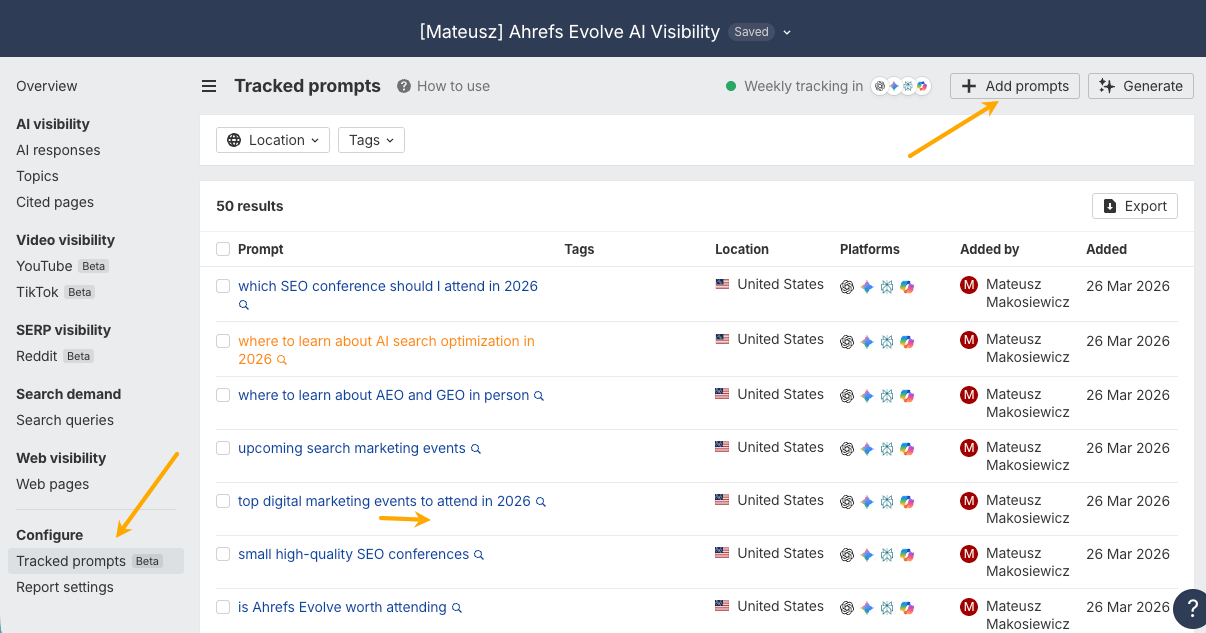
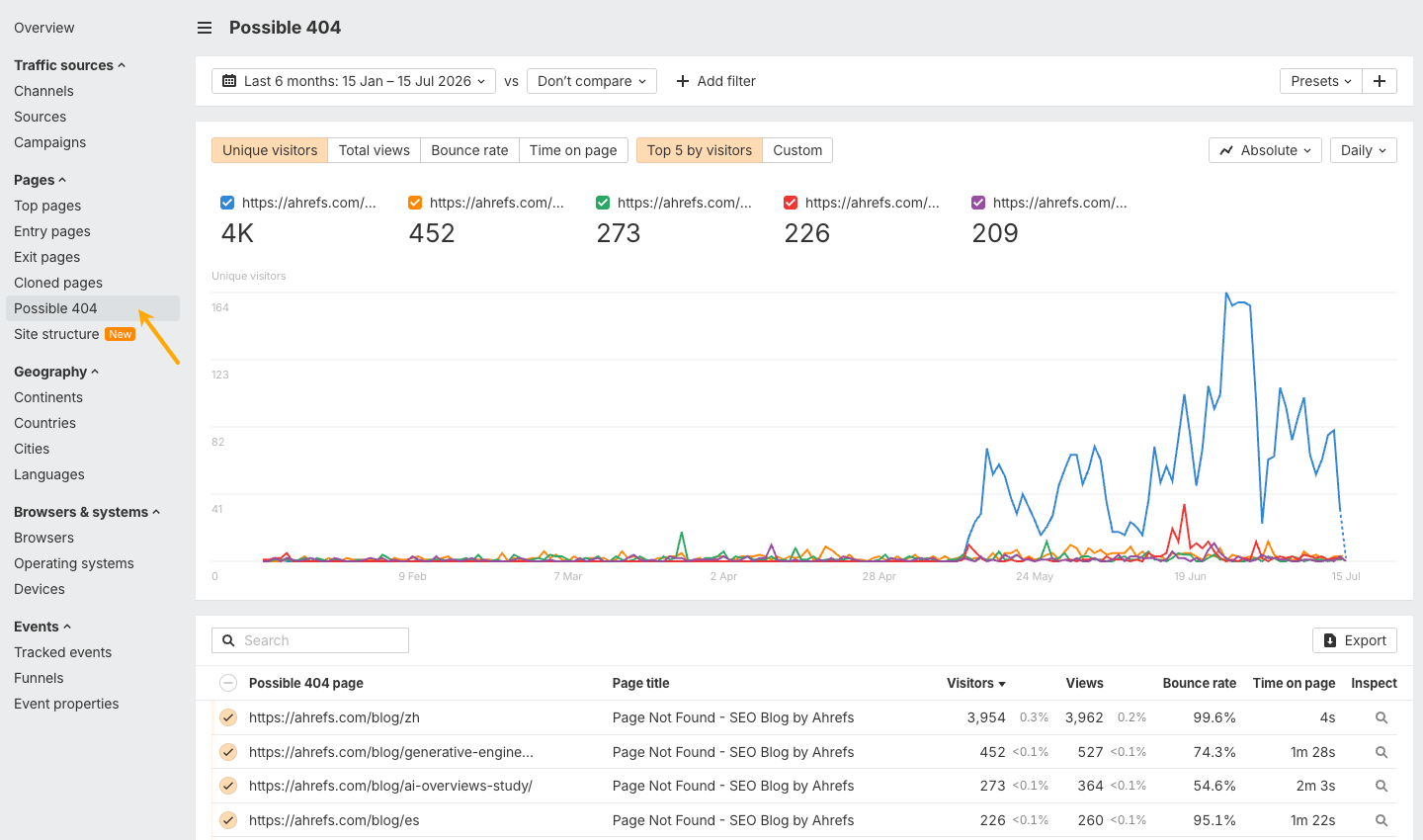
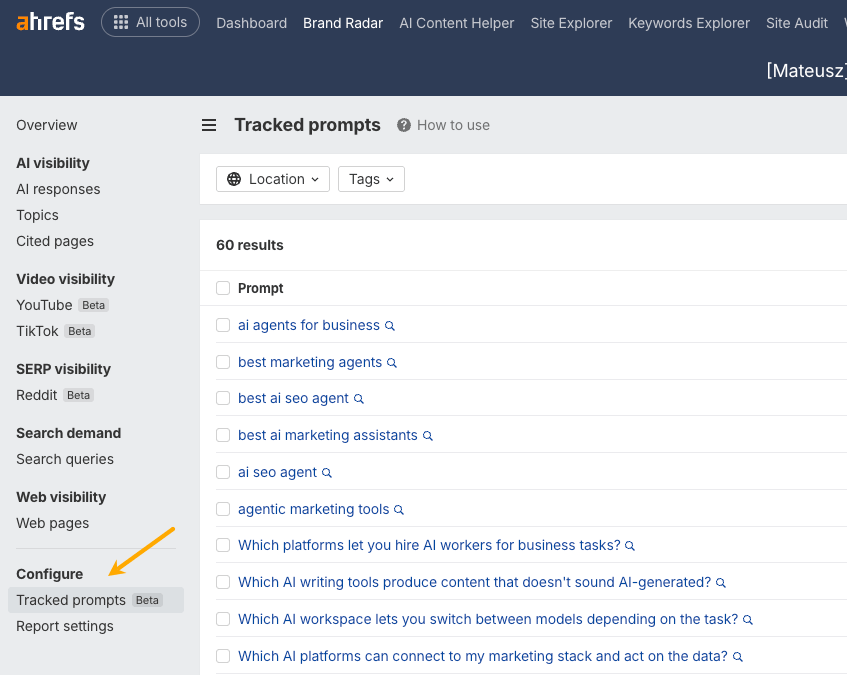
To implement this, brands should conduct a thorough review of all owned pages and profiles. Key checks include ensuring accurate, up-to-date information on all profiles and websites, verifying that documentation is comprehensive and easily accessible, and identifying and correcting any outdated information. Tools like Ahrefs Brand Radar can help identify which pages AI cites, which AI bots visit, and their last updated times. Ahrefs Web Analytics can provide insights into AI bot activity and AI search traffic. For large-scale audits, specialized tools like Letaido can streamline the process of checking citation freshness. Directly querying AI assistants manually or through custom prompts in tools like Brand Radar offers another method for monitoring AI responses over time. Paying attention to URLs that AI "hallucinates" can also reveal expected but non-existent pages, indicating opportunities for new content or redirects.
Pillar 2: Building External Evidence for Category Inclusion and Recommendations
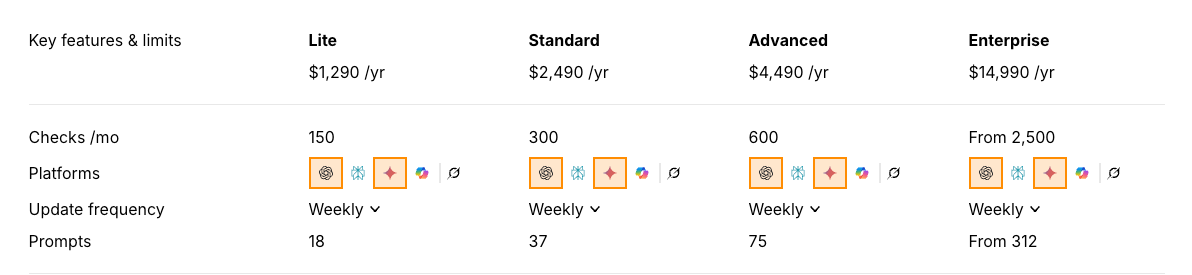
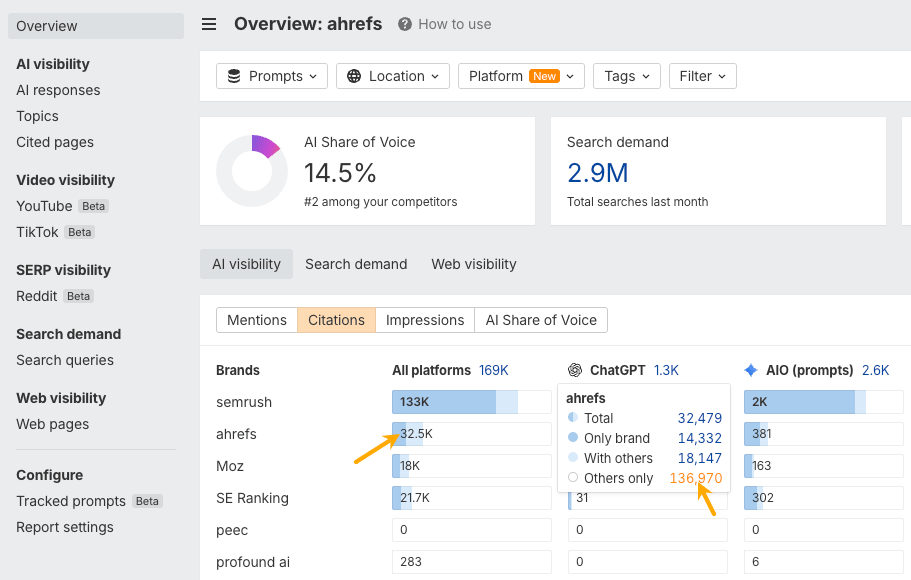
AI assistants gather information not only from a brand’s owned channels but also from a wide array of third-party sources, including reviews, YouTube videos, industry publications, comparison sites, podcasts, Reddit, and customer discussions. Research indicates that brand mentions in AI answers often originate from these external sources, as demonstrated by Ahrefs’ own brand visibility data where third-party mentions significantly outweighed direct website reliance.
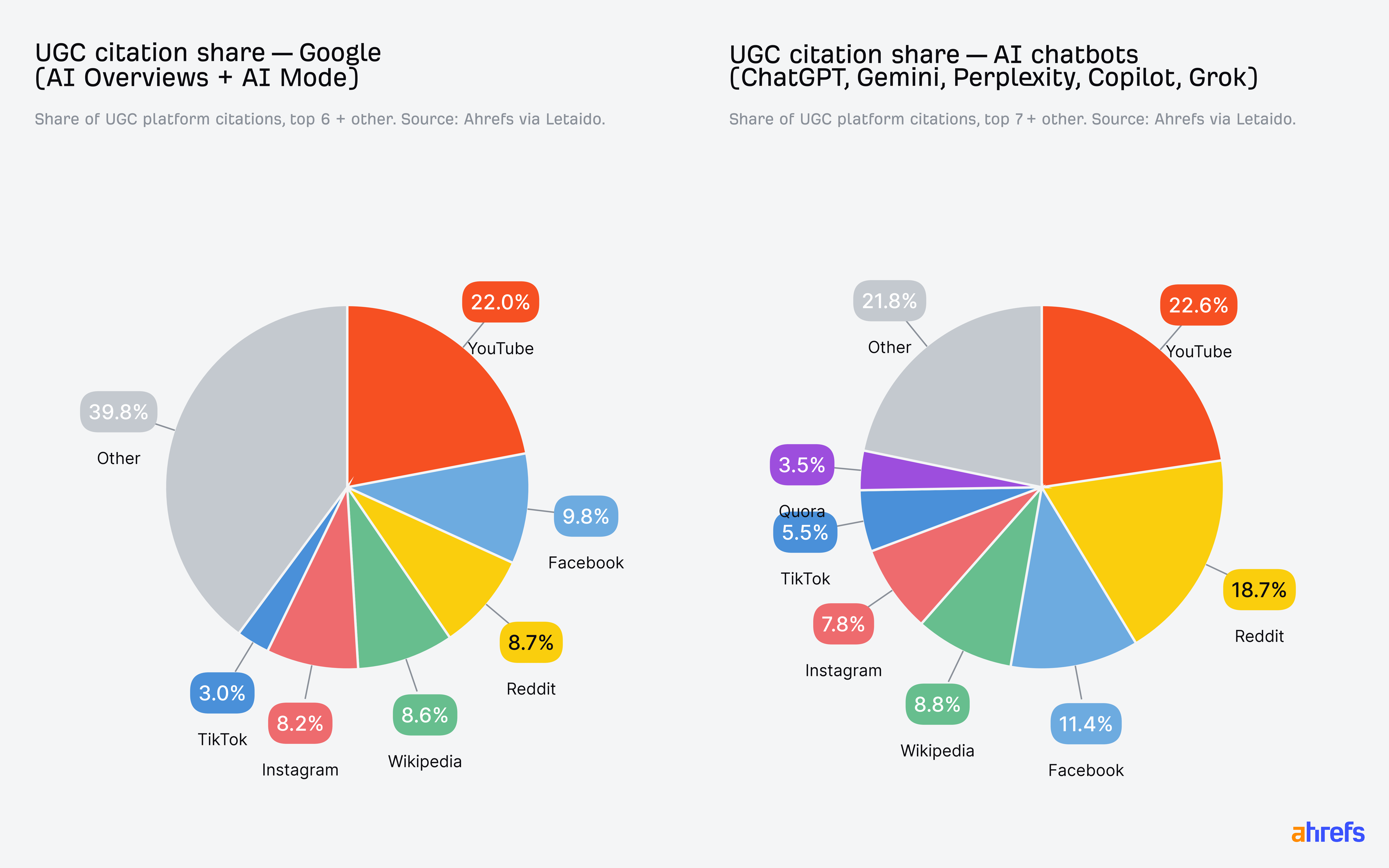
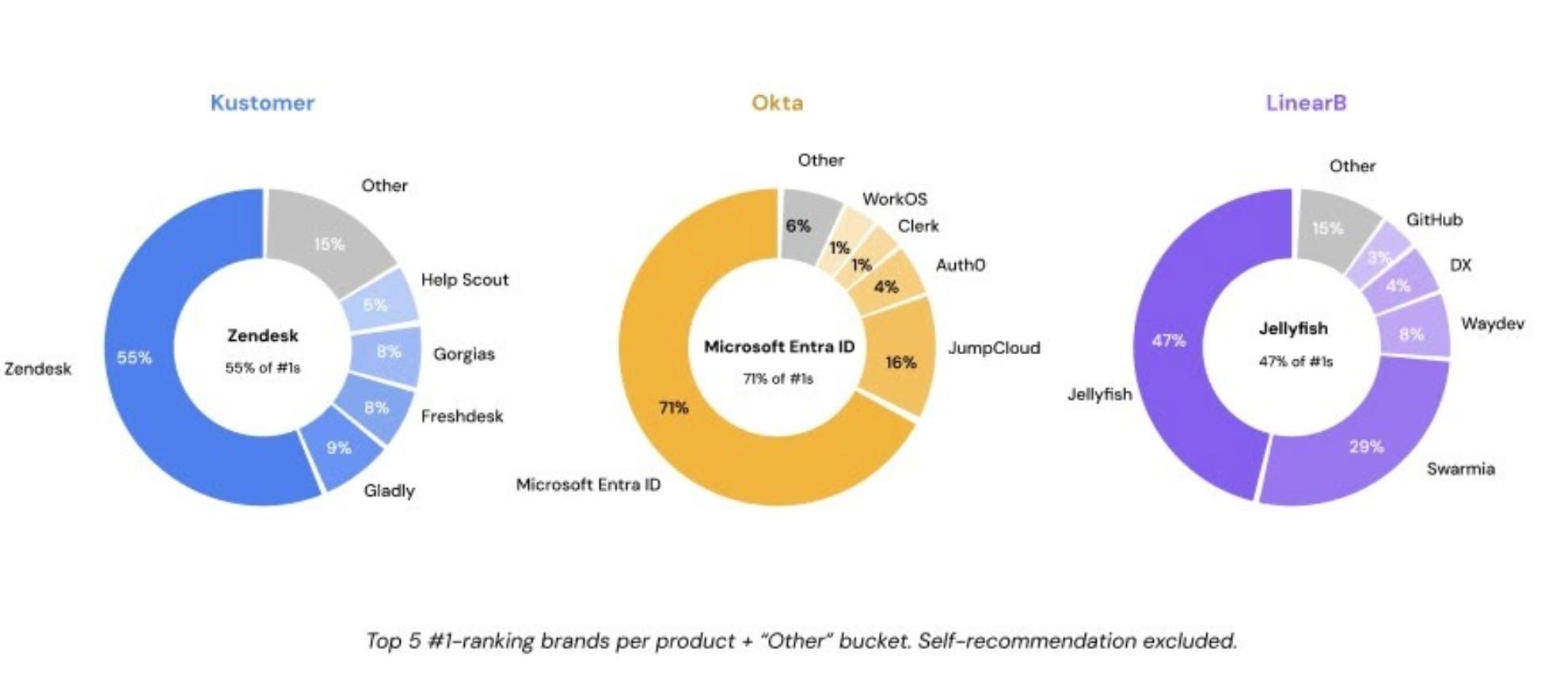
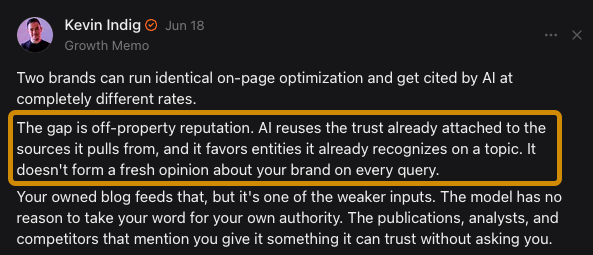
User-generated content (UGC) plays a particularly crucial role in providing AI with a human perspective, with platforms like YouTube, Reddit, Facebook, and LinkedIn frequently cited. The collective input from owned content and third-party mentions shapes AI’s understanding of a business, establishing an online consensus about which brands belong in a particular category. This consensus is vital, as AI assistants tend to recommend established companies with a history of accumulated trust signals, reflecting the prevailing web consensus. Studies have shown that even with variations in search prompts, the same established brands consistently appear in AI recommendations, underscoring the importance of long-term trust-building.
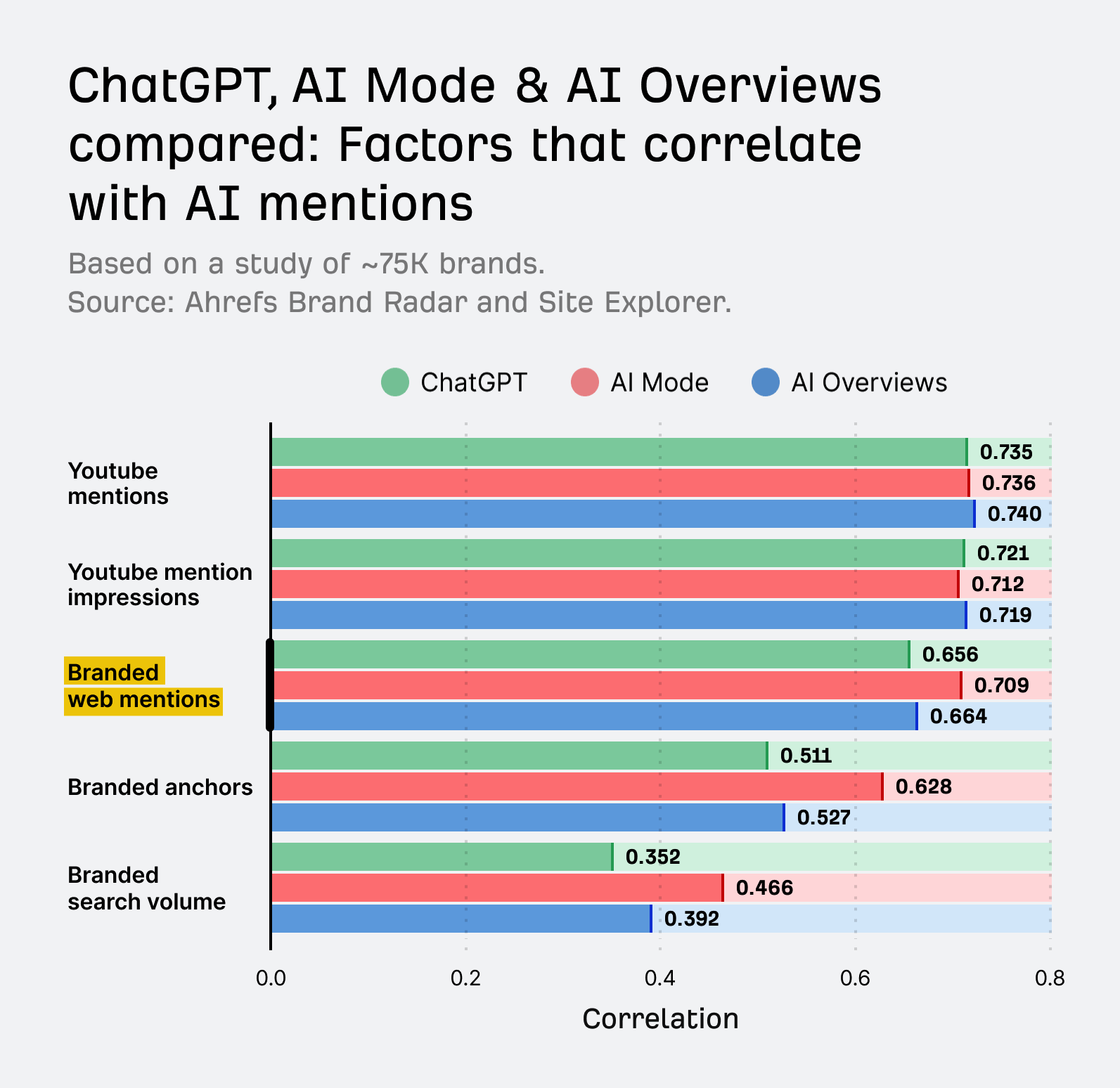
This phenomenon explains why similar content can yield different results; brands with a strong accumulation of citations and trust signals are more likely to be recommended. Ahrefs’ research further supports this, finding that off-site mentions, particularly from YouTube video transcripts, correlate strongly with AI visibility across various platforms. Therefore, before AI can recommend a brand, it must first have sufficient evidence to categorize it appropriately.
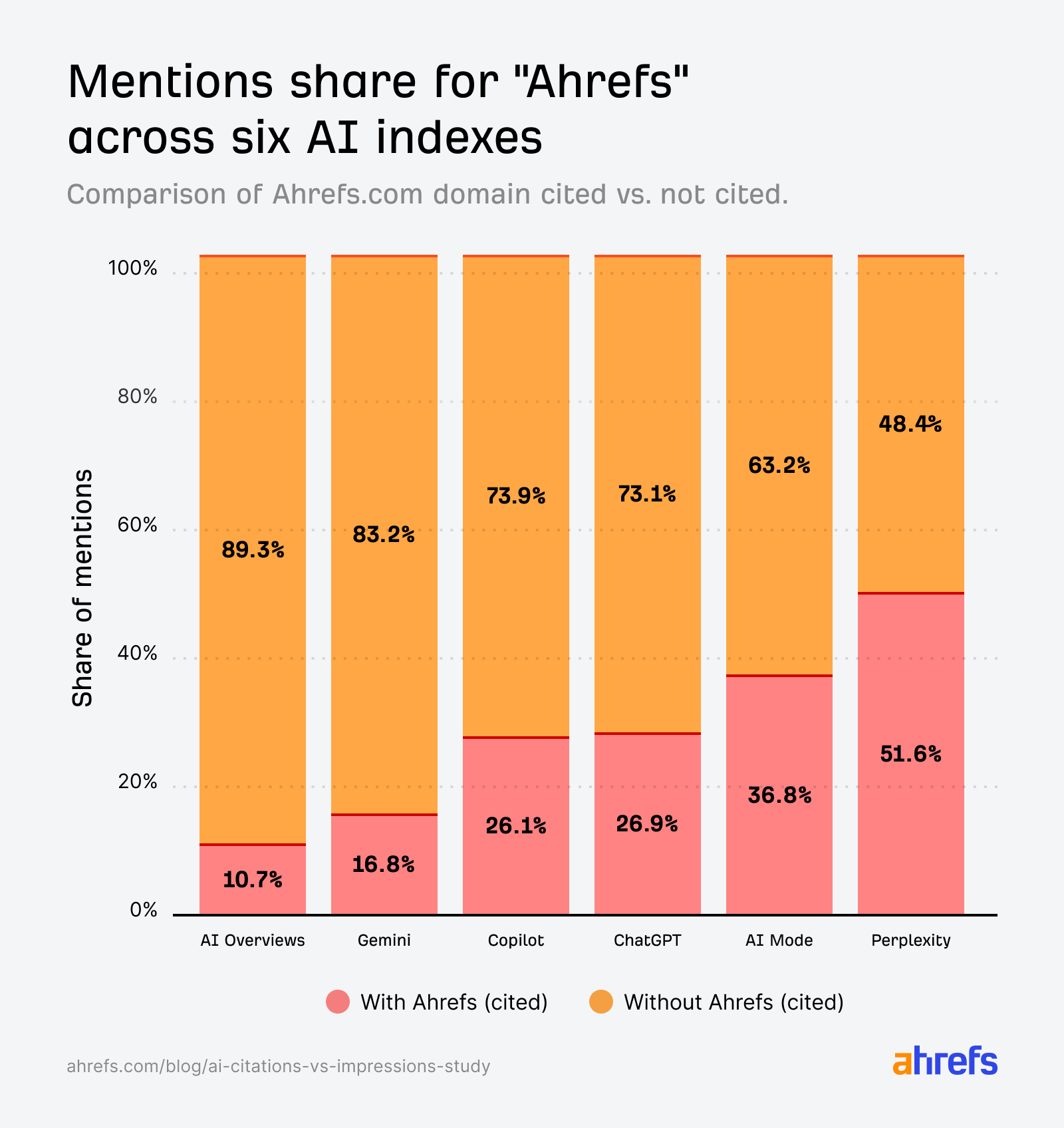
Key external mentions should consistently link a brand to its category, target use cases, and key competitors. This necessitates a robust "source strategy" rather than solely a content strategy. Brands should focus on platforms that AI systems frequently utilize for generating answers, such as review sites, industry forums, social media, and video platforms.
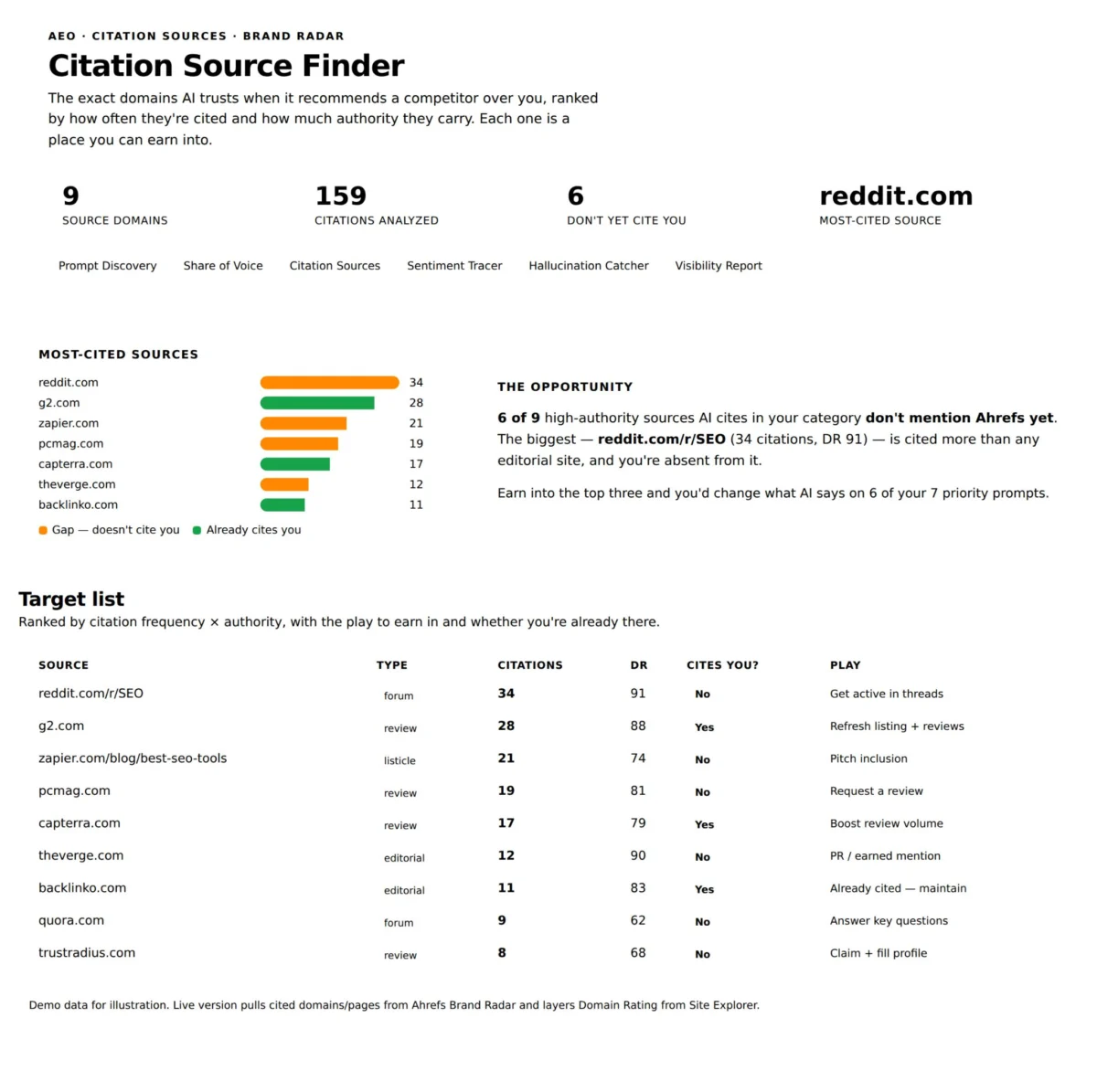
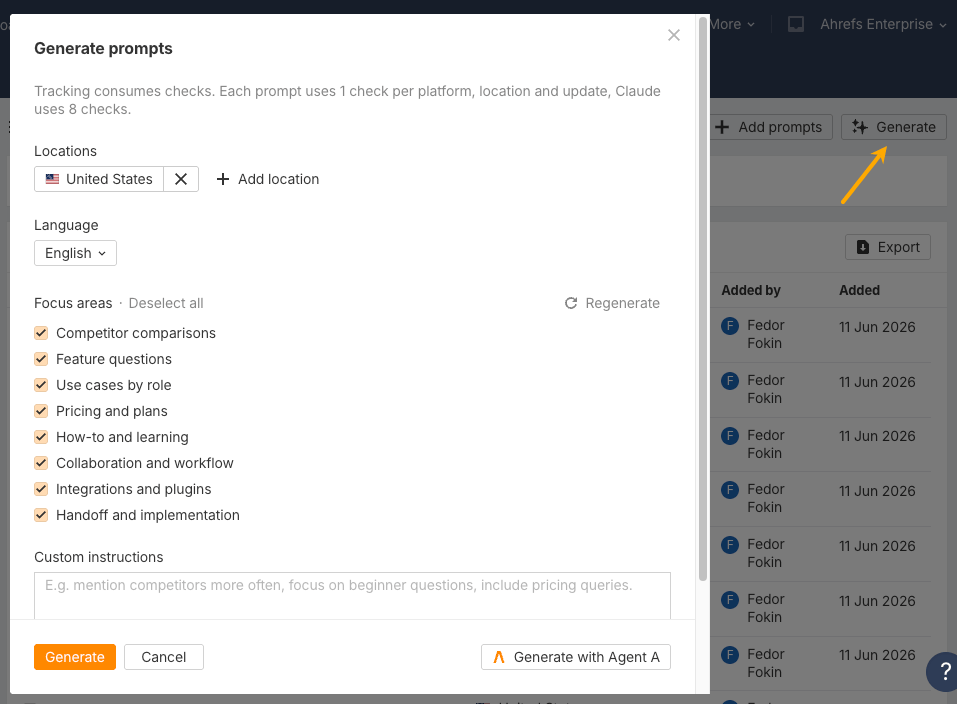
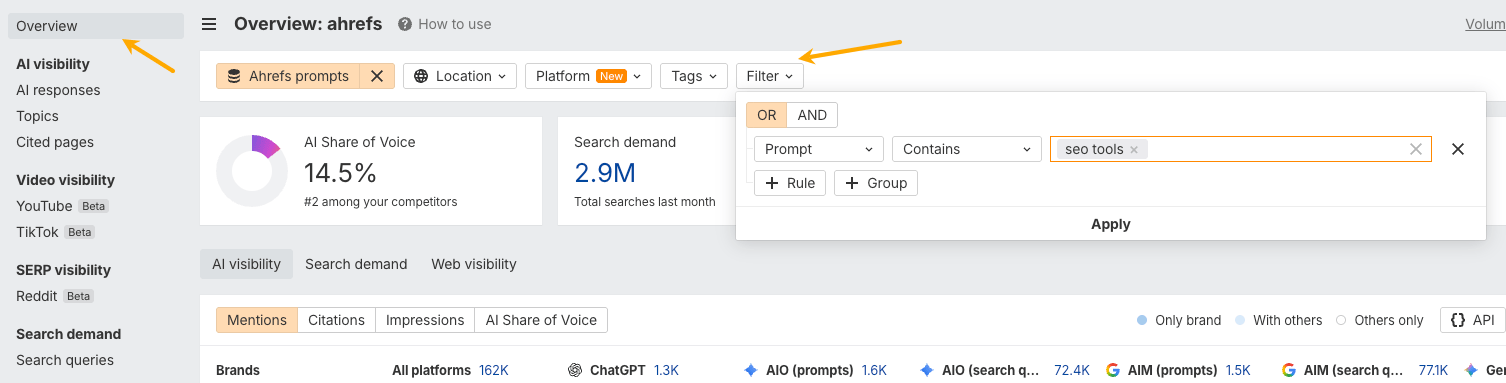
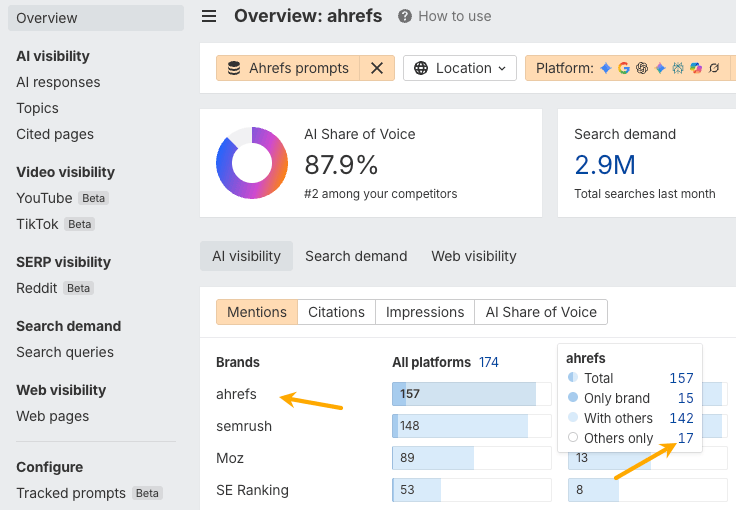
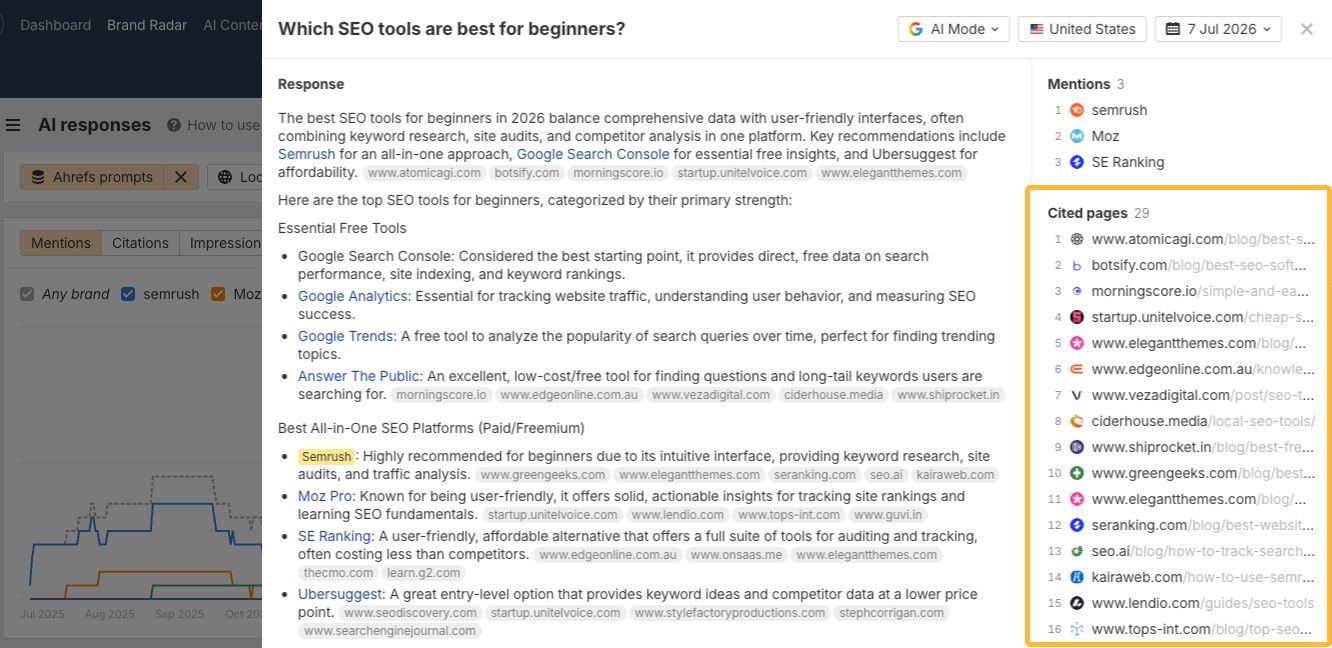
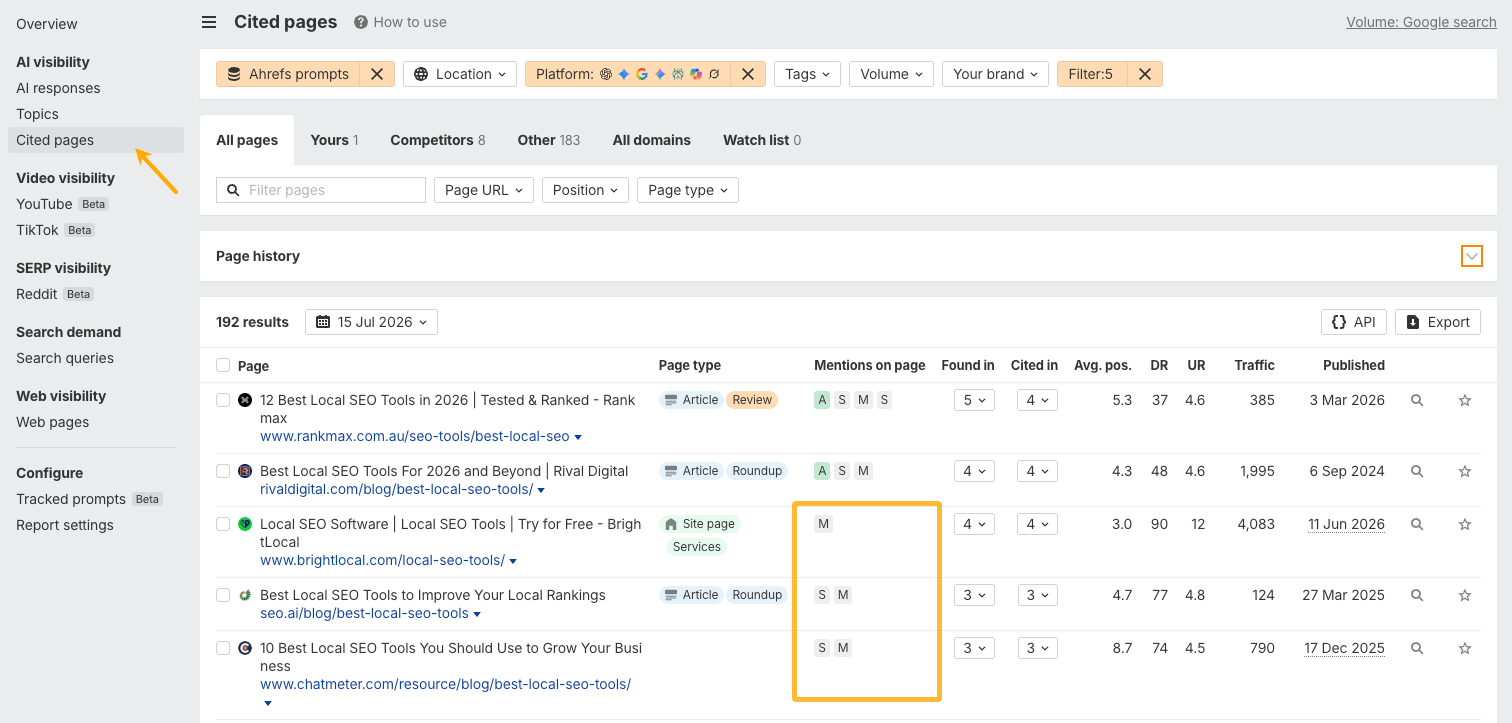
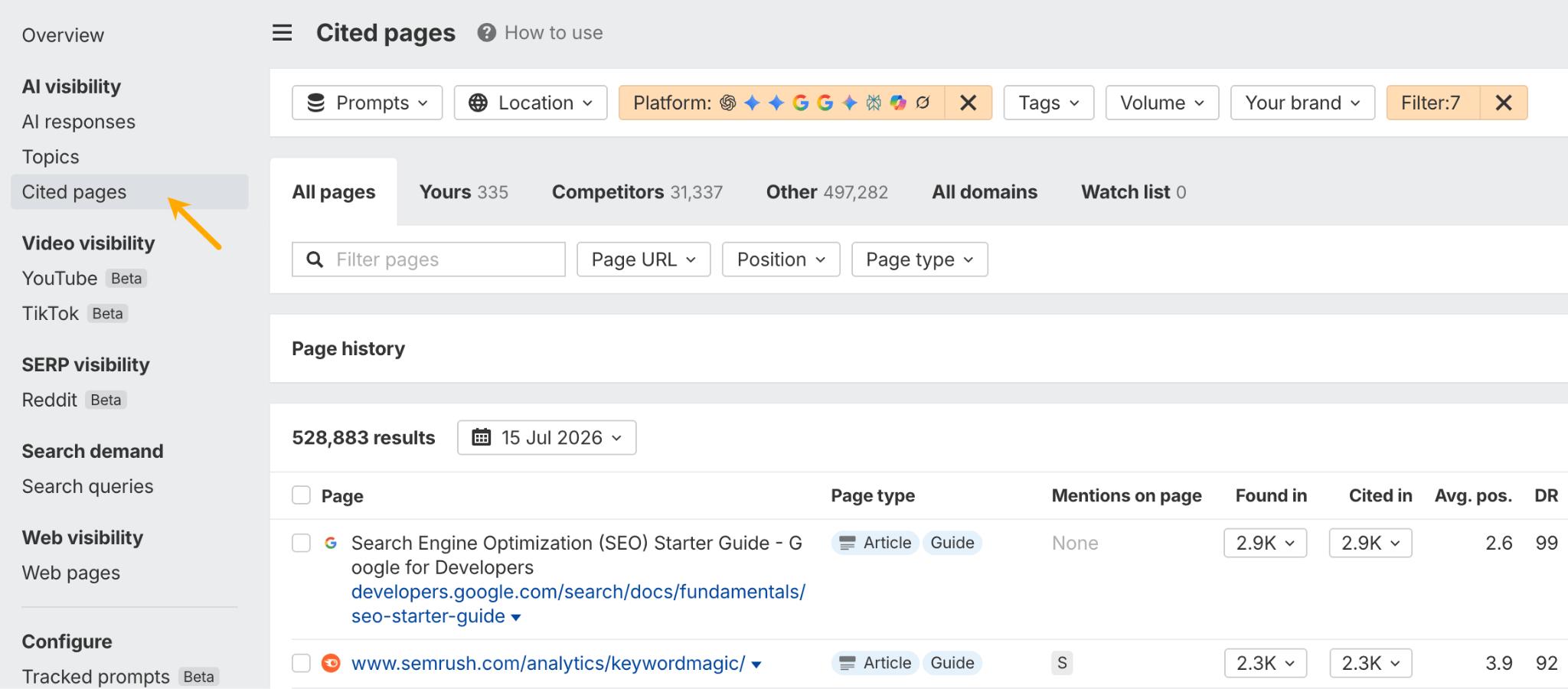
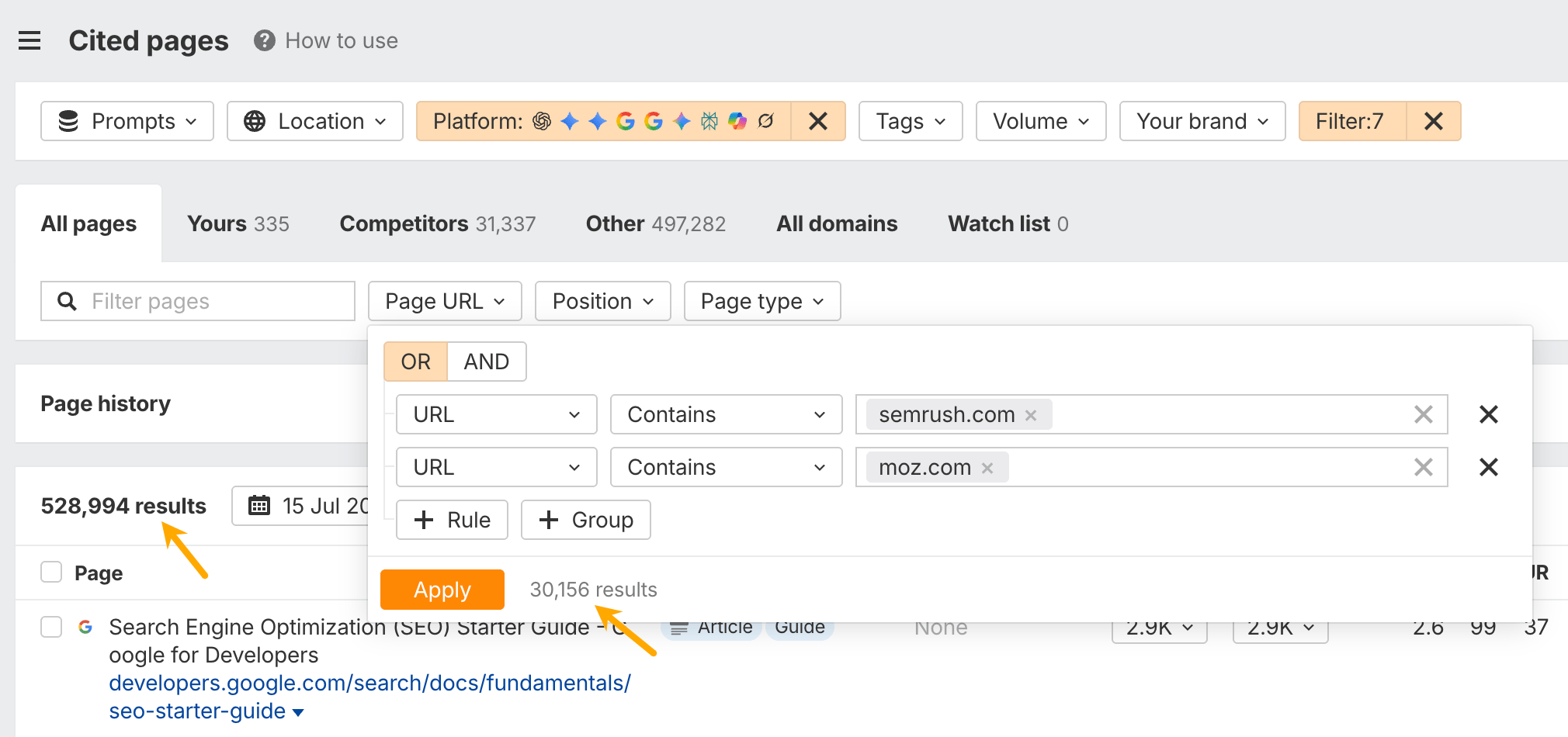
To implement this, brands should first assess their current presence within AI recommendations for their category. If a brand is already well-represented, the focus shifts to maintaining that position and ensuring accurate AI descriptions. If not, the priority is to generate more third-party evidence that connects the brand to its category, desired use cases, and competitive landscape. Tools like Brand Radar can help identify AI share of voice within specific categories and pinpoint prompts where competitors are mentioned but the brand is not. Analyzing the cited pages for these prompts can reveal opportunities for earning mentions on influential third-party sites or for improving coverage on the brand’s own website. Utilizing the "Mentions on page" column in citation reports can help prioritize outreach, partnerships, and community engagement efforts. For niches not extensively covered in general AI indexes, custom prompts can be created to track specific industry conversations.
Pillar 3: Creating Content That Survives AI Summarization
When AI answers a query, it synthesizes information from various sources, with clicking through to the original content being optional. This raises the question: what value remains in a piece of content if AI can effectively summarize it without losing essential meaning? Basic explainers and generic guides often fall into this category, offering little incentive for users to click through.
Content that retains its value in the face of AI summarization typically falls into two categories: original research and firsthand experiments, and content that resists AI summarization, such as tools, calculators, and templates. Original research, unique experiments, and distinct opinions retain their value because AI can quote statistics or summarize findings but must still credit the source, thereby driving awareness and authority. This "deep content" strategy, as predicted by Joshua Hardwick, encourages users to visit the original article for the complete context. Ahrefs’ experience with thousands of AI citations for its original research underscores this point, with AI even prompting users to visit the source for more in-depth information.
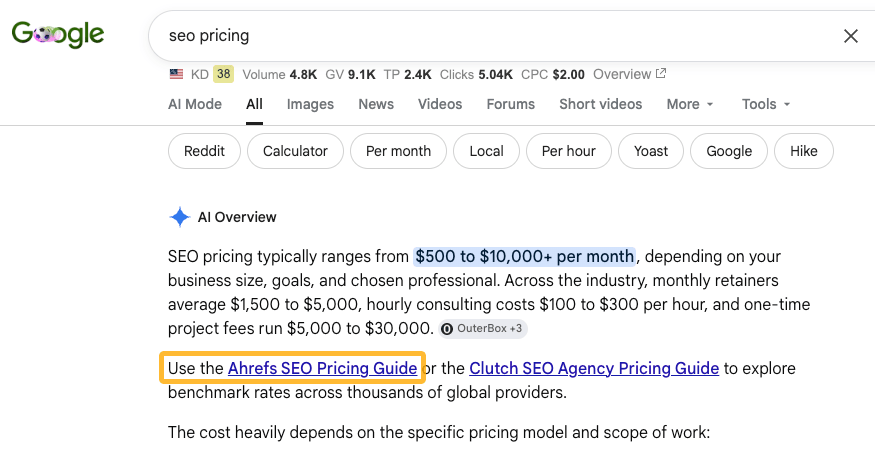
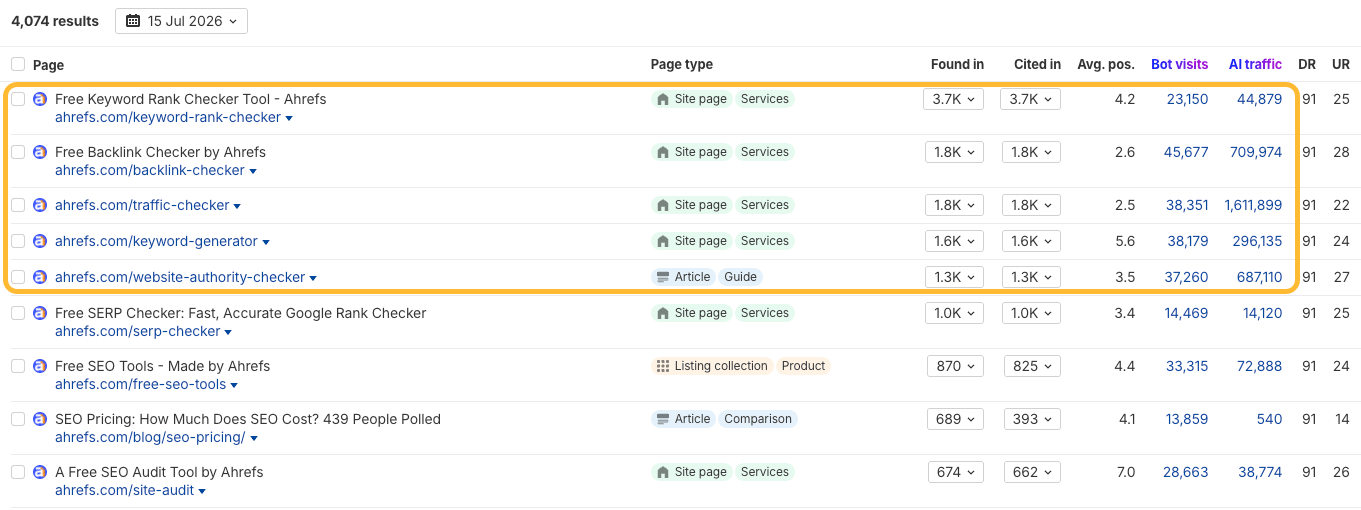
Content that resists AI summarization, such as online tools, calculators, and templates, offers functionality that AI can describe but not replicate. For instance, while AI can explain what a backlink checker does, it cannot perform the function itself. This often leads to these types of keywords not triggering AI Overviews, resulting in high AI citation and traffic for the brand’s associated pages.
Creating content for AI search should not be viewed as a separate investment but rather as an extension of producing high-quality, valuable content. Original research, firsthand experiments, unique perspectives, and exclusive data are the types of content that naturally earn AI citations, are shared widely, quoted by journalists, discussed on podcasts, and utilized by sales teams. This type of content fuels newsletters, social media, sales conversations, and earns valuable third-party mentions, with AI visibility being an additional benefit.
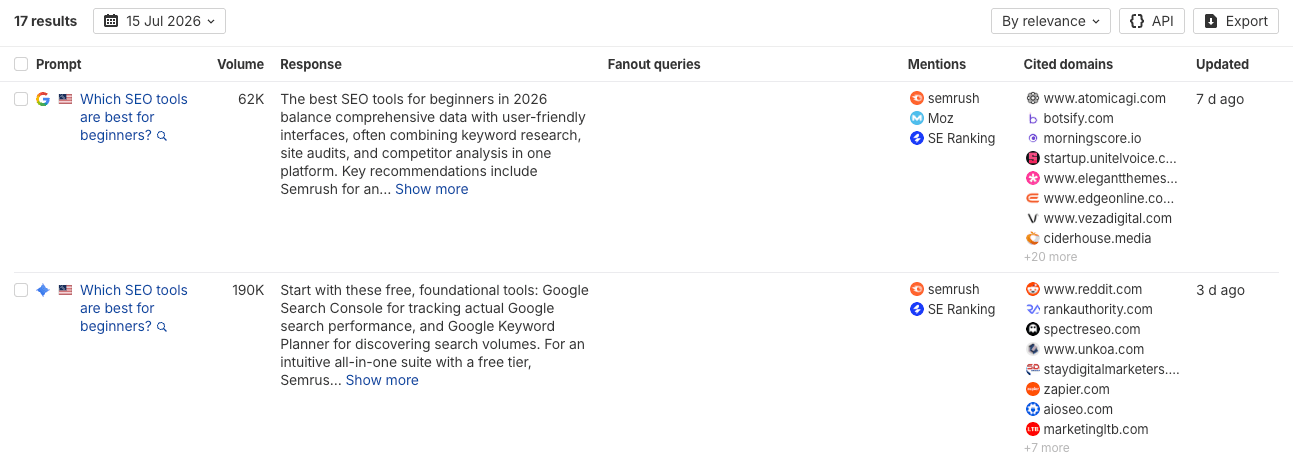
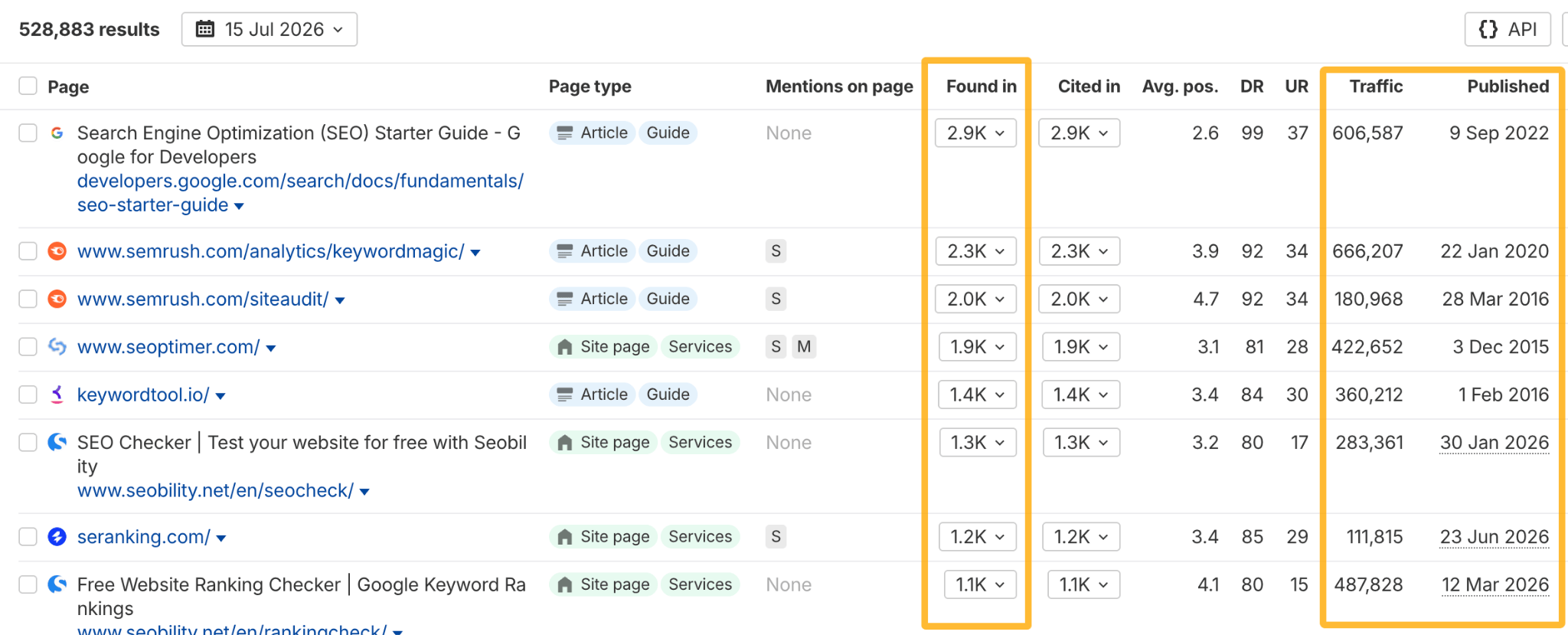
To implement this, brands should identify citation gaps—topics where AI cites competitors but not the brand. These gaps signal demand for content within a category. Tools like Brand Radar can help uncover these gaps by analyzing citation data. By examining the cited pages for these topics, brands can identify opportunities for new content or improvements to existing content. Prioritizing these opportunities based on columns like "Found in" and "Traffic" and considering the freshness of existing content is crucial. Filtering by competitors can reveal topics they cover that the brand currently does not. The key is to contribute unique value, such as internal data, customer research, benchmarks, experiments, or firsthand experience, to create the strongest content. For content that resists summarization, keyword research tools can help identify keywords where Google does not currently show AI Overviews, indicating an opportunity to create tools, calculators, or templates.
Pillar 4: Measuring Average Visibility, Not Individual Answers
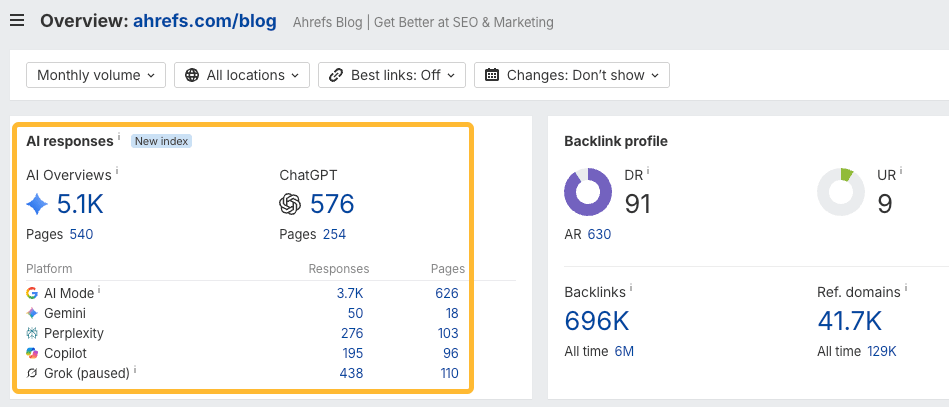
AI answers are dynamic and can change frequently. The entities mentioned in AI Overviews can vary significantly between responses, and different AI assistants rely on diverse search indexes, leading to disparate results. For example, while Xbox might be more frequently mentioned than PlayStation in certain AI assistants, PlayStation often holds greater prominence across the broader Google ecosystem.
Consequently, the focus should shift from tracking individual AI responses to measuring average visibility across a multitude of prompts and AI systems over time, akin to a "share of voice" metric. The ultimate goal is to understand a brand’s consistent presence across the questions, platforms, and buying scenarios relevant to its audience.
To achieve this, brands utilizing tools like Brand Radar can create reports that include competitors. The "Brand performance" chart tracks mentions, citations, AI share of voice, and estimated impressions over time, providing insights into current performance and long-term trends. This chart can be used to compare metrics across competitors, with the ability to switch between various AI visibility metrics. Filters for prompt indexes, AI platforms, and locations allow for a granular analysis of performance.
These metrics help answer fundamental questions: How much AI visibility does your brand have? How does it compare to competitors? Which AI platforms are most important for your brand? And what is the trend of your AI visibility over time? Establishing a baseline and monitoring progress are essential first steps. For more specialized tracking, custom dashboards can be built to include additional metrics such as AI share of voice (percentage of tracked prompts mentioning the brand relative to competitors), AI traffic (referral traffic from AI assistants), AI bot activity (how often AI crawlers visit the site, indicating content indexing), AI coverage (percentage of tracked prompts mentioning or citing the brand), AI perception (how AI consistently describes the brand across dimensions like ease of use and trust), outdated pages cited by AI, and actionable recommendations based on gaps and misrepresentations.
What to Avoid in Your AI Search Strategy
As the AI search landscape evolves, it’s important to steer clear of ineffective shortcuts. Self-promotional "best tools" lists, where a brand ranks itself highest, may generate citations but can inadvertently boost competitor visibility. AI may use such content to generate answers but might favor mentioning other brands included in the list. Transparency and objectivity, acknowledging competitor strengths, are crucial for credibility.
Furthermore, publishing large volumes of unreviewed AI-generated content, often referred to as "scaled content," can lead to repetitive information, weak research, and factual errors. This practice is also associated with scaled spam by search engines, potentially resulting in short-term traffic spikes followed by sharp declines, a phenomenon dubbed "Mount AI." While AI is a valuable tool for research, outlining, and editing, it should not replace original ideas, firsthand experience, evidence, or human judgment.
Finally, blocking AI crawlers without a compelling reason can hinder a brand’s visibility. Unless there’s a strategic licensing purpose, avoiding blocks on crawlers like GPTBot, ClaudeBot, and PerplexityBot is generally advisable to ensure AI systems can access and process brand information.
In conclusion, AI search represents a new frontier that rewards the foundational principles of effective marketing: clear communication, credible validation, original content, and consistent measurement. The convergence of SEO, content marketing, digital PR, brand marketing, product documentation, and customer advocacy is central to AI’s ability to understand, verify, and recommend brands. Success in AI search is no longer solely an SEO concern but a reflection of the entire marketing ecosystem’s effectiveness in shaping AI’s perception and endorsement of a brand.