 11
11

Washington D.C. – The United States economy, defying recent expectations, experienced an unexpected decline in job numbers during July. This surprising development has significantly altered investor sentiment, leading to a substantial decrease in the likelihood of an interest rate hike by the Federal Reserve at its upcoming September meeting. The implications of this shift are rippling through financial markets, impacting Treasury yields and stock valuations.
Following the release of the July jobs report on Friday morning, the probability assigned to the Federal Reserve maintaining its current interest rates at the September meeting surged to 65% on the prediction market platform Kalshi. Prior to the release of the economic data, market sentiment was evenly split, with odds hovering around 50-50 for either a rate hike or a pause. In the immediate aftermath of the Federal Reserve’s last meeting at the end of July, the odds of a rate increase were positioned at nearly 58%, underscoring the dramatic swing in market expectations.
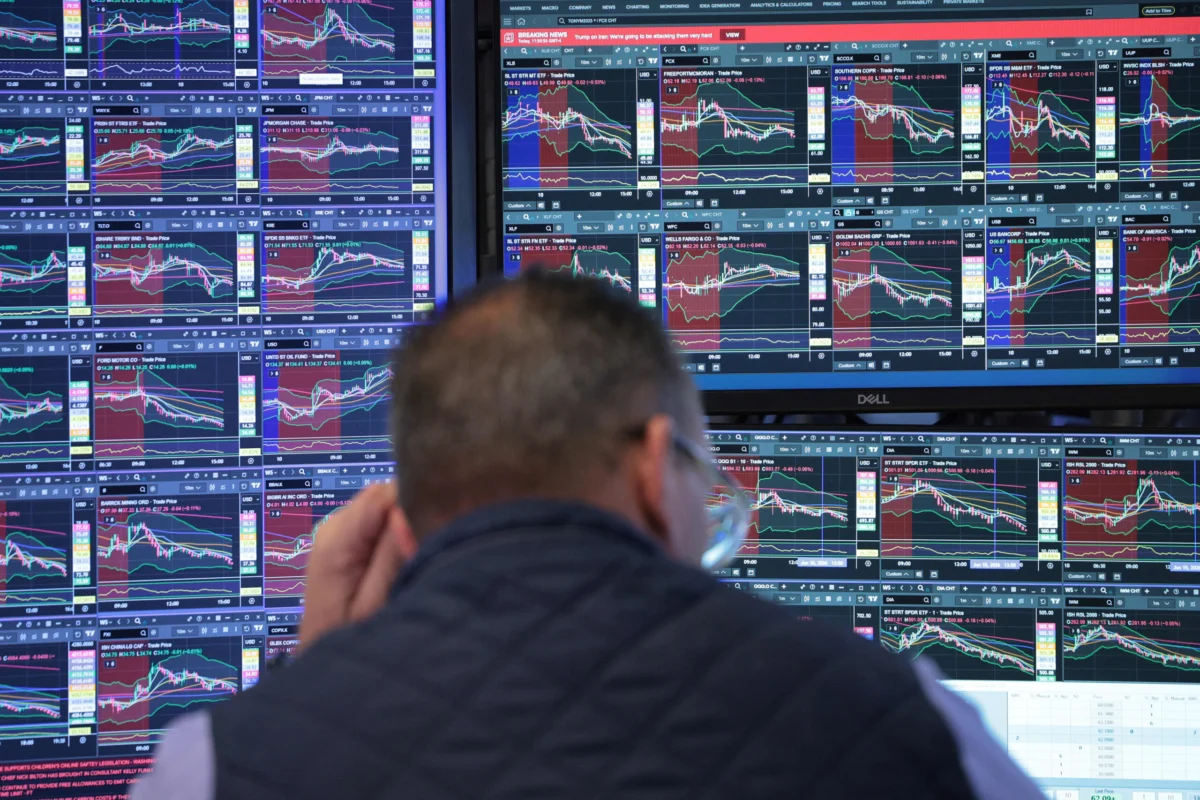
Further reinforcing this shift, CME’s FedWatch tool, which tracks market expectations based on trading in Fed funds futures, now indicates a 60% chance that the Federal Reserve will hold rates steady in September. This represents a notable increase from Thursday’s figures, where the odds stood at 45%, and a week prior, when they were as low as one-in-three. The market’s reassessment of the Federal Reserve’s monetary policy path has had a tangible impact on financial assets. The weaker-than-expected jobs report triggered a decline in Treasury yields and a corresponding rise in stock prices, as investors adjusted their portfolios to reflect the altered outlook for interest rates.
The weakening labor market data presents a critical challenge to the Federal Reserve’s considerations regarding further rate increases. While some members of the Federal Open Market Committee (FOMC) have advocated for higher interest rates, citing persistent inflationary pressures, particularly from elevated energy prices exacerbated by the U.S.-Iran war, the latest jobs report introduces a significant counterpoint. At the Fed’s July meeting, a notable dissent emerged, with three FOMC members voting in favor of a rate hike rather than maintaining the status quo. These calls for tightening monetary policy were largely predicated on the labor market’s demonstrated resilience throughout 2026, which had seen consistent job growth following a more volatile economic landscape in 2025.
However, if the current data signals a genuine weakening in the job market, the rationale for further tightening monetary policy to deliberately slow down the economy becomes more complex and potentially riskier. The Federal Reserve’s mandate involves balancing price stability with maximum employment, and a faltering labor market could necessitate a more cautious approach to interest rate policy.
Looking ahead, investor attention is now intensely focused on the upcoming inflation data for July. The Consumer Price Index (CPI) report for the month is scheduled for release next week, on August 12. The most recent inflation figures for June revealed the largest month-over-month decrease in prices seen in six years, largely attributed to a decline in energy costs. However, oil prices experienced an increase in July, influenced by renewed geopolitical tensions in the Middle East, which could potentially exert upward pressure on inflation.
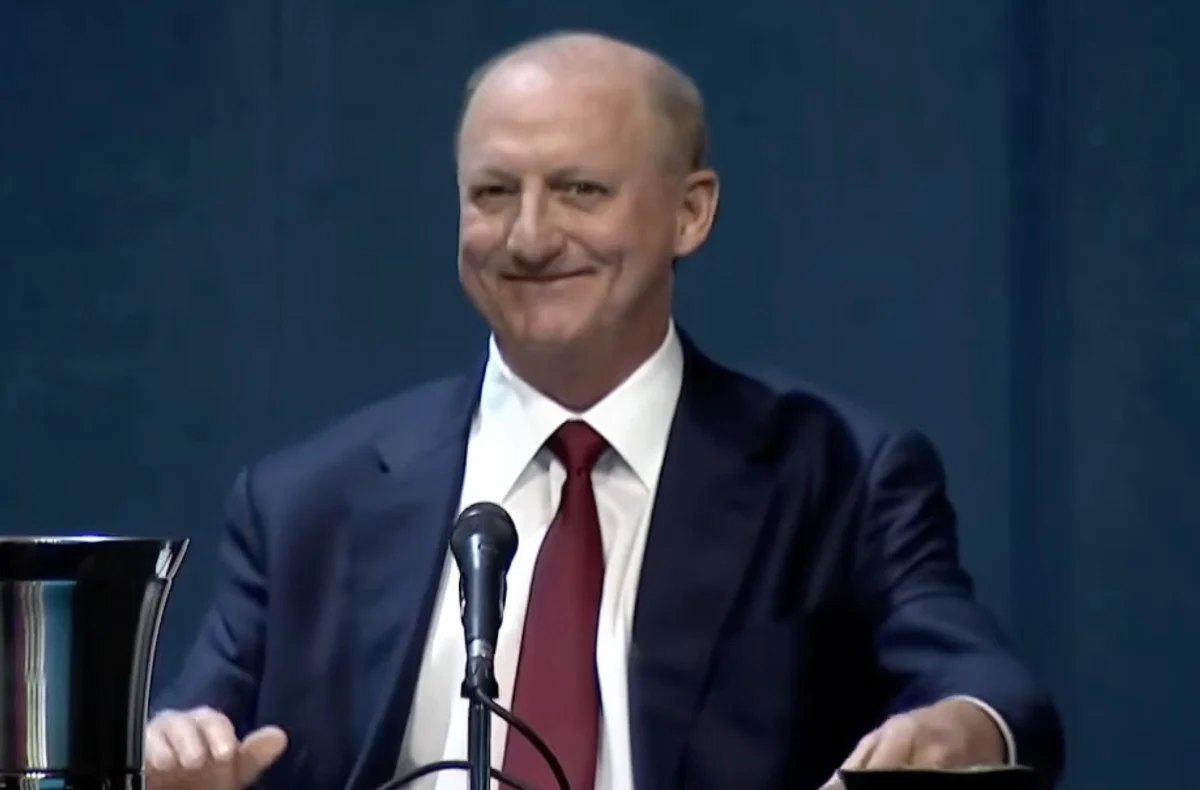
Ellen Zentner, chief economic strategist at Morgan Stanley Wealth Management, highlighted the pivotal role of the forthcoming inflation data. "Today’s weak payrolls print may ease the pressure on the Fed to raise rates at its September meeting, but next week’s inflation data will still likely be the deciding factor," Zentner stated. "If those numbers come in hotter than expected, a cooler labor market may not be enough to quiet the calls for hikes inside the Fed." This sentiment underscores the intricate interplay of economic indicators that the Federal Reserve must weigh when formulating its monetary policy decisions.
Despite the current shift in expectations, the possibility of further rate hikes later in the year has not been entirely dismissed. CME’s FedWatch tool continues to reflect a notable probability of rate increases in subsequent meetings. As of the latest data, there remains a 55% chance of a hike in October and an almost 75% chance of an increase in December. This suggests that while the immediate pressure for a September hike has diminished, the Federal Reserve may still opt for further tightening if inflation trends re-accelerate or if other economic conditions warrant such action.
The economic landscape continues to be shaped by a complex array of factors, including global energy market dynamics and the ongoing evolution of the labor market. The Federal Reserve’s decision-making process will be closely scrutinized as it navigates these competing pressures to achieve its macroeconomic objectives.
CNBC’s Sean Conlon contributed reporting to this article.
Disclosure: CNBC and Kalshi have a commercial relationship that includes customer acquisition and a minority investment.