 11
11
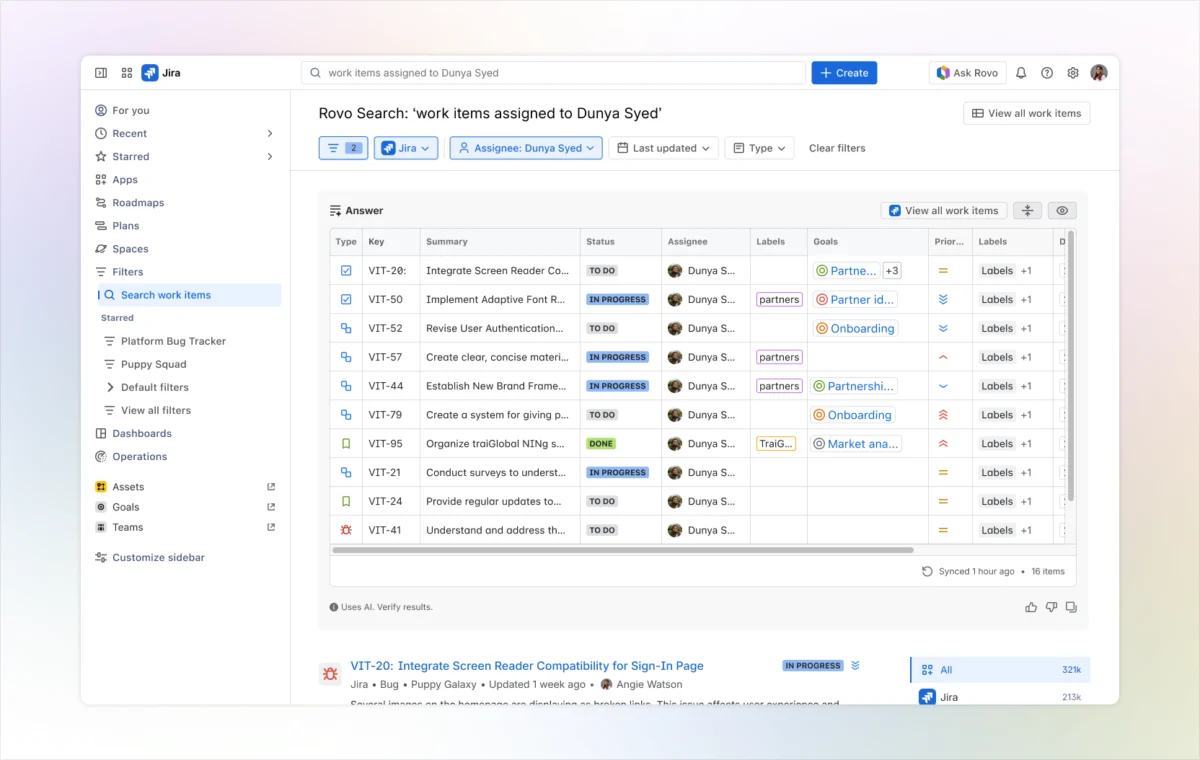
The landscape of workplace productivity has undergone a fundamental shift as Atlassian announces a series of major updates to Rovo Search, its AI-powered enterprise search solution. In a move to eliminate the "scavenger hunt" nature of modern digital work, Atlassian has revealed that Rovo Search is now approximately 60% faster than it was just six months ago. This performance milestone is part of a broader strategy to transition enterprise search from a simple directory of links into an intelligent knowledge layer capable of understanding intent, synthesizing information, and embedding itself directly into the daily workflows of global teams.
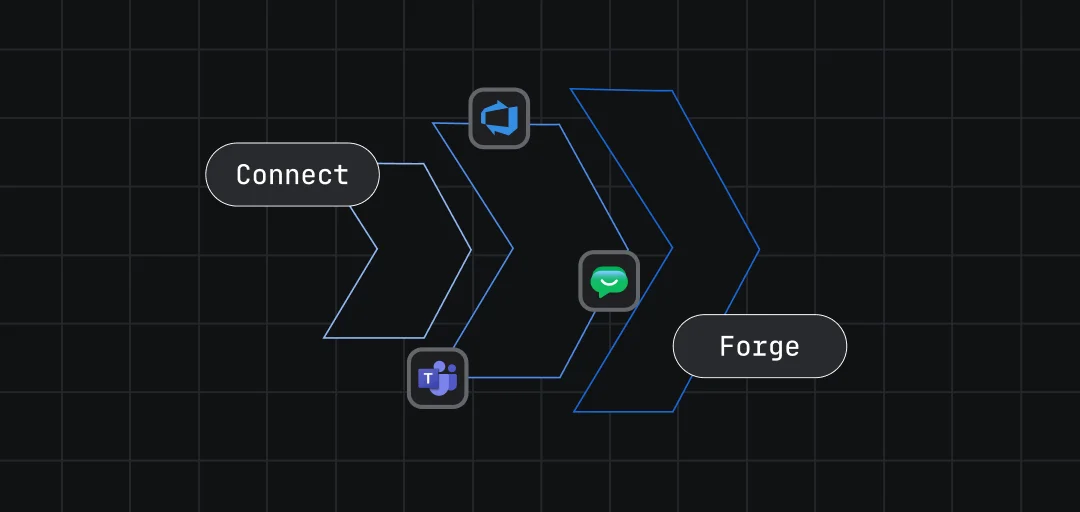
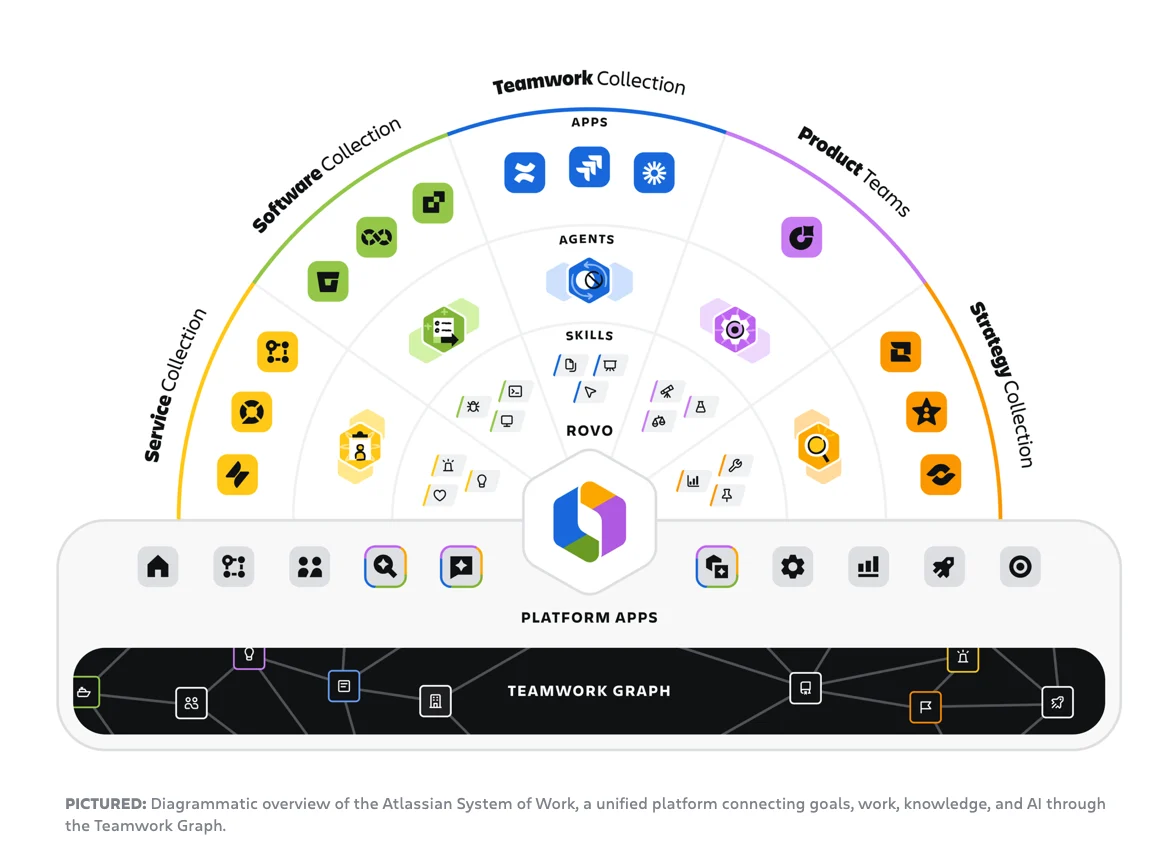
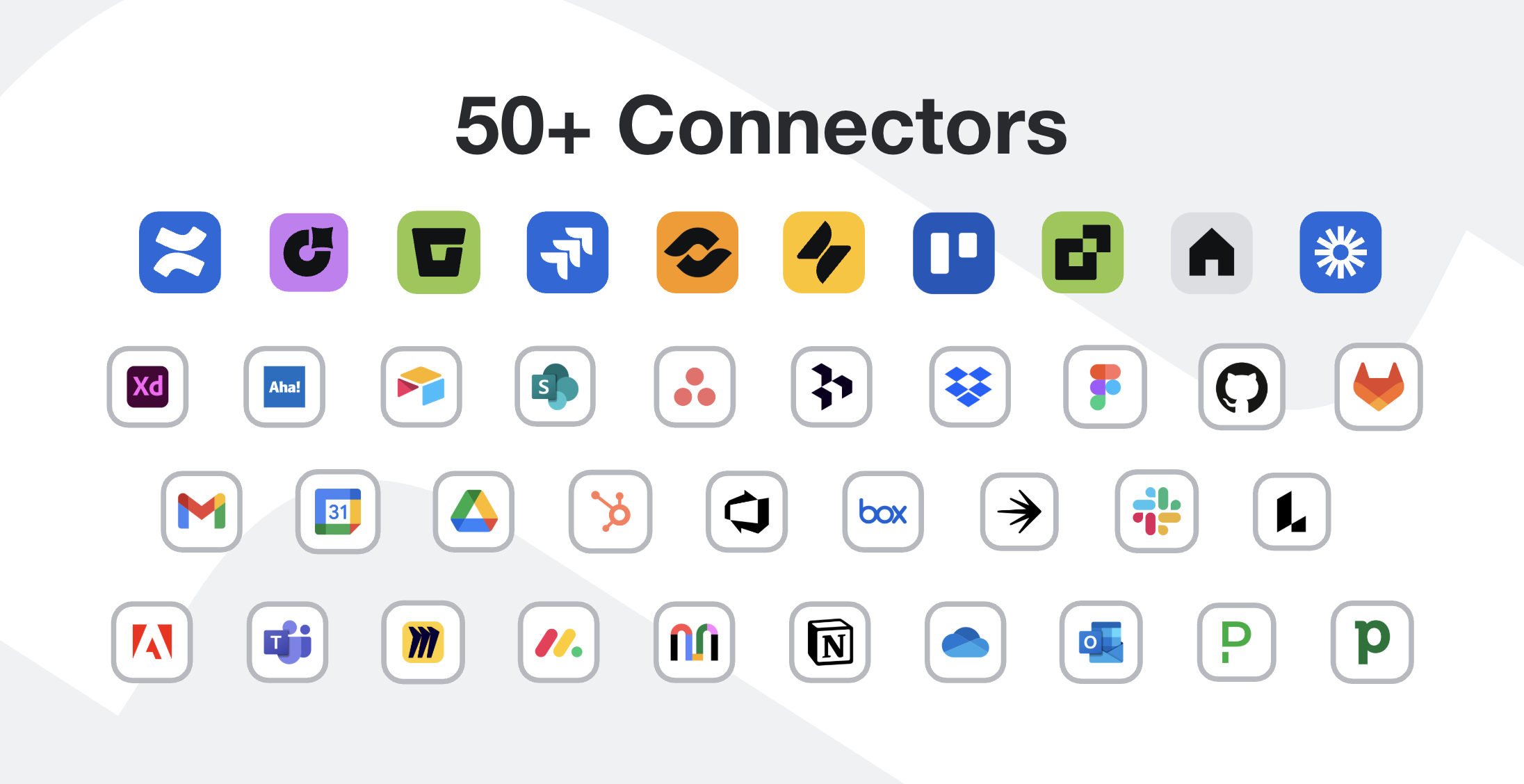
A year ago, the standard experience for finding information within a large organization remained fragmented. Employees were frequently forced to navigate a labyrinth of platforms, including Slack, Confluence, email, and Jira, often relying on trial-and-error keyword searches. This traditional routine—characterized by opening dozens of browser tabs and manually scanning through walls of text—is being replaced by Rovo’s unified interface. By connecting more than 50 popular enterprise tools, including Google Drive, GitHub, SharePoint, and Microsoft Teams, Rovo Search provides a centralized point of access that respects enterprise-grade permissions while significantly reducing the time required to move from a query to an actionable answer.

One of the most significant evolutions in the platform is its transition from a search engine into an answer engine. Rovo Search now possesses the capability to interpret natural-language questions and provide rich, synthesized responses rather than a mere list of documents. By drawing context from various connected sources, the AI generates concise answers that include direct citations. This allows users to verify the information with a single click, ensuring that the synthesized data is grounded in the team’s actual work.
This capability is particularly transformative for complex queries. For instance, instead of a user searching for "launch timeline" and manually reconciling dates across project tickets, meeting notes, and Slack threads, they can now ask a specific question and receive a consolidated timeline. Atlassian reports that this shift toward exploratory, answer-seeking work is already being reflected in user behavior: currently, 20% of all search sessions are supported by AI-generated answers. Furthermore, the utility of this feature is driving high engagement, with 80% of users returning to the platform within a 28-day window.
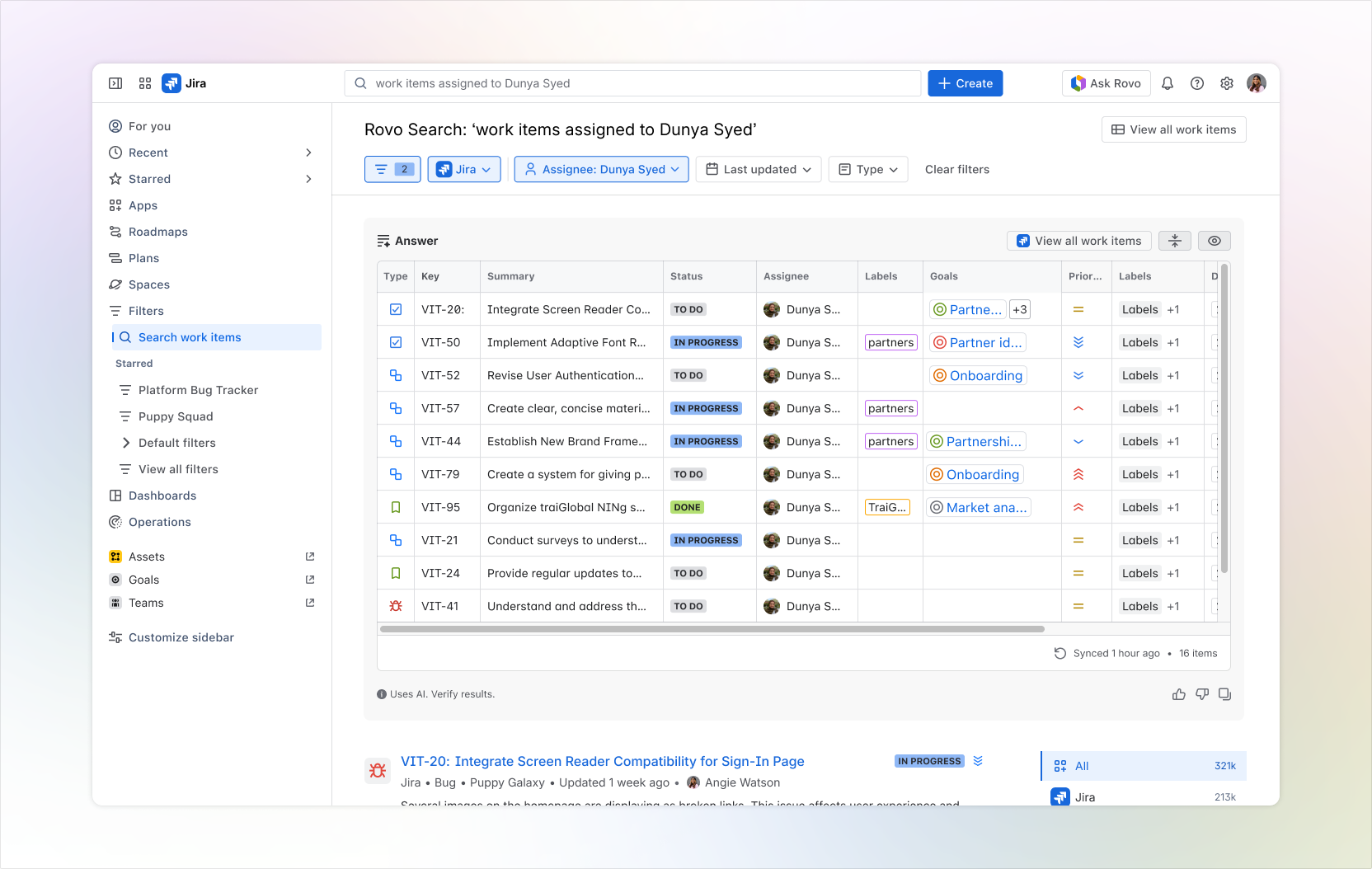
The integration of Rovo Search within Jira represents another major leap in functional intelligence. Recognizing that Jira users often have high "muscle memory" for specific navigation patterns—such as searching for issue keys or using Jira Query Language (JQL)—Atlassian has introduced intent-aware routing. This system distinguishes between deterministic searches (like finding a specific ticket) and broader knowledge-seeking queries (such as asking about project guidelines or release changes).
When a user enters a query into Jira Quick Find, the system now determines whether to keep the user on the traditional Jira path or route them to Rovo Search for a more context-rich, cross-product response. The impact of this intelligent routing has been substantial. According to Atlassian’s data, one-third of all navigation and search activities across Jira are now handled by Rovo. This integration has resulted in users being 74% more successful at finding the specific Jira work items they require, effectively merging the speed of AI with the established behaviors of the Jira ecosystem.
The scope of Rovo Search has also expanded through its growing ecosystem of connectors. Recognizing that work is rarely contained within a single application, Rovo is designed to bridge the gap between Atlassian products and third-party tools. A project plan might originate in Confluence, but the technical execution often resides in GitHub or Bitbucket, while customer feedback is stored in Zendesk or ServiceNow, and final presentations are kept in Google Drive or SharePoint.
The recent addition of GitHub as a searchable surface allows teams to bring pull requests, commits, and repositories into the same view as their Jira tickets and Loom recordings. By serving as a unified knowledge layer, Rovo Search ensures that information is not just findable, but contextualized based on the user’s role and permissions across the entire tech stack. This prevents the "silo effect" where critical information remains hidden within a tool that a specific team member might not check daily.
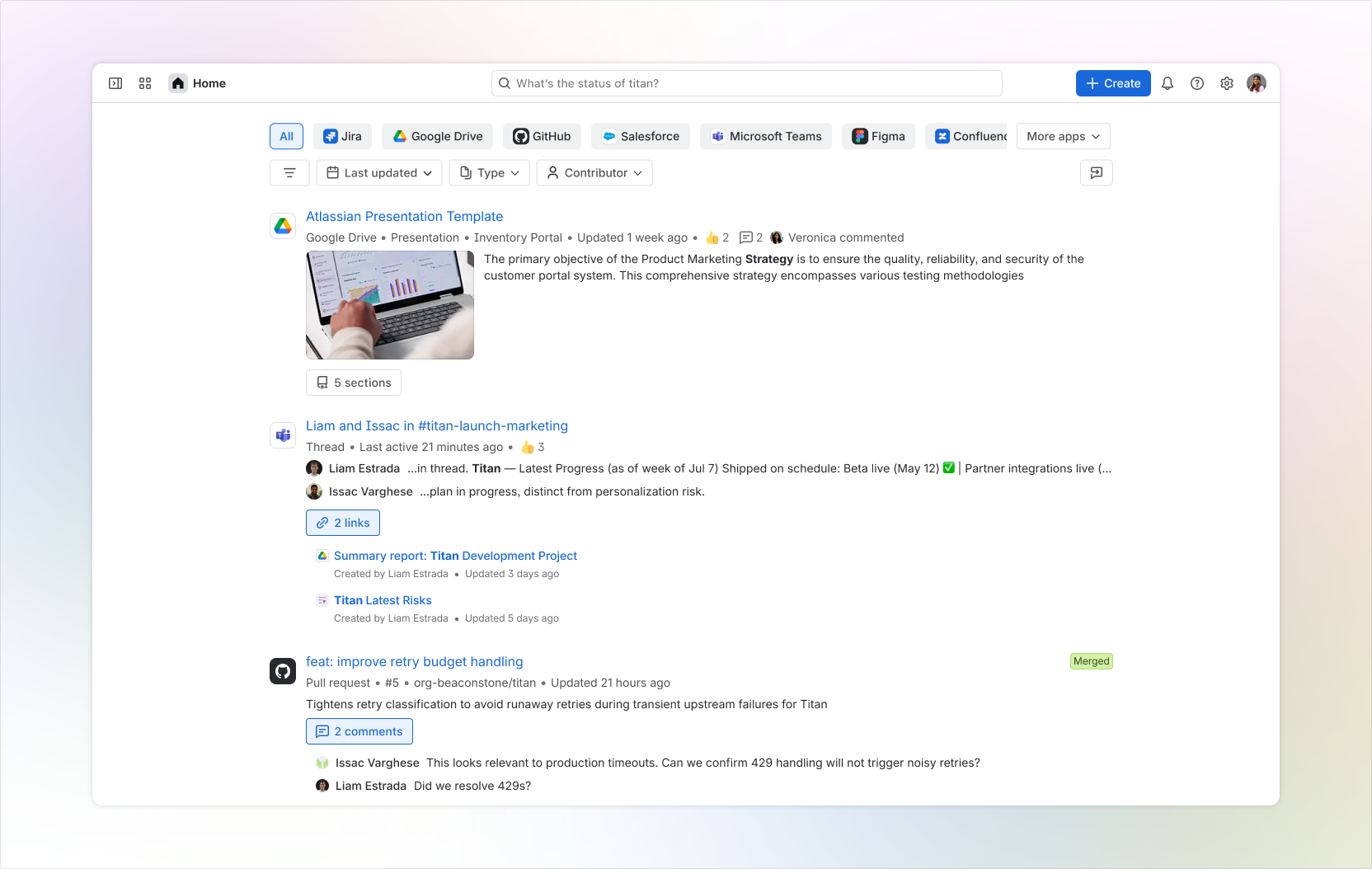
Beyond the backend intelligence, the visual delivery of search results has been overhauled to make information easier to act upon. Search results are no longer static text blocks; they have evolved into adaptive UI components. These "rich results" provide immediate context, such as the status of a project, the owner of a document, the recency of an update, and relevant snippets of comments.
By utilizing interactive cards and pre-query suggestions—which help users refine their search before they even finish typing—Rovo reduces "tab fatigue." When a search result carries enough metadata to answer a user’s question or inform their next move, the need to click through and open new pages is eliminated. This makes the search journey more fluid and less disruptive to the user’s primary tasks.
Finally, Atlassian has prioritized making search a "capability" rather than a "destination." Instead of requiring users to navigate to a specific search page, Rovo is increasingly woven into existing creation and planning flows. For example, inside Confluence, the search functionality is integrated into the link-insertion process, allowing a writer to find and cite a document without ever leaving the page they are drafting. By appearing where the question naturally arises—whether that is in a Jira ticket, a Confluence page, or a Bitbucket repository—Rovo ensures that teams stay in their "flow state."
The cumulative effect of these updates—the 60% increase in speed, the AI-driven synthesis of answers, the intent-aware routing in Jira, the expanded connector library, and the richer visual interface—marks a turning point for Atlassian’s AI strategy. The company is moving away from the paradigm of "finding links" toward a paradigm of "understanding work."
In this new environment, search serves as an intelligent assistant that not only locates files but also explains the relationships between people, projects, and decisions. As Rovo Search continues to learn from team interactions and connected data, Atlassian aims to provide a search experience that anticipates user needs, reduces cognitive load, and accelerates the pace of innovation across the enterprise. For organizations looking to leverage these tools, the process begins with connecting the various platforms where their data resides, allowing the AI to build a comprehensive map of the company’s collective intelligence. The goal is a workplace where the answer is always within reach, and the "scavenger hunt" for information is finally a thing of the past.