 11
11

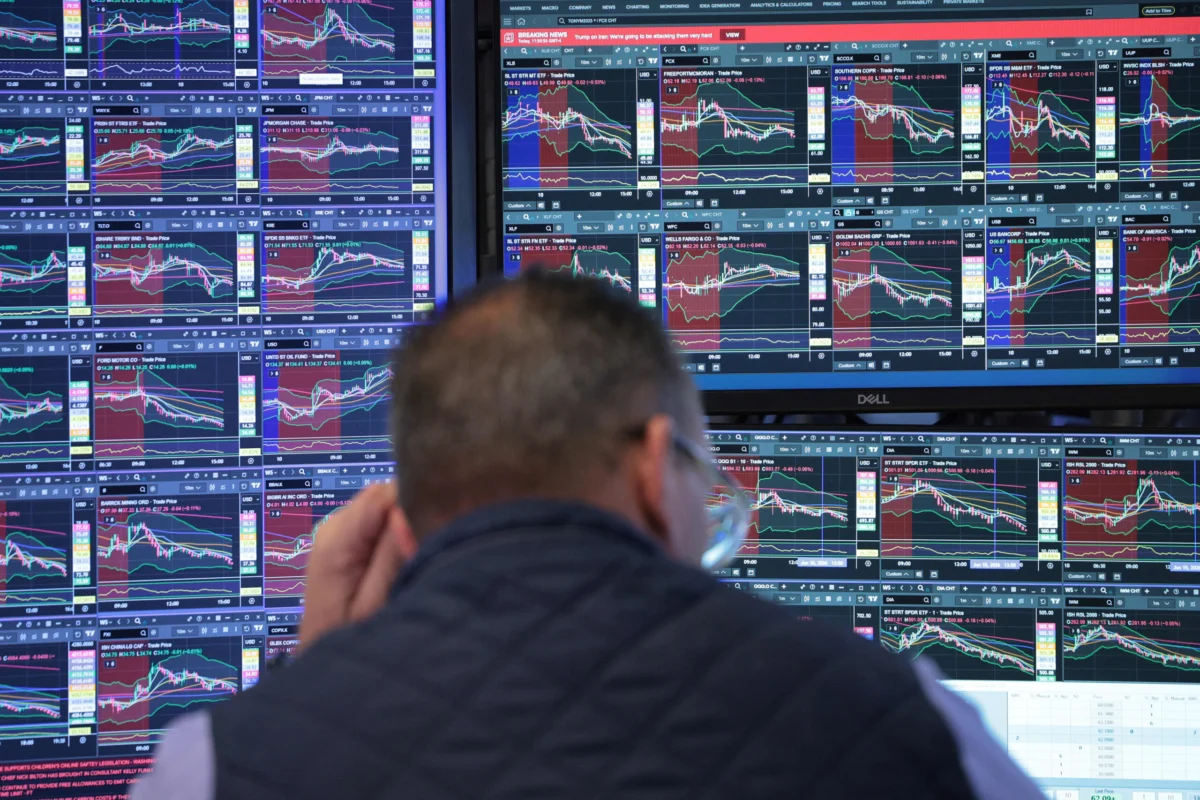
Champpixs | Istock | Getty Images
The stock market, outwardly tranquil, concealed a dramatic implosion within one of Wall Street’s most rapidly expanding artificial intelligence investment funds. In a matter of weeks, Leopold Aschenbrenner’s Situational Awareness fund, which had previously managed approximately $45 billion, was compelled to undertake a sweeping reduction of its listed-stock positions. This drastic measure was a direct consequence of a historic momentum reversal that inflicted substantial losses across both the long and short sides of its portfolio, triggering margin calls and subsequent compulsory sales.
Situational Awareness had strategically built concentrated positions around what was widely considered one of Wall Street’s most popular trades. This strategy involved investing in companies poised to benefit from the AI boom by supplying essential infrastructure such as chips, data centers, and power, while simultaneously betting against software firms perceived as vulnerable to disruption by AI technologies.
The fund’s long positions were heavily concentrated in some of the market’s most significant AI beneficiaries. Public filings from March 31 revealed substantial stakes in Nebius, Bloom Energy, Sandisk, CoreWeave, SharonAI, and IREN. By Wednesday’s closing, these shares had experienced declines ranging from 50% to 78% from their recent peaks. Concurrently, software stocks like Adobe, which had been part of the fund’s shorting strategy, experienced a rally. This unfortunate confluence meant that the fund’s hedging strategy failed to provide protection, resulting in simultaneous losses on both its long and short positions.
Bob Lang, founder and chief strategist at Explosive Options, commented on the situation, stating, "People get over leveraged in this market, and they get seduced by the big returns that some of these companies can deliver. If you’re not managing your risk properly, this is the sort of thing that’s going to happen to you."
As the value of the portfolio diminished, the fund’s equity cushion eroded, leading its prime brokers to demand additional collateral. The necessity of raising cash forced the sale of more holdings, which in turn exerted further downward pressure on already declining stocks, amplifying losses. What might have been a significant, albeit painful, drawdown thus spiraled into a rapid deleveraging event. Ken Griffin’s Citadel hedge fund ultimately reached an agreement to acquire the fund’s publicly traded assets.
Lang further elaborated on the cyclical nature of such events, noting, "Running somebody out of the door like this is as old as time. I’ve seen it happen a lot in oil markets… there’s a lot of things that are happening underneath the surface that we really don’t know about."
Momentum Crash: A Stark Illustration
This episode serves as a potent illustration of how a hedge fund can incur devastating losses even when major stock indexes appear relatively stable. The S&P 500 remained near record levels as the fund’s troubles unfolded, masking what is described as one of the most significant market leadership reversals in decades.
Jonathan Krinsky, chief market technician at BTIG, characterized the event in a note as "the largest/fastest momentum crash in modern history. And it wasn’t particularly close." According to BTIG data, Morgan Stanley’s sector-neutral Momentum Index plummeted by 17.4% in just four trading days, marking its worst performance on record. This decline surpassed the momentum reversals witnessed after the dot-com bust, the COVID-19 pandemic shock, and the inflation-driven bear market of 2022.
The iShares MSCI USA Momentum Factor ETF, which had experienced its best-ever month in April, was on pace for its worst month, highlighting the swiftness with which a previously dominant strategy could become a significant underperformer.
Clearing Event or Continued Decline?
AI infrastructure stocks experienced a sharp rebound on Thursday, leading many investors to interpret the preceding weeks of volatility as a technical dislocation rather than a fundamental deterioration in the sector’s outlook. With the exit of one of the market’s largest forced sellers, traders re-entered many of the chipmakers, power companies, and data-center plays that had been at the epicenter of the selloff. The tech-heavy Nasdaq Composite saw a notable jump for the second consecutive day on Friday, positioning it for a weekly gain of 0.9% after enduring steep losses in the prior two weeks.
However, not all market participants share the view that the forced liquidation marks the definitive end of the AI-related selloff. Michael Burry, renowned for his prescient shorting of the 2008 housing market, has been a vocal critic of the AI boom. Burry argues that a significant portion of the industry’s demand is being artificially sustained by financing arrangements rather than genuine end-customer adoption.
Rather than viewing Thursday’s rebound as a turning point, Burry reportedly used the rally as an opportunity to increase his bearish positions. According to a Substack post on Thursday, he added to put options in Micron, the VanEck Semiconductor ETF, and Nvidia.
"The knee jerk reaction to the Paired Momentum unwind yesterday has been to put it back on today," Burry wrote. "This was a historic reversal, even more so than what happened 26 years ago," referring to the onset of the dot-com bubble’s collapse in 2000. Burry acknowledged that oversold and overbought conditions could explain a short-term bounce but expressed skepticism about the long-term sustainability of the rally, concluding, "The legs… they look tired."