11
11
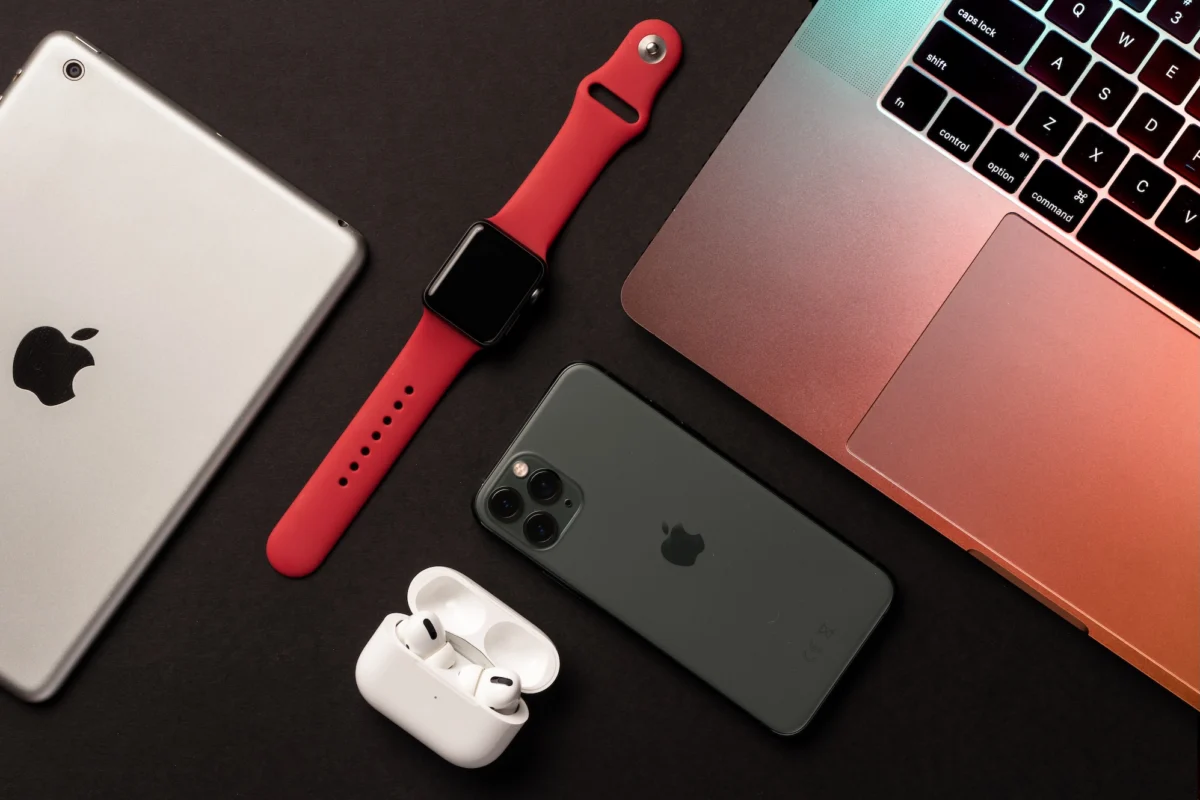
As the burgeoning generative AI industry drives an unprecedented surge in demand for high-performance hardware components, technology giants like Apple and other prominent device manufacturers are confronting what outgoing CEO Tim Cook has characterized as "a hundred-year flood [on] memory pricing." This severe and widespread escalation in memory costs is significantly impacting the expenses associated with producing flagship products such as iPhones, MacBooks, and other essential devices, setting the stage for a challenging period across the consumer electronics sector.
The immense computational requirements of generative AI models, which necessitate vast quantities of high-bandwidth memory (HBM) and specialized DRAM for AI accelerators and data centers, have created intense competition for these critical components. This heightened demand has, in turn, led to substantial price increases, reverberating through the entire semiconductor supply chain and directly affecting companies that rely on these memory chips for their end products.
Despite these looming challenges, Apple reported what it described as its "strongest June quarter ever" for 2026. The company’s recent earnings report highlighted robust performance in key product categories, with iPhone sales growing an impressive 22% year-over-year and Mac sales experiencing an even more significant 29% increase. This positive financial snapshot underscores the continued consumer appetite for Apple’s ecosystem, even as the company braces for an intensifying memory crisis.
However, beneath the surface of strong sales figures, Apple is preparing for a worsening global memory shortage, colloquially dubbed "RAMageddon." This term, increasingly used within the industry, signifies a potentially severe and prolonged scarcity of Random Access Memory (RAM) chips, threatening to disrupt production schedules and limit product availability across the board. Apple’s most pressing concern revolves around securing sufficient quantities of the advanced memory nodes specifically designed for its proprietary Apple silicon chips. These cutting-edge processors, including the A-Series powering iPhones and the M-Series driving Macs, rely on highly specialized memory configurations to deliver their industry-leading performance and power efficiency. The unique and advanced nature of these chips means Apple has less flexibility in sourcing alternative memory solutions, making the current shortage particularly acute for the Cupertino-based giant.
Tim Cook articulated the gravity of the situation during Apple’s quarterly earnings call. "We continue to expect high levels of demand. However, with less flexibility in supply chain, we expect the impact from the supply constraints to increase significantly sequentially," Cook stated, painting a clear picture of the escalating difficulties. He further emphasized the immediate nature of the problem, noting, "We’re seeing some very significant constraints currently with limited flexibility in the supply chain to remedy it." These statements underscore a critical vulnerability in the globalized electronics manufacturing ecosystem, where disruptions in one segment, such as memory production, can have cascading effects across the entire value chain.
The depth of Apple’s concern over impending supply shortages is perhaps best illustrated by a significant deviation from its long-established supply chain philosophy. The company reported a substantial $11.1 billion in inventory, nearly double the $5.7 billion it held in September of the previous year. This strategic pivot marks a notable departure from Cook’s long-held emphasis on minimizing inventory levels, a "just-in-time" approach that has historically been a hallmark of Apple’s efficient and lean operational model. The decision to stockpile components, particularly memory, reflects a proactive (or reactive) measure to mitigate the anticipated impact of "RAMageddon" and ensure continued production, even if it ties up more capital. This move signals a strategic shift aimed at building resilience against an increasingly volatile and unpredictable global supply landscape.
The direct consequence of these escalating component costs and supply constraints has already been felt by consumers. Tim Cook acknowledged that Apple was "reluctantly" compelled to raise the prices of its Macs and iPads last month. While iPhones were spared from immediate price adjustments, the move on other key product lines highlights the direct correlation between rising production costs and consumer-facing prices. This reflects a difficult balancing act for Apple: absorbing higher costs to maintain market competitiveness or passing them on to consumers, risking potential sales slowdowns.
Crucially, Apple is not alone in grappling with these systemic challenges. The "hundred-year flood" in memory pricing and the broader "RAMageddon" phenomenon are impacting numerous major players in the tech industry. Other prominent hardware makers have also been forced to implement similar price increases due to the surge in RAM costs. Meta, for instance, raised prices for its Quest 3 and Quest 3S virtual reality headsets. Samsung, a global leader in smartphones and tablets, adjusted prices for its Galaxy devices. Microsoft saw major price increases across its Surface Pro and Laptop PC lines, while Sony hiked PlayStation 5 prices, citing surging memory chip costs. This widespread impact underscores that the memory crisis is a pervasive industry-wide issue, not merely an isolated challenge for Apple.
Looking ahead, Apple’s financial outlook reflects this challenging environment. For the upcoming quarter, the company is forecasting revenue growth between 9% and 11% year-over-year. While still a healthy growth rate, this projection falls short of the approximate 16% year-over-year growth Apple has consistently maintained in recent quarters. This anticipated slowdown in growth has naturally concerned investors, leading to a noticeable reaction in the market. Following the earnings report, Apple stock experienced a 6% drop in after-hours trading, reflecting investor apprehension about the potential impact of supply constraints on future profitability and market performance.
As Senior Vice President of Hardware Engineering John Ternus prepares to step into the CEO role in September, he will inherit a company navigating a rough patch characterized by unprecedented supply chain pressures and fluctuating component costs. While the scale of the challenge is significant, the silver lining for Apple is that it is not isolated in its struggles; the entire industry is collectively contending with the far-reaching effects of the generative AI boom and the resulting "hundred-year flood" in memory pricing. The ability of these tech giants to innovate their supply chain strategies and manage these cost pressures will be critical in determining their resilience and market positioning in the coming years.