11
11
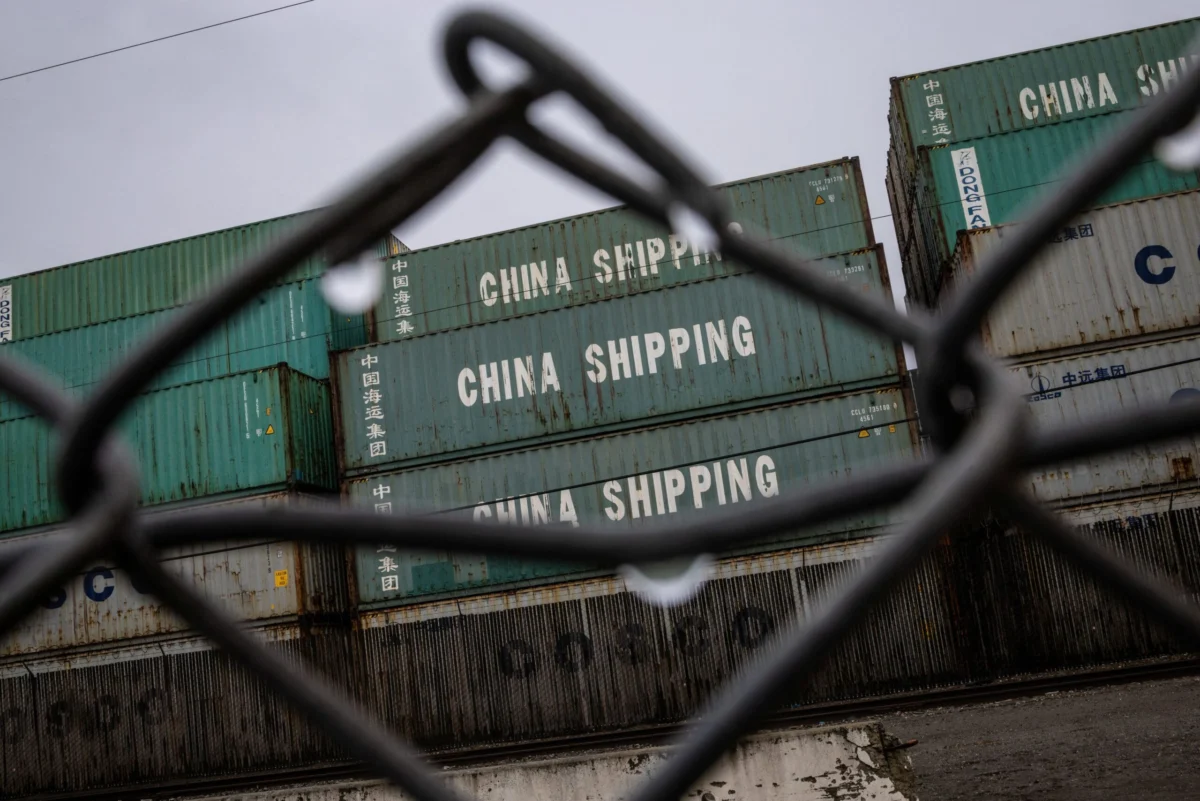
BEIJING – A critical engine of the Chinese economy, its export sector, experienced a significant slowdown in July, with shipments destined for the United States declining for the first time in several months. This deceleration, revealed in the latest survey of businesses by the U.S.-based research firm China Beige Book, signals a potential impact of ongoing trade tensions and shifts in global demand.
The findings, released on Friday, are based on a comprehensive survey conducted between July 20 and July 28, encompassing 1,436 Chinese businesses. The report highlights a concerning trend: "U.S.-bound shipments fell outright for the first time in several months." This marks a reversal from recent positive performance and raises questions about the sustainability of China’s export-led growth in the current geopolitical and economic climate.
The last recorded decline in China’s exports to the U.S. occurred in March, when figures plummeted by over 26% compared to the previous year. This March downturn was consistent with a broader pattern of double-digit declines that emerged following the escalation of trade tensions in April 2025, according to official data accessed via Wind Information. The recent dip in July suggests that the impact of these tensions may be reasserting itself, or that other factors are beginning to influence trade flows.
This contraction in July contrasts sharply with the robust performance observed in June. In the preceding month, shipments to the U.S. had surged by a significant 14%, contributing to an overall export boom. This surge saw total Chinese exports climb by an impressive 27%, marking the most substantial growth in nearly five years. The June figures were partly attributed to businesses accelerating their shipments in anticipation of anticipated higher U.S. tariffs scheduled for later in the summer. Furthermore, the burgeoning demand for China-made components, driven by the rapid development of data centers essential for powering artificial intelligence (AI) technologies, also played a role in bolstering export numbers.
However, the latest China Beige Book study paints a less optimistic picture for July. The survey indicates a deceleration in factory activity, with the manufacturing sector experiencing its most challenging period in terms of employment. Across all surveyed sectors, job growth worsened compared to the previous year, suggesting a broader slowdown in industrial output and labor demand. This broad-based weakening in manufacturing employment could have ripple effects on domestic consumption and overall economic momentum.
Beyond manufacturing, the retail sector also showed signs of strain. Retail sales in July reportedly fell compared to both the preceding month and the same period in the previous year. The report specifically noted a "sharp on-year downturn" in the travel and restaurant sectors, indicating a potential contraction in consumer spending on discretionary goods and services. This decline in domestic consumption, if sustained, could further complicate Beijing’s efforts to rebalance its economy towards internal demand.
In response to these economic headwinds, China’s top policymakers have been vocal about the need to bolster both domestic demand and international trade cooperation. A state media readout from Thursday emphasized these priorities, underscoring Beijing’s commitment to achieving technological "breakthroughs." This focus on innovation and self-sufficiency reflects a strategic imperative to reduce reliance on external markets and to foster indigenous technological advancement. The emphasis on domestic demand signals a recognition that a strong internal market is crucial for buffering the economy against global volatility.
The upcoming economic data releases will provide further clarity on the trajectory of the Chinese economy. Official trade figures for July are scheduled to be released on August 7, offering a more comprehensive picture of the export performance. Subsequently, retail sales and investment figures are expected on August 17, which will shed light on the strength of domestic consumption and capital expenditure. These reports will be closely watched by analysts and investors for indications of whether the July slowdown represents a temporary blip or the beginning of a more prolonged period of subdued growth.
The context of trade tensions with the U.S. remains a significant overhang. The imposition and threat of tariffs have created uncertainty for businesses on both sides of the Pacific, impacting supply chains and investment decisions. While some Chinese businesses have sought to mitigate these effects by diversifying their export markets, the U.S. remains a crucial trading partner. The renewed decline in U.S.-bound shipments could therefore have substantial implications for Chinese manufacturers and exporters.
Moreover, the global economic landscape presents its own set of challenges. Rising inflation in many developed economies, coupled with concerns about a potential global recession, could dampen demand for Chinese goods. While China has managed to maintain a relatively stable inflation rate compared to many Western nations, a significant global downturn could still impact its export performance.
The data from China Beige Book, a privately produced survey that often provides an alternative perspective to official statistics, suggests that the Chinese economy is facing a complex interplay of external pressures and internal adjustments. The slowdown in exports, particularly to the U.S., combined with weakening domestic demand in certain sectors, indicates that the path forward for China’s economic growth may be more challenging than previously anticipated. The government’s stated focus on expanding domestic demand and fostering technological self-reliance will be critical in navigating these headwinds and ensuring sustained economic stability. The coming weeks, with their scheduled release of key economic indicators, will be crucial in assessing the evolving economic picture in China.