 11
11
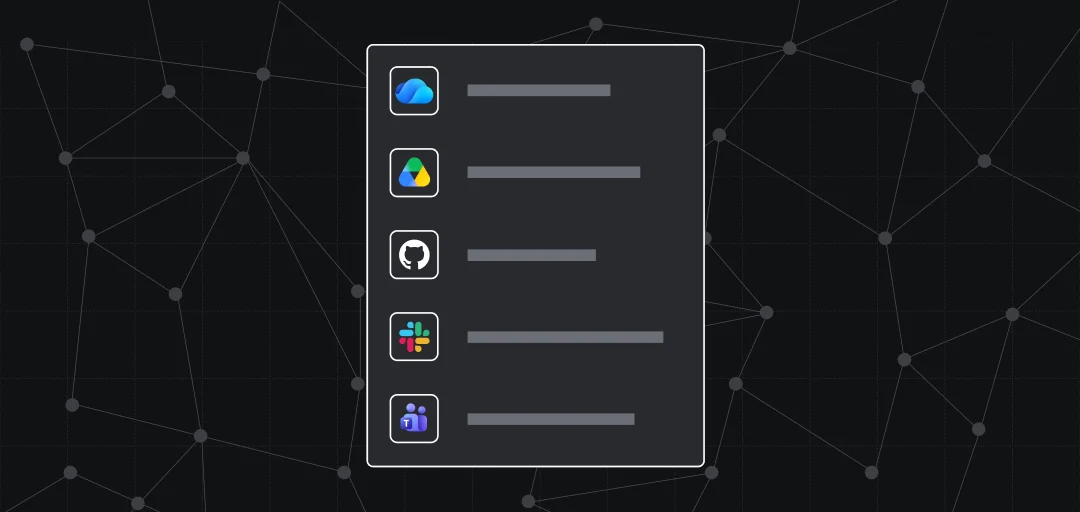
Atlassian has officially announced the expansion of its Rovo artificial intelligence platform through the introduction of specialized Teamwork Graph connectors for Google Drive and Microsoft SharePoint, including OneDrive. This strategic move is designed to bridge the gap between fragmented document storage systems and the primary work environments where teams execute tasks, such as Jira and Confluence. By integrating external document knowledge directly into the Atlassian ecosystem, the company aims to enable teams to move from complex questions to actionable context with significantly greater speed and accuracy.
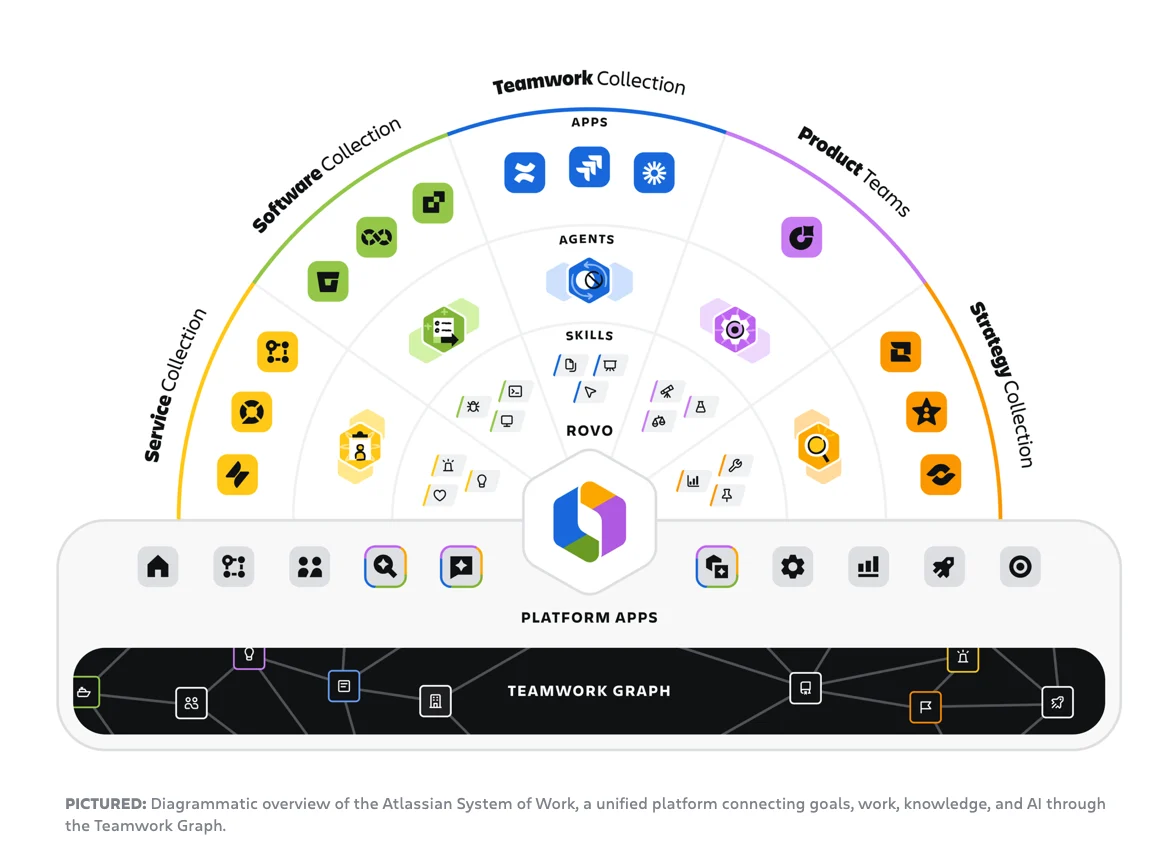
In the modern enterprise landscape, information is frequently scattered across various platforms: project plans may reside in Google Drive, financial models in SharePoint, task tracking in Jira, and strategic decisions in Confluence. While organizations possess the necessary information to move projects forward, the primary challenge remains the manual effort required to aggregate these disparate pieces of data when preparing for meetings, making critical decisions, or advancing workflows. Atlassian’s new connectors address this "silo effect" by pulling external content into the Teamwork Graph, a common data layer that powers Rovo Search, Chat, and Agents.
The integration ensures that external document knowledge is no longer isolated. Once connected, content from Google Drive and SharePoint appears across all Atlassian surfaces that utilize the Teamwork Graph. This provides a more comprehensive knowledge base for the AI, resulting in more grounded and contextually relevant results. By bringing organizational knowledge directly adjacent to the work already being performed in Atlassian tools, the company is attempting to redefine the workflow of the modern knowledge worker, shifting the focus from "where a document is stored" to "what outcome is required."
A central philosophy behind this update is the concept that knowledge workers should not be required to remember specific file paths, site names, or folder structures to find answers. Rovo allows users to start with an intended outcome rather than a search query for a specific document. For example, a project manager preparing for a launch review can prompt Rovo to summarize the overall status of a project, identify major risks, list decisions already made, and highlight areas requiring immediate attention. Rovo can then scan connected Google Drive and SharePoint repositories alongside Confluence and Jira to create a synthesized starting point, flagging inconsistent information and providing direct links to supporting sources.
The functionality of these connectors is categorized into three primary areas: finding, understanding, and using document knowledge. In terms of discovery, Rovo Search allows users to search by topic or initiative rather than guessing file locations. This capability surfaces permitted content from external sources alongside internal Atlassian knowledge, providing a unified view of all available information. This is particularly useful for complex projects where documentation is split between internal wikis and external cloud storage.
Understanding documents in context is the second major pillar of the update. Atlassian notes that a single file rarely provides the full story of a project’s progress. A presentation might outline a strategy, but the actual decisions are often recorded in Confluence, while the execution is tracked in Jira. By connecting Google Drive and SharePoint, Rovo gains access to the full content of documents—not just titles and metadata. This allows Rovo Chat to synthesize information across platforms, relating a proposal in a Google Doc to a specific decision in Confluence and the current status of a Jira ticket. This deep contextual understanding enables the AI to answer nuanced questions, such as identifying which assumptions in an onboarding proposal should be reviewed with a team based on recent project shifts.
The third pillar involves the practical application of existing knowledge in subsequent tasks. Connected knowledge becomes more valuable when it can be reused to generate new outputs. Rovo can draw on planning documents from external sources to help draft weekly updates for leadership, including status reports, progress summaries, and lists of blockers. While the AI creates the initial draft based on the comprehensive data in the Teamwork Graph, the user remains responsible for reviewing the content, applying professional judgment, and approving the final result.
Beyond search and summarization, the new connectors allow Rovo to take direct action within Google Drive and SharePoint. Through Rovo Chat and Agents, users can execute follow-through tasks without switching tools. For instance, after summarizing a proposal, a user can instruct Rovo to create a new Google Doc containing a one-page executive brief. These actions are governed by the same permission structures as the search functions; Rovo can only act on content and in locations where the user already has established access.
The scope of the connectors is broad, covering a wide range of common file types. The Google Drive connector supports Google Docs, Sheets, and Slides, while the SharePoint connector includes OneDrive and supports documents, spreadsheets, presentations, web pages, and PDFs. This variety ensures that the most common forms of enterprise data are included in the AI’s knowledge base.
To address the security and privacy concerns inherent in enterprise AI, Atlassian has implemented robust administrative controls. Organization administrators are not required to index entire repositories; instead, they can use policy controls to determine exactly which content enters the Teamwork Graph. This allows organizations to start with a narrow scope and expand as they gain confidence in the system.
For Google Drive, administrators can use allowlists or blocklists to include or exclude specific shared drives. They can also scope "My Drive" ingestion to specific Google Groups or opt to exclude personal drives entirely. SharePoint and OneDrive offer similar controls, allowing administrators to target specific sites and subsites or limit OneDrive ingestion to certain Microsoft 365 Groups. Furthermore, both connectors support time-based ingestion, allowing admins to index only content created or modified after a specific date.
A significant feature for SharePoint users is the ability to block content based on Microsoft Information Protection (MIP) sensitivity labels. This ensures that high-sensitivity documents or sites can be excluded from the AI index automatically. While this feature is currently exclusive to the SharePoint connector, Atlassian has indicated that sensitivity label blocking for Google Drive is planned for a future update.
Atlassian emphasizes that Rovo always respects source-system permissions. The AI does not grant users access to information they do not already have the right to view in the original platform. If a user does not have permission to view a specific document in SharePoint, that document will not appear in their Rovo Search results or be used to generate their Chat summaries. This ensures that the integration of AI does not compromise existing data governance and security models.
The introduction of these connectors represents a shift toward a more integrated and intelligent workplace. By removing the friction associated with data silos, Atlassian is positioning Rovo as a central intelligence hub for the modern enterprise. The company suggests that the best way for organizations to begin is by identifying a single high-value workflow—such as project onboarding or executive reporting—and connecting the relevant drives or sites to see the immediate impact on productivity.
As organizations continue to invest in the creation of digital knowledge, the ability to find, understand, and use that knowledge becomes a competitive advantage. Atlassian’s integration of Google Drive and SharePoint into the Rovo Teamwork Graph is a direct response to the growing complexity of the digital work environment, offering a path toward more informed decision-making and streamlined operations through the application of context-aware artificial intelligence.