 11
11
The world of smart cutting machines often draws individuals into a deep and consuming hobby, transforming casual interest into a fervent passion. What begins as dabbling with popular products like those from Cricut can quickly escalate into a true obsession, particularly for those tasked with reviewing such devices professionally. This immersive experience frequently leads crafters to spend weekends sourcing materials, experimenting with advanced techniques like patchwork appliqué, and investing in supplementary equipment such as a dedicated sewing machine. A once minimalist home office, perhaps designed for "corporate remote worker" aesthetics, can swiftly become a vibrant hub, overflowing with diverse materials like glitter vinyl and an array of specialized scissors, each serving a unique purpose in the intricate crafting process.
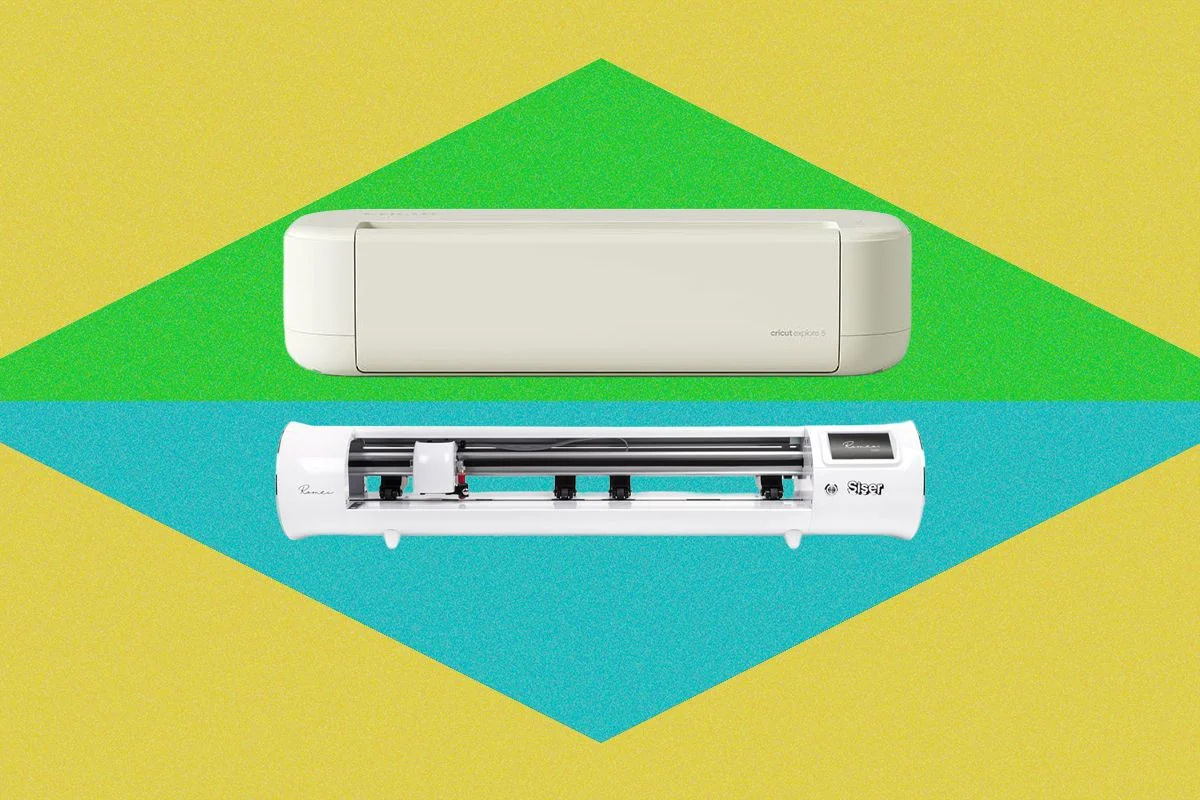
This profound engagement with smart cutting technology highlights the distinct ecosystems offered by leading brands. When both Cricut and Siser introduced their latest smart cutting machines, the initial instinct might be to compare them head-to-head. However, a deeper analysis reveals that while both excel at cutting materials such as vinyl and cardstock, they are fundamentally designed to address different challenges and cater to different consumer segments.
Cricut’s newest offering, the Explore 5, is positioned as an accessible entry point into the world of digital crafting. Priced at $199 for the machine alone, or around $250 for a comprehensive bundle including mats, tools, and vinyl, it targets the casual crafter. This demographic typically engages in projects like creating personalized bookmarks, decorative banners, or the occasional custom T-shirt. In stark contrast, the Siser Romeo, retailing at approximately $600, is engineered for a much more demanding user. This robust machine is built for professionals or serious hobbyists who might need to produce large volumes, such as 50 graphic tees, within a single work session.

Siser has openly acknowledged this differentiation, emphasizing that the Romeo is not intended to directly compete with machines like the Explore 5. Instead of forcing a direct "winner-take-all" comparison, the objective of evaluating these machines was to identify the "tipping point" for crafters. This involved determining when a hobbyist might outgrow a simpler machine and find it beneficial to transition to a more advanced device. More specifically, the assessment focused on discerning when the intuitive simplicity of the Cricut Explore 5 should be traded for the enhanced control and capabilities offered by the Siser Romeo.
To thoroughly evaluate each machine, a series of diverse projects were undertaken over several weeks. These included intricate layered cardstock bookmarks, custom heat-transfer vinyl (HTV) hoodies, personalized vinyl-decaled cups for a 40th birthday celebration, and even bonded cotton appliqué pieces. It should be noted that for the latter, new, aftermarket blades were acquired to test the machines’ capabilities with fabric. The insights gained from these varied projects illuminate the strengths and weaknesses of each machine within its intended market.
Cricut Explore 5: The Weekend Warrior’s Companion
For individuals who enjoy spontaneous personalization, crafting greeting cards, or creating decorative decals, the Cricut Explore 5 stands out as the ideal machine. Beyond its hardware, a significant advantage of the Cricut ecosystem is its comprehensive software, Design Space. This platform is a treasure trove of user-created projects, allowing crafters to effortlessly discover and bookmark designs from a vast community of creators. Users can select a template, customize it to their preferences, and prepare it for cutting within minutes. Design Space is renowned for its guided, step-by-step prompts, making the learning curve exceptionally shallow and welcoming for beginners.

Living With the Explore 5
The Explore 5 is designed to operate efficiently in the background, allowing crafters to focus on their creative vision. Its innovative Load and Go system streamlines the cutting process significantly. Users simply place their material onto a cutting mat (or directly feed Cricut’s Smart Vinyl, which doesn’t require a mat), guide it into the machine, and press the illuminated "Go" button. The machine then autonomously executes the cut. This, combined with Design Space’s intuitive prompts, makes the Explore 5 as close to a "plug-and-play" experience as a smart cutting machine can offer.
Measuring just under 20 inches wide, the Explore 5 is compact and does not necessitate a dedicated crafting studio or a permanent workstation. It can comfortably reside on a desk corner for extended periods, always ready when inspiration strikes. Another thoughtfully designed feature is its clamshell-style opening. This mechanism effectively protects the blade and internal components from dust and stray fibers—elements that are invariably present in any active craft space—and allows the machine to be neatly folded closed for storage when not in use.
Small Snags and Solutions

Despite its user-friendly design, the Explore 5 is not without its minor imperfections. During testing, some inconsistencies were noted in cuts on cardstock projects, even when using a fresh, sticky mat. For instance, an intricate floral bookmark, one of the first projects on the machine, exhibited rough edges, leading to initial doubts about the viability of paper crafting. While sharpening the blade with a foil ball and a wipe of rubbing alcohol improved performance, an X-Acto knife was still occasionally required to refine certain edges.
Another recurring issue was intermittent Bluetooth disconnections between finalizing a design in Design Space and initiating the cut. Fortunately, these disconnections never occurred mid-cut, but their frequency prompted a habit of initiating projects from the mobile app as a reliable workaround. For users encountering difficulties, the extensive and active Cricut community offers abundant support. Platforms like TikTok and YouTube host countless creators who have likely encountered and solved similar problems, providing a readily available troubleshooting resource.
Siser Romeo: The Master of Production
The Siser Romeo is engineered for an entirely different operational paradigm than the Explore 5. It is the machine of choice for those who frequently cut heat-transfer vinyl in large volumes, manage a crafting business, or fulfill recurring orders. With a footprint more than twice the size of the Explore 5, the Romeo is not built for spontaneous weekend projects but rather for maintaining continuous, high-volume production.

Optimized Hardware for High Volume
The Romeo’s design reflects its professional orientation, starting with its robust hardware. Thanks to adjustable pinch rollers, the machine typically does not require a cutting mat for most materials. Instead, rolls of vinyl can be fed directly through the back of the machine, enabling continuous cutting of long designs or multiple identical items. A sophisticated tiling feature further optimizes material usage by automatically arranging duplicate designs to fill available space, a significant advantage when producing a dozen identical decals or shirt transfers efficiently.
Unparalleled User Control
The Romeo’s greatest asset is the extensive control it offers to the user. It features a built-in registration camera that automatically reads print-and-cut registration marks, ensuring precise alignment for complex projects. Once a project is perfectly aligned and its settings configured, these parameters can be saved as a preset directly on the machine. This level of repeatability is invaluable for businesses or advanced crafters who frequently execute the same projects, guaranteeing consistent results with minimal setup time.

Furthermore, the ability to fine-tune cut settings directly from the Romeo’s integrated display is a game-changer. If a cut isn’t deep enough, or if a material requires a slower speed for optimal results, adjustments to force or cutting speed can be made immediately without needing to return to the computer. While the machine’s default settings are often reliable, having these granular controls at one’s fingertips empowers users to achieve highly customized and precise cuts.
Software and Connectivity
Siser’s dedicated software, Leonardo, provides significantly more granular control than Cricut Design Space. However, this power comes with an expectation of user proficiency. Leonardo does not offer the same level of hand-holding as Design Space, assuming users are comfortable with advanced graphic design tasks such as tweaking fonts, applying effects, separating layers, and adjusting intricate cut settings. This often led the reviewer to create designs in more familiar software like Canva before importing them into Leonardo. (Promisingly, Siser has announced that a Canva integration is in development, which will significantly bridge this usability gap.)
A minor drawback of Leonardo was the occasional appearance of generic error pop-ups without clear explanations, creating a "dead end" feeling that required external troubleshooting. However, the Romeo compensates with superior connectivity. It connects to the computer over Wi-Fi, offering a seamless and reliable connection that contrasts sharply with the occasional quirks and disconnections experienced with Bluetooth-dependent machines like the Explore 5. This stable connection is crucial for uninterrupted production runs.

Making Space for the Master
There’s no circumventing the fact that the Romeo is a substantial machine. Its larger cutting width demands dedicated space, typically requiring its own table. It is designed to be a permanent fixture in a workspace, rather than something that can be easily stored on a closet shelf. Users must also account for sufficient clearance behind the machine to accommodate materials feeding through the rear. However, its size is indicative of its robust construction; the Romeo is exceptionally sturdy, exhibiting minimal vibration during operation, and its carriage moves smoothly without rattles or creaks.
The Romeo’s open design, unlike the Explore 5’s protective clamshell, means that its components remain exposed. While no significant buildup was observed during testing, this open architecture could potentially lead to concerns about dust and pet hair accumulating over time. In terms of operational noise, the Romeo produces a distinctive series of "bleeps and chirps" reminiscent of a dial-up modem, while the Cricut emits a softer "hum and whir" akin to an old inkjet printer. Neither machine is excessively loud, but their sound profiles are distinct.
The Graduation Point: When to Upgrade

After extensive use of both machines, the primary distinction becomes clear: the Cricut Explore 5 is meticulously designed to minimize user decisions and points of friction, offering an approachable and intuitive experience. The Siser Romeo, conversely, empowers the user with comprehensive control, with the expectation that they will invest time in mastering its capabilities.
The transition to the Romeo often involves a learning curve. For instance, the reviewer initially struggled with a simple iron-on vinyl decal project for a "Gigi" sweatshirt. The different vinyl feeding mechanism and origin point of the Romeo required a complete retraining of muscle memory, resulting in wasted material until the machine’s specific workflow was understood. Similarly, skipping a test cut on another project led to the realization that the blade hadn’t fully penetrated the vinyl, costing more material than the brief time it would have taken to perform a test cut and adjust settings.
Crucially, most frustrations encountered with the Romeo diminished significantly with experience. Once the machine’s nuances were understood, it proved to be remarkably consistent and reliable. Resources like Siser’s YouTube channel became indispensable for mastering its advanced features. Soon, the initial challenges transformed into an appreciation for the precise control that had initially slowed down the process.
The decision to "graduate" from a Cricut to a Siser Romeo hinges on a crafter’s evolving needs. If one consistently produces the same products, fulfills recurring orders, or finds themselves desiring more granular control over their cuts and workflow, the Romeo represents a valuable investment. Its efficiency, precision, and robust features are tailored for productivity. However, for those primarily creating gifts, experimenting with pre-designed templates, or simply exploring the vast possibilities of digital crafting, the Cricut Explore 5 continues to offer a more accessible and user-friendly experience, making it the ideal choice for the burgeoning hobbyist.