 11
11
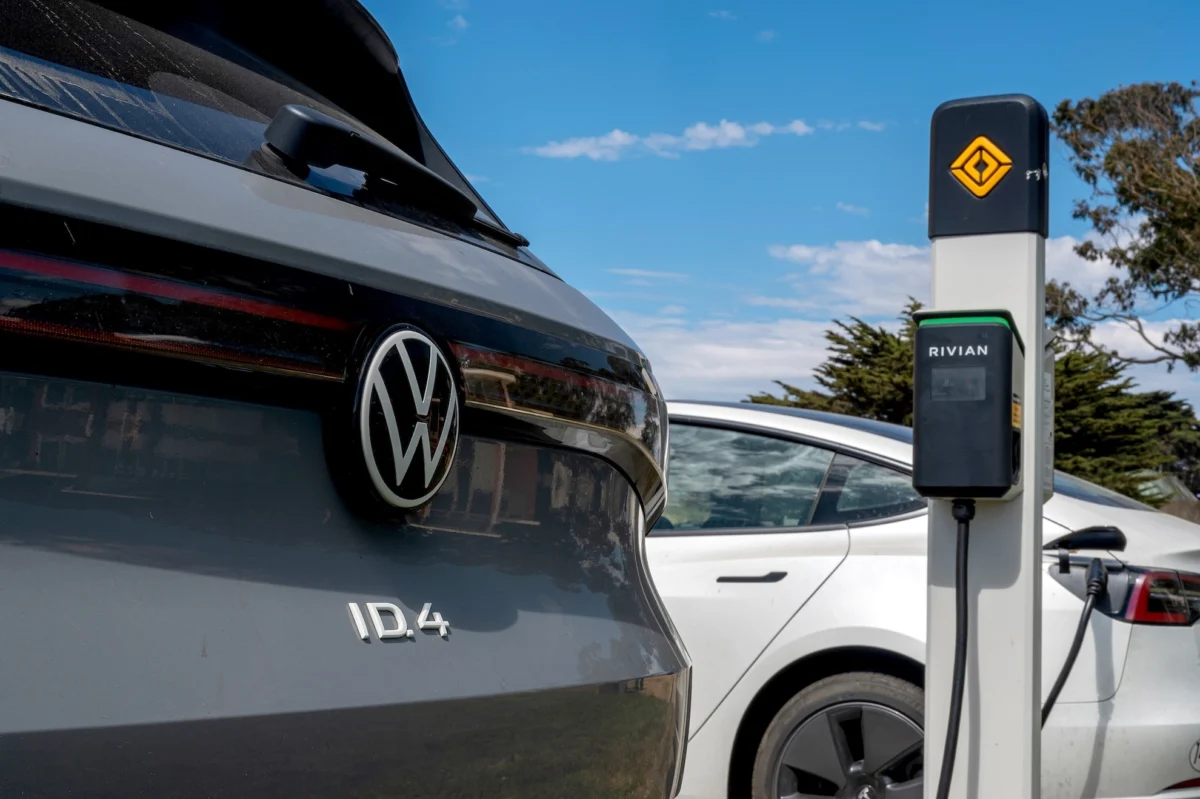
The U.S. Department of Justice has unsealed an indictment charging two Volkswagen engineers, Michael Stamp and Marcus Plank, with securities fraud. The charges stem from an alleged insider-trading scheme connected to the German automaker’s significant joint venture with electric vehicle manufacturer Rivian. The indictment, unsealed on Friday by the U.S. District Attorney for the Southern District of New York, alleges that Stamp and Plank leveraged confidential, non-public information to generate illicit profits exceeding $300,000.
According to the indictment, Stamp and Plank acquired Rivian stock and options after they became privy to internal discussions and plans regarding a strategic partnership between Rivian and Volkswagen. This highly sensitive information concerned the formation of a joint venture, which was internally codenamed "Project Climb." The alleged illegal trades occurred before either company made any public announcements about the collaboration, giving the engineers an unfair and unlawful advantage in the stock market.
Insider trading, a severe federal offense, involves the buying or selling of a public company’s stock by an individual who has access to material, non-public information about the stock. This information could be anything that might affect an investor’s decision, such as impending mergers, acquisitions, or significant strategic partnerships like the one between Volkswagen and Rivian. Such activities are strictly prohibited by the U.S. Securities and Exchange Commission (SEC) to ensure fairness and maintain investor confidence in the integrity of financial markets. The alleged actions of Stamp and Plank directly contravene these regulations, striking at the core principles of equitable market participation.
The joint venture between Rivian and Volkswagen was officially announced on June 25, 2024. This landmark collaboration was established with a primary focus on the crucial areas of electric vehicle architecture and software development. Initially, Volkswagen committed to an investment of $5 billion in Rivian, structured to be released in tranches as both companies achieved predefined milestones. This strategic financial commitment underscored Volkswagen’s aggressive push into the electric vehicle market and Rivian’s need for capital and expanded technological reach. The partnership aimed to pool resources and expertise to accelerate the development of next-generation EV platforms, a move critical for both companies to compete effectively in the rapidly evolving automotive landscape.
Since its initial announcement, the scope and financial commitment of the joint venture have expanded significantly, growing to $5.8 billion. This increased investment has cemented Volkswagen’s position as a major stakeholder in Rivian. By May 5, 2026, Volkswagen had become Rivian’s largest shareholder, surpassing Amazon, which had previously held that distinction. This development highlights the profound strategic importance of the alliance, not just as a temporary collaboration but as a foundational element of both companies’ future in the electric vehicle sector. Volkswagen’s expanded stake grants it substantial influence over Rivian’s strategic direction, particularly concerning the shared development of advanced EV technologies.
Following the public disclosure of the joint venture in June, Rivian’s stock price experienced a substantial surge, rising by 23%. This immediate positive market reaction created a lucrative opportunity for those who had purchased shares or options beforehand, precisely the scenario the alleged insider traders exploited. The indictment details the specific profits realized by the accused engineers and an associated party. Michael Stamp allegedly realized approximately $250,000 in profits, while Marcus Plank is accused of realizing about $50,000. Furthermore, a close family member of Plank also allegedly profited by approximately $12,000 through similar trades, indicating a potentially broader scope of the alleged scheme.
U.S. Attorney Jay Clayton, in a statement released on Friday, strongly condemned the alleged actions of the engineers. "Michael Stamp and Marcus Plank’s alleged exploitation of their employer’s confidential information allowed them to make more than $300,000 in illegal profits," Clayton stated. He emphasized the detrimental impact of such conduct on market integrity: "When people misuse confidential information for their own financial gain, they undermine the principles that allow our markets to function fairly and efficiently." Clayton further articulated the broader societal harm, noting, "Its effects ripple through the financial system, harming ordinary investors and eroding public confidence." He concluded by reaffirming the commitment of his office and law enforcement partners to upholding market integrity and holding offenders accountable, stating, "Today’s charges underscore the commitment of this Office and our law enforcement partners to protecting the integrity of our markets and holding accountable those who choose to violate the law."
Investigators have presented compelling evidence suggesting that the two engineers were fully aware that their actions constituted illegal insider trading. The indictment highlights two specific instances of suspicious online activity that occurred just days before the official announcement of the joint venture. Eight days prior to the public disclosure, Michael Stamp allegedly searched online for "statute of limitations insider trading." Similarly, Marcus Plank’s close family member, who also allegedly profited from the scheme, conducted a search in German for "how is insider trading prosecuted?" These search queries serve as crucial circumstantial evidence, indicating a clear awareness of the illegal nature of their impending trades and an attempt to understand the potential legal ramifications, thereby suggesting a guilty mind or mens rea.
Stamp and Plank, both residents of San Jose, California, were arrested on Friday. They are scheduled to make their initial appearance in the U.S. District Court for the Northern District of California to face the charges. The legal proceedings for this significant case have been assigned to U.S. District Judge Katherine Polk Failla. If convicted of federal securities fraud, Stamp and Plank face severe penalties, including a maximum sentence of up to 25 years in federal prison. Such a substantial sentence reflects the seriousness with which federal authorities view securities fraud, underscoring the government’s commitment to prosecuting individuals who compromise the fairness and transparency of financial markets. The judicial process will now unfold, with the prosecution presenting its case and the defense having the opportunity to counter the allegations.
TechCrunch has reached out to both Rivian and Volkswagen for official comments regarding the indictment and the ongoing legal proceedings. The article will be updated if either company provides a response to the inquiries. This case serves as a stark reminder of the stringent regulations governing financial markets and the severe consequences awaiting those who attempt to exploit confidential information for personal gain, reinforcing the importance of corporate ethics and adherence to securities laws across all levels of an organization.