11
11
A common perception holds that AI-generated blog posts are inherently inferior to those crafted by human writers. This belief often stems from the understanding that companies scaling AI content production are making a deliberate trade-off, prioritizing speed and volume over quality. However, this perspective is rapidly becoming outdated. The capabilities of generative AI have advanced to a point where its output is increasingly indistinguishable from the vast body of human-written content that has historically populated the internet. AI is now demonstrating superior research capabilities, more stringent adherence to brand and voice guidelines, greater responsiveness to feedback, and unparalleled speed and efficiency. Consequently, the inherent trade-off between speed and quality in content creation is dissolving.
While it’s crucial to acknowledge that not all AI content is inherently good, the barriers that once prevented AI from achieving high quality have been significantly lowered. Access to world-class writing capabilities through Large Language Models (LLMs) is becoming more widespread, and this trend is expected to continue. Functionally "perfect" AI content is on the horizon, and it is in our collective interest to recognize this shift.
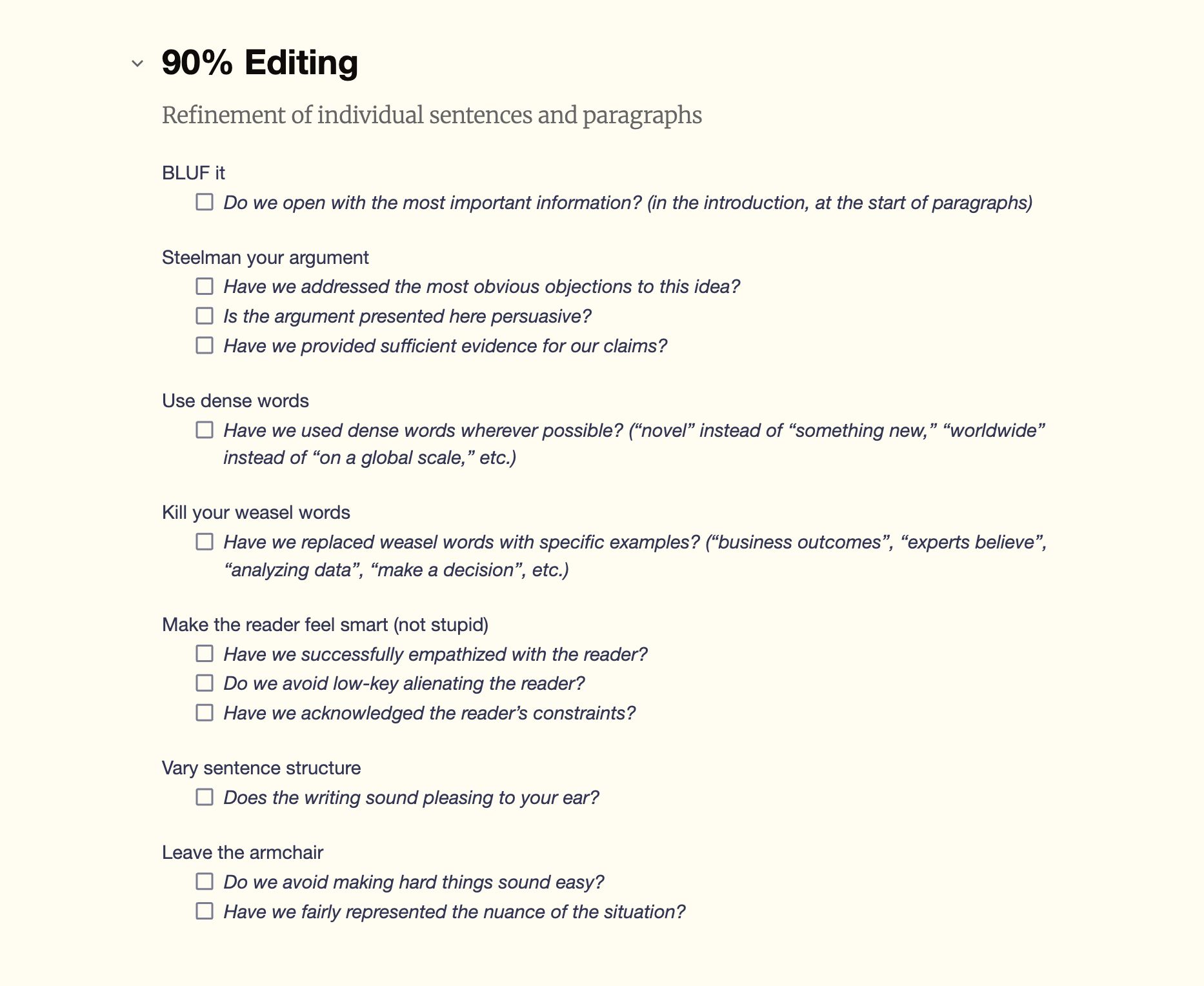
Great writing, it turns out, is simpler than many assume. The notion that human writing possesses an ineffable creative spark that AI can never replicate may be a misapprehension. While AI may not reach the profound literary heights of a Shakespeare, the fundamental components of "great writing" are largely mechanical and are areas where LLMs excel. Years of introspective analysis into the writing process have revealed that many effective writing principles are systematic and can be consistently applied.
For instance, established editing checklists and writing principles, honed over a career, provide a clear framework. These principles govern how to write, edit, and teach writing effectively. They are straightforward but, when executed in concert, consistently lead to good, even great, writing. The remarkable aspect is that an LLM can not only perform these principles but often execute them with greater consistency than a human. Human writers can falter due to fatigue, boredom, or laziness, leading to uneven application of these principles. In contrast, an LLM can have these principles codified once and apply them indefinitely, scaling them evenly across millions of outputs through system prompts and specialized files. If a basic, replicable recipe for great writing exists, LLMs are now capable of following it with exceptional fidelity. By chaining these heuristics reliably, an exceptional AI writing process can be constructed, enabled by current technological advancements.
AI’s sophistication extends beyond mere text generation. The infrastructure surrounding LLMs has seen massive progress in recent months. While early LLMs displayed sparks of brilliance in isolated areas, akin to a child mimicking behavior without full comprehension, their potential for sustained, high-quality writing was not immediately apparent. The leap from generating a few coherent sentences to reliably producing thousands of words of accurate, helpful, concise, and on-brand content—while also identifying topic gaps, understanding search intent, and differentiating from competitors—seemed immense.
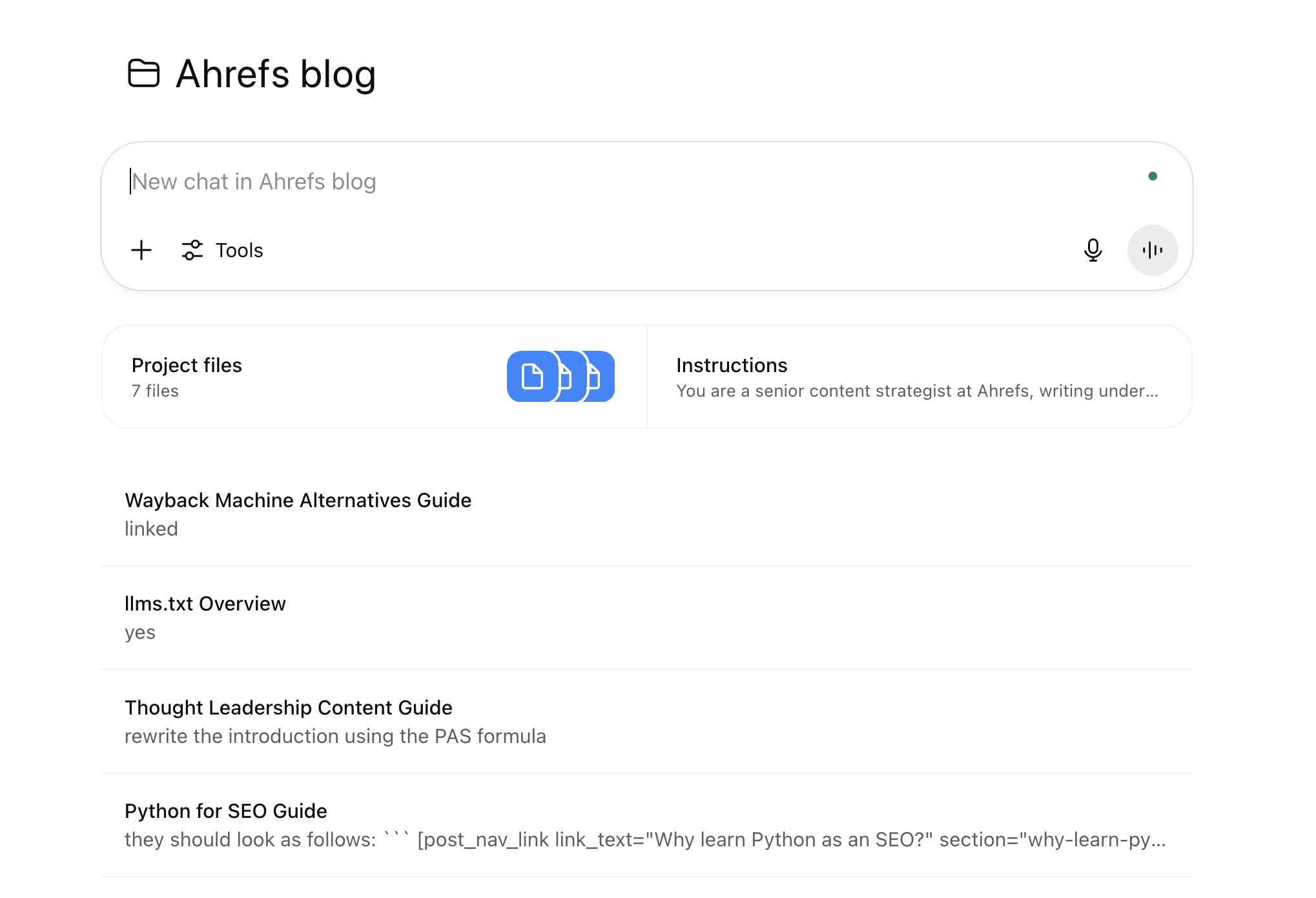
Previous AI content generation processes, even those utilizing custom GPTs based on specific editorial principles, still required significant human intervention to refine the output. However, this limitation has largely been overcome in the intervening months. Current AI subscriptions offer capabilities that were once considered science fiction. For example, advanced LLMs can now:
These advancements are occurring alongside significant improvements in the core capabilities of flagship LLMs. The surrounding "vibe-coding" infrastructure has profoundly enhanced the practical utility of LLMs. While LLMs remain sophisticated autocompletes and are not yet Artificial General Intelligence (AGI), companies like Anthropic and OpenAI have succeeded in harnessing their capabilities in a way that far exceeds the sum of their individual components. Crucially, the task of content marketing, particularly for informational and search-driven content, is not excessively complex for these models.
Content marketing, at its core, often involves creating informational, keyword-targeted content such as "how-to" articles and comparison lists. These are established and effective content archetypes that are generally straightforward to produce. A fundamental recipe for effective search content exists, built upon core principles that guide its creation. These principles include:
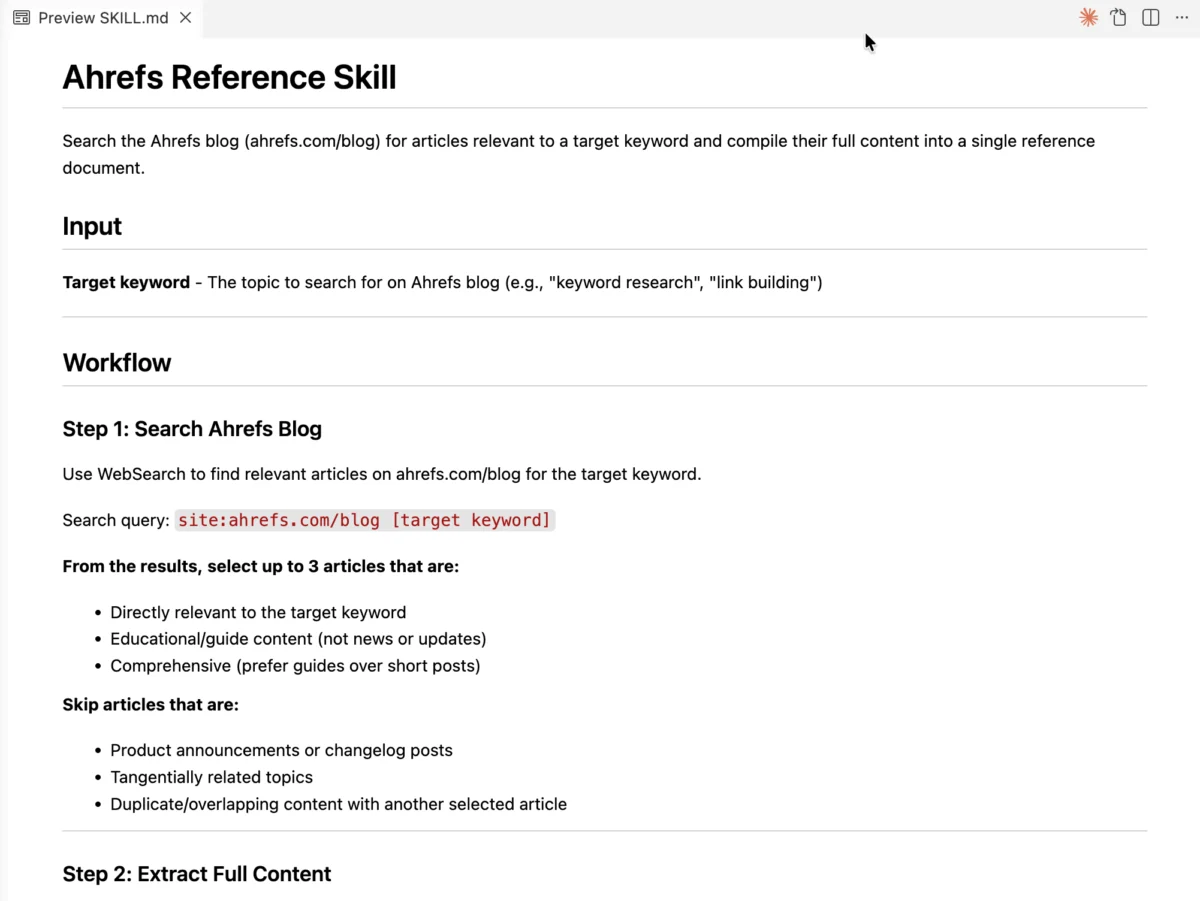
These principles, much like those for general writing, are simple yet effective. If a human can follow these processes, their search content generally performs well. The same applies to LLMs. When advanced models like Claude 4.6 or GPT 5.4 can adhere to these established processes, their output is likewise positioned to perform well. Even the more intricate aspects of these processes are manageable for an LLM, whether through explicit step-by-step instructions (e.g., "use WebFetch to run a site: search for ahrefs.com/blog and return the first three articles"), examples of desired output (like reference files of preferred article introductions), or access to trusted data sources.
The formulaic nature of effective search content, exemplified by methods like the skyscraper technique, means there is little need for excessive complexity or novelty. Straying too far from established norms can often degrade performance rather than enhance it. Given that LLMs can now refactor massive codebases, it is perhaps arrogant to assume they cannot generate excellent search-optimized content. While AI may not be capable of writing Shakespeare, it does not need to for the purposes of effective content marketing.
In conclusion, significant portions of content creation roles are already being outsourced to generative AI. Systems utilizing advanced LLMs, coupled with sophisticated infrastructure and custom "SKILL" files, are now capable of updating old articles and producing high-quality, helpful content. These AI-generated articles are indistinguishable in sound and performance from human-written content, and they can effectively incorporate human experience and perspective. The claim that AI content requires a quality trade-off is no longer valid; there is no compromise.
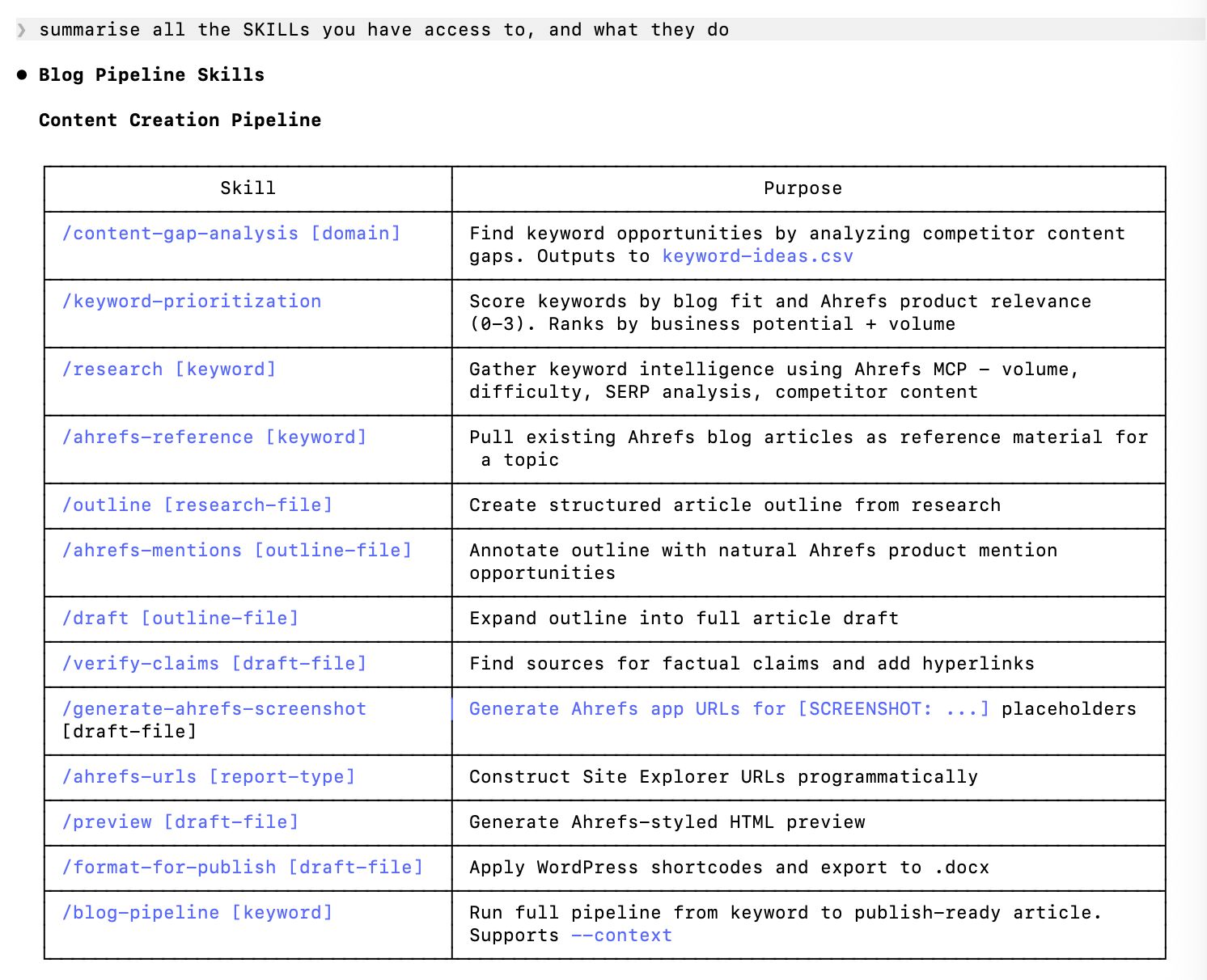
While a substantial quality gap persists between a skilled writer leveraging generative AI to its full potential and an individual simply prompting a basic ChatGPT request, this gap is narrowing rapidly. AI platforms are continuously democratizing access to advanced functionalities, and the role of the "content engineer" is becoming integrated into mainstream LLM platforms. Functionally "perfect" AI content is imminent for everyone. This assertion is made with the understanding that certain aspects of a job will remain beyond AI’s current capabilities or, even if possible, would be deliberately retained by humans, such as the creation of this very article.
The path forward necessitates an honest assessment of where AI can and should be utilized. Until recently, AI content was not sufficiently advanced. Now, it is. Embracing this reality allows for a greater focus on the aspects of marketing where human expertise will continue to hold a distinct and lasting advantage. The tedious task of writing formulaic skyscraper content, for instance, is now a domain where AI excels, freeing up human marketers for more strategic and creative endeavors.