 11
11 1
1 2
2 3
3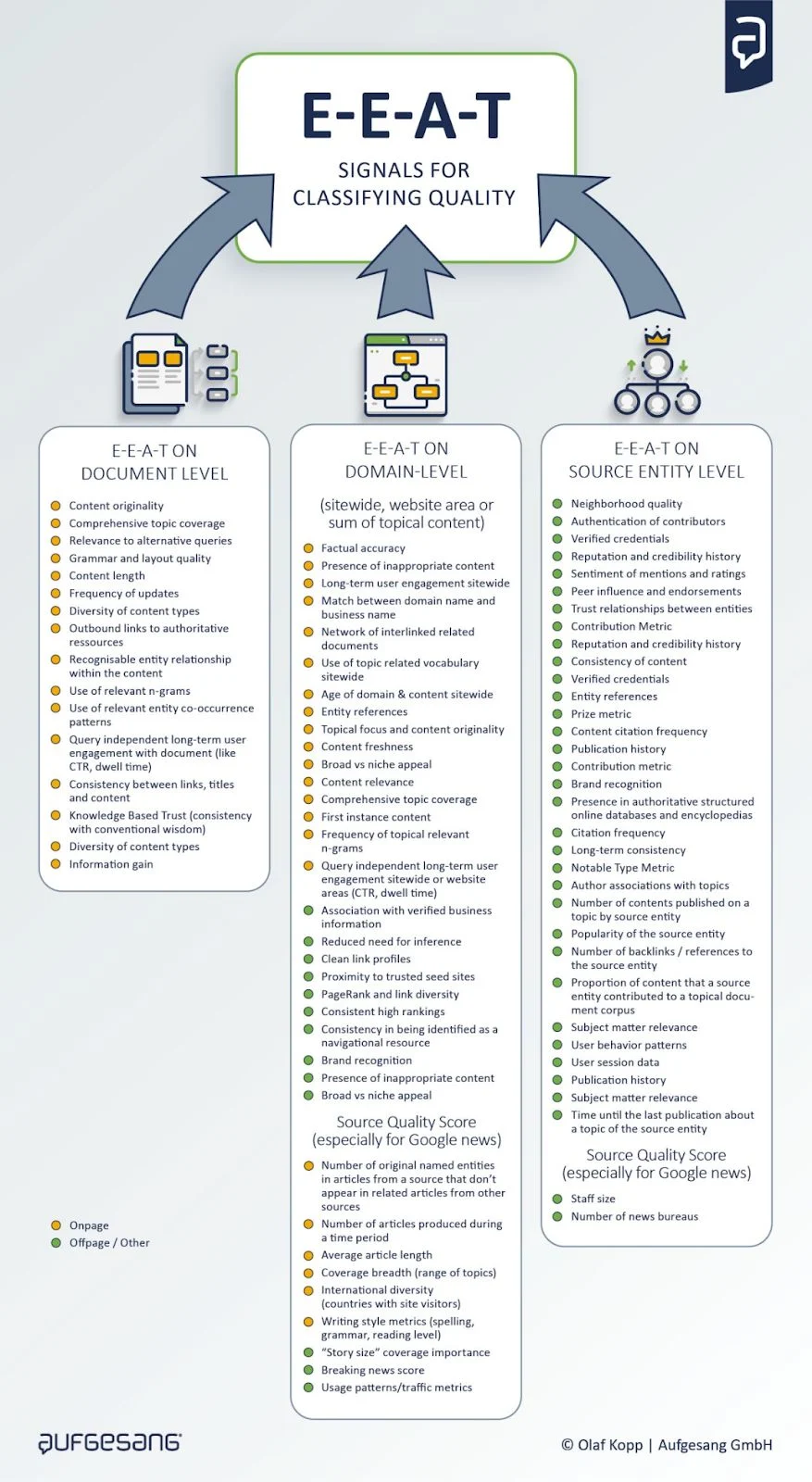
In the evolving landscape of search engine optimization, particularly with the rise of Google’s AI-powered features, understanding and measuring brand authority has become paramount. Ahrefs has introduced a comprehensive E-E-A-T audit framework, designed to help businesses systematically evaluate their brand’s credibility and trustworthiness. This audit goes beyond abstract concepts, focusing on hundreds of measurable markers that contribute to a brand’s perceived Experience, Expertise, Authoritativeness, and Trust (E-E-A-T).
The E-E-A-T framework, initially introduced in Google’s Quality Rater Guidelines, is not a direct ranking factor but a conceptual model that influences how Google’s algorithms are developed and refined. While Google outlines what constitutes high-quality content and trustworthy websites, it doesn’t provide a direct method for auditing these qualities. This is where the new E-E-A-T audit checklist, developed by Ahrefs, steps in, translating research from SEO experts like Olaf Kopp and Shaun Anderson into a practical, actionable process.
The audit emphasizes that E-E-A-T is not something that can be added to a website with superficial changes; rather, it is earned over time through building a solid brand, demonstrating genuine expertise, and cultivating a positive reputation both on and off the website. The audit process involves examining a wide range of tangible elements where E-E-A-T signals manifest, cross-referencing them with Google’s Quality Rater Guidelines to provide a complete picture of a brand’s authority.
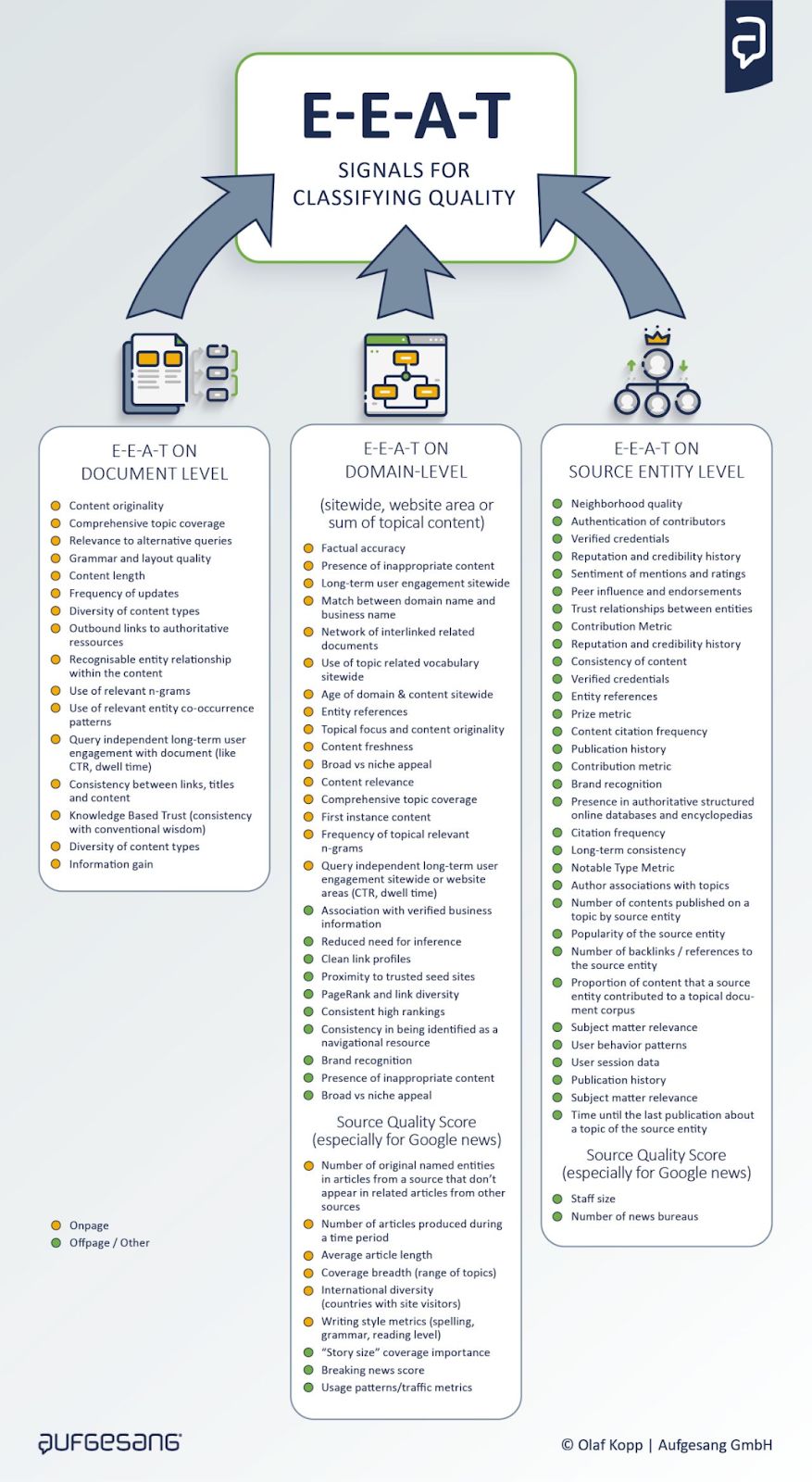
The audit is structured into several key areas:
1. Audit Your Brand and Website Foundations
This initial stage focuses on the core elements that establish a website’s legitimacy and trustworthiness, directly impacting the "Trust" aspect of E-E-A-T. Key areas to examine include:
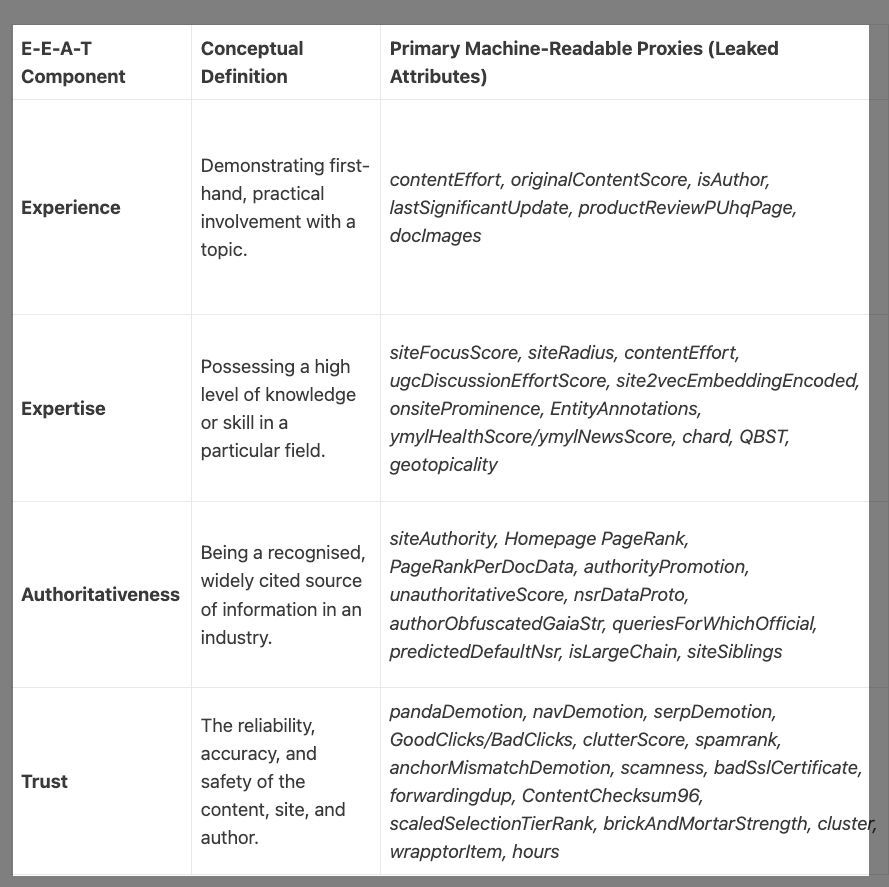
The absence of these foundational elements can render a website untrustworthy, regardless of the quality of its content or its link profile.
2. Audit Brand Authority in Google Search
This section assesses how well a brand performs in Google search results, serving as a proxy for the effectiveness of its existing E-E-A-T signals. It helps determine if Google recognizes the brand as a relevant authority. Indicators include:

Tools like Ahrefs Webmaster Tools can be used to identify branded keywords and analyze search demand, both in terms of the number of searches and total monthly search volume.
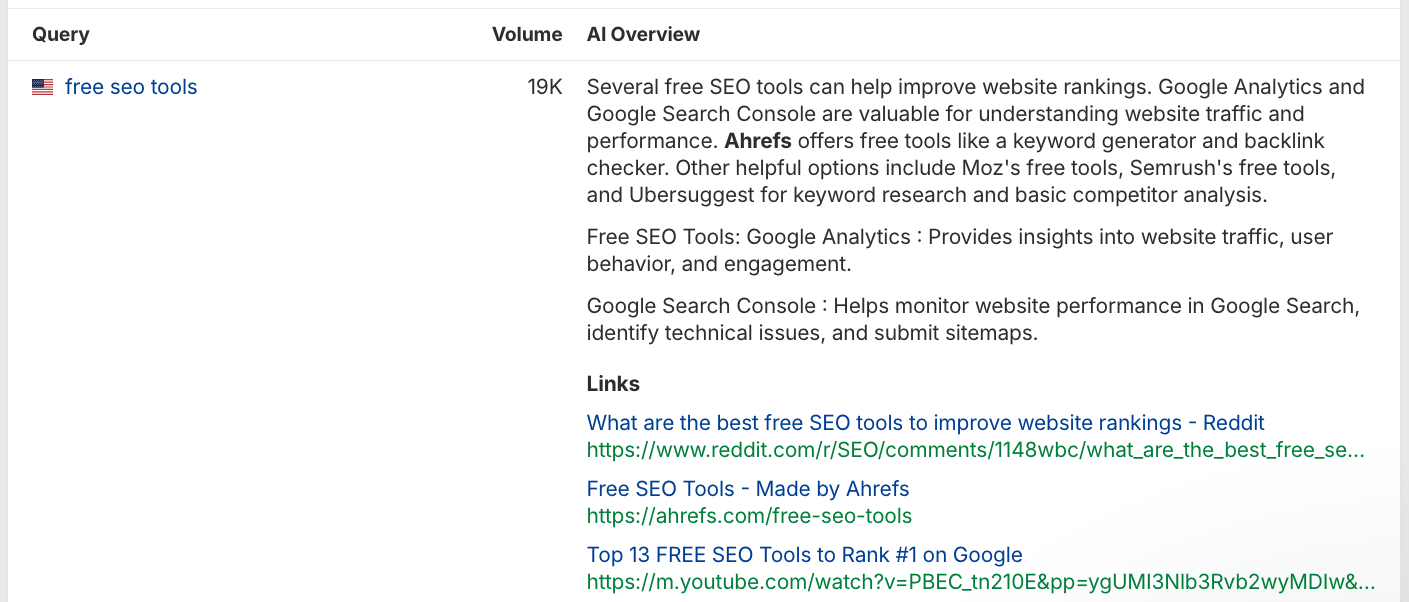
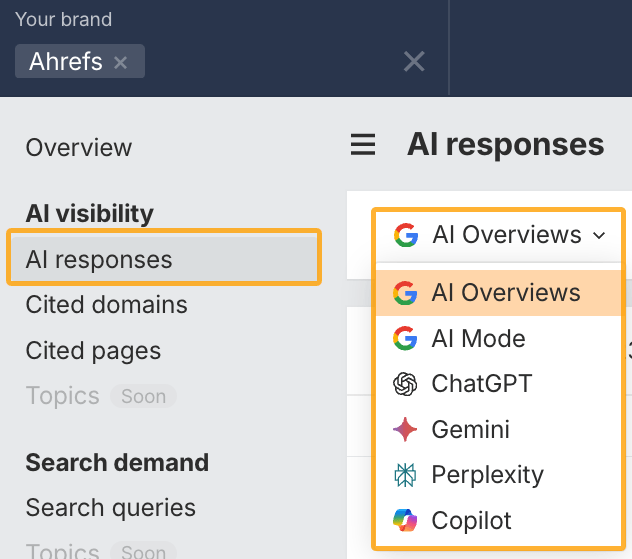
3. Audit Brand Authority in Google’s AI Features
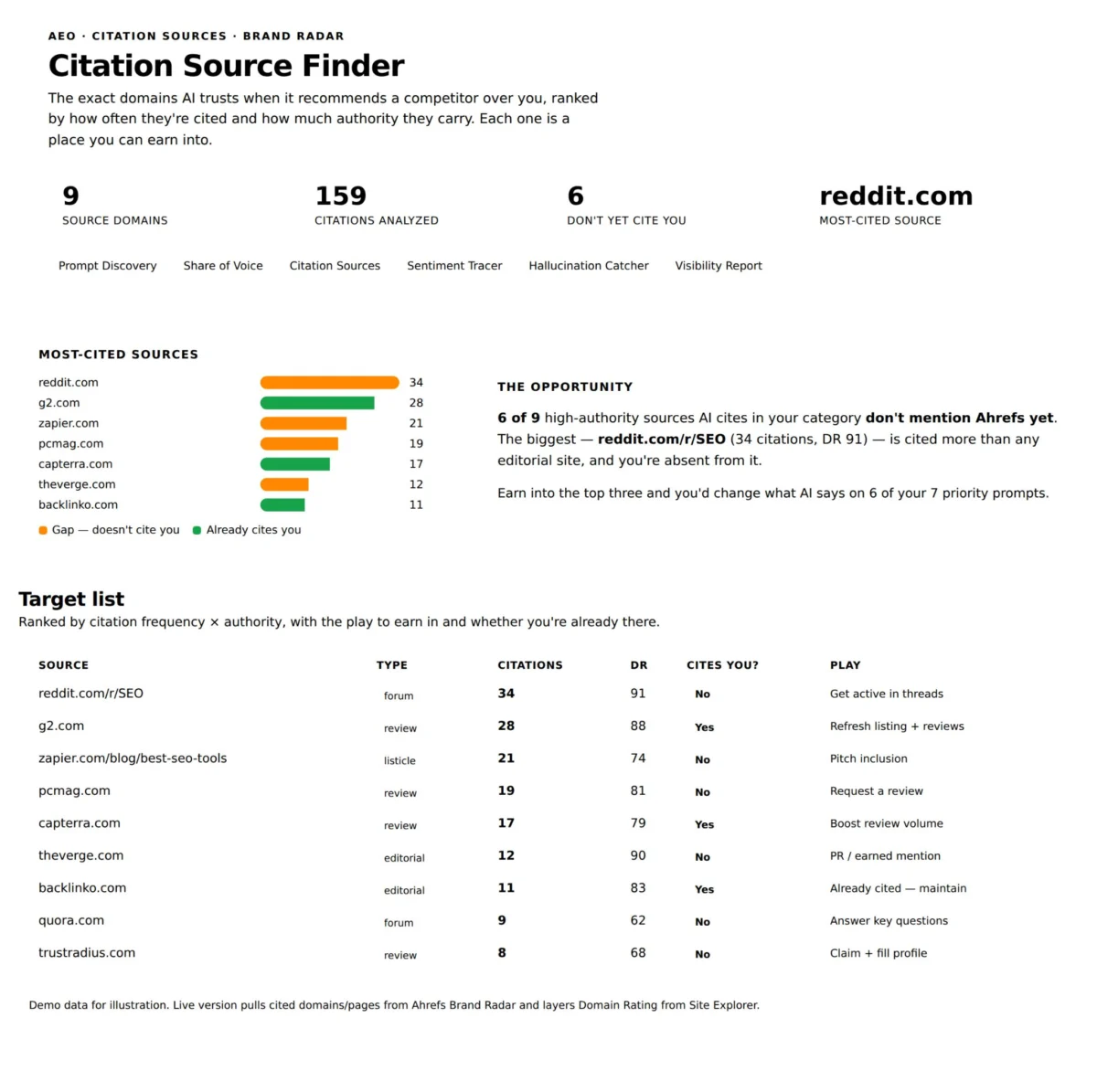
With the increasing prevalence of AI-driven search (e.g., AI Overviews, Gemini), understanding a brand’s visibility in these new formats is crucial. This audit checks if a brand’s E-E-A-T signals are strong enough for its content to be cited by AI models. Key aspects to monitor are:
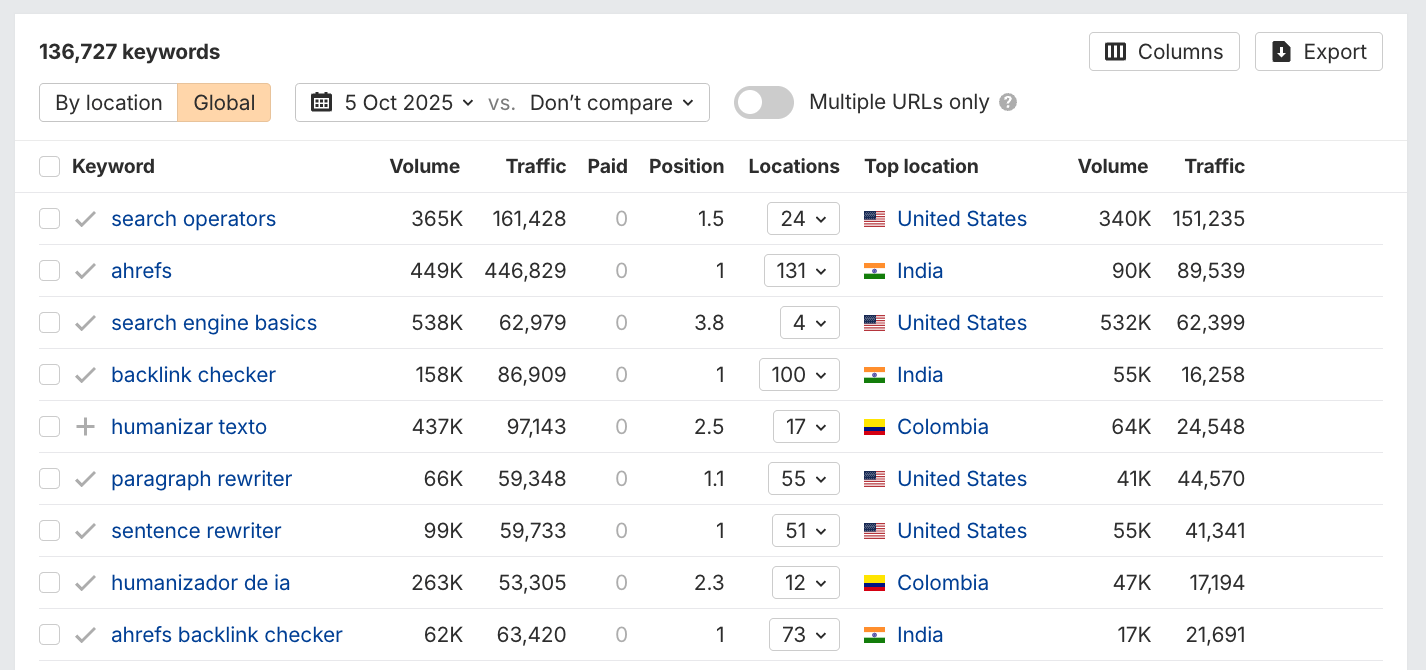
Ahrefs’ Brand Radar tool can help track brand mentions across various AI search platforms, providing insights into how AI systems perceive the brand’s credibility.
4. Audit Off-Site Brand Signals
A brand’s reputation, as perceived by independent and credible sources, is a significant factor in its trustworthiness. Google quality raters prioritize what independent sources say about a brand over self-promotion. This audit examines:
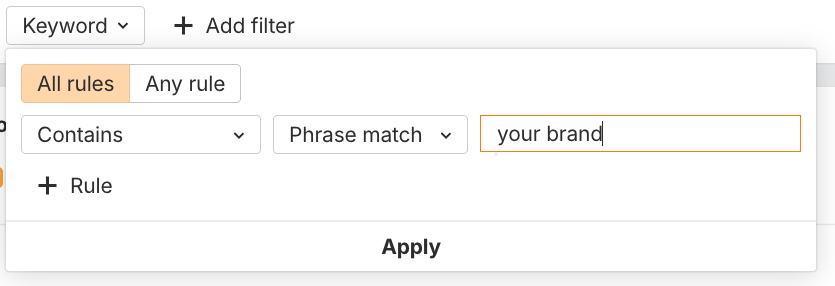
Ahrefs’ Site Explorer and Brand Radar can help identify backlinks and web page mentions, providing a comprehensive view of what others are saying about the brand.
5. Audit Technical Trust Signals
Even with strong content and reputation, a website’s technical integrity is fundamental to user trust. This includes:
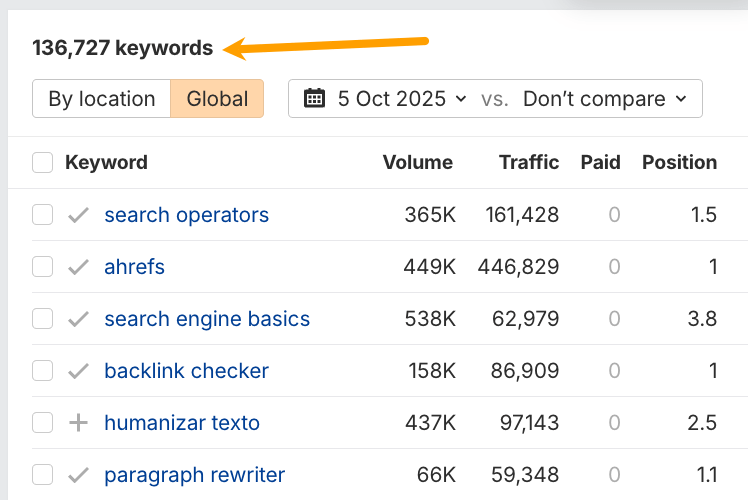
Ahrefs’ Site Audit tool can automatically identify over 170 technical issues, including missing schema and security vulnerabilities.
6. Audit Content and On-Page Elements
Google’s guidance on creating helpful content aligns directly with E-E-A-T principles. This audit verifies the credibility and trustworthiness of on-page content:
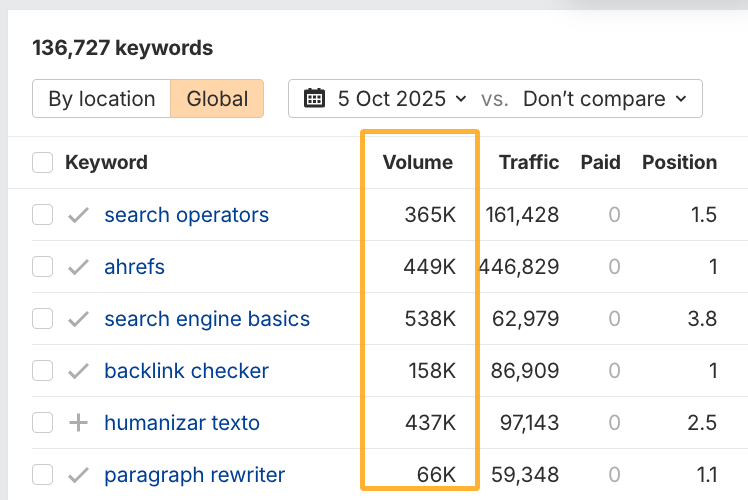
The Top Pages report in Ahrefs’ Site Explorer can help prioritize which high-traffic pages need E-E-A-T signal strengthening.
7. Audit Key People Connected to the Brand
Google evaluates not only brands but also the individuals behind them. This audit confirms the verifiability and online presence of leadership, authors, and subject-matter experts:

Auditing individuals can be done by searching for their names in tools like Brand Radar, similar to how brand names are analyzed.
8. Audit Site-Wide E-E-A-T Elements
A holistic E-E-A-T audit also assesses the overall legitimacy and trustworthiness of the entire website:
Site-wide consistency and the absence of technical issues that might undermine trust are critical.
9. Score Your Brand’s Authority and Plan Next Steps
The audit process culminates in scoring each signal on a 5-point scale, mirroring Google’s quality raters. This provides a quantifiable snapshot of brand credibility. The checklist includes "Next Steps" columns to plan concrete actions for improvement, such as enhancing author bios, optimizing schema markup, or actively seeking reviews. This transforms the audit into an actionable roadmap for continuous trust-building.
By systematically reviewing authority signals across these diverse areas, businesses can identify weaknesses that diminish trust and implement targeted strategies to strengthen their E-E-A-T. The stronger these signals, the greater the likelihood of earning visibility and trust in both traditional and AI-driven search environments.