 11

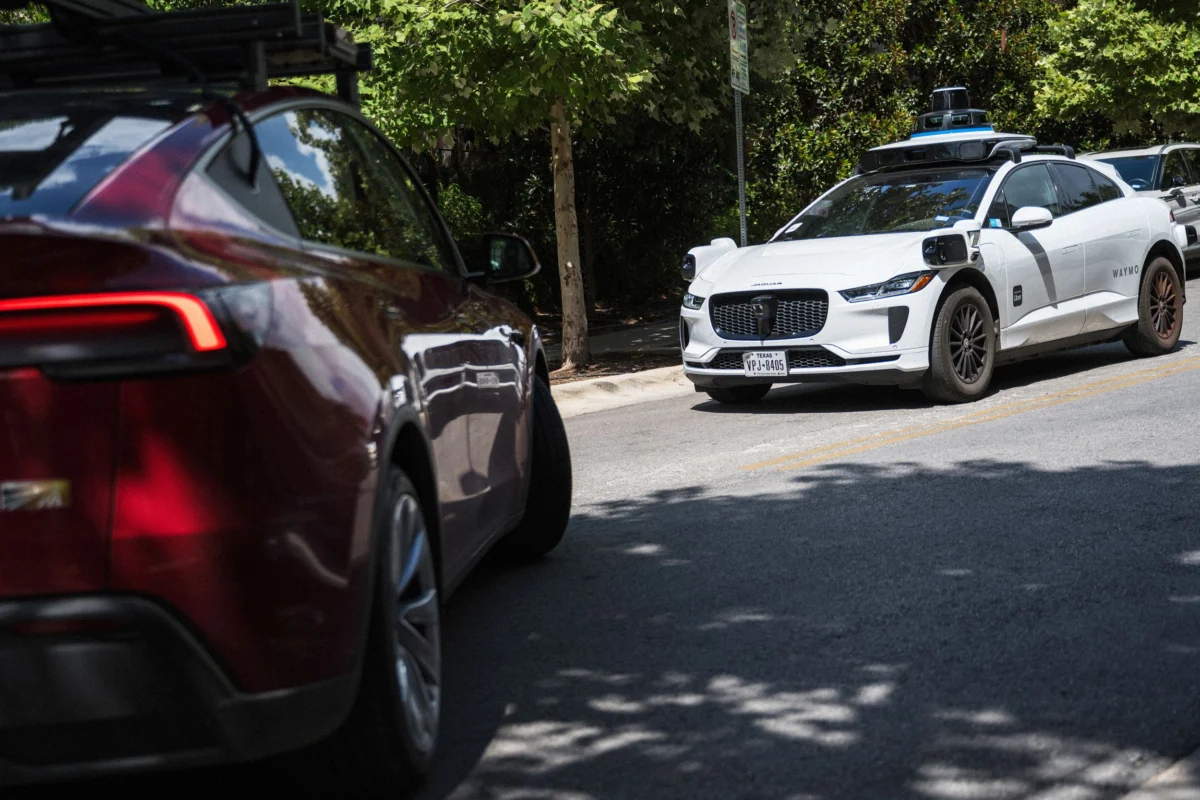
The US government is currently undertaking a rigorous examination to ascertain the efficacy of a software recall issued by Waymo, a prominent developer of autonomous vehicle technology. This recall was directly linked to a series of concerning incidents last fall, wherein Waymo’s self-driving cars improperly passed stopped school buses. The core of the investigation by the National Highway Traffic Safety Administration (NHTSA) is to determine whether Waymo’s implemented software update has genuinely resolved the critical safety issue, preventing its robotaxis from repeating these dangerous and illegal maneuvers.
These incidents involve Waymo vehicles failing to properly recognize and respond to stopped school buses displaying activated red lights and extended stop arms—universal indicators that children are either boarding or disembarking. Such actions by a vehicle, whether human-driven or autonomous, are not only a severe safety hazard but are also strictly prohibited by law in all 50 US states. The presence of flashing red lights and an extended stop arm unequivocally signals that a school bus is engaged in the critical task of picking up or dropping off students, requiring all approaching traffic to come to a complete halt to ensure the safety of pedestrians, particularly vulnerable children. The failure of an autonomous vehicle to adhere to this fundamental traffic law raises profound questions about its perceptual capabilities, decision-making logic, and overall safety readiness for widespread deployment.
According to official filings, Waymo had identified the underlying software glitch and subsequently issued a fix for the issue in mid-November of last year. Following this initial patch, the company then initiated a formal voluntary recall process a month later, in mid-December. Typically, a voluntary recall in the automotive industry, even for software, signifies a formal acknowledgment of a safety defect and a commitment to address it across the affected fleet. This multi-step process aims to ensure that all vehicles receive the necessary updates to mitigate the identified risk. However, the subsequent trajectory of events has cast doubt on the effectiveness of these measures, prompting the current federal intervention.
Alarmingly, the government’s review indicates that a significant majority of the school bus passing incidents under investigation occurred after Waymo had deployed its supposed software fix and officially commenced the voluntary recall. This critical detail forms the very foundation of NHTSA’s intensified scrutiny, suggesting that the initial remedies might have been insufficient or incomplete in addressing the root cause of the hazardous behavior. The persistence of these incidents post-fix underscores a potentially deeper, more complex challenge in programming autonomous vehicles to accurately and consistently interpret dynamic and nuanced real-world scenarios, particularly those involving the paramount safety of schoolchildren.
Adding another layer to the federal oversight, the National Transportation Safety Board (NTSB), the US’s independent agency responsible for investigating transportation accidents, issued its own report earlier this year. This NTSB report highlighted an additional school bus passing incident that took place in mid-January, several weeks after Waymo’s software fix and voluntary recall were purportedly in effect. The NTSB’s involvement signifies the gravity of the safety concerns, as their investigations are often exhaustive, aimed at identifying probable causes and issuing safety recommendations to prevent future occurrences. While NHTSA focuses on regulating vehicle safety standards and enforcing recalls, the NTSB’s independent accident investigation role provides a complementary and critical perspective, often delving into systemic issues and operational factors that contribute to incidents. Both agencies working in parallel underscore the comprehensive nature of the government’s response to these Waymo incidents.
In response to the escalating concerns and formal investigations, Waymo spokesperson Dana Gallagher released a written statement. In her statement, Gallagher asserted that the company has “made significant improvements to vehicle behavior around school buses.” She further noted that Waymo has not been cited for any school bus passing violations since last March, which she highlighted was months after the mid-December software recall. Gallagher concluded by stating that Waymo looks “forward to continuing our engagement on recall processes for AV software that continues to learn and improve.” While Waymo’s statement suggests progress and ongoing commitment, the distinction between "not being cited" and "not having incidents" is a subtle but important one in the context of a federal safety investigation. The emphasis on "software that continues to learn and improve" also tacitly acknowledges the iterative and evolving nature of autonomous technology, implying that perfect behavior is an ongoing, rather than a definitive, achievement.
The challenges in training autonomous vehicles to navigate complex real-world scenarios, particularly those involving human-centric safety protocols, are considerable. WIRED had previously reported on a proactive, albeit ultimately insufficient, effort by Waymo to address this very issue. Late last year, the Austin school district collaborated with Waymo, setting up a half-day data collection event. This initiative involved bringing actual school buses and activating their stop-arm signals in an empty parking lot. The primary objective was to provide Waymo’s self-driving vehicles with a controlled environment to collect crucial data, which would then be used to further train their AI systems to recognize and correctly respond to the signals indicating a stopped school bus. This collaborative effort occurred after Waymo had already implemented its software fix and issued the voluntary recall. Despite this dedicated attempt to enhance the vehicles’ understanding through direct, real-world (albeit simulated) data, the school bus passing incidents unfortunately continued, highlighting the profound difficulty in completely eliminating these critical safety lapses through software updates alone.
The implications of these ongoing investigations for Waymo and the broader autonomous vehicle industry are substantial. In years past, similar recall queries and safety investigations by federal agencies like NHTSA have frequently culminated in significant civil penalties. These penalties, sometimes amounting to tens of millions of dollars, are levied against automakers and software developers found to be non-compliant with safety regulations or negligent in addressing identified defects. Such financial sanctions serve multiple purposes: they act as a deterrent against future safety lapses, provide a mechanism for accountability, and underscore the government’s commitment to protecting public safety on national roadways. For the nascent and rapidly evolving autonomous vehicle sector, the outcomes of these investigations are particularly critical, as they will undoubtedly influence public trust, regulatory frameworks, and the pace of self-driving technology deployment. The ability of AV companies to convincingly demonstrate the safety and reliability of their systems, especially concerning the most vulnerable road users, will be paramount to their long-term success and acceptance.