 11
11
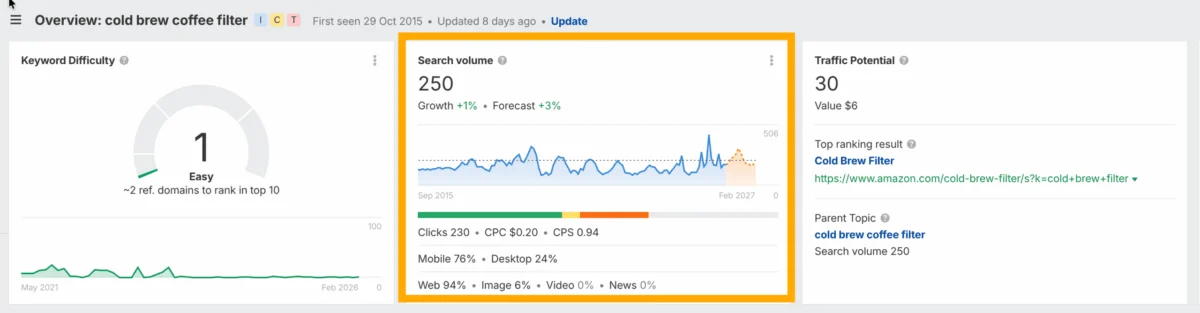
For anyone navigating the world of search engine optimization (SEO) and utilizing plugins like Yoast or Rank Math, the "focus keyword" field is a familiar sight. While it might seem like a simple indicator for achieving a green light, a deeper understanding reveals its significance as the cornerstone of an effective on-page SEO strategy. Choosing the right focus keyword is paramount, as it directly impacts whether a page attracts relevant traffic or optimizes for terms that yield no results. This comprehensive guide delves into the intricacies of focus keywords, covering their definition, selection process, strategic placement, and performance tracking.
What is a Focus Keyword?

A focus keyword, also referred to as a focus keyphrase, is the primary search term that a specific webpage is intended to rank for in search engine results. It acts as the central identifier for the page’s content, answering the question: "If a user searches for one specific thing and lands on this page, what should that thing be?" While terms like target keyword, primary keyword, or main keyword are used interchangeably, they all refer to this core optimization term.
Consider a blog post about home coffee brewing. A suitable focus keyword might be "how to make pour over coffee." This is more effective than a broad term like "coffee" or a vague one like "brewing," as it precisely matches the content of the page.
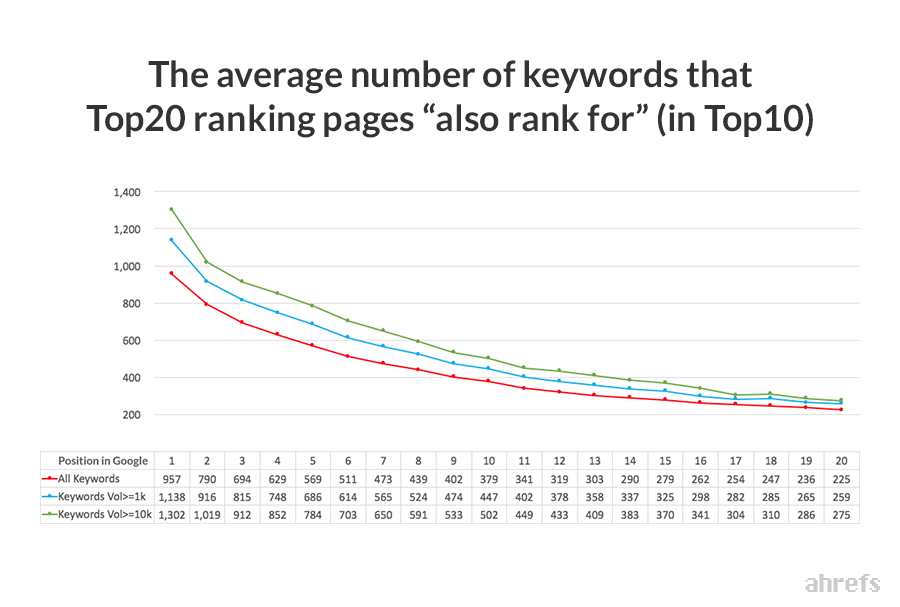
It’s important to note that a page optimized for a focus keyword will also rank for numerous other related terms. Our extensive research, analyzing millions of search queries, indicates that the average page ranking first for a keyword also appears in the top 10 for nearly 1,000 other relevant terms. The focus keyword serves as the primary directive, guiding the optimization efforts, while a natural inclusion of variations and long-tail phrases contributes to broader search visibility.
Focus Keyword vs. Related Terms
In the realm of SEO, terminology can sometimes be confusing. To clarify, a focus keyword is the main term a page is optimized for. Target keyword and primary keyword are synonymous with focus keyword. Secondary keywords are related terms that should be incorporated naturally within the content. Long-tail keywords are more specific, lower-volume variations. While LSI keywords were once a concept, their relevance has diminished. The key takeaway is to concentrate on one primary focus for each page to maintain clarity and strategic direction.
Why Focus Keywords Matter
Focus keywords are essential for several key reasons:
Content Clarity: Selecting a focus keyword necessitates defining the precise subject matter of a page. Without this clear focus, content can become diluted, attempting to cover too much and ultimately ranking for nothing specific. A defined focus keyword ensures that every element of the page, from headings to examples, directly relates to the central topic.
Optimization Guidance: Once a focus keyword is established, it provides a clear roadmap for on-page optimization. This includes strategic placement in the title, headings, URL, and the introductory paragraph. It moves optimization away from random keyword stuffing towards a targeted approach.
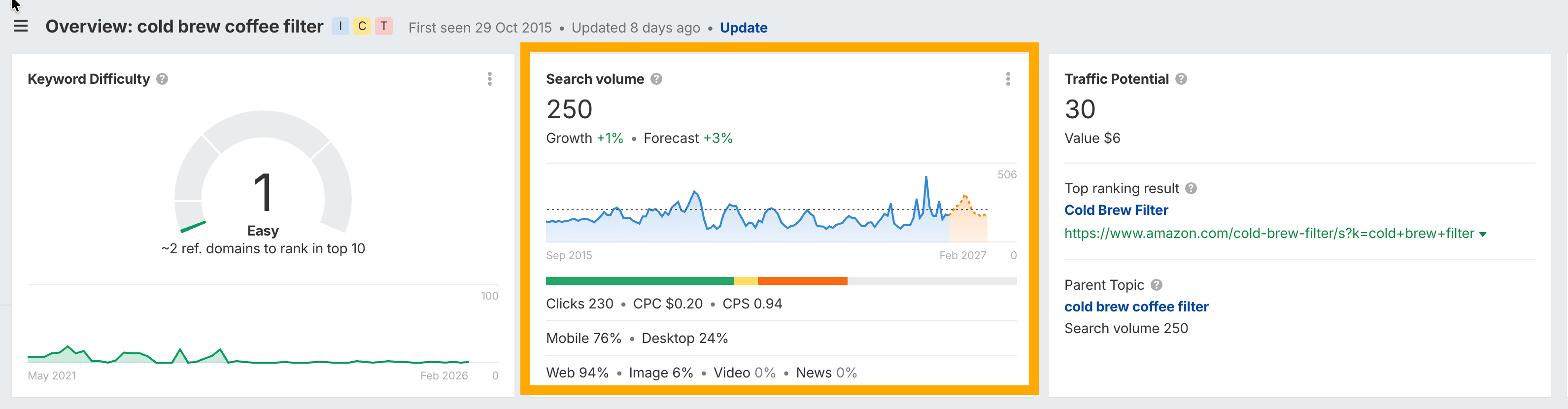
Measurement Baseline: Tracking SEO performance hinges on monitoring rankings for the focus keyword. This provides a specific, measurable target, allowing for consistent evaluation of the page’s effectiveness over time.
It’s crucial to understand that Google’s algorithms do not recognize a "focus keyword" meta tag. Instead, Google interprets topics, entities, and context. The focus keyword is a strategic tool for content creators and optimizers, not a direct signal to search engines.
How to Choose a Focus Keyword
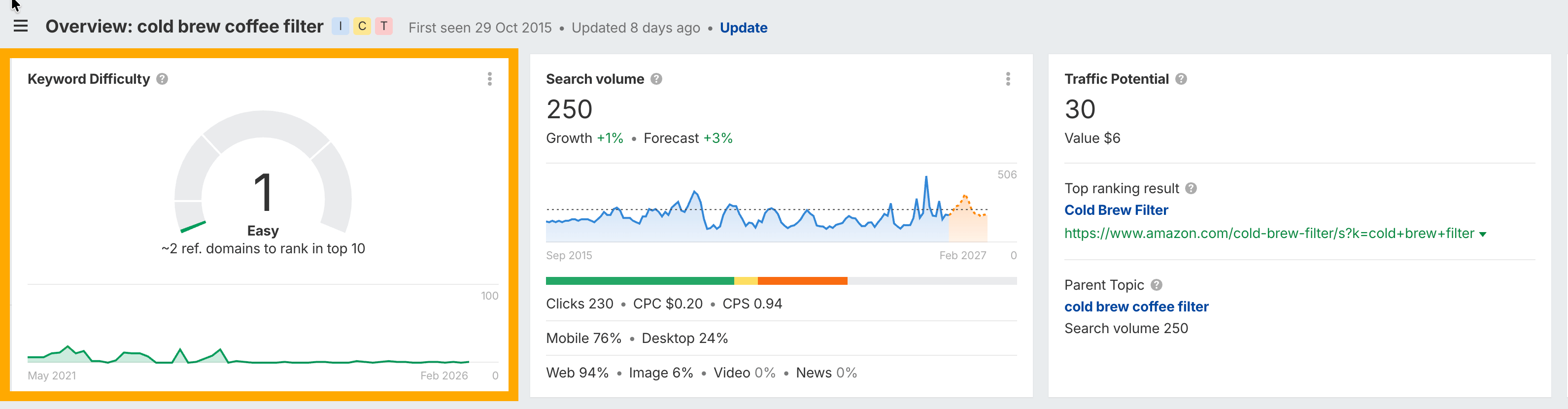
Selecting the right focus keyword involves a structured approach:
Step 1: Generate Keyword Ideas
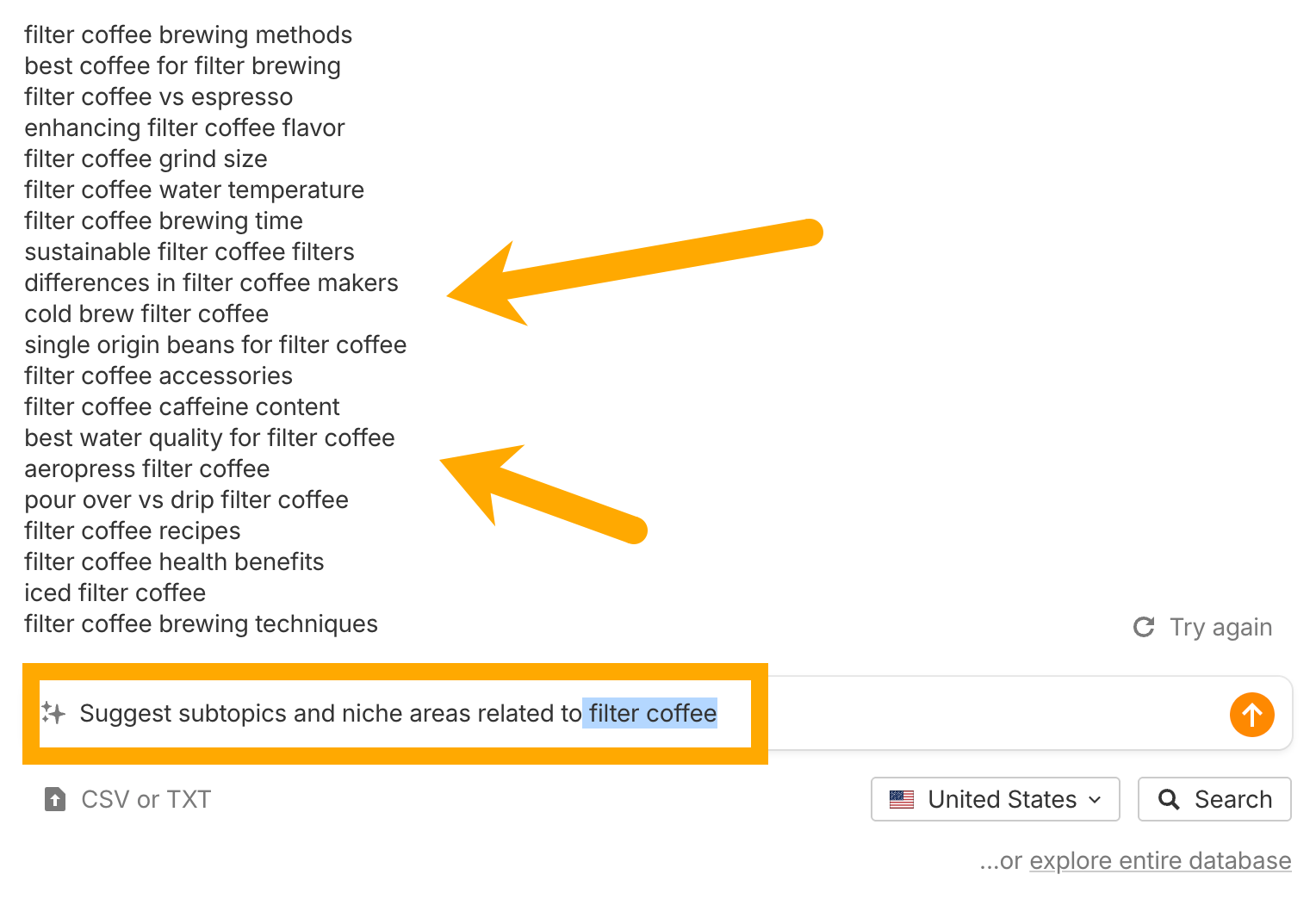
Begin by brainstorming a list of potential focus keywords related to your content. Don’t censor ideas at this stage; the goal is to gather a comprehensive list for later evaluation. Tools and methods for generating these ideas include analyzing competitor content, using keyword research tools, and exploring related searches.
Step 2: Analyze Key Metrics
Evaluate the generated keyword ideas based on four critical metrics:
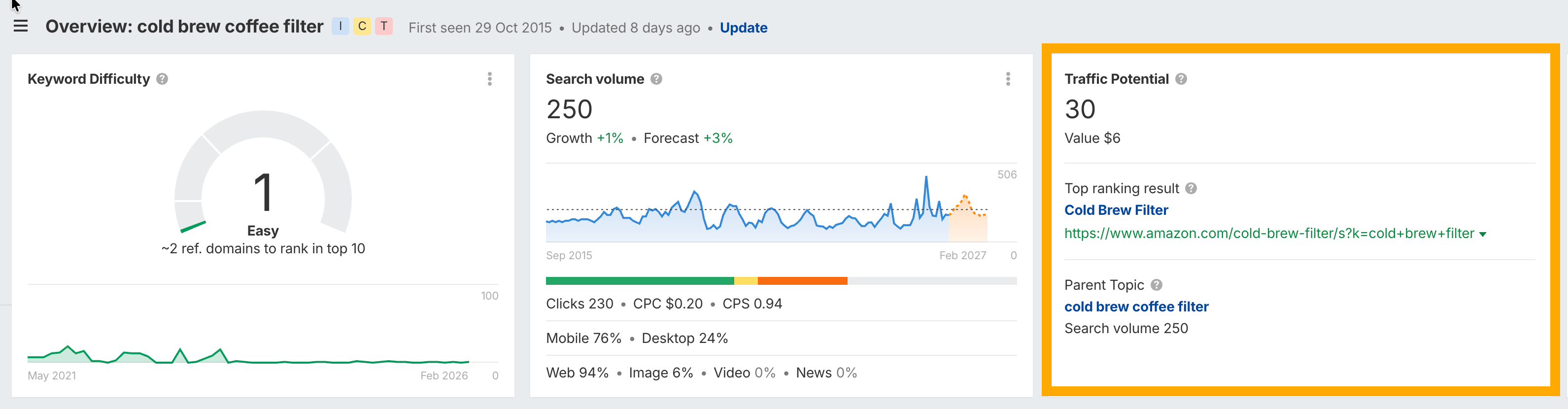
Step 3: Validate Against the SERP
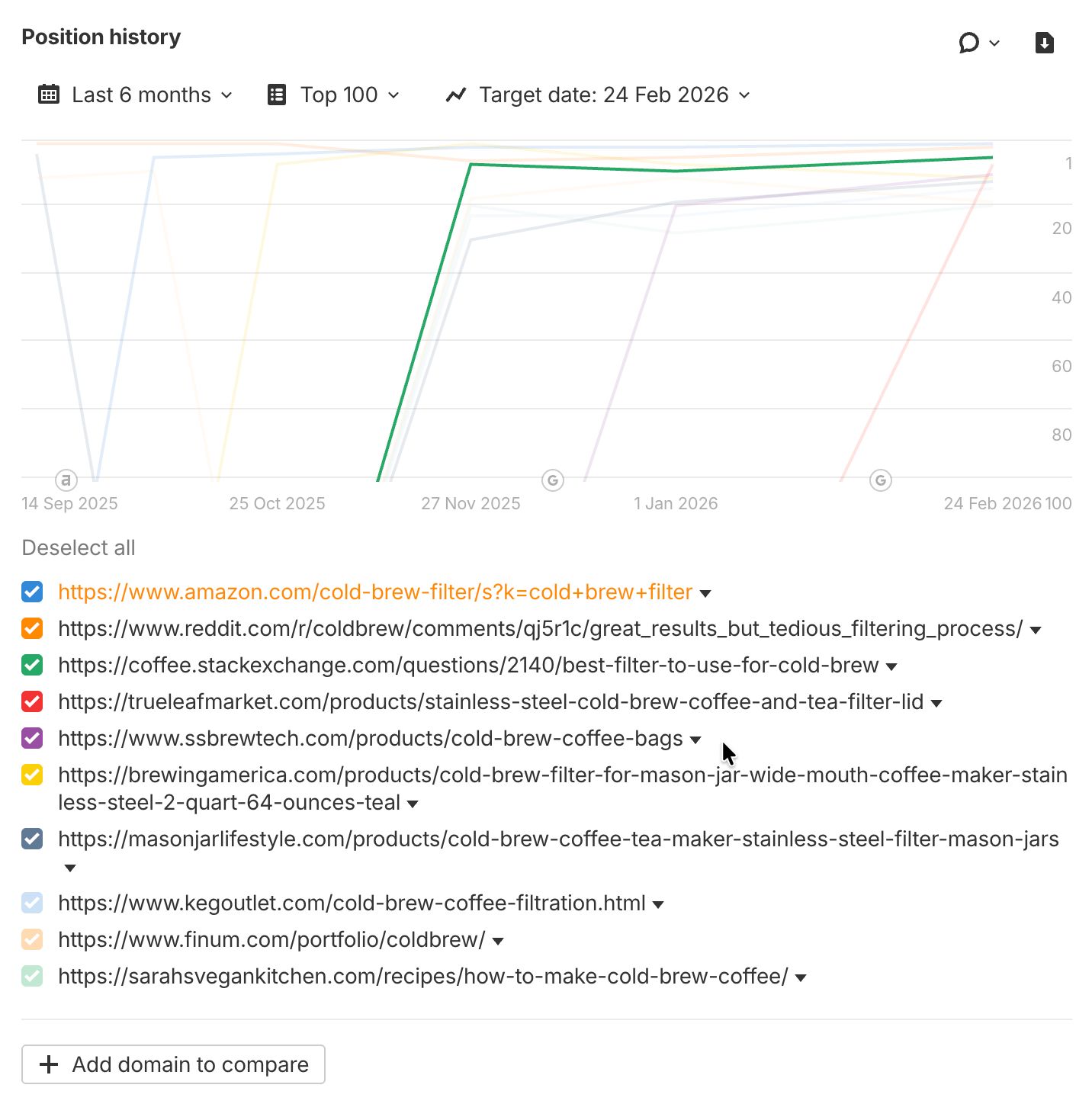
Before committing to a focus keyword, perform a Google search for it. The search engine results page (SERP) provides invaluable insights:
Step 4: Confirm Site Relevance
The final step is to ensure the focus keyword is relevant to your specific website and audience:
How Many Focus Keywords Per Page?
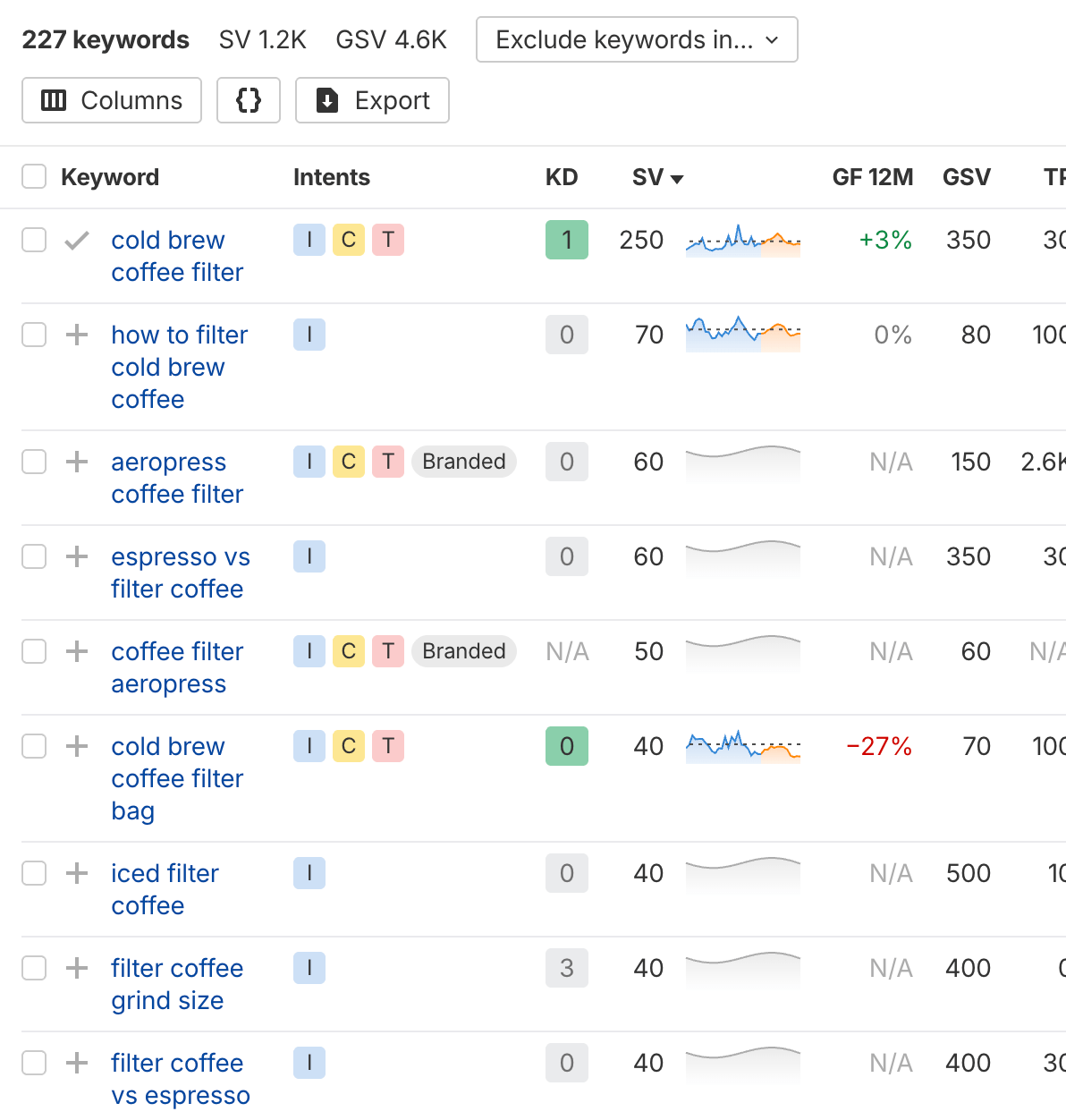
Each page should ideally target one primary focus keyword. While variations and related terms will naturally be included, the optimization efforts should be centered on a single main target. Attempting to optimize for multiple distinct focus keywords can dilute efforts and create confusion. However, very close variations (e.g., singular vs. plural) with the same parent topic and search intent can often be covered by a single page.
Where to Use Your Focus Keyword
Strategic placement of your focus keyword is crucial for on-page SEO:
/focus-keywords/).Avoid over-optimization by ensuring the keyword appears organically and in a way that prioritizes readability for human users. Modern search engines understand synonyms and context, so natural language is key.
Common Focus Keyword Mistakes
Several pitfalls can hinder focus keyword effectiveness:
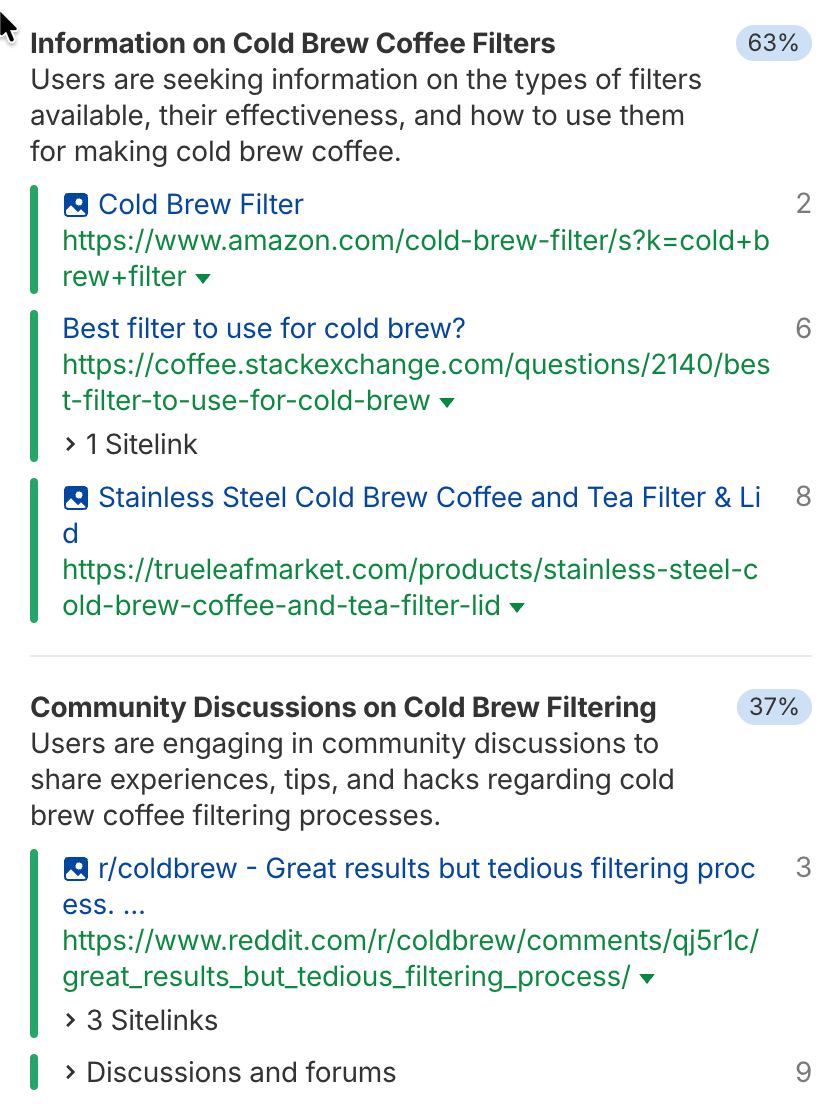
Tracking Your Focus Keyword Performance
Monitoring performance over time is essential. Key metrics include:
Regularly review performance metrics to identify areas for improvement, content updates, or strategic adjustments.
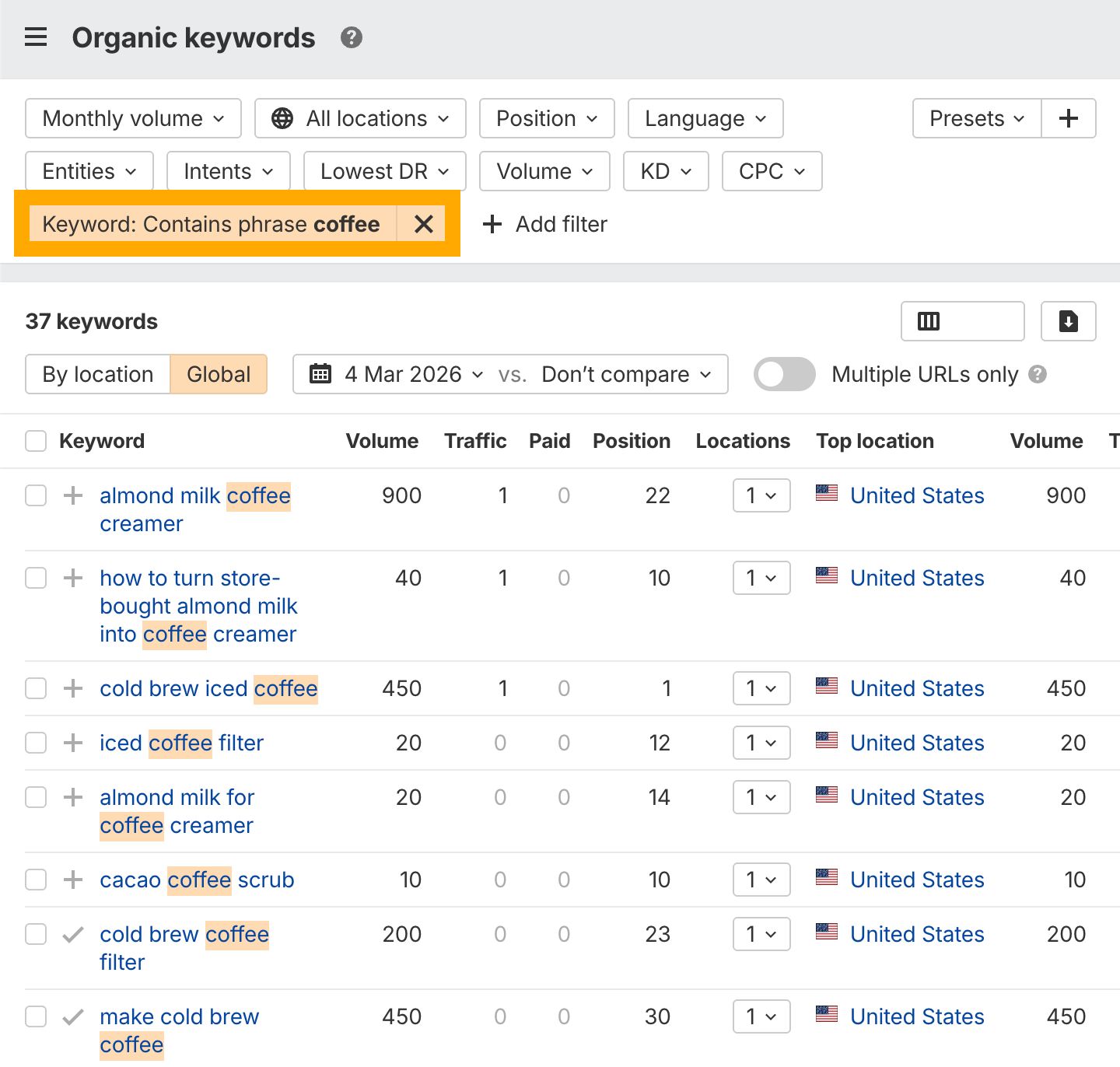
Focus Keywords in the Age of AI Search
The rise of AI-driven search (e.g., AI Overviews, conversational AI) is reshaping the search landscape. While the focus keyword concept remains relevant, its application is evolving. AI Overviews can reduce direct clicks, emphasizing the need for comprehensive, authoritative content that AI systems can cite. Topic coverage is becoming more critical than just single-keyword optimization, and conversational queries necessitate natural language focus keywords. The focus keyword remains a valuable mental model, but a topic-first, keyword-second approach, emphasizing comprehensive coverage, is increasingly important.
In conclusion, a focus keyword is the guiding principle for on-page SEO, directing content creation, optimization, and performance measurement. The process involves generating ideas, analyzing metrics, validating against SERPs, and ensuring site relevance. By strategically selecting and utilizing focus keywords, and by continuously monitoring performance, websites can effectively attract the right audience and achieve their SEO objectives.