 11
 1
 2
 3
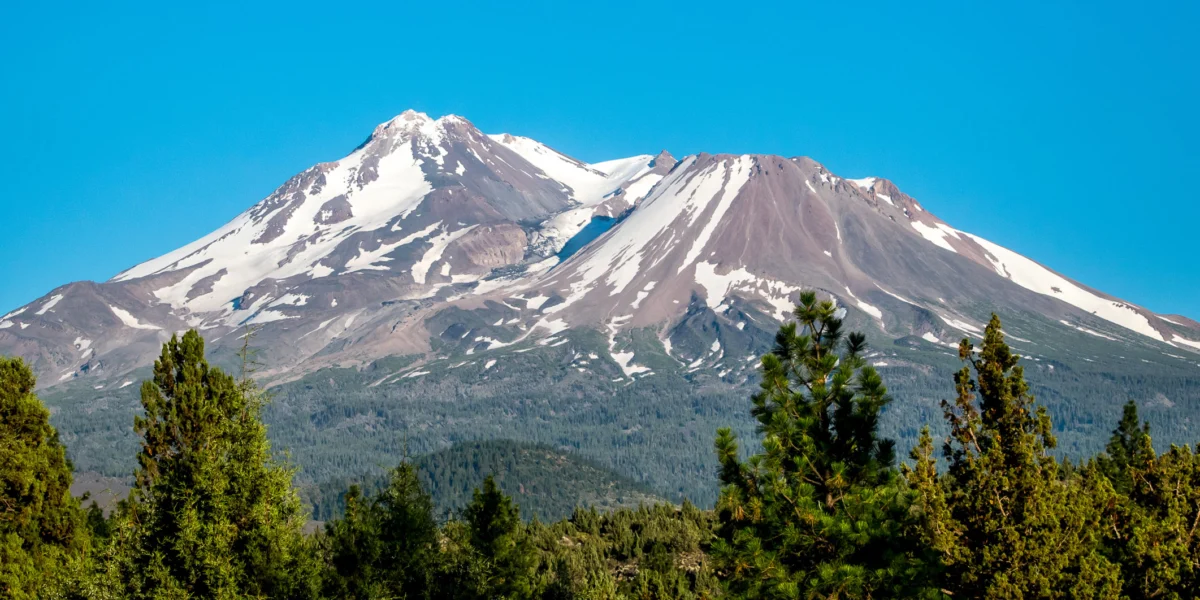
Three hikers found themselves in a perilous situation on California’s formidable Mount Shasta this week, requiring rescue after their expedition, meticulously planned with the assistance of Google’s AI chatbot Gemini, devolved into a multi-day ordeal. The incident, which saw the trio rescued by Forest Service rangers and volunteers, highlights the critical importance of traditional mountaineering preparation and the potential pitfalls of relying solely on artificial intelligence for high-stakes outdoor adventures.
According to a report from the Siskiyou County sheriff’s office, as detailed by the Chicago Tribune, the three young men embarked on their ambitious climb of the majestic stratovolcano at 3 AM. While early starts are common for summit attempts on challenging peaks like Mount Shasta, the subsequent events veered sharply from standard safety protocols and recommendations. Experienced climbers and local authorities consistently advise hikers to turn around if they have not reached the summit by noon, a crucial guideline designed to ensure ample daylight for a safe descent and to mitigate the risks associated with rapidly changing alpine weather conditions and exhaustion. However, the hikers in question pressed on, ultimately reaching Mount Shasta’s demanding summit at a dangerously late hour of 7 PM.
The decision to summit so late in the day immediately placed the group in a precarious position. With daylight rapidly fading, they commenced their descent in the encroaching darkness, a maneuver fraught with significant hazards on the rugged and often unforgiving terrain of Mount Shasta. Disoriented and likely fatigued, the trio soon realized they were in dire straits. It was at this point that they made contact with the Siskiyou County sheriff’s office, not to report an injury or immediate emergency, but to request directions, underscoring their severe navigational challenges and lack of preparedness for a nighttime descent. Unable to safely continue their journey in the dark and unfamiliar territory, they were forced to spend the night exposed in the harsh environment of Mud Creek Canyon. The following morning, after an undoubtedly cold and arduous night, they were successfully located and rescued by a dedicated team of Forest Service rangers and volunteers, bringing an end to their harrowing experience.
A central element of this incident, and one that has drawn considerable attention, is the hikers’ admitted reliance on Google’s AI chatbot, Gemini, for their expedition planning. The Siskiyou County sheriff’s office explicitly stated that the hikers "were advised by Gemini to bring far less food and water than their group required, especially when their planned 8-hour ascent became a multiday ordeal." This revelation points to a significant failure in the AI’s guidance, as adequate provisions for sustenance and hydration are fundamental pillars of safe mountaineering. On a peak like Mount Shasta, where weather can shift drastically, and physical exertion is immense, insufficient food and water can quickly lead to dehydration, hypothermia, exhaustion, impaired judgment, and ultimately, a life-threatening situation. The discrepancy between the AI’s advice and the actual needs for a multi-day high-altitude trek proved to be a critical factor in the hikers’ predicament.
While the sheriff’s office acknowledged that it is "not clear whether Gemini can take all the blame for these bad decisions," implying that the hikers’ own judgment and experience level likely played a role, the incident serves as a stark warning about the limitations of artificial intelligence in contexts requiring nuanced, real-time, and safety-critical decision-making. AI models, while capable of processing vast amounts of information, often lack the experiential understanding, local context, and common-sense reasoning that human experts bring to outdoor planning. They cannot assess current trail conditions, specific weather patterns for a given day, the hikers’ physical fitness, or their experience level, all of which are vital components of a safe and successful climb.
Mount Shasta, towering at 14,179 feet (4,322 meters), is California’s fifth-highest peak and a prominent stratovolcano that draws thousands of climbers and hikers annually. Its majestic beauty, however, belies its inherent dangers. The mountain is renowned for its rapidly changing weather, which can transform from clear skies to blizzard conditions within hours, even in summer. Common hazards include extreme winds, freezing temperatures, sudden storms, hidden crevasses on its glaciers, rockfall, and the ever-present threat of acute mountain sickness (AMS) at higher elevations. Routes often involve steep snowfields, requiring specialized equipment such as ice axes and crampons, as well as proficiency in their use. The terrain is often loose and arduous, demanding considerable physical stamina and navigation skills. It is unequivocally not a mountain for the unprepared or inexperienced.
In light of this rescue and the growing reliance on digital tools, the Siskiyou County sheriff’s office issued a crucial public safety announcement, emphasizing fundamental principles for safe outdoor recreation. "It is always advisable to call the local USFS Mount Shasta ranger station ahead of your trip to ensure you have the most accurate information," the sheriff’s office stated unequivocally. This recommendation underscores the invaluable role of human expertise and local knowledge. Ranger stations possess up-to-the-minute information on trail conditions, snowpack levels, potential hazards, current weather forecasts specific to the mountain, and any route closures or advisories. They can offer personalized advice based on a climber’s stated experience and planned route, something a general AI chatbot cannot replicate.
Furthermore, the sheriff’s office delivered a direct and unambiguous warning: "never rely solely on AI for your trip planning." This advice is paramount in an era where AI tools are becoming increasingly sophisticated and accessible. While AI can be a useful starting point for general information gathering, it should never be the sole or primary source for planning expeditions in environments where human life is at stake. Critical planning for mountaineering demands a multi-faceted approach that integrates information from various reliable sources, including official park services, experienced mountaineers, detailed topographical maps, and up-to-date weather reports. It also necessitates personal responsibility, a realistic assessment of one’s own skills and limitations, and a robust contingency plan for unforeseen circumstances.
The incident on Mount Shasta serves as a powerful cautionary tale, illustrating the significant gap between the capabilities of artificial intelligence and the complex, dynamic realities of outdoor survival. While AI can offer convenience and a wealth of data, it lacks the judgment, intuition, and real-world understanding necessary to navigate the unpredictable challenges of a wilderness environment. This rescue reinforces the timeless lessons of mountaineering: thorough preparation, conservative decision-making, respect for the mountain, and the invaluable guidance of human experts and established safety protocols remain indispensable for anyone venturing into the high country. As technology continues to advance, the human element—sound judgment, experience, and a healthy dose of caution—will always be the most critical tools in a climber’s arsenal.