 11
11 1
1 2
2 3
3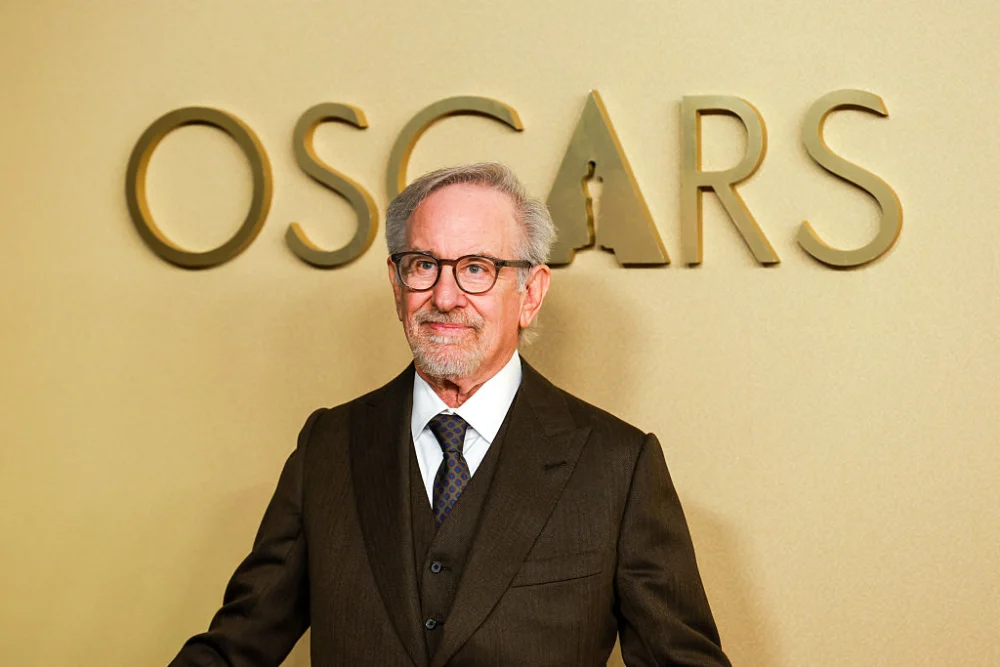
Legendary filmmaker Steven Spielberg delivered a potent message regarding the encroaching presence of artificial intelligence in creative fields, specifically within filmmaking, during an interview at the South by Southwest (SXSW) conference in Austin on Friday. Addressing a captivated audience, Spielberg articulated his firm stance against the utilization of AI when it seeks to replace human artistic contribution. When probed about his perspective on AI’s potential utility in the intricate filmmaking process, the acclaimed director unequivocally stated, "I’ve never used AI on any of my films yet." This declaration was met with an immediate and resounding eruption of cheers and applause from the conference attendees, signaling a palpable sentiment shared by many within the creative community regarding the future of human-led artistry.
Spielberg, a name synonymous with cinematic innovation and blockbuster success, holds a unique position to comment on the intersection of technology and storytelling. As a prolific director, producer, and screenwriter, his filmography is a testament to imaginative narratives and groundbreaking technical achievements. He is the creative force behind iconic films that have not only defined generations but also pushed the boundaries of what is possible on screen. His illustrious career boasts an unparalleled string of successes, including the seminal shark thriller "Jaws," the heartwarming extraterrestrial tale "E.T. the Extra-Terrestrial," the awe-inspiring science fiction epic "Close Encounters of the Third Kind," and the thrilling adventure "Raiders of the Lost Ark," among countless other cinematic masterpieces. These films, produced through traditional creative processes, underscore a legacy built on human ingenuity, collaboration, and vision.
It is crucial to note that Spielberg’s reservations about AI in creative capacities do not stem from a general anti-technology sentiment. In fact, his own body of work frequently explores complex themes related to technology’s impact on humanity, often imagining futuristic worlds where technological advancements bring about both profound good and perilous challenges. Films such as "Minority Report" delved into predictive policing and surveillance, raising ethical questions about free will in an algorithmically managed society. "Ready Player One" transported audiences into a sprawling virtual reality metaverse, examining the escapism and potential pitfalls of digital existence. Perhaps most tellingly, his 2001 film "A.I. Artificial Intelligence" directly confronted the concept of sentient artificial intelligence and its implications for emotional connection and human identity. These narratives demonstrate a profound intellectual engagement with technology, using it as a lens to explore the human condition, rather than relying on it as a creative shortcut.
During his appearance at SXSW 2026, Spielberg carefully framed his discussion, noting that he did not wish to launch into a "rant" about AI. He acknowledged and supported the technology’s potential benefits "in many disciplines," suggesting an understanding of AI’s utility in areas like scientific research, data analysis, logistics, or even certain aspects of film production that are not inherently creative, such as scheduling or resource management. However, he drew a clear line when it came to the sanctity of the creative process itself. He emphasized that in his writers’ rooms, whether for film or television projects, "there’s not an empty chair with a laptop in front of it." This vivid metaphor powerfully conveyed his commitment to human-centric creativity, making it abundantly clear that he is not interested in outsourcing the fundamental act of storytelling, character development, or dialogue crafting to an algorithm. His statement underscored a core philosophy: creativity, in his view, is an intrinsically human endeavor that cannot be replicated or replaced by machines.
His unequivocal declaration, "I am not for AI if it replaces a creative individual," serves as a rallying cry for many artists and craftspeople in an industry increasingly grappling with the rapid advancements and proposed applications of AI. This statement directly addresses the existential anxieties prevalent among writers, actors, and other creative professionals who fear that AI tools could diminish their roles, devalue their skills, and ultimately lead to job displacement. Spielberg’s stance champions the irreplaceable value of human imagination, intuition, and lived experience in the artistic process, suggesting that the nuances and depth of human storytelling are beyond the capabilities of even the most sophisticated algorithms.
While Spielberg, with his unparalleled track record and established resources, may not perceive an immediate personal need for AI assistance in his productions, the broader industry landscape tells a more complex story. AI startups are actively positioning themselves as vital tools for resource-constrained independent filmmakers. These companies promise solutions that can accelerate production timelines, reduce costs, and streamline various aspects of filmmaking, from script analysis to post-production effects. The appeal to indie creators, often operating on shoestring budgets and with limited personnel, is undeniable. However, as the linked discussions suggest, this efficiency may come at a cost, potentially leading to a "lonelier" creative process, where human collaboration and spontaneous innovation are diminished in favor of algorithmic efficiency.
Furthermore, major players in the streaming and entertainment sectors are already making significant investments in AI technology, signaling a divergent path from Spielberg’s perspective. Amazon, a colossal force in both technology and content, announced earlier this year that it would begin testing AI tools for film and television production. These tools could potentially range from AI-powered script assessment and content optimization algorithms to virtual production environments and automated post-production processes, all aimed at increasing efficiency and scale. The sheer financial commitment to AI in Hollywood was further underscored by Netflix’s strategic acquisition earlier this month of Ben Affleck’s AI filmmaking company, Interpositive. The reported sum for this acquisition, a staggering $600 million, highlights the serious intent of streaming giants to integrate AI deeply into their content creation pipelines. Such investments indicate a belief that AI can unlock new efficiencies, personalize content delivery, and perhaps even generate new forms of entertainment, fundamentally altering the production landscape.
The contrasting approaches from an industry titan like Steven Spielberg and the major streaming platforms underscore a pivotal moment for Hollywood. The debate centers not merely on the adoption of new technology, but on the very definition of creativity, the value of human labor in artistic endeavors, and the future economic models of content production. As AI capabilities continue to evolve, the industry will undoubtedly continue to navigate these complex questions, weighing the promises of efficiency and innovation against the preservation of human artistry and the integrity of the creative individual.
About the Reporter:
Sarah Perez, the author of this report, has served as a dedicated reporter for TechCrunch since August 2011, bringing over a decade of experience in technology journalism to her coverage. Prior to joining TechCrunch, she honed her reporting skills for more than three years at ReadWriteWeb, a respected technology news site. Her background also includes extensive experience in the field of Information Technology, having worked across a diverse range of industries including banking, retail, and software. This practical IT experience provides her with a unique and valuable perspective when reporting on technological advancements and their impact on various sectors, including the entertainment industry. Readers can contact or verify outreach from Sarah by emailing her directly at [email protected] or via encrypted message at sarahperez.01 on Signal. For further information about her professional background and published works, a comprehensive bio is available for review.