 11
 1
 2
 3
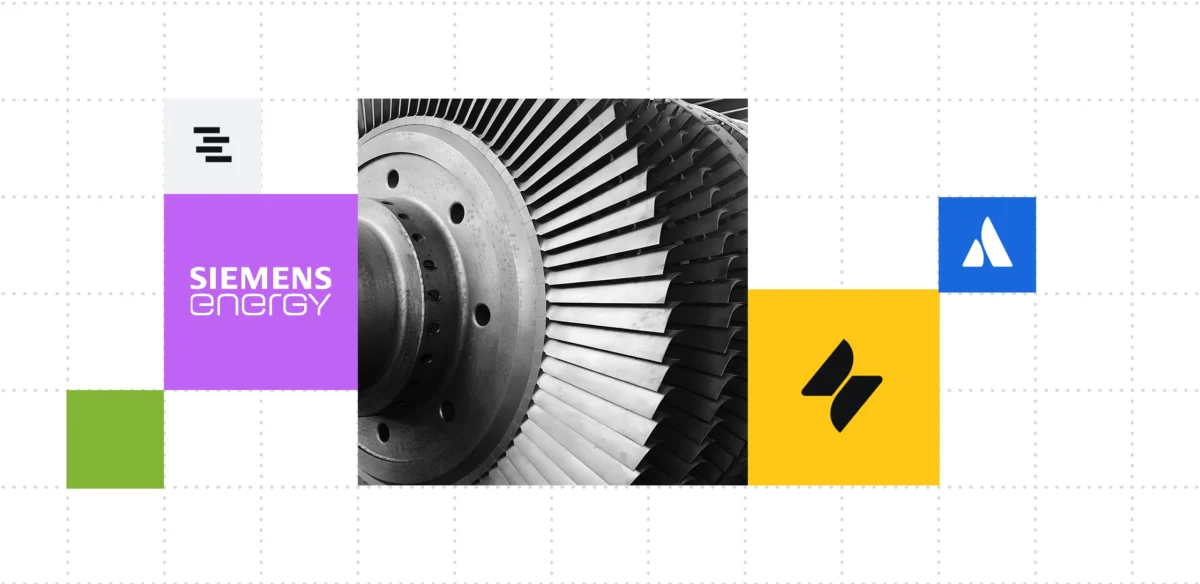
Siemens Energy, a global leader in energy technology, has successfully overhauled its industrial turbine service operations, reducing technical lead times from 62 days to just 21 days. By implementing Jira Service Management (JSM) and integrating it across its enterprise ecosystem, the company has replaced fragmented, manual processes with a unified digital workflow. This transformation, led by the Transformation of Industry division, has optimized how the company supports its massive fleet of industrial steam turbines and generators deployed in diverse environments, ranging from paper mills and refineries to large-scale power stations.
The operational challenge facing Siemens Energy was rooted in the extreme variability of its product line. Unlike standardized consumer goods, the turbines manufactured by Siemens Energy span a massive power range from 2 to 250 megawatts. Nearly every unit is a bespoke piece of engineering, designed specifically for the unique project requirements and deployment conditions of the customer. Because of this high degree of customization, servicing these machines requires highly specific order information and asset details. A standard parts list is insufficient; field teams must have access to the exact specifications of the individual unit they are servicing to ensure safe and efficient maintenance.
In the high-stakes environment of energy generation, the cost of inefficiency is substantial. A turbine shutdown for maintenance, known as an outage, can halt an entire facility’s production. These delays can incur costs of hundreds of thousands of euros per day for the operator. Consequently, the success of these outages depends on flawless technical planning, precise coordination, and timely support for field crews. Prior to the digital overhaul, regional teams at Siemens Energy managed these complex variables through a disconnected patchwork of spreadsheets, email chains, and telephone calls. This reliance on "shadow IT" and manual tracking meant that leaders often had to chase updates across different countries, significantly increasing the risk of missed handoffs and prolonged downtime.
The journey toward a centralized solution began unexpectedly. Ulrich Tschakert, Head of Offer and Site Execution Support at Siemens Energy Transformation of Industry, originally approached Platinum Solution Partner HiQ with a request for Jira training. However, Johannes Tegethoff of HiQ quickly identified that the underlying issue was not a lack of software proficiency, but a fragmented workflow. Within twenty minutes of the initial consultation, Tegethoff developed a working prototype in Jira Service Management using Siemens Energy’s specific terminology and request types. This prototype demonstrated that the software could serve as a process redesign tool rather than just a task tracker, shifting the project’s focus from training to a comprehensive digital transformation.
The resulting enterprise solution involved connecting five core platforms into a continuous, automated workflow structured around three primary stages: offer creation, order processing, and site execution. In this new architecture, Salesforce continues to serve as the primary source for customer and turbine records. These records are synchronized with the "Assets" feature within the Atlassian platform, ensuring that service teams are always working with accurate, up-to-date equipment details.
To streamline intake, a Jira Service Management portal was established to route all service requests into four distinct categories. This portal utilizes intelligent fields that query the Assets database to display only the information relevant to the specific outage type selected by the user. Once a service quotation is converted into a formal order, the system utilizes automation to generate an order ticket and a corresponding Jira epic. This epic automatically populates with a standardized set of tasks covering preparation, travel logistics, on-site execution, and final documentation. To support these tasks, Confluence was integrated to provide a centralized repository where teams can access the specific procedures and technical manuals required for the job.
A key component of the technical architecture is the "Service Lifecycle Tracker," a custom application built on the Atlassian Forge platform by HiQ. This tool provides management with a high-level, real-time view of operational milestones, such as site starts, completions, and commissioning status. This "single pane of glass" replaces the need for manual status calls and the constant updating of spreadsheets. It allows managers to compare offers against active orders and drill down directly into the associated Jira epics for granular detail. Furthermore, the implementation of eazyBI dashboards provides live reporting directly from Jira Service Management data, eliminating the need for time-consuming manual data exports.
The project also addressed the cultural and organizational hurdles inherent in large-scale digital shifts. Tschakert emphasized that the most difficult aspect of the transformation was not the software configuration, but the alignment of people and processes. Siemens Energy and HiQ invested significant time in bridging the gap between operational and technical vocabularies to ensure all stakeholders were in agreement on the service process before the build phase began. Tschakert noted that direct, face-to-face collaboration was essential to this success, stating that four weeks of abstract discussion could be resolved in a single day of focused, collaborative work in one room.
This people-centric approach was vital for user adoption. Tschakert observed that initial resistance to the new tools often stemmed from a feeling among the staff that their professional opinions were not being considered. By actively listening to the feedback of the technicians and managers who would use the system daily, the project team was able to overcome cultural friction. The transformation was guided by five key lessons: designing for the people who do the work, securing strong management backing, starting with a small and manageable scope, prioritizing a fast "go-live" to demonstrate value, and staying as close to standard software functionality as possible to minimize future maintenance complexity.
The business impact of the new system has been measurable and significant. Since implementation, the team has processed more than 8,000 tasks through the portal. The transparency provided by shared dashboards has replaced the side-channel communications that previously obscured the status of work in progress. With a current resolution rate of 92%, the most striking metric is the reduction in lead time. The period from the initial technical request to the completion of the service documentation has dropped from an average of 62 days to 21 days. Tschakert highlighted that this three-fold increase in speed was achieved with the same number of staff members performing the same volume of work, simply by removing the friction of manual administration.
Looking ahead, Siemens Energy is expanding the rollout of this integrated service model. With the German operations fully live and optimized, the company is currently implementing the system in the Middle East, with the United Kingdom scheduled as the next phase. The project serves as a blueprint for industrial service transformation, demonstrating that by organizing workflows around the "Offer to Order to Execution" pipeline and making that work visible through connected systems, a company can achieve profound gains in operational efficiency. The integration of SAP is also planned for the near future, which will automate commercial handoffs while maintaining SAP as the financial system of record. This final link will further solidify the end-to-end digital thread, ensuring that Siemens Energy remains capable of supporting the world’s energy infrastructure with unprecedented speed and precision.