 11
 1
 2
 3
At the recent Team ’26 conference in Amsterdam, Expedia Group shared a comprehensive overview of its organizational transformation, detailing how the travel giant moved beyond localized efficiency to achieve true organizational speed. The session, titled “From AI investment to organizational speed: How Expedia is connecting their operating model,” featured Jule Norberg, Expedia’s Director of Roadmap Insights and Tooling. The presentation highlighted a critical challenge facing modern enterprises: while artificial intelligence can significantly accelerate individual task completion, it does not inherently increase the speed at which a large company can change its strategic course. For Expedia, which oversees a massive portfolio of more than 20 brands including flagship names like Expedia, Vrbo, and Hotels.com, the solution required a fundamental shift in how work is planned, tracked, and connected to executive intent.
The core of Expedia’s problem was a phenomenon Norberg described as the "speed trap." In this scenario, teams utilize AI and agile methodologies to ship features and write code faster than ever before, yet the broader organization remains sluggish because strategic decisions are disconnected from the actual work happening on the ground. Before the transformation, Expedia’s 400 product managers operated within a fragmented ecosystem. Planning was conducted across a "patchwork" of disparate tools, including Figma for design, PowerPoint for executive presentations, standalone documents for specifications, and sporadic, unlinked Jira instances for task management. This fragmentation created a visibility vacuum where leadership updates existed in isolation from team delivery plans.

Under the legacy model, preparing for quarterly business reviews was an arduous, manual process. It often took weeks for teams to aggregate data into slide decks, which frequently became obsolete by the time the actual meeting occurred. This "status theater" meant that leaders were making decisions based on stale information, and any shift in corporate strategy struggled to filter down to the delivery backlogs of individual teams. Norberg emphasized that the first instinct for many organizations facing this friction is to introduce more planning rituals or tighter ceremonies. However, Expedia’s approach was different: they sought to fix the structural connection between where strategy lives and where the work is executed.
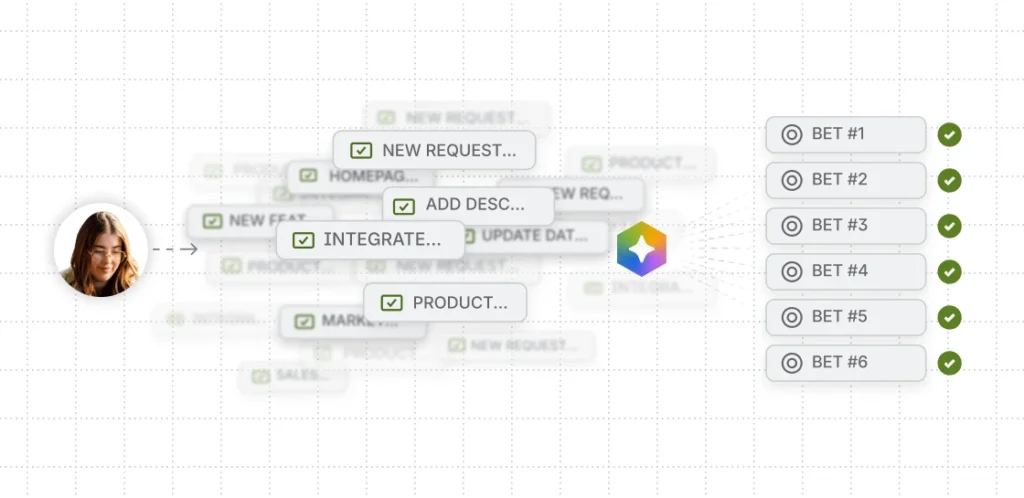
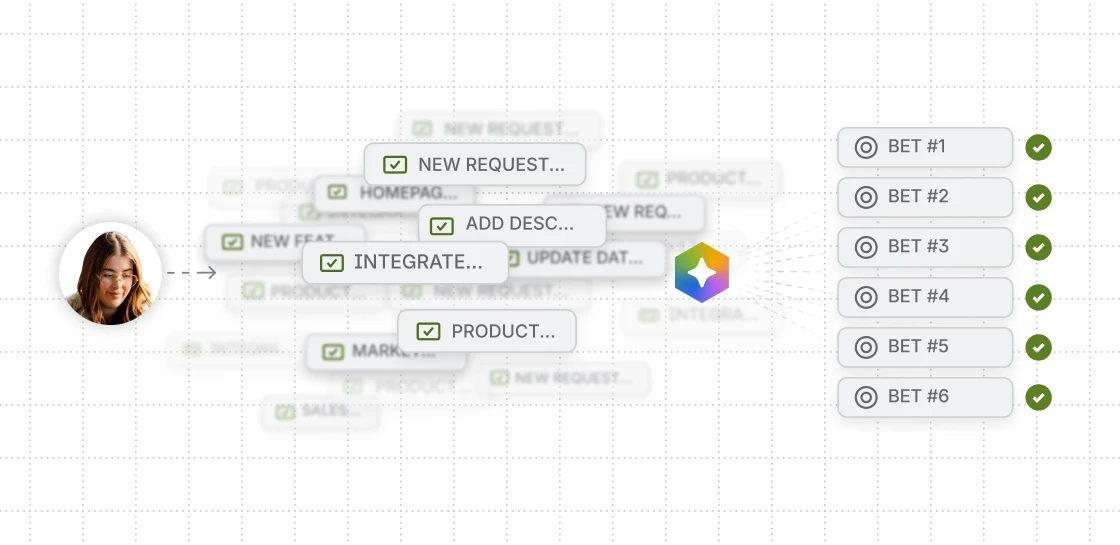
To address this, Expedia Group undertook a massive consolidation of its priorities. The organization transitioned from managing over 100 competing priorities to a streamlined list of just six "stack-ranked enterprise bets." This radical focus ensured that resources were not spread too thin across dozens of initiatives. Each of these six bets was assigned clear leadership, specific success metrics, and defined milestones. However, simply narrowing the list was insufficient; the strategy had to be mechanically linked to execution. Instead of adopting another standalone planning tool that would further contribute to data silos, Expedia extended its existing work management platform. This allowed for a direct, traceable line from high-level enterprise priorities down to epics, deliverables, and specific milestones.
This technical integration transformed the nature of executive oversight. The company replaced traditional, static status reports with live delivery dashboards. In current quarterly business reviews, leaders no longer look at slide decks; they interact with real-time data. This shift allows for a transparent assessment of the “say/do” ratio—a metric that tracks whether teams are delivering on the specific commitments they made regarding the six enterprise bets. Because the data is live, leaders can immediately identify risks, reallocate resources, and discuss progress without the need to reconcile conflicting presentations from different departments.

The integration of data served as a prerequisite for Expedia’s advanced AI implementation. Norberg noted that AI tools living in separate roadmapping software, financial trackers, or delivery logs are unable to provide a holistic view of a business. By bringing strategy, milestones, and delivery into a single governed system, Expedia provided its "roadmap agent" with the necessary portfolio-wide context. The breakthrough for Expedia was not a specific change in their large language models (LLMs), but rather a change in the operating model that fueled those models. With a unified data layer, the AI agent can now provide high-level summaries of complex work, flag milestones that are at risk of slipping, and draft initial roadmap iterations based on historical delivery patterns.
This approach acknowledges a dual reality in modern software development: teams need autonomy, but the organization needs alignment. At Expedia, teams are given the freedom to use the specific tools that best suit their workflows, such as Cursor or Claude Code for development. However, the "non-negotiable" requirement is that the strategic context must remain connected to the central system. This ensures that while the "how" of the work is decentralized, the "what" and the "why" are visible to leadership in a coherent, real-time view.
Reflecting on the transformation, Norberg shared three primary takeaways for other organizations looking to bridge the strategy-execution gap. First, she highlighted the importance of standardizing the "what" rather than the "how." By focusing on the data that needs to be captured for strategic alignment, organizations can maintain a clear view of progress without stifling the creative processes of individual teams. Second, she stressed that the primary goal of connecting work is to improve the speed of decision-making. If the data is connected, leaders can see the immediate impact of a priority shift on the entire portfolio, allowing them to make trade-offs with confidence. Finally, Norberg pointed out that the value of AI is entirely dependent on the quality and connectivity of the underlying data. Without a unified operating model, AI remains a localized tool rather than a strategic asset.

The results of this shift at Expedia Group demonstrate that organizational speed is not just about doing tasks faster; it is about the fluidity of information between the boardroom and the development team. By eliminating the "status theater" of manual reporting and replacing it with a connected, AI-enhanced data environment, Expedia has positioned itself to navigate the complexities of the global travel market with greater agility. The transformation serves as a blueprint for large-scale enterprises struggling to realize the full potential of their digital and AI investments in an increasingly fast-paced economic landscape.
Expedia’s journey illustrates that the most significant hurdle to organizational speed is often not the technology itself, but the fragmented ways in which teams communicate their progress to leadership. By forcing a structural connection between high-level "enterprise bets" and the daily work of hundreds of product managers, the company has created a system where strategy is no longer a static document, but a living, breathing part of the development cycle. As AI continues to evolve, Expedia’s focus on a "connected operating model" ensures that they have the data infrastructure necessary to turn portfolio-wide insights into a competitive advantage, ensuring that when the company needs to change course, it can do so with precision and speed.