 11
11
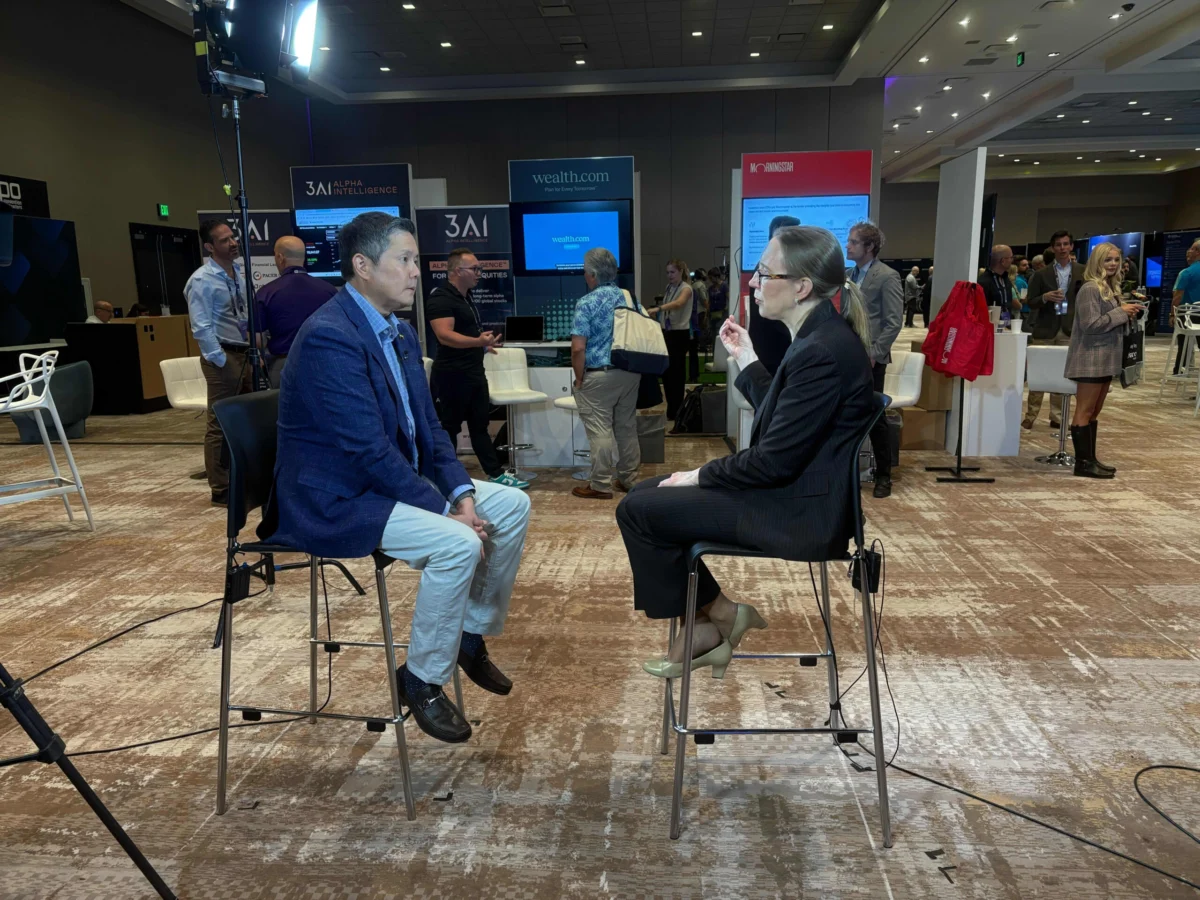
SEC Commissioner Hester Peirce has articulated a clear message of receptiveness towards Wall Street’s exploration of novel exchange-traded fund (ETF) products, particularly those incorporating cryptocurrency elements and the burgeoning field of tokenization. In an exclusive interview with Dominic Chu, host of CNBC’s "ETF Edge," Peirce emphasized the Securities and Exchange Commission’s (SEC) commitment to fostering innovation while upholding robust investor protections.
"We want to work with people on new products," Peirce stated, highlighting the SEC’s proactive stance on engagement. "It really is a come in and talk to us about what you’re trying to do. We want to work with you toward being able to experiment to see whether the market wants your products." Her remarks were made during her attendance at VettaFi’s Exchange 2026 conference in Las Vegas, an event underscoring the significance of the ETF market segment that falls under the SEC’s regulatory purview.
The conversation delved into the increasing interest surrounding the tokenization of financial instruments. Peirce acknowledged a palpable surge in activity and discussion in this domain. "It’s not the SEC’s job to decide… how the market moves forward," she asserted, framing the SEC’s role as one of facilitation and oversight rather than market direction. However, she noted that since the current administration took office and a shift in attitude toward crypto and blockchain technologies occurred, numerous entities have approached the SEC with proposals, expressing strong conviction in the potential of tokenization. "People have come to us and they’ve said, ‘We really think tokenization has potential here,’" she reported.
Peirce also touched upon the SEC’s regulatory priorities, particularly as advancements in retail investor accessibility to new ETF products continue to evolve. The core principle guiding the SEC’s engagement with issuers, she reiterated, is the paramount importance of investor protection. "We want to do it [work with issuers] in a way that respects investor protection," Peirce explained. She clarified the SEC’s mandate: "It’s not our job to say which products are good or bad. It is our job to work with sponsors to make sure that they’re disclosing what those products are, what the risks are [and] what they’re intended to be used for." This statement underscores the SEC’s focus on transparency and disclosure as fundamental pillars for ensuring market integrity and safeguarding investors.
The implications of Peirce’s statements are significant for the financial industry. The cryptocurrency ETF landscape has been a subject of intense scrutiny and debate, with the SEC having historically taken a cautious approach to approving such products, often citing concerns about market manipulation and investor protection in the nascent crypto market. However, Peirce’s explicit invitation for dialogue and her acknowledgment of the potential of tokenization suggest a potential softening of this stance, or at least a willingness to engage with industry participants in a more collaborative manner.

Tokenization, in essence, involves representing assets—such as stocks, bonds, real estate, or even intellectual property—as digital tokens on a blockchain. This process promises to revolutionize financial markets by enabling fractional ownership, increasing liquidity, streamlining settlement processes, and potentially reducing transaction costs. The potential for tokenized ETFs is particularly compelling, as it could allow investors to gain exposure to a wider range of digital assets and traditional securities in a familiar and regulated ETF wrapper.
The SEC’s role in this evolving landscape is crucial. As Commissioner Peirce indicated, the agency is not in the business of picking winners or losers in the market. Instead, its responsibility lies in ensuring that any new financial products brought to market are adequately understood by investors. This involves rigorous review of prospectuses, ensuring that risks are clearly articulated, and that the underlying mechanisms of these products are transparent. For crypto-related ETFs and tokenized assets, this means addressing unique challenges such as the volatility of underlying cryptocurrencies, the security of digital wallets, and the regulatory framework surrounding digital assets, which is still developing globally.
Peirce’s comments also hint at a broader shift within the SEC’s approach to technological innovation in financial services. The agency has been increasingly tasked with navigating the complexities of digital assets, decentralized finance (DeFi), and the application of artificial intelligence in financial markets. Her emphasis on "experimentation" suggests a recognition that regulators need to be adaptable and willing to learn as new technologies emerge and gain traction.
The "come in and talk to us" message is a direct call to action for financial institutions and fintech companies. It signifies that the SEC is open to hearing directly from innovators about their proposals, understanding their business models, and addressing their concerns. This proactive engagement can help to de-risk the innovation process for companies and ensure that regulatory frameworks are developed in a manner that is both effective and conducive to market growth.
The VettaFi Exchange 2026 conference, where Peirce was speaking, is a key event for the ETF industry, bringing together asset managers, issuers, distributors, and other stakeholders. Her participation and remarks at such a prominent forum underscore the strategic importance the SEC places on staying abreast of industry trends and fostering constructive dialogue.
In conclusion, Commissioner Hester Peirce’s recent statements offer a promising outlook for the future of crypto-related ETFs and tokenization. By signaling an openness to collaboration and emphasizing the SEC’s commitment to investor protection through transparency and disclosure, she is paving the way for potential advancements in financial product innovation. The industry is likely to interpret her words as an invitation to engage actively with the SEC, to present well-thought-out proposals, and to work collaboratively towards bringing novel and investor-friendly products to market. The SEC’s evolving stance reflects the dynamic nature of financial markets and the increasing integration of digital technologies, requiring a regulatory approach that is both vigilant and adaptive.