11
11
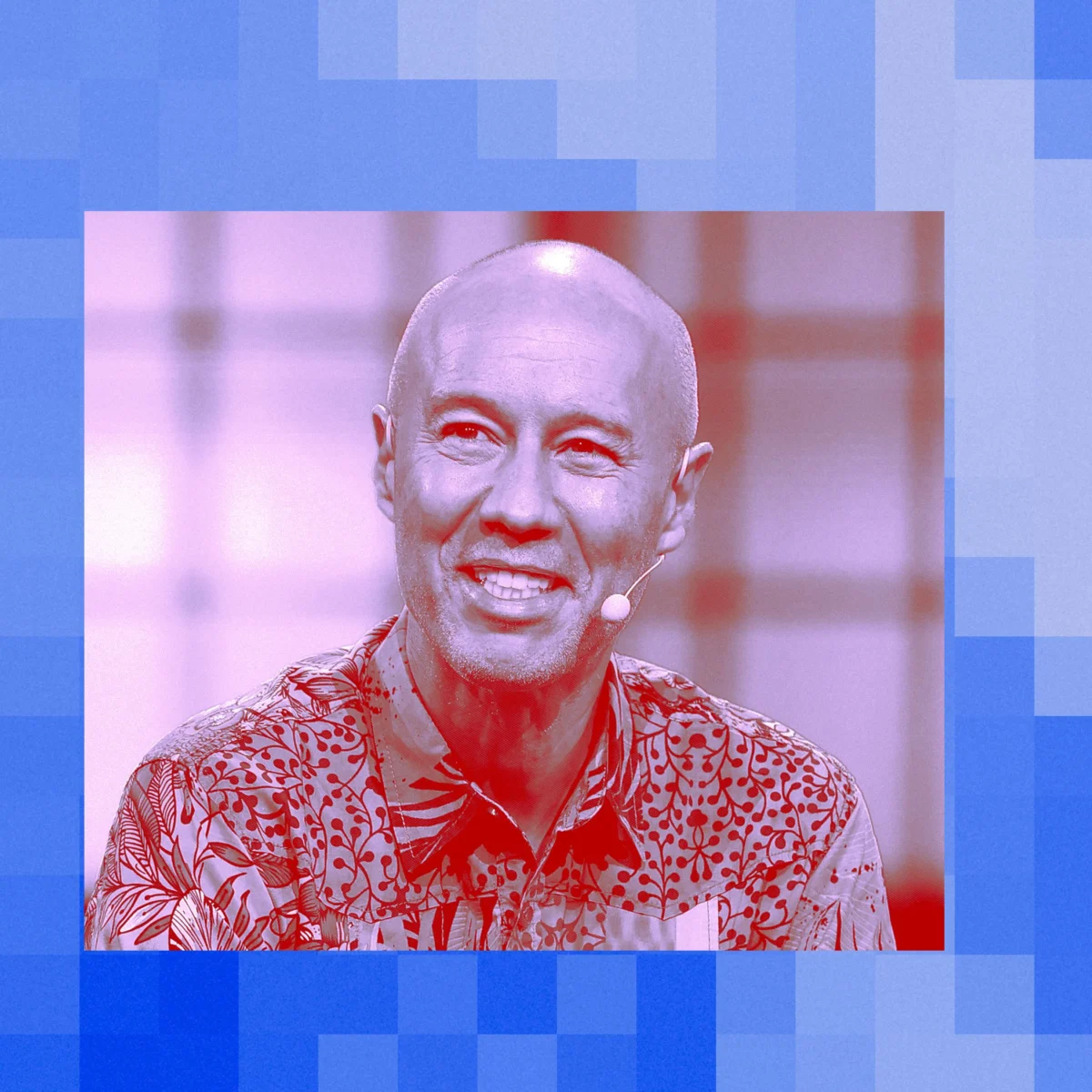
Three years ago, the ride-sharing landscape saw Lyft in a precarious position. As the perennial runner-up to industry titan Uber, the company faced a genuine risk of being completely sidelined. With its founders still at the helm, a critical leadership change was enacted in March 2023 when former Microsoft and Amazon executive David Risher was appointed CEO with the mandate to revitalize the struggling enterprise. Under Risher’s guidance, Lyft has embarked on an ambitious turnaround, expanding its international footprint, forging strategic alliances with autonomous vehicle leader Waymo and AI chip giant Nvidia, significantly reducing ride cancellations, and implementing policies to increase driver compensation. Just this week, Lyft announced a significant expansion of its partnership with Curb, a move that will allow customers in New York City to access traditional taxi services directly through the Lyft app, broadening their transportation options. While the company now proudly reports a return to profitability, it remains firmly entrenched in second place within the highly competitive ride-sharing market, and its stock performance has seen a decline this year, reflecting broader industry uncertainties.
In a recent interview, Risher offered insights into Lyft’s current trajectory, his candid assessment of Uber, and his strategic vision for managing future fleets of autonomous vehicles, whether owned by technology companies or private citizens.
The Turnaround Mission: From Floundering to Profitability
Risher recounted the dire situation Lyft faced upon his arrival. "When I came in, we were losing share—Lyft was 26 or 27 percent compared to the other guy. We were losing money, $300 million a year. Things were not looking good." Drawing from his extensive experience, particularly his tenure at Amazon under Jeff Bezos, Risher immediately instilled a philosophy of "customer obsession" as the cornerstone of his strategy. This meant a relentless focus on improving the core service for both riders and drivers.
The initial phase of the turnaround involved a rigorous re-evaluation of the company’s cost structure. Risher explained, "We spent quarter after quarter getting our cost position right, so that we could lower prices." This cost efficiency was not merely about cutting corners but about creating a sustainable model that allowed for competitive pricing for riders. Simultaneously, recognizing the critical role of its driver base, Lyft made a concerted effort to increase driver rates. "We raised driver rates, because if drivers aren’t getting paid enough, they tend to be very frustrated and don’t provide great service, and drop off the platform," Risher emphasized. This investment in drivers was crucial for improving service quality and retaining talent. Beyond these operational adjustments, the company also rekindled its spirit of innovation.
The results of these efforts have been tangible. Risher proudly stated, "So today, we’re profitable. We have some of the highest driver satisfaction rates we’ve ever had, and our riders are coming back. And our share is now up to about 31 points." This 4-5 percentage point gain in market share, coupled with financial stability, marks a significant reversal from the company’s previous struggles.
Navigating Market Perceptions and Stock Performance
Despite the internal successes and return to profitability, Lyft’s stock performance has been a point of concern for investors this year. Risher acknowledged this disparity: "Our analysts and investors love the fact we’re growing quarter by quarter, but they also see uncertainty in the industry." This highlights a common challenge for growth-oriented companies, where market sentiment can be influenced by broader economic factors, competitive pressures, and future growth projections beyond immediate financial results. The ride-sharing sector, with its inherent complexities and evolving regulatory landscape, presents such uncertainties.
Lyft’s position as a "distant second" to Uber continues to shape its public perception. Risher cited a recent headline, "’Is OpenAI On Its Way to Becoming Lyft?’" which, despite having nothing to do with ride-sharing, used Lyft as a pejorative comparison for a company perceived to be falling behind. Risher, however, challenged the premise of this perception, framing the market opportunity differently. "We do a billion rides a year in North America. The other guys maybe do two," he noted, referring to Uber’s significant global volume (approximately 14 billion rides annually, though not broken down by region). "That’s 3 billion rides between the two of us. But people take 160 billion rides in their private cars every year. So there’s a gigantic market which you can grow into." This perspective reframes Lyft’s 31% share not as a ceiling, but as a small slice of a much larger, untapped transportation market, suggesting immense potential for expansion beyond direct competition with Uber.
Risher attributes Lyft’s recent share gains to superior service. "The reason we have been gaining share over the last couple years is our service is just better. On average we will pick you up faster than those guys will. We have reduced driver cancellations." Building on this service advantage, Lyft is rolling out a campaign titled "Save Money, Check Lyft," which aims to shift rider behavior. The premise is straightforward: "if you’re a rider and you’re only checking the other guy, you’re leaving money on the table. If people checked every single time, we would have a greater than 50 percent share. I promise you." This initiative seeks to break habitual rider behavior and encourage price comparison, leveraging Lyft’s competitive pricing and service quality.
When confronted with a personal anecdote about a price discrepancy—where Uber was $70 and Lyft $130 for the same route—Risher admitted that such instances can occur due to differing algorithms and data sets. "We try to beat them more than we lose, but we have different algorithms, different data. We religiously, obsessively check to make sure that is true."
Addressing Driver Concerns and Fair Compensation
A persistent complaint from drivers across both major ride-sharing platforms revolves around the companies taking "too big of a cut" from fares. Risher directly addressed this, stating unequivocally, "The short answer is no." He explained that in the nascent stages of the industry, "there were massive effective driver subsidies," which created an expectation among some drivers that may no longer be economically sustainable for the companies. He clarified Lyft’s policy: "We will never, ever, ever, ever take more than 30 percent after insurance is taken out." This transparency aims to counter perceptions of excessive commissions, though the ongoing operational costs for drivers, such as fuel, vehicle maintenance, and depreciation, remain significant considerations.
Regarding the burden of fuel price increases, Risher acknowledged that "Drivers are responsible for fueling up, so ultimately, of course, they’re paying the bill. But we’re trying our best to help." This indicates an awareness of the financial pressures on drivers and an ongoing commitment to support them, even if the specific mechanisms of that support were not detailed.
The Road to Autonomy: A Strategic Pivot
Looking to the future, Risher highlighted a transformative shift in the industry: the integration of autonomous vehicles (AVs), which he sees as a potential solution to the challenges of managing human drivers. "There’s a way to not have to worry about pleasing drivers—replacing them with autonomous vehicles," he stated. Lyft is actively positioning itself to be a key player in this evolving landscape through strategic partnerships.
Its collaboration with Waymo, Google’s self-driving car company, is particularly significant. In cities like Nashville, Lyft is servicing Waymo’s vehicles, undertaking "fleet management." Risher elaborated on this role: "No matter how a Waymo is ordered, we will do the fleet management. So our job is to make sure that cars are available as close to 24/7 as possible. Cars sitting there stranded, not charged, not clean, whatever, aren’t making money. That’s bad." This service not only generates revenue for Lyft but also optimizes the operational efficiency of Waymo’s assets. Furthermore, a "supply sharing" component of the partnership will see Waymo’s autonomous fleet available on both the Waymo app and the Lyft app later this year, effectively treating Waymo as a "supplier, just like a driver would be exactly."
Lyft’s vision extends beyond managing tech company-owned AVs. Risher foresees a future where personally owned autonomous vehicles become commonplace. "In a decade, buying a car without self-driving technology will be like buying a car with manual transmission—you could do it, but you probably won’t," he predicted. In this scenario, individuals could choose to deploy their self-driving cars on the Lyft platform when not in use, generating income. Lyft would then offer fleet management services for these privately owned AVs, handling charging, cleaning, and maintenance. "Today, if you want to drive on the Lyft platform, you have to do two things: you’ve got to put your car to use, and you’ve got to put your time to use. Ten years from now, in a world where a lot of people have cars that can drive themselves, you just have to put your car to use, and when it comes back, you’re going to want it cleaned and maintained. That’s where fleet management comes in." This strategic pivot positions Lyft to capitalize on the widespread adoption of AV technology, transitioning from a platform for human drivers to a comprehensive mobility management service. The general mention of a deal with Nvidia further underscores Lyft’s engagement with advanced technology, likely for AI capabilities, mapping, or other computational needs related to future mobility solutions.
Competitive Landscape and Brand Identity
Ultimately, Risher’s aspiration for Lyft is clear: to surpass Uber and become the dominant player. "I’m guessing that your dream is that Lyft will be the number one of the two companies," the interviewer posited. Risher’s immediate response: "Sure, because our service is better."
He then offered a striking, if somewhat provocative, distinction: "I also think—and you can quote me on this, although it’s a little bit of an obnoxious thing for me to say—I think we’re the good Uber." After a brief pause, he tempered the statement, adding, "Yeah. [Pauses.] No, that’s too strong." This revealing exchange underscores the deep-seated rivalry and Lyft’s desire to differentiate itself not just on service, but on brand values and corporate ethos. He acknowledged Uber’s success, stating, "Both companies have obviously done quite well in very different ways." However, he quickly returned to Lyft’s core strength: "When I talk to people at the other company, they do admire that we are walking the walk; we are customer obsessed. That’s the big change that’s turned our economics around, and we’re not going to back off of that. Those advantages will compound over time."
Risher’s vision for Lyft is one where a steadfast commitment to customer obsession—encompassing both riders and drivers—will create a compounding advantage, leading to sustained growth and, eventually, a leadership position in the broader mobility market, regardless of whether the vehicles are driven by humans or operate autonomously. Lyft’s journey from the brink of being "run off the road" to achieving profitability and strategically planning for an autonomous future under David Risher’s leadership marks a compelling chapter in the evolving story of ride-sharing.