 11
11
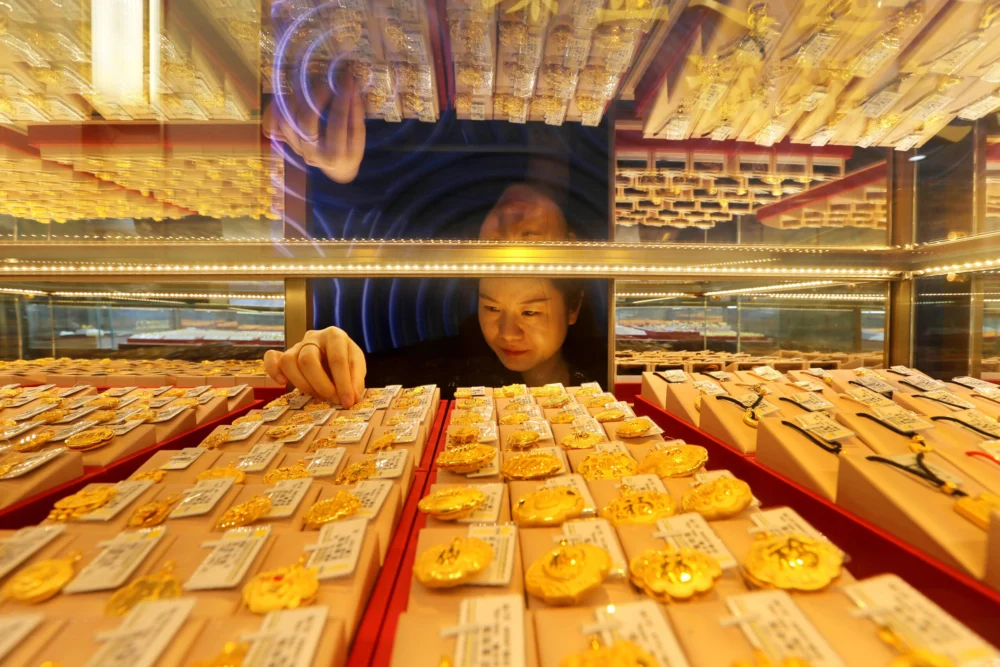
The previously dominant investment trends of gold, silver, and South Korea have experienced significant downturns as concerns grow over a potentially prolonged conflict in Iran. These assets, which had been star performers throughout 2026, are now facing headwinds as the specter of escalating geopolitical tensions reignites inflation anxieties and prompts a broad market sell-off.
For much of 2026, gold, silver, and the South Korean equity market (represented by the Kospi index) emerged as compelling "momentum plays." Investors, increasingly wary of their exposure to the historically strong performance of U.S. large-cap technology stocks, sought refuge in alternative asset classes perceived as more resilient and capable of outperforming the broader market. This strategic shift was particularly notable given the stark contrast in market performance: while the S&P 500 had surged by a cumulative 64% over the preceding three years, it had registered a modest 1% decline year-to-date at the time of this report.
Each of these favored trades possessed distinct attractions for investors. Gold’s appeal was bolstered by expectations of continued upward momentum, driven by a global trend of central banks diversifying their reserves away from the U.S. dollar. Many analysts expressed confidence that the price of bullion could soon breach the $6,000 per ounce mark. Silver, meanwhile, was anticipated to benefit from a confluence of tight supply-demand dynamics and its increasing importance in industrial applications, particularly those related to artificial intelligence (AI). The South Korean market’s ascent was largely attributed to robust global demand for memory chips, a sector where its leading companies, Samsung Electronics and SK Hynix, play a dominant role. Both companies had demonstrated exceptional year-to-date performance, with their shares rising by over 50% and 44%, respectively, significantly boosting the Kospi index.
However, the narrative shifted abruptly on Tuesday, with all three of these high-flying trades experiencing significant reversals alongside the broader market. The catalyst for this widespread unwinding of positions was the escalating prospect of a deepening conflict in Iran. This development has revived deeply ingrained inflation fears, directly impacting commodity markets. Crude oil prices, a key indicator of inflationary pressures, saw a sharp surge. Brent crude, the international benchmark, surpassed $84 per barrel, while West Texas Intermediate (WTI) crude jumped to above $77 per barrel.
Even gold, traditionally considered a safe-haven asset that investors flock to during times of geopolitical uncertainty and crisis, was not immune to the selling pressure. This unusual behavior for gold suggests that investors, perhaps acting indiscriminately, were divesting from assets they perceived to have experienced excessive or rapid gains, regardless of their fundamental safe-haven status. The fear was that a prolonged conflict in Iran could lead to sustained supply disruptions and further fuel global inflation, impacting a wide range of asset classes.
The implications of this shift are significant for investors who had bet on the continued strength of gold, silver, and South Korea. The unwinding of these trades highlights the inherent volatility in financial markets and the rapid pace at which sentiment can change, especially in the face of significant geopolitical events. The renewed focus on inflation, driven by rising energy prices, suggests that central banks may face renewed pressure to adjust their monetary policies, potentially impacting interest rate expectations and broader market liquidity.
The economic implications of a protracted conflict in Iran extend beyond immediate market reactions. A sustained period of elevated oil prices could dampen global economic growth by increasing input costs for businesses and reducing consumer spending power. For countries heavily reliant on energy imports, this could lead to significant economic challenges, potentially impacting currency valuations and trade balances.
The performance of South Korea’s tech sector, while strong for much of the year, is also susceptible to global economic slowdowns. If inflation persists and dampens consumer demand for electronics, the demand for memory chips could soften, affecting the profitability of companies like Samsung and SK Hynix. Similarly, the industrial demand for silver, particularly in the burgeoning AI sector, could face headwinds if broader economic growth falters.
In the case of gold and silver, their dual nature as both investment assets and commodities means their price movements are influenced by a complex interplay of factors. While safe-haven demand can provide a floor during crises, broader economic conditions and inflation expectations play a crucial role in their long-term trajectory. The current environment, characterized by resurgent inflation fears, suggests that while gold might retain some of its safe-haven appeal, its upward momentum could be tempered by concerns about global economic stability.
The market’s reaction underscores the interconnectedness of global events and financial markets. The situation in Iran serves as a potent reminder that geopolitical risks can rapidly reshape investment landscapes, forcing investors to reassess their portfolios and adapt to evolving economic conditions. The coming weeks and months will be crucial in determining whether the current downturn in gold, silver, and South Korea represents a temporary correction or a more sustained shift in market dynamics, heavily influenced by the trajectory of the conflict in Iran and its impact on global inflation and economic growth. The previously lauded momentum trades are now under intense scrutiny as investors navigate a more uncertain and volatile environment.