 11
11
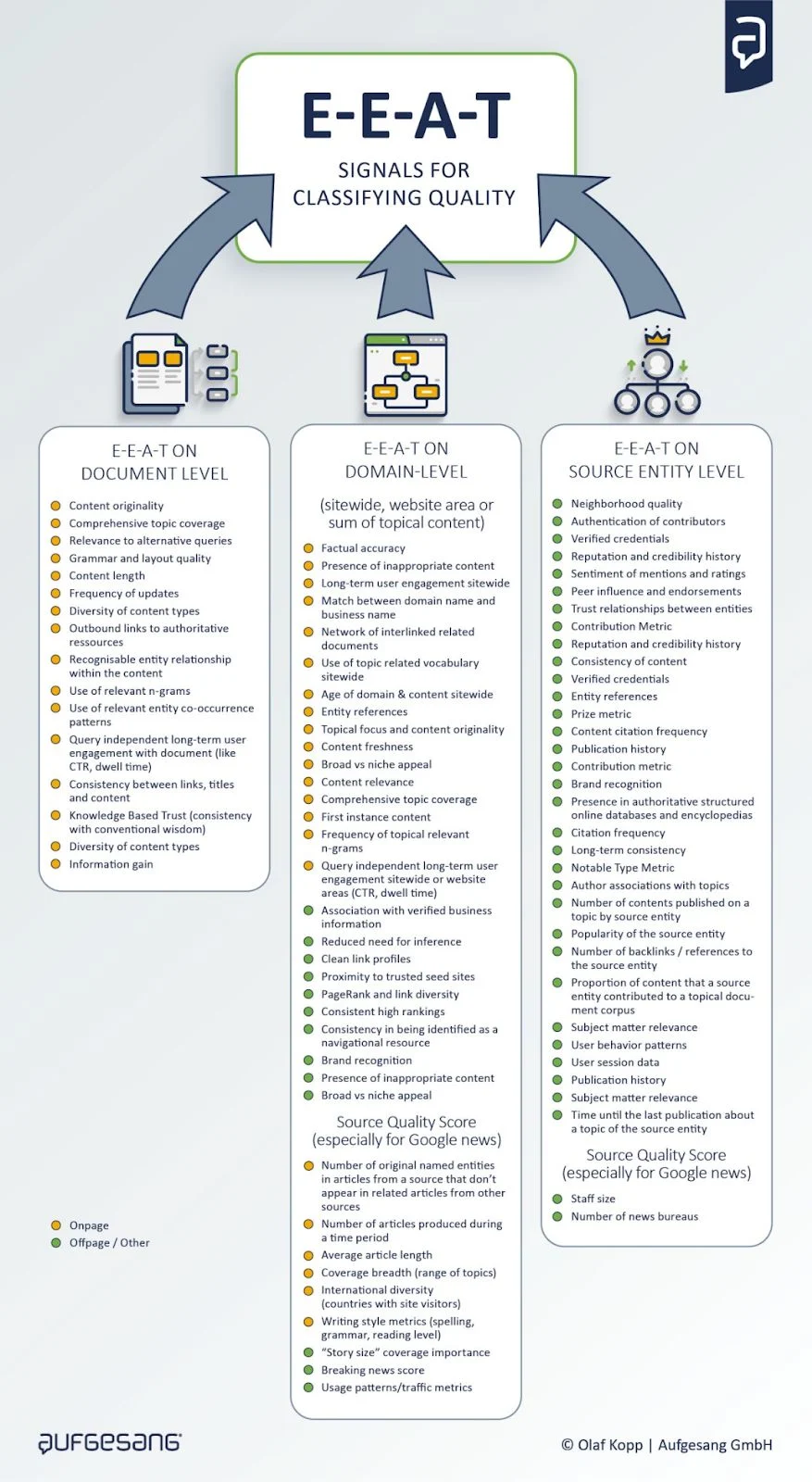
In an era where brand authority is increasingly influencing performance, particularly within Google’s evolving AI search capabilities, a practical method for measuring this crucial element has been introduced. The E-E-A-T audit, designed to systematically assess a brand’s Experience, Expertise, Authoritativeness, and Trustworthiness, provides a detailed approach for marketers and SEO professionals. This audit framework goes beyond conceptual understanding, offering over 220 measurable markers to evaluate a brand’s credibility across various online touchpoints.
The E-E-A-T framework, a cornerstone of Google’s Quality Rater Guidelines, is not a direct ranking factor but a conceptual model that guides how Google’s algorithms are developed and refined. While Google outlines what constitutes high-quality content and trustworthy brands, a standardized method for auditing these qualities has been lacking. This new E-E-A-T audit checklist aims to fill that gap by translating Google’s guidelines and related research into actionable steps. Building upon the work of SEO researchers like Olaf Kopp, who identified over 80 potential signals from E-E-A-T related patents, and Shaun Anderson, who connected E-E-A-T concepts to potential algorithm factors, this comprehensive audit provides a structured approach.
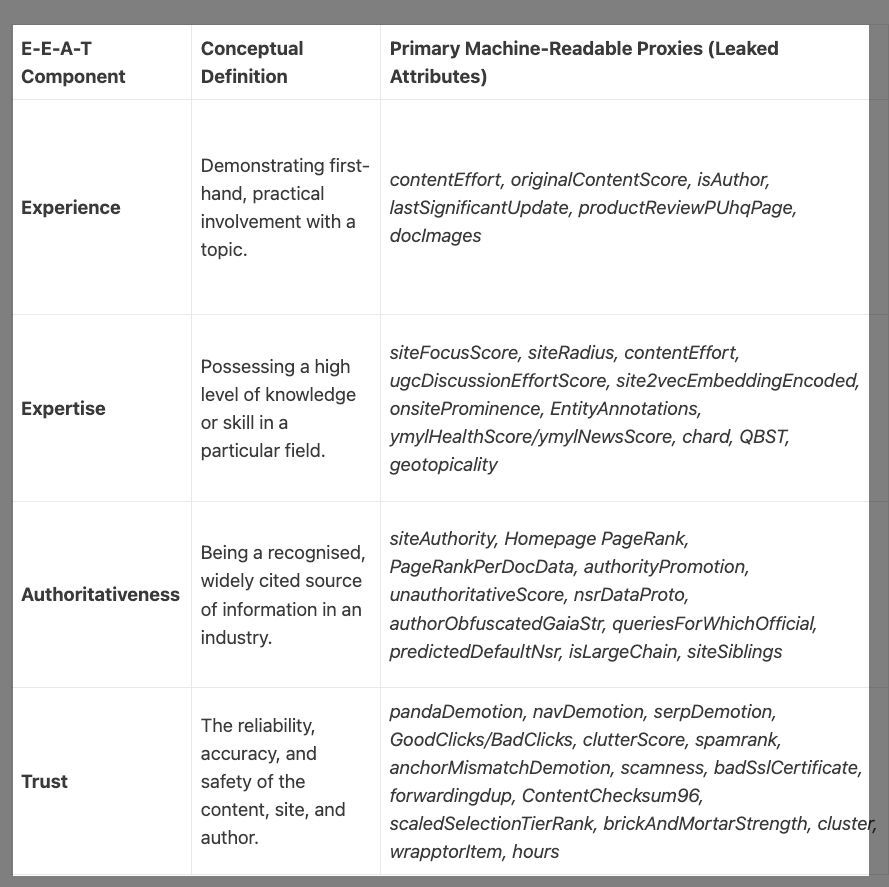
The audit process emphasizes that E-E-A-T is not something that can be superficially applied to a website but rather is earned over time through the development of a strong brand, genuine expertise, and cultivated trust. This necessitates a thorough examination of everything from a brand’s core website elements to third-party reviews, author credentials, press mentions, content accuracy, and social proof. The audit is structured around auditing tangible entities where these E-E-A-T signals manifest, cross-referenced with Google’s Quality Rater Guidelines for a complete assessment.

The audit is divided into nine key sections, each focusing on a critical aspect of brand authority:
1. Audit Brand and Website Foundations: This initial step aligns with the "Trust" component of E-E-A-T, focusing on the fundamental legitimacy of a website. Key elements to examine include:
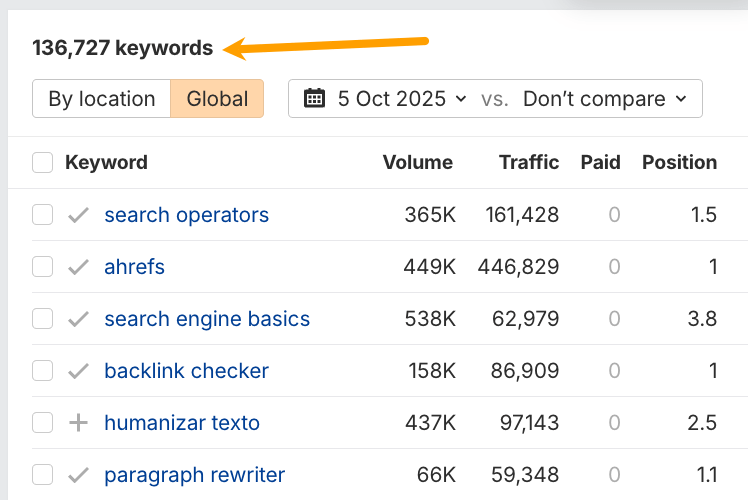
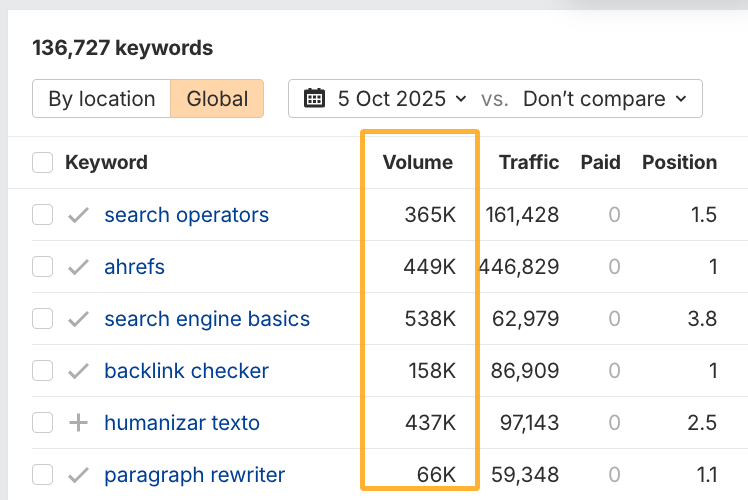
2. Audit Brand Authority in Google Search: This section assesses how well a brand performs in organic search results, serving as a proxy for Google’s recognition of its authority. Metrics to evaluate include:
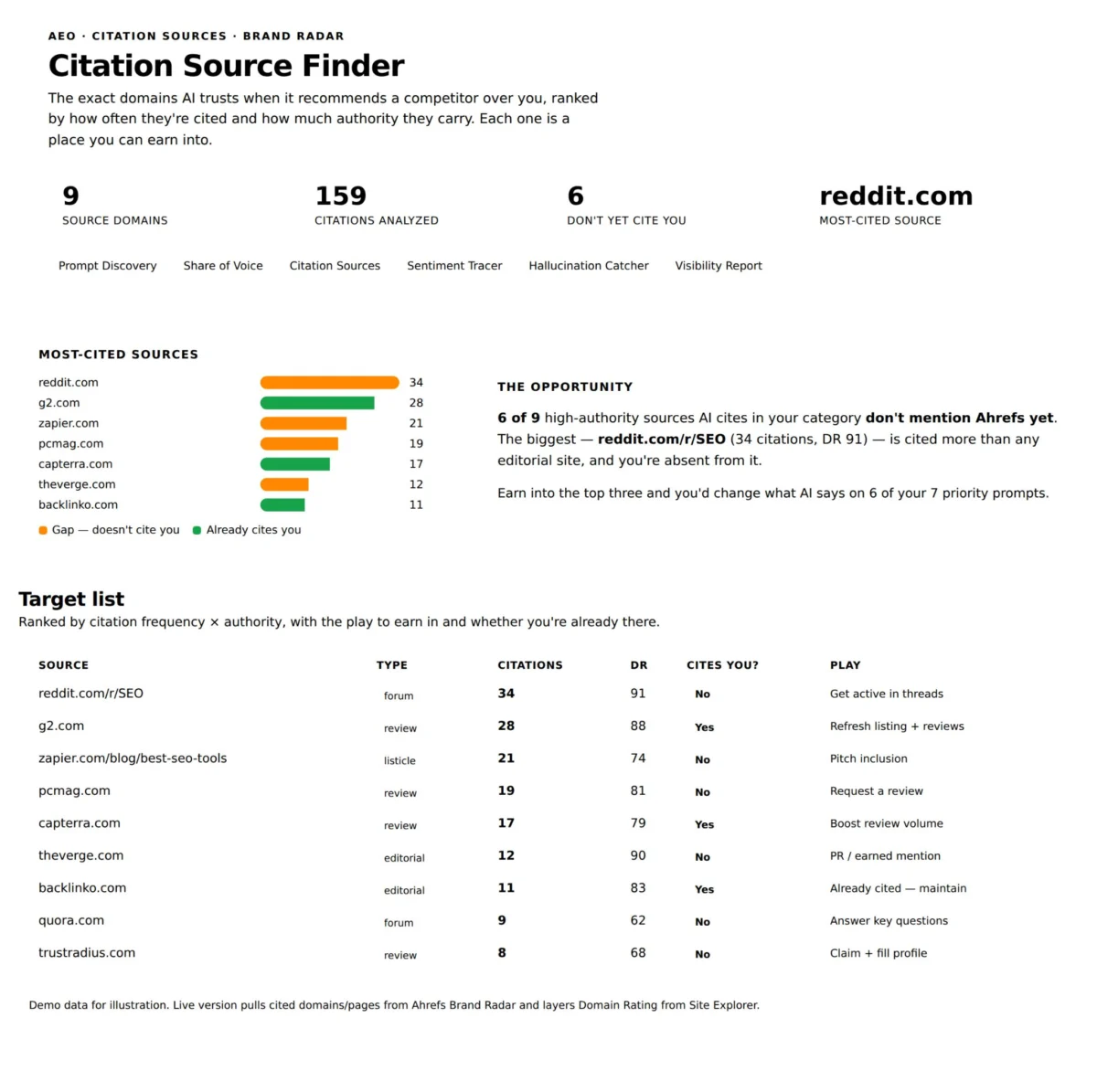
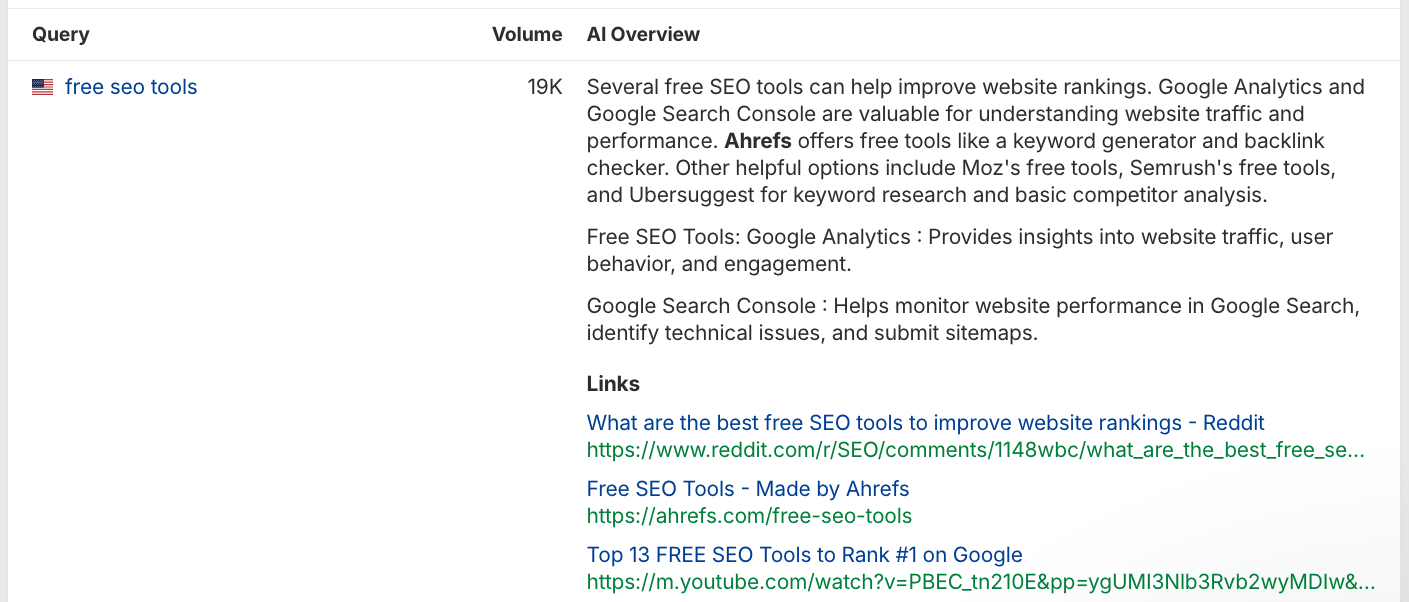
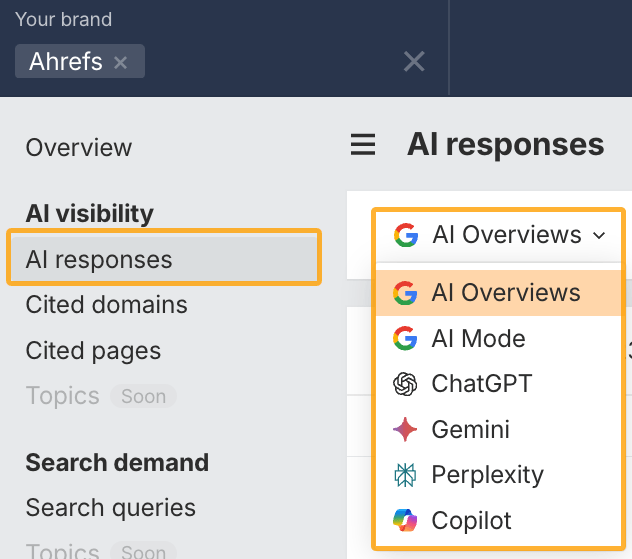
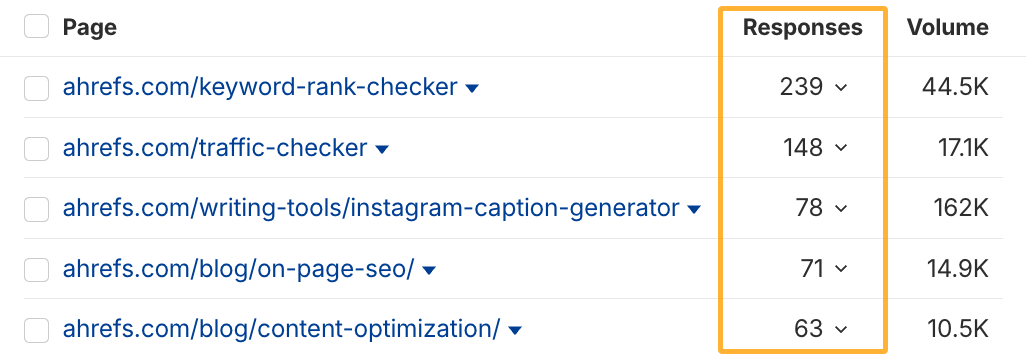
3. Audit Brand Authority in Google’s AI Features: With the increasing prevalence of AI-powered search results, understanding a brand’s visibility in these features is crucial. This audit examines whether a brand’s E-E-A-T signals are strong enough for AI models to cite it as a credible source. Indicators include:
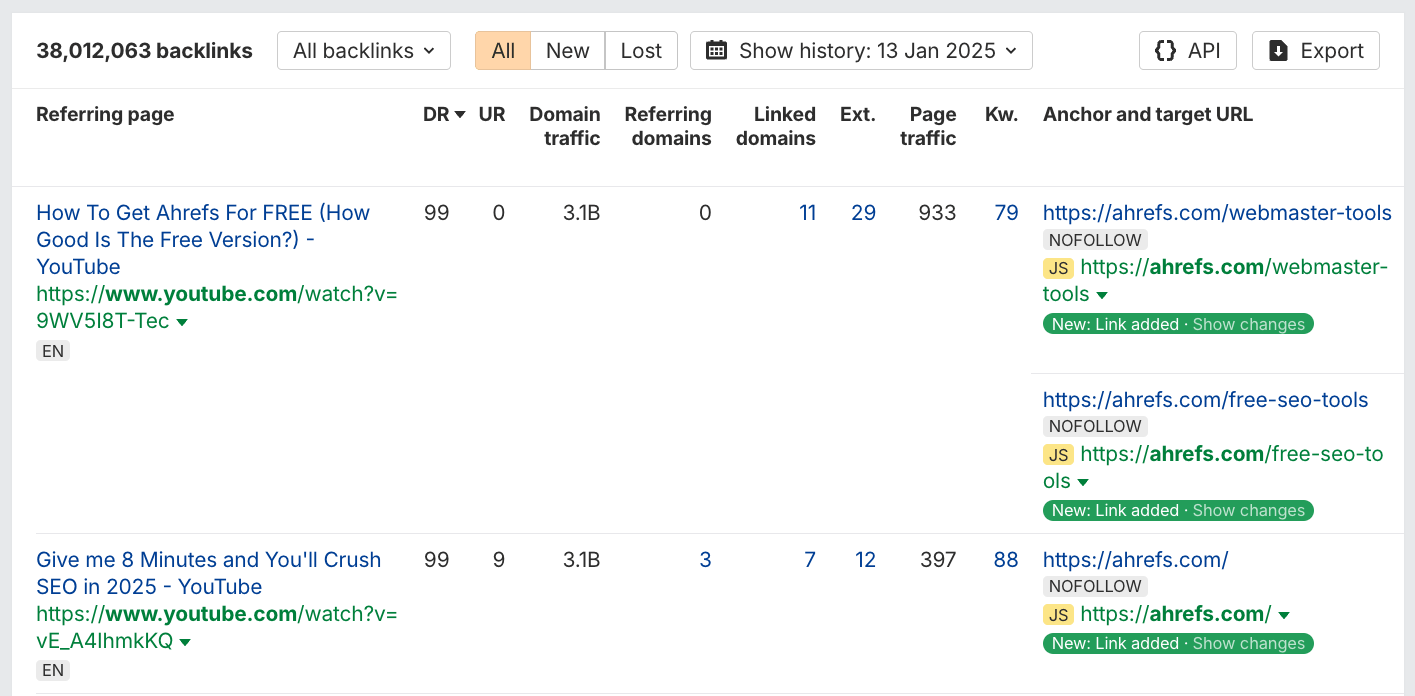
4. Audit Off-Site Brand Signals: Google heavily relies on independent, credible sources to verify a brand’s trustworthiness. This audit focuses on external signals that corroborate a brand’s claims and reputation:

5. Audit Technical Trust Signals: Technical aspects of a website play a significant role in establishing user trust. This section covers essential technical checks:
6. Audit Content and On-Page Elements: Aligning with Google’s emphasis on helpful content, this audit scrutinizes the credibility and trustworthiness of a brand’s content:
7. Audit Key People Connected to the Brand: Google evaluates individuals associated with a brand, particularly authors and website owners. This audit confirms the verifiability and credibility of these key figures:
8. Audit Site-Wide E-E-A-T Elements: A holistic view requires assessing the overall legitimacy and trustworthiness of the website:
9. Score Brand Authority and Plan Next Steps: The final stage involves scoring the audited signals using a 5-point scale, mirroring Google’s quality raters’ methodology. This scoring converts ratings into percentage scores for stakeholders and informs the development of actionable steps to improve E-E-A-T. The audit includes dedicated columns for noting concrete actions, such as improving author bios or enhancing schema markup, transforming the audit into a roadmap for building trust over time.
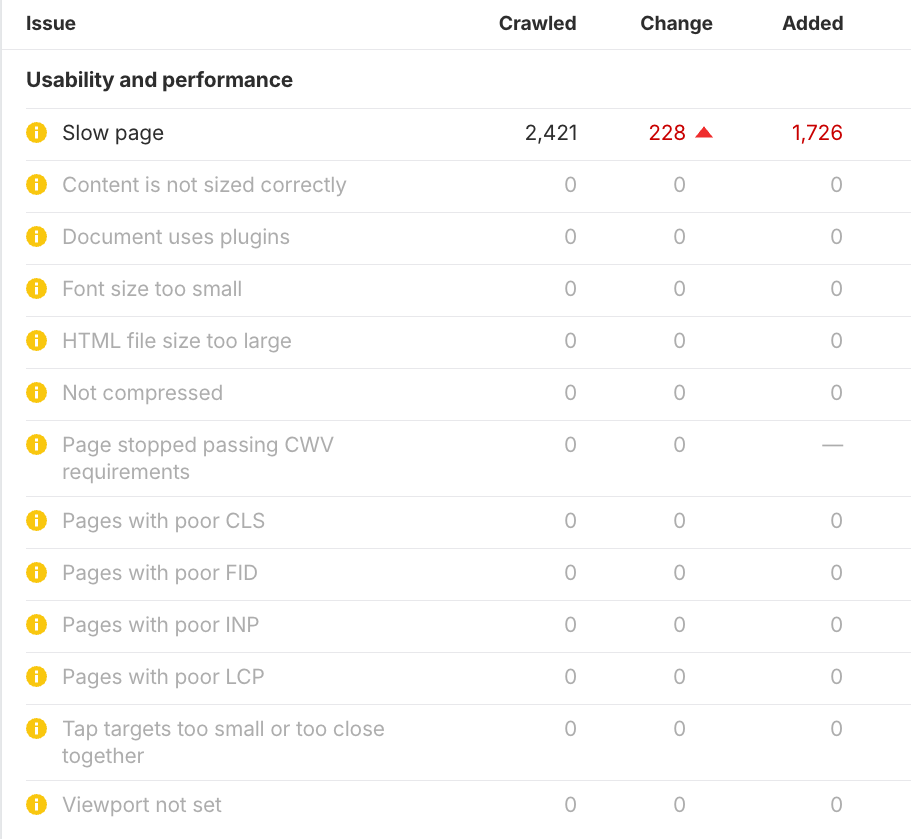
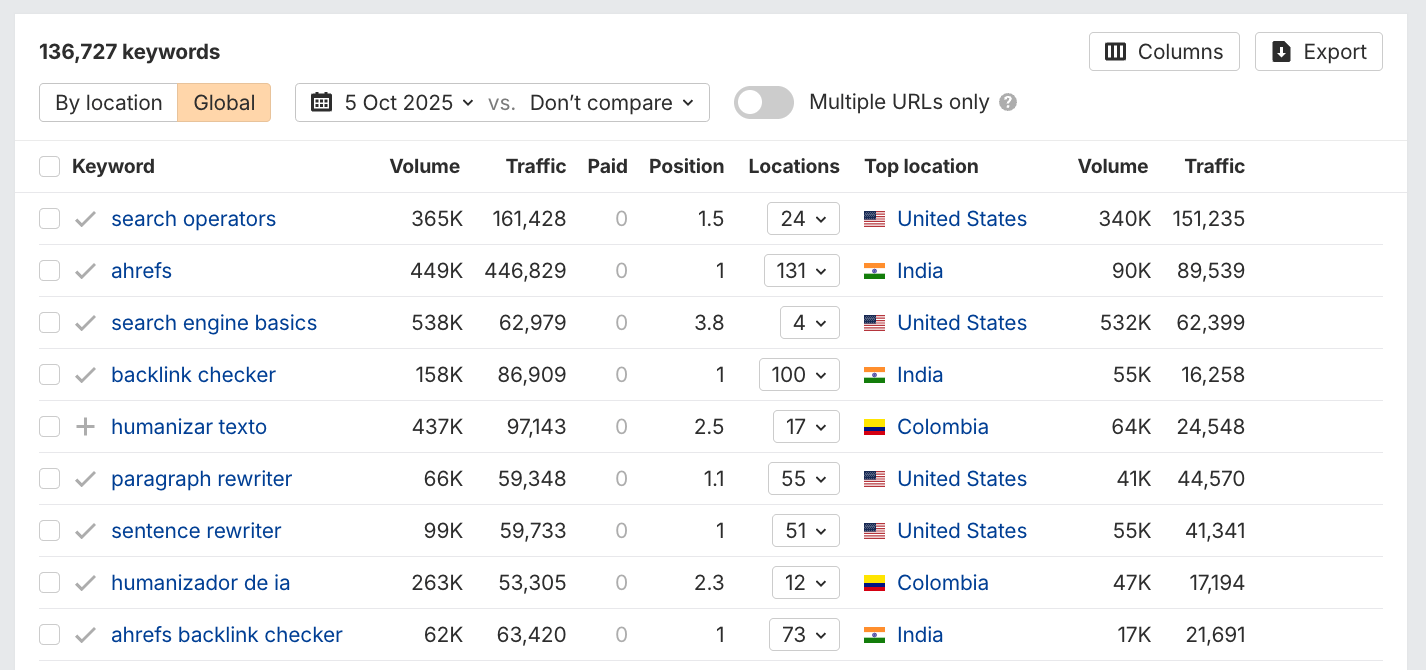
The article concludes by applying the E-E-A-T framework to the guide itself, demonstrating how transparency in experience, expertise, and authority fosters trust. The comprehensive E-E-A-T audit, supported by tools like Ahrefs’ Site Explorer, Content Explorer, Brand Radar, and Site Audit, offers a robust methodology for brands to identify and rectify weaknesses, ultimately aiming to enhance visibility and credibility in both traditional and AI-driven search environments.