 11
11
BitMart, a prominent cryptocurrency exchange, has announced its decision to commence an orderly wind-down of its trading platform operations, a move that will see all trading services cease by August 26, 2024, and all operations entirely concluded by January 31, 2027. The exchange communicated this significant development in a notice issued on Sunday, citing a comprehensive evaluation of its operating conditions, the prevailing market environment, and its future strategic direction as the basis for this "difficult decision."
As part of the implemented shutdown plan, BitMart has already taken several decisive steps. New user registrations have been halted, and the platform has stopped accepting new deposits. Furthermore, the futures trading services have been transitioned into a "reduce-only" mode, meaning existing positions can be closed but new ones cannot be opened. Similarly, the spot markets are no longer accepting new orders, effectively freezing trading activities in preparation for the eventual cessation of services.
This announcement places BitMart among a growing cohort of cryptocurrency trading platforms that have signaled their intention to close down in recent months. This trend highlights a period of consolidation and strategic recalibration within the digital asset exchange landscape. Notably, BitMEX and Dango are two other platforms that have recently announced the shutdown of their respective trading platforms, underscoring a broader industry movement. The exit of established players like BitMEX has led analysts to warn of accelerating consolidation within the cryptocurrency sector, suggesting that market pressures and evolving regulatory landscapes are compelling exchanges to reassess their operational viability.
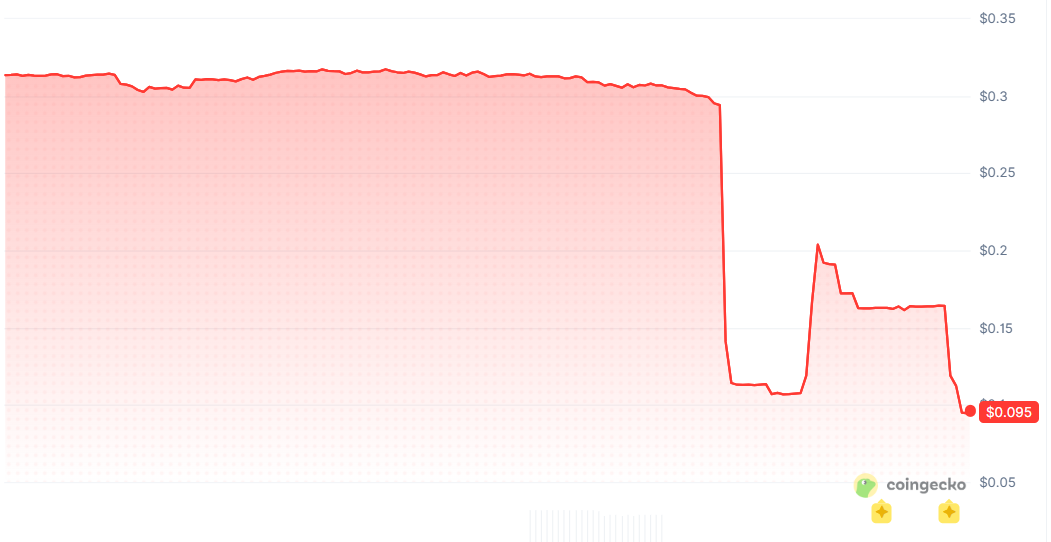
The news of BitMart’s impending closure has had a significant immediate impact on its native token, BMX. The cryptocurrency experienced a sharp decline in value, losing nearly 70% of its worth. At the time of reporting, BMX was trading at approximately $0.09464, a substantial drop from its value of around $0.31 late on Friday. The token’s downward trajectory continued into Saturday, where it briefly dipped to $0.1058 before extending its losses. This steep depreciation coincided with user complaints regarding delays in withdrawal processing from the exchange.
On social media platforms, particularly X (formerly Twitter), several users have reported an unusually prolonged processing time for their withdrawal requests. Some users claimed that their Tether USDt (USDT) withdrawal requests remained pending for several hours, raising concerns about liquidity and the ability of users to access their funds.
Data from blockchain analytics firm Arkham provides further insight into BitMart’s financial holdings. As of Sunday, wallets attributed to BitMart held approximately $71 million in crypto assets. This represents a notable decrease from approximately $102 million in assets held on July 6. A significant portion of these holdings, around $41.5 million, was in WFI tokens, associated with the stablecoin banking platform WeFi. The tracked wallets held a comparatively smaller amount of USDT, approximately $91,000. BitMart’s USDT balance has shown a downward trend over the past month, according to Arkham’s data.
In its official notice regarding the wind-down, BitMart acknowledged that some withdrawal requests might be subject to additional compliance and security reviews. The exchange stated that such reviews could potentially extend processing times, a statement that may offer an explanation for the reported delays but also raises further questions for users attempting to withdraw their assets.
The news of BitMart’s closure and the concurrent issues with withdrawals have also led to some confusion among users, particularly concerning the similarity in names with another prominent exchange, BitMEX. On Saturday, discussions on X highlighted the sharp price drop of BMX, with some users speculating about the reasons behind it. A user in the Mandarin-speaking crypto community, identified as "Brother Lu," brought attention to BMX’s price decline. In response, another user, "0xoo00," appeared to express surprise, suggesting that news of a shutdown had been circulating for some time, referencing a September 30th date. This date, however, did not align with BitMEX’s announced shutdown date of September 23rd.
The confusion was further exacerbated by the fact that BitMEX itself had announced its shutdown on the preceding Thursday. Following BitMEX’s announcement, its native token, BMEX, experienced a dramatic 90% crash shortly after the notice was published. Several other users within the Mandarin-speaking crypto community also inadvertently mixed up BMX with BitMEX in their discussions, indicating a potential ripple effect of misinformation or simple name-based confusion. The extent to which this confusion impacted BMX trading remains unclear at this time.
BitMart has not yet responded to requests for comment from Cointelegraph prior to publication, leaving many questions regarding the specifics of the wind-down process and the full implications for its user base. The exchange’s commitment to an "orderly" cessation of operations suggests a structured approach to asset distribution and user fund repatriation, but the reported withdrawal delays cast a shadow of concern over the immediate accessibility of user assets. As the August 26 deadline for trading services approaches, the crypto community will be closely watching BitMart’s progress in facilitating withdrawals and ensuring a smooth transition during this significant operational shift. The situation with BitMart adds another layer to the ongoing narrative of market consolidation and the challenges faced by cryptocurrency exchanges in navigating the dynamic global digital asset landscape.